A groundbreaking invention that enables construction without shutting off the water supply: What is the SPR method, which supports the aging public infrastructure, "sewage systems"?
公開日:
What thoughts and stories were behind its development?
How will that connect to the people and societies living on Earth?
"SEKISUI | Connect with" is a future-creating media platform that connects you with Sekisui Chemical.
Announcements of increases in sewage usage fees are continuing to be made across Japan. While one reason is the decrease in revenue due to the declining population, another cited is the increase in maintenance and management costs due to aging facilities. The aging of sewage systems is becoming a serious problem throughout Japan.
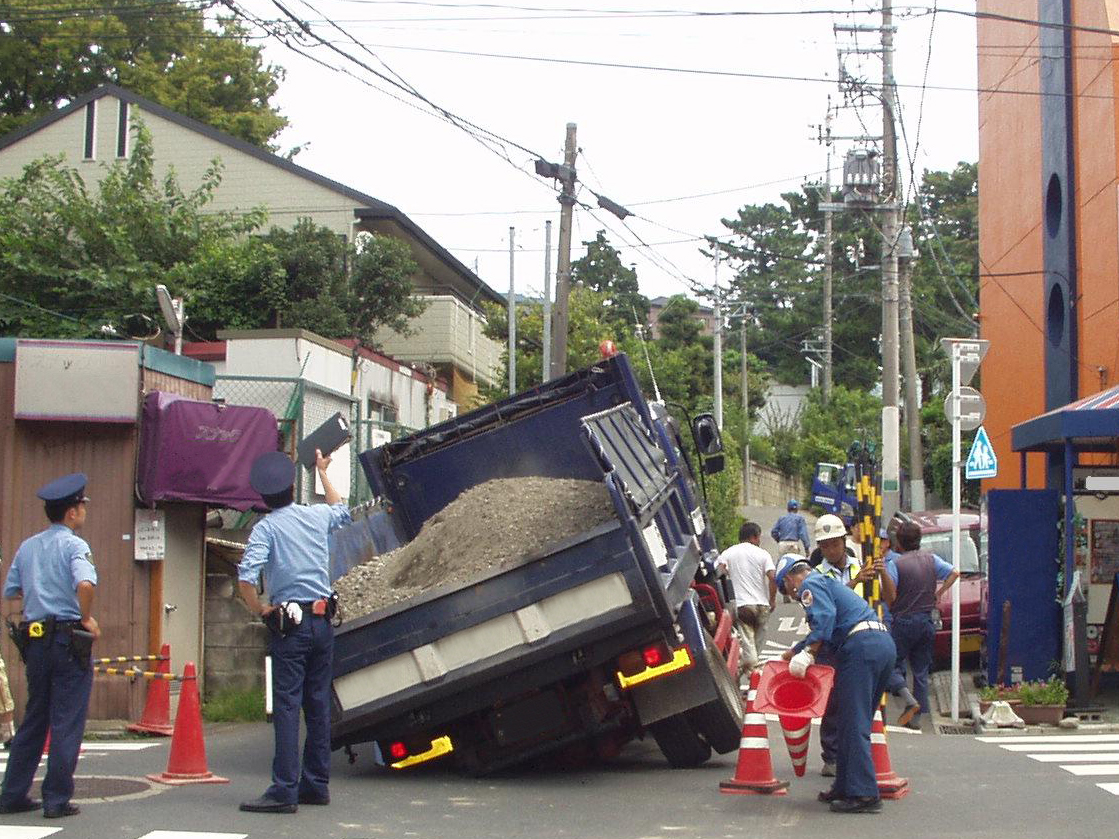
The aging of sewage systems is progressing throughout Japan, contributing to road collapses and other accidents.
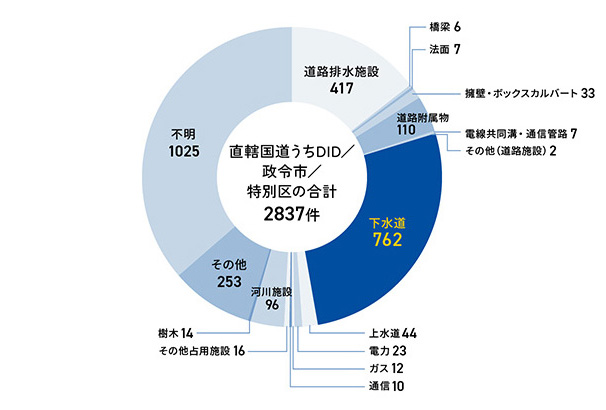
Sewers run deep underground and are difficult to rebuild. Sewers can also cause roads to collapse. In fact, sewers account for a high percentage of road collapses in urban areas (see diagram below).
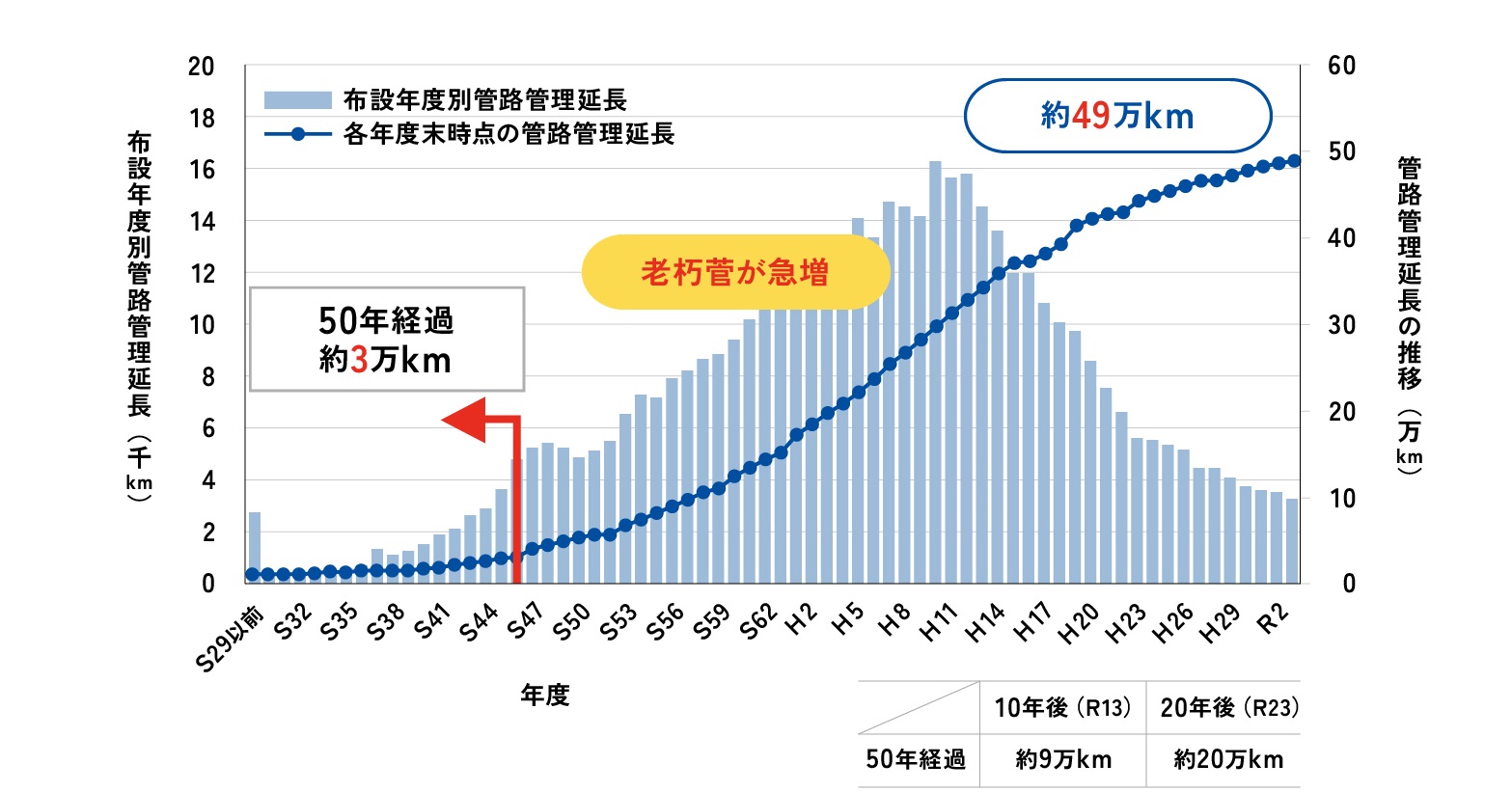
According to the Ministry of Land, Infrastructure, Transport and Tourism, the total length of sewer pipes nationwide is approximately 490,000 km. Of this, the length of pipes that have exceeded their standard service life of 50 years is about 30,000 km, which will triple to about 90,000 km in 2031, eight years from now. To ensure the functionality of the sewer system, maintenance and reconstruction projects are urgent issues.
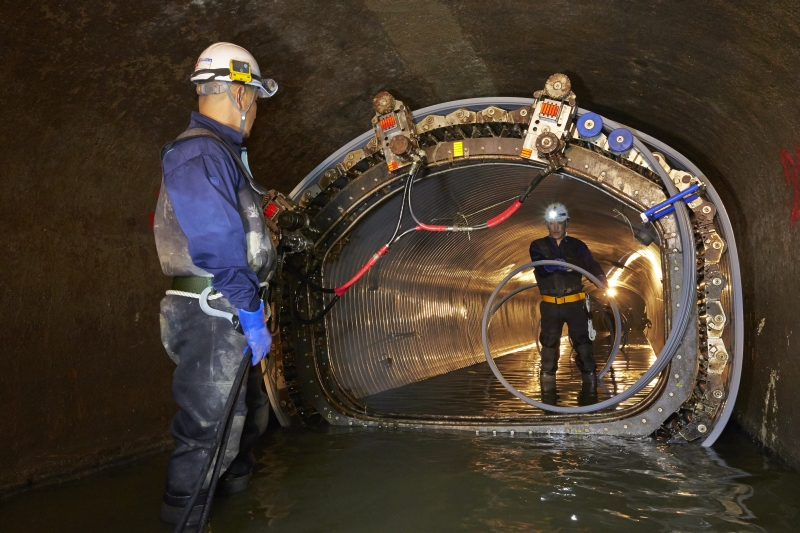
The SPR method allows sewer rehabilitation work to be carried out while water is still flowing.
If sewage systems deteriorate over time or experience problems such as leaks, damage, or corrosion due to earthquakes or other disasters, leaving these issues unaddressed can lead to major problems such as road collapses or clogged sewer pipes causing sewage to back up.
Problematic sewer pipes need to be repaired, a process known as rehabilitation work. Some people may have experienced the inconvenience of being unable to use water for toilets and other purposes for a certain period of time due to sewer construction work in their homes or apartments.
There are various methods for this rehabilitation work, but one of them is the SPR method, an excellent technology that allows construction to be carried out while water is still flowing. It was jointly developed in 1986 by three companies: Sekisui Chemical, Tokyo Metropolitan Sewerage Service Co., Ltd., and Adachi Construction Industry Co., Ltd.
The SPR method not only allows for road rehabilitation while water is still flowing (while the road remains in use), but also without the need to excavate the road. As a result, the road can continue to be used, preventing traffic congestion and eliminating the large amount of waste generated by excavation.
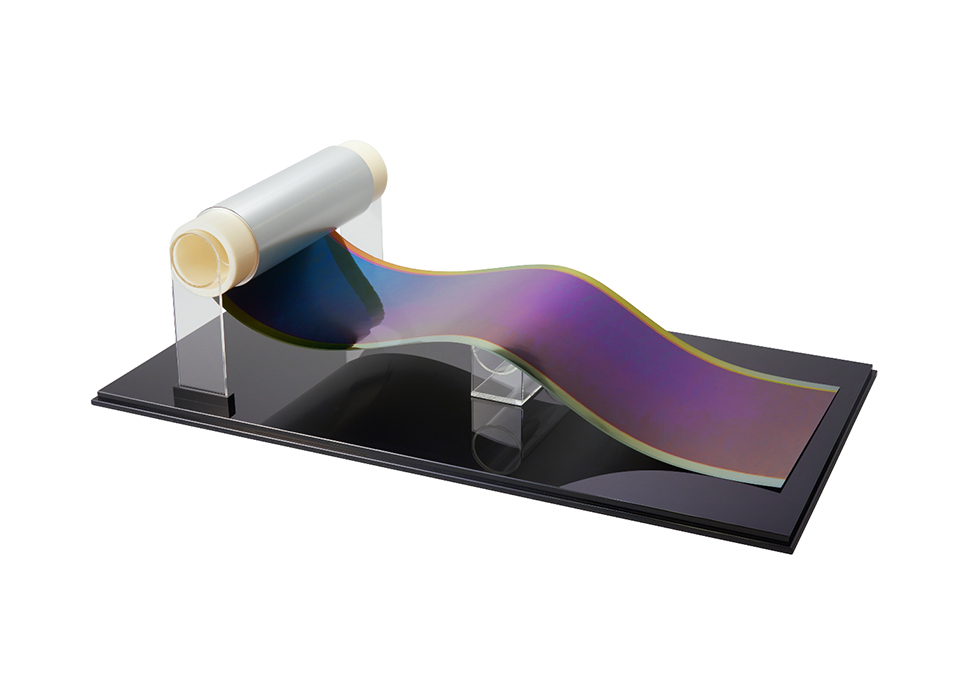
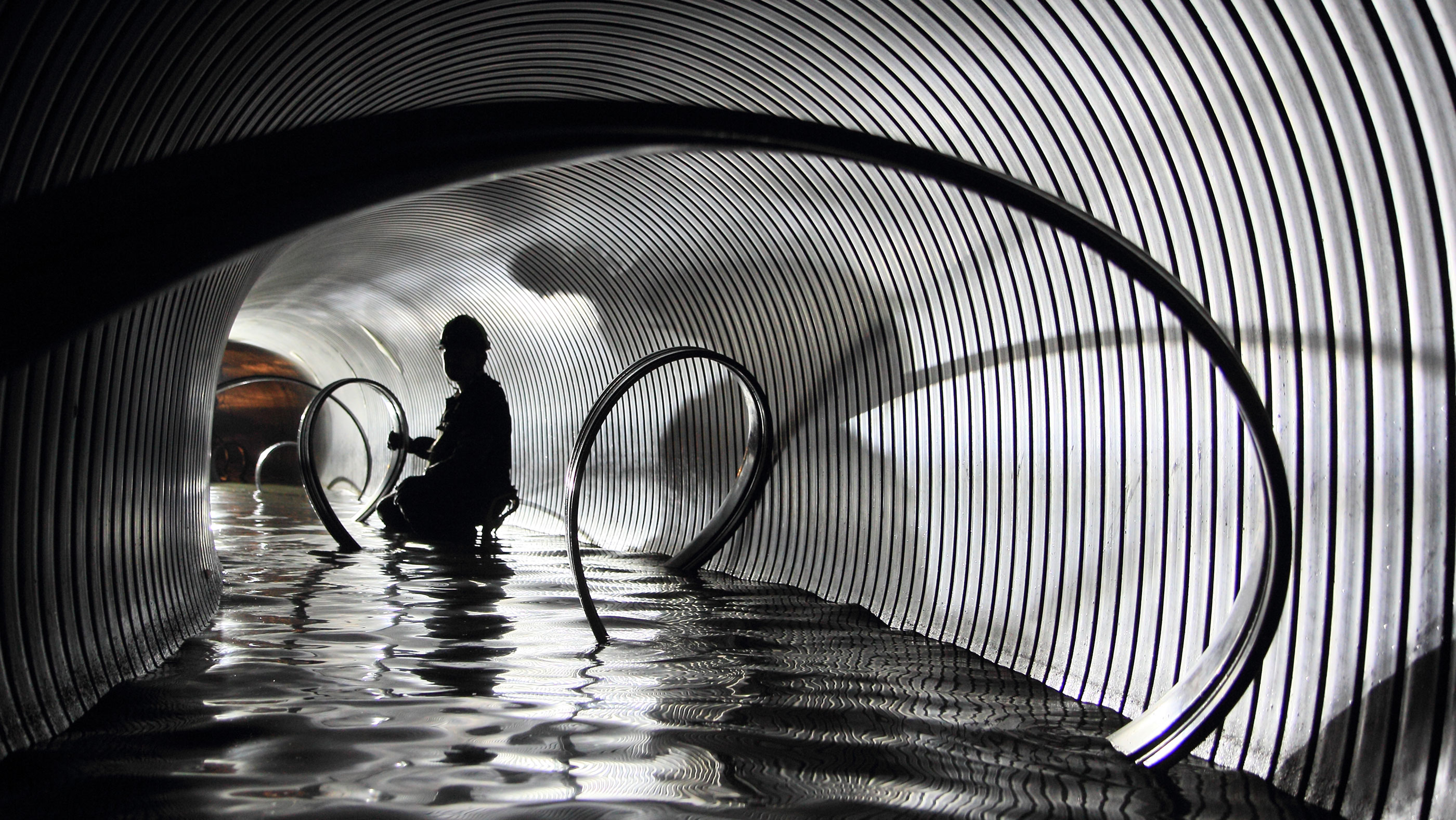
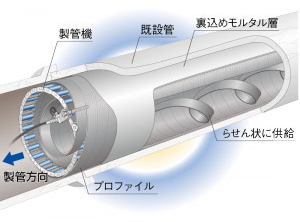
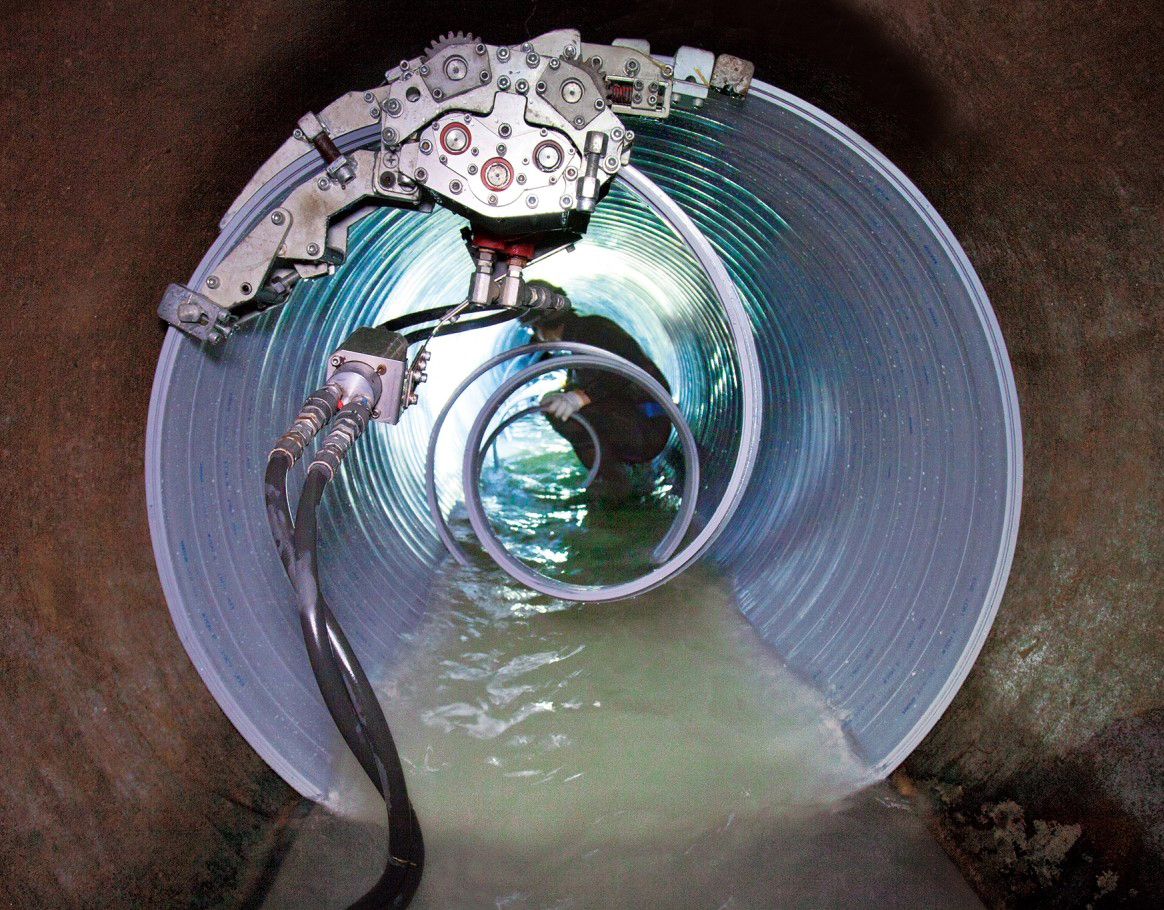
Specifically, the process involves sending a strip-shaped material made of polyvinyl chloride called a profile into the existing pipe, winding it spirally, and joining the strips together to form a PVC pipe inside the existing pipe. Mortar is then filled between the formed pipe and the existing pipe to ensure strength. Simply put, it's like sending material into the side of a sewer pipe to create a new pipe on the inside. Since the existing pipe is used as is, there is no need for excavation. This method allows for the rehabilitation of aging sewer pipes while keeping them in their original state.
Tackling endless challenges with advancements in construction methods.
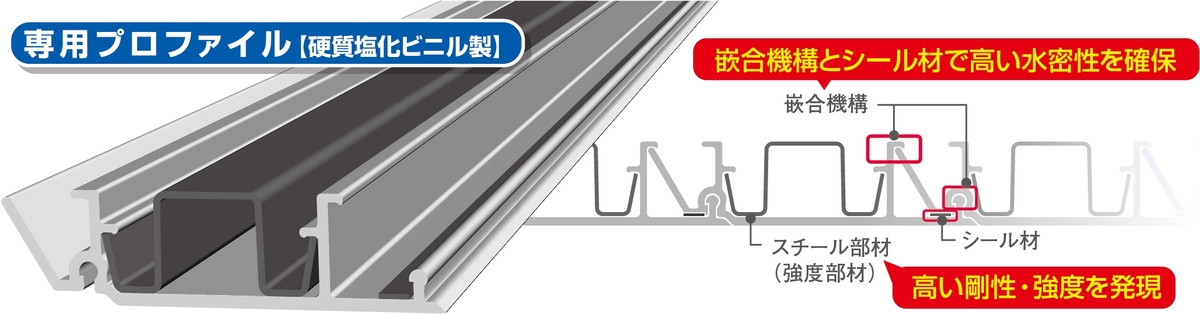
As mentioned at the beginning, the aging of Japan's sewage system is an urgent issue. It would be ideal if the SPR method could be applied to all of them, but until now, it has not been possible to use it on pipelines that are severely deteriorated or have partially collapsed. This is because the strength design takes into account the remaining strength of the existing pipes.
Therefore, we developed the SPR-SE method. This method increases the strength of the material used in the SPR method, making it self-supporting. By pre-setting the winding shape of the hard, high-strength material (profile) before construction, it becomes possible to manufacture pipes using hard, high-strength materials.
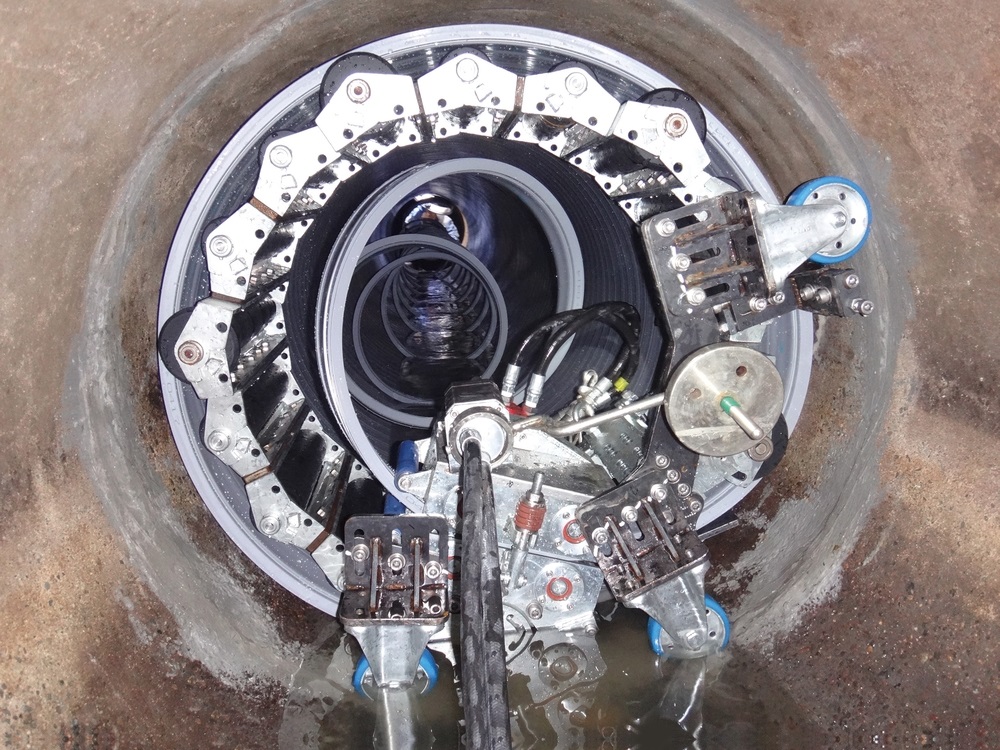
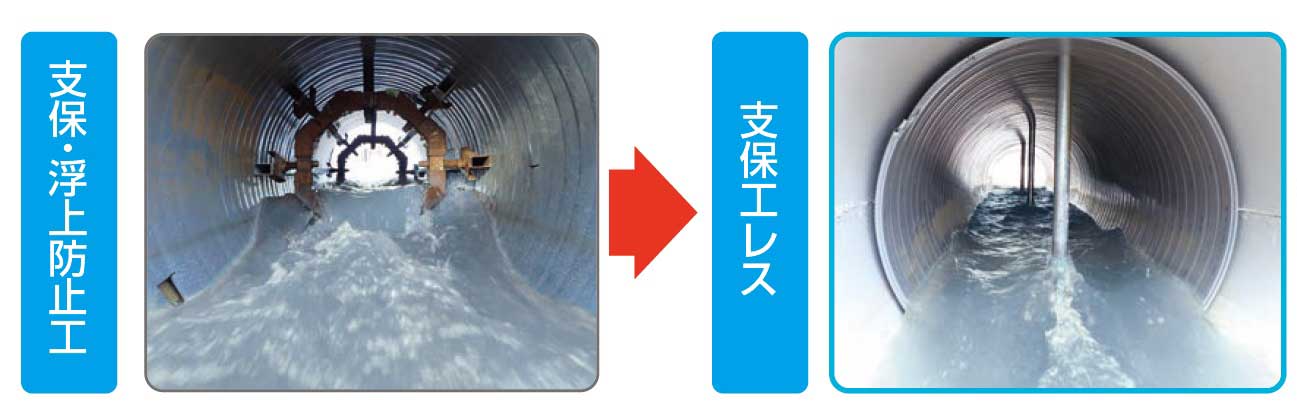
On the other hand, along with the aging of sewer pipelines, the labor shortage due to the declining birthrate and aging population is worsening day by day. Sekisui Chemical believed that further shortening of construction time and reducing construction effort were necessary with the SPR method, and in 2019 developed the SPR-NX method. This method involves thoroughly miniaturizing construction equipment and eliminating the process of installing temporary structures called shoring, which are used to support earth pressure during construction.
Sewer pipes, often hidden beneath the ground and unnoticed in everyday life, support our daily existence. Replacing aging sewer pipes will remain a challenge as long as human life continues. The widespread adoption of various SPR (Structural Rejuvenation) methods for sewer pipe rehabilitation, and the eventual need to further rehabilitate pipes already rehabilitated using SPR methods, are the goals of Sekisui Chemical. Sekisui Chemical's challenge continues.