[Investing in 6 Companies in One Year] What are Sekisui Chemical's CVC (Corporate Venture Capital) initiatives that are accelerating the resolution of social issues?
公開日:

What thoughts and stories were behind its development?
How will that connect to the people and societies living on Earth?
"SEKISUI | Connect with" is a future-creating media platform that connects you with Sekisui Chemical.
- M&A alone is not enough; CVC is a new weapon.
- Because it's a flat and positive organization, "decision-making speed is fast."
- Breaking away from a "self-reliance" approach through CVC (Corporate Venture Capital)
- Our investment criteria is "whether we can work together to solve social problems and create businesses."
Volocopter GmbH (hereinafter referred to as Volocopter), a German company, develops and manufactures "flying cars (eVTOLs)," which are expected to be a next-generation mode of transportation with low greenhouse gas emissions.
FRD Japan (hereinafter referred to as FRD) is working to support the consumption of seafood by farming fish such as salmon on land.
Did you know that Sekisui Chemical has invested in these two companies, which seem to have nothing in common?
"Many of today's social issues are on a global scale and cannot be solved by a single company alone. That's why we need to connect with each other."
This is according to Yoshiaki Ohno, Group Leader of the Corporate Planning Group in the Corporate Strategy Department at Sekisui Chemical.
M&A alone is not enough; CVC is a new weapon.
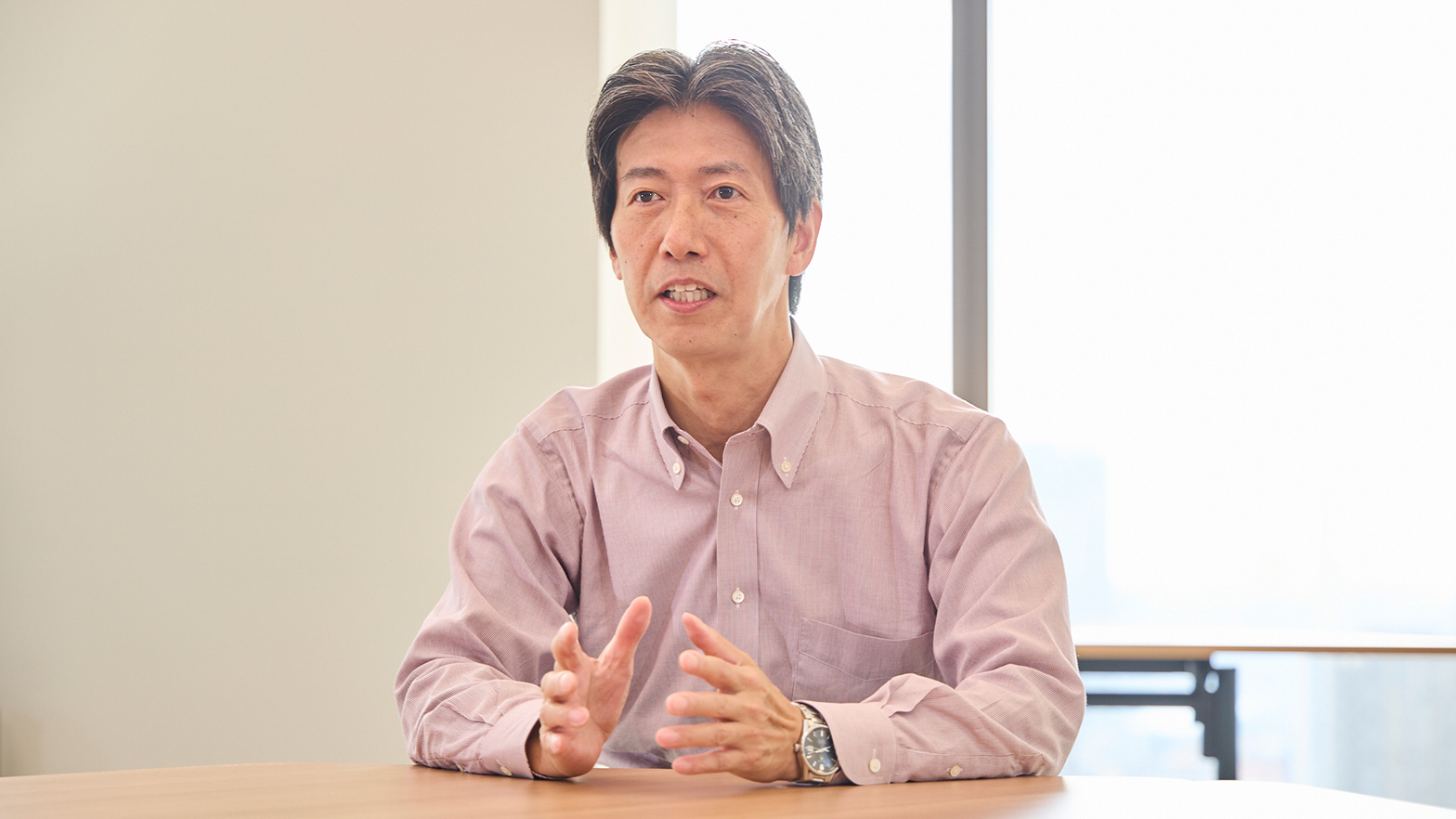
"I was in charge of M&A at Sekisui Chemical. However, we didn't handle CVC (Corporate Venture Capital). I thought that going forward, we needed to do more than just M&A, like CVC, so I started preparing for it in 2015."
M&A (Mergers and Acquisitions) refers to the merger and acquisition of companies, and is a term often heard in news and dramas. On the other hand, CVC (Corporate Venture Capital) is an investment activity made by an operating company in an external venture, and may be less familiar. Its purpose is to pursue business synergies in order to expand and grow existing businesses. There is a term similar to CVC, VC (Venture Capital), but the purpose of VC is to recover investment funds and pursue financial and monetary returns. Both CVC and VC invest in venture companies, but their purposes for investing are different.
"One characteristic of M&A is that results can be seen quickly, but the risks and costs are also high. On the other hand, CVC takes time to show results, but the risks are low. Balancing the two will accelerate Sekisui Chemical's growth."
M&A in the right hand, CVC in the left. These two were indispensable weapons to solve social issues and grow the business. In today's highly uncertain economic society, securing immediate performance and sowing future seeds are essential. Securing near-term performance is done through each Divisional Company 's business and M&A, with a forward-looking view to CVC.
Because it's a flat and positive organization, "decision-making speed is fast."
Ohno traveled to the U.S. to learn what venture investment was. Then, he consulted with Keita Kato, the current president of Sekisui Chemical, and began preparing to establish the CVC department.
They recruited members from within the company. "The requirements are that they understand the technology and can speak English." With this simple request, two people came to Ohno. They were Hirofumi Sakai, CVC Team Leader of the company's Corporate Strategy Department, and Yozo Kirie, CVC Manager.
Sakai, who is in charge of intellectual property at Sekisui Chemical, said, "I've always been interested in finance, so when I heard about the establishment of the CVC department where I could gain experience in finance while utilizing my intellectual property expertise, I volunteered."
Kirie, who is in charge of R&D at the research institute, said, "I feel that I learn a lot when I work with other companies, and I decided to participate because I wanted to conduct research and business with talented people from outside the company."
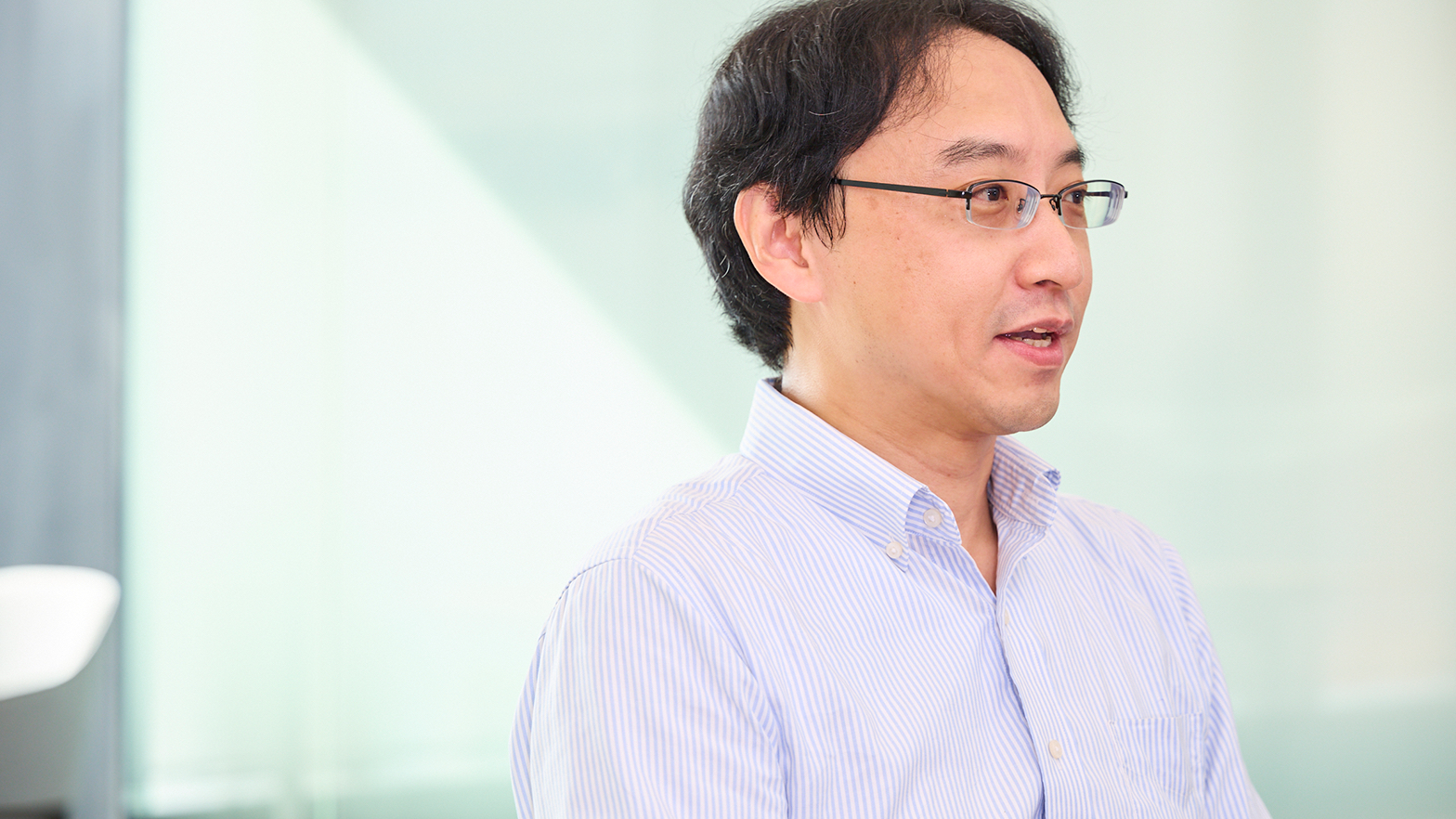
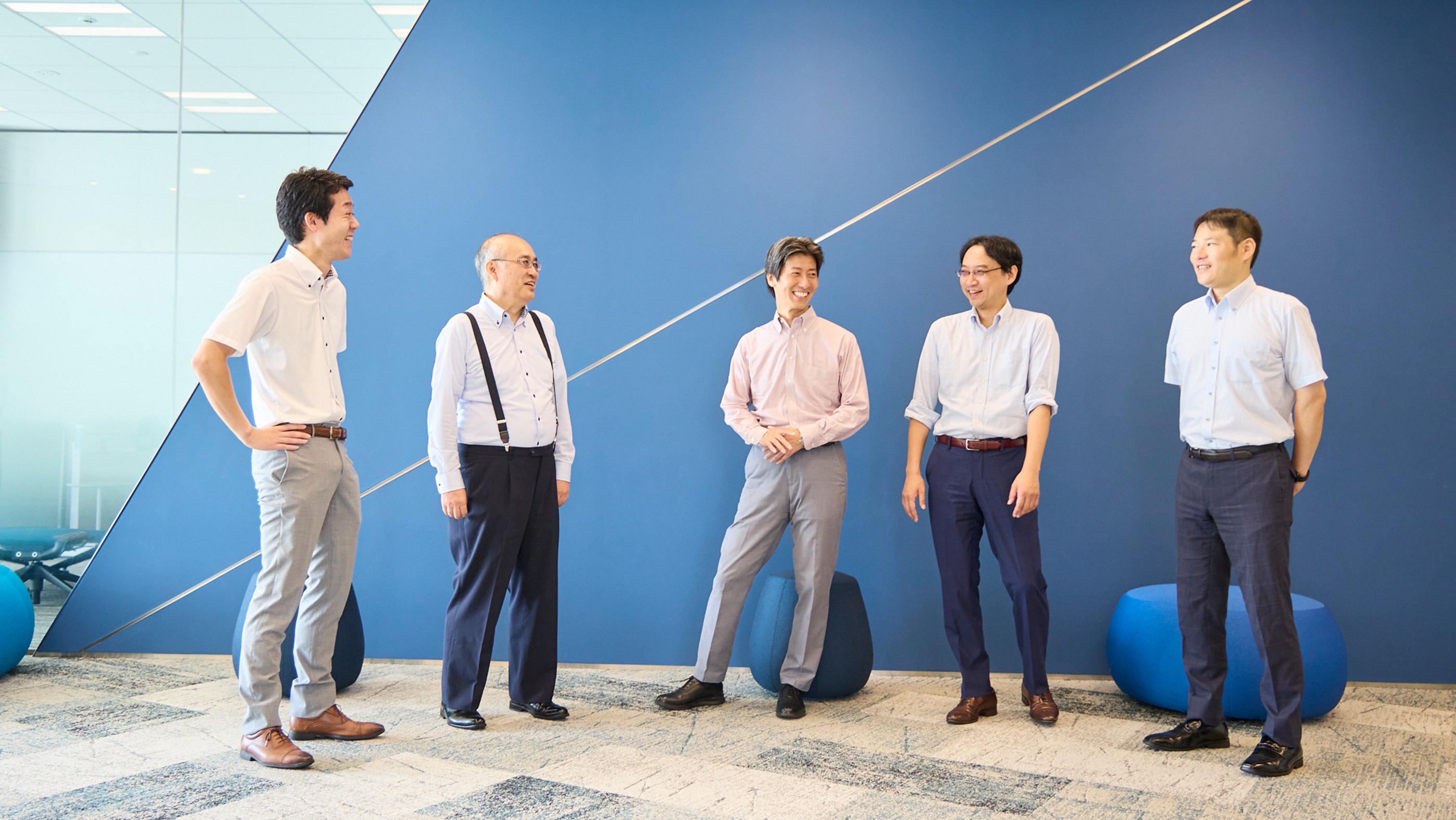
The team has grown in size and now operates as a five-person CVC team under the management planning group led by Ohno. One of them, Taku Sasaki, Senior CVC Manager, is currently based in Silicon Valley, USA, gathering information.
"There are two main reasons why I'm in Silicon Valley. First, it's where Sekisui Chemical's business areas are most concentrated in the world. Second, it's the speed of information and trends. Here, new keywords are being discussed one or two years before they appear in Japanese newspapers."
CVC members unanimously agree that it is a "flat and positive team." Speedy decision-making is essential in CVC initiatives, and this forward-looking, flat organizational culture makes that possible.
Breaking away from a "self-reliance" approach through CVC (Corporate Venture Capital)
A common characteristic of Japanese companies is their "self-reliance" approach. This approach involves constructing the entire business value chain, from basic research to product development, manufacturing, and sales, using the company's own resources before providing products. While this approach was once well-regarded, in today's digital economy, the relationship between companies needs to be restructured in light of changes in the sources of value and cost structures. We are now in an era of "open innovation," where companies utilize external ideas and technologies in their own businesses, while also encouraging other companies to utilize ideas they are not currently using.
"Sekisui Chemical's Vision 2030 aims to solve social issues and create security for the future. Solving social issues requires collaboration with a wide range of stakeholders, and CVC (Corporate Venture Capital) is responsible for collaborating with startups and ventures. Here, we are fostering open innovation through CVC."
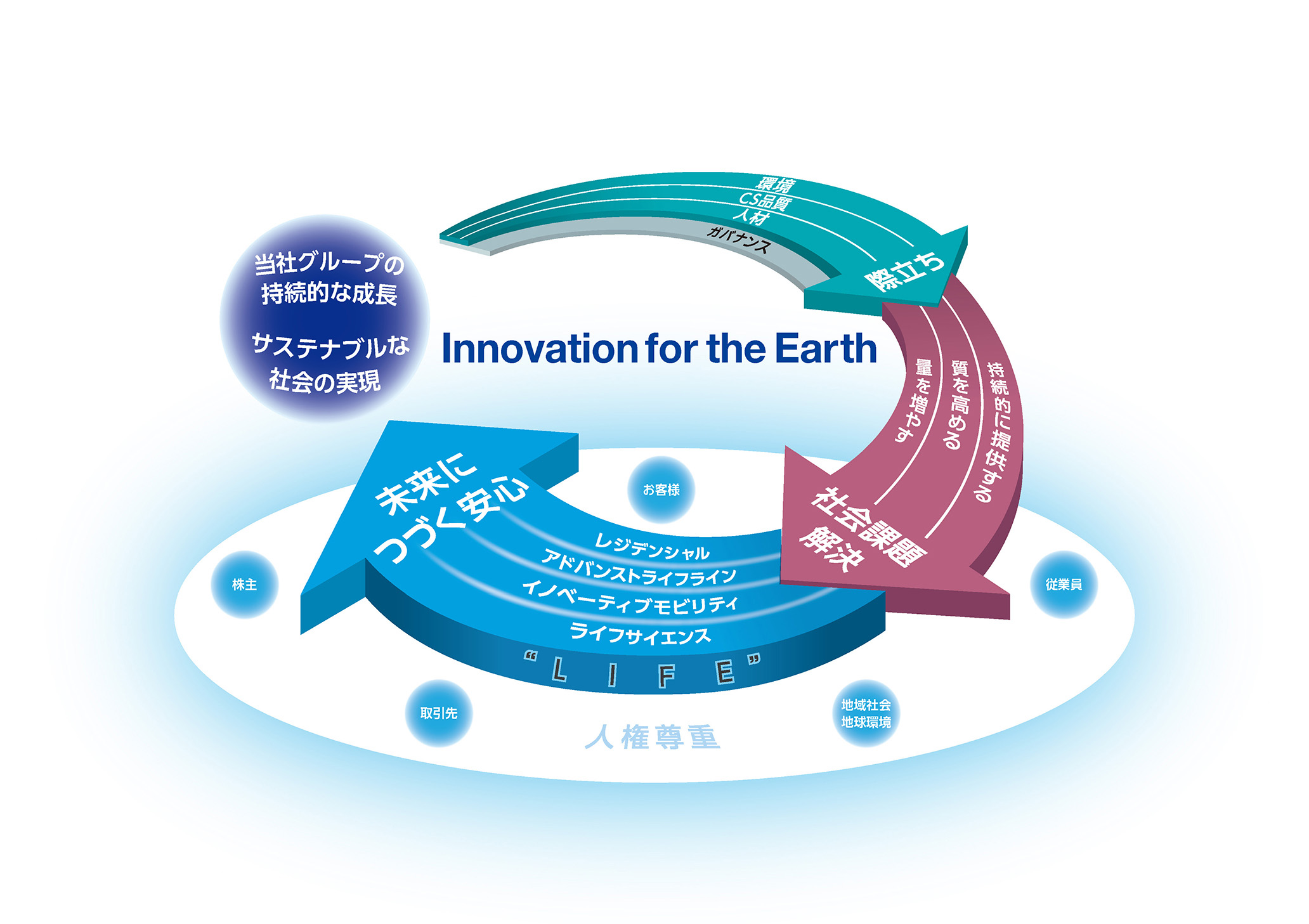
Ohno says this, but adds, "However, it's meaningless without a story about who we'll collaborate with and what kind of value we'll create." They can't just grab whatever catches their eye. So Ohno and his team created a "strategic area map" as a compass for realizing Sekisui Chemical's long-term vision.
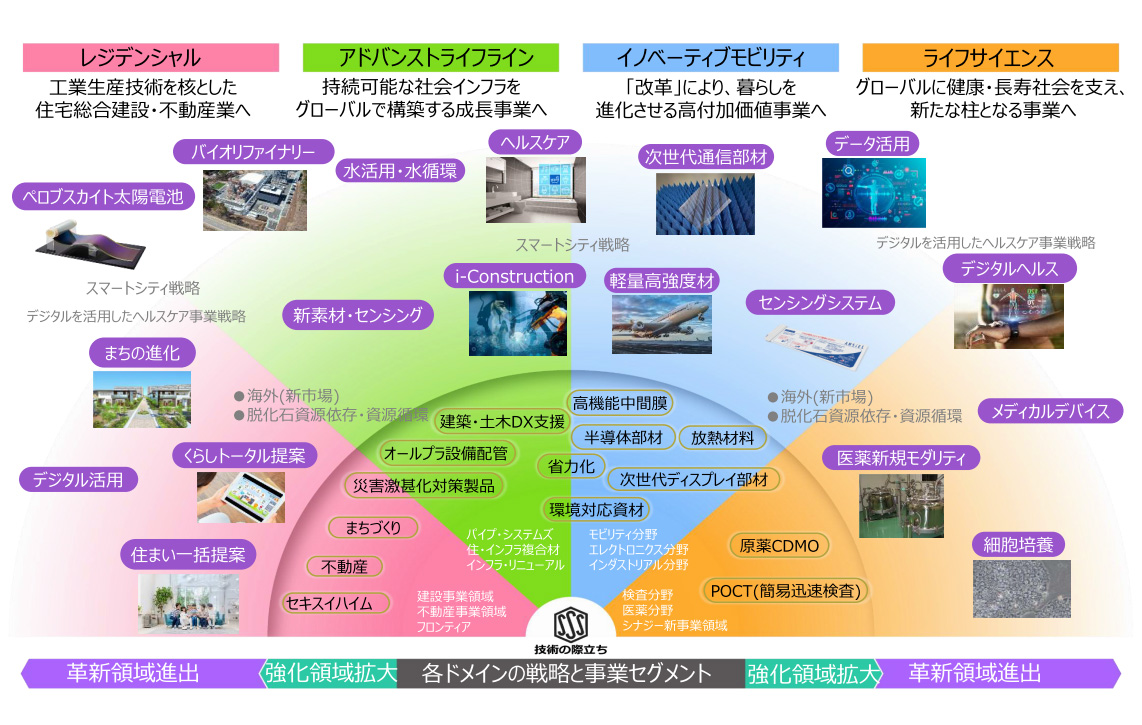
Sakai continues, "Before we created this strategic area map, we only had rough keywords. As a result, we sometimes struggled to decide where to invest. So, we created a map that clearly shows how Sekisui Chemical as a whole will grow, with a firm view to the future."
Sekisui Chemical handles a wide range of businesses, and has established four pillars for its operations: "Residential," "Advanced Lifeline," "Innovative Mobility," and "Life Sciences."
"We are formulating areas to strengthen based on the strategies and business segments of each domain. And beyond that is venturing into innovative areas. Expanding areas of strengthening is something that each business has been doing all along. What is important for sustainable growth is the innovative area. How do we approach fields that may seem like disconnections from our business domains? This requires company-wide agreement, and it has taken about two years to complete the whole process."
The strategic area map is essentially a combination of backcasting from societal challenges and forecasting from the company's core technologies. It clearly identifies areas that should be prioritized and serves as a basis for investment decisions throughout the company.
Furthermore, the breadth of Sekisui Chemical's business areas also creates advantages for its corporate venture capital (CVC) strategy, as it allows it to provide opportunities for collaboration with a wide range of innovative venture companies.
Our investment criteria is "whether we can work together to solve social problems and create businesses."
"Our investment criteria boil down to whether we can work together to solve social issues and create businesses. And from the perspective of solving social issues, the size of the company is irrelevant. We treat them as equals," Ohno said, and Sakai continued, "In our view, while we can expand our areas of focus, it's difficult to create innovative areas from scratch. This is something I've come to realize after spending 10 years in intellectual property. That's why we want to create businesses together in innovative areas and create a new ecosystem."
Kirie also mentioned the positive impact that CVC has on the company through investment, saying, "Meeting new people inspires us. In order to move away from a self-reliant approach, we want to help create new value by connecting talented people outside the company with researchers and other people at Sekisui Chemical."
Sasaki says, "Not just Sekisui Chemical, but Japanese companies in general have a very low presence in Silicon Valley. Automobiles and other products have a certain level of recognition. However, when it comes to materials, it's extremely low. That's why we approach each day with the determination to become a bridge between Japan and the United States." The challenge overseas is the low level of recognition, and the goal is to raise that recognition and then find ventures that are suitable for investment.
The accumulation of each of these activities led to the investments in Volocopter and FRD mentioned at the beginning. With Volocopter, they had decided that they could collaborate on aircraft parts for "flying cars," which are expected to become widespread in the future. However, as Ohno said, "As we move forward with the business together, we also realized that we can support them with our expertise in the automotive materials field, which is one of our strengths." This shows that new value and opportunities become visible only after making an investment.
Furthermore, Kirie, who was in charge of FRD, said, "Our personnel are also involved, and business collaboration with them is progressing. We hope to contribute to solving the global problem of marine resource shortages by providing the many water treatment devices and know-how that Sekisui Chemical has accumulated."
By combining their core technologies, which are their assets, with venture initiatives, they aim to solve global social issues through this synergy—with the growth of both their investee companies and themselves in the future. The CVC initiative is just beginning, and there are probably many difficulties, but the members' faces are bright. This is probably because there is an altruistic spirit of wanting to make society better, and that creates an environment where they can look forward even when things are tough.