Regenerative medicine is changing "at the ground"—the challenge of new materials that support cells
公開日:
What thoughts and stories were behind its development?
How will that connect to the people and societies living on Earth?
"SEKISUI | Connect with" is a future-creating media platform that connects you with Sekisui Chemical.
Regenerative medicine aims to regenerate organs and restore lost functions. With the evolution of regenerative medicine and cell-based drugs, the focus of research has shifted to "how to grow cells stably." Surprisingly, the key to its future lies in what's "at the base"—the scaffolding that supports cells—the foundation upon which cells can live and grow. Until now, this field has relied on animal-derived proteins, but a new concept has emerged: chemically synthesized polymers.
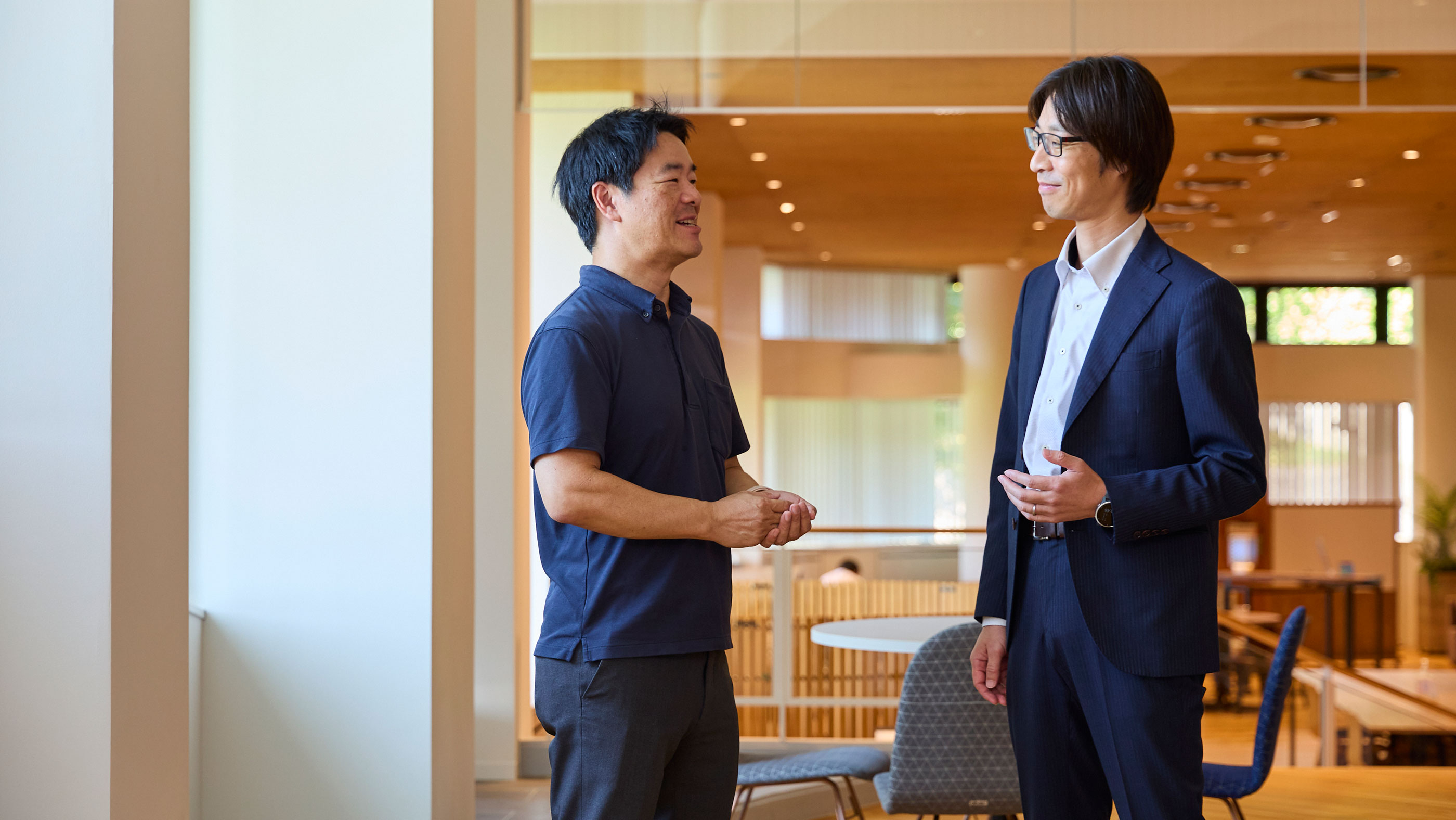
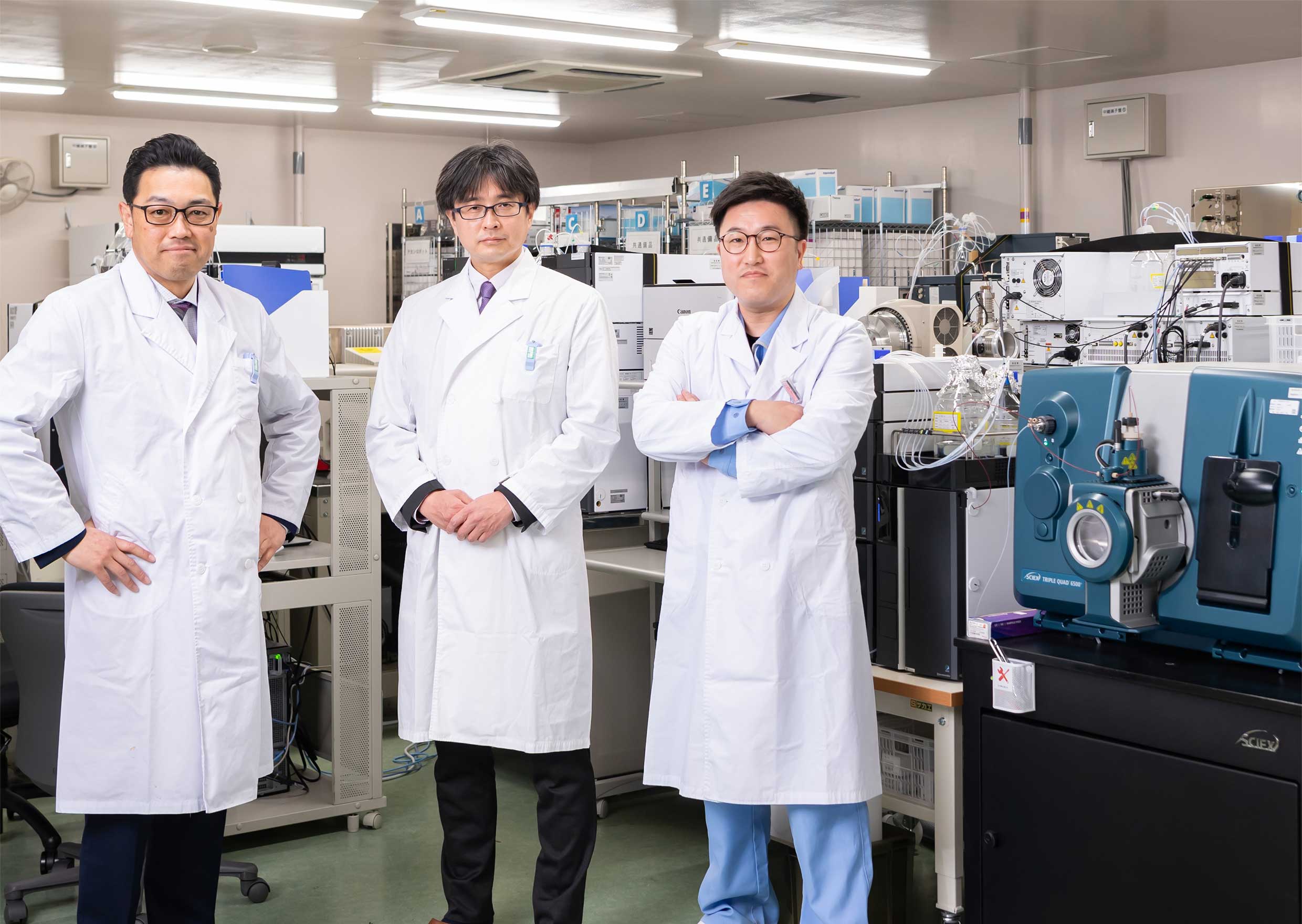
Satoshi Haneda, who is in charge of development, has gone through repeated trial and error in an attempt to recreate the biological environment with chemically synthesized polymers. Hideki Hanaoka, who is leading the commercialization, is exploring the path to industrialization with the aim of "cell manufacturing that does not rely on the skills of master craftsmen." At the manufacturing site, Masaharu Iwase of Nikon Cell Innovation Co., Ltd., which plays a central role in regenerative medicine CDMOs (contract development and manufacturing organizations), is looking at the potential of new materials that support cells from the perspective of implementation and standardization. And at the clinical research site, there is active movement to verify the possibilities at many sites, including Professor Shinichiro Ogawa, associate professor at the University of Toronto School of Medicine and specially appointed professor at Shinshu University School of Medicine. A "materials innovation" that will change the very foundation of medicine is now quietly underway.
Creating cellular "scaffolds" through chemistry—a new field in life sciences.
The cell industry, encompassing regenerative medicine, cell therapy, and gene therapy, has moved beyond its initial phase and is undergoing full-scale industrialization globally. Its global market size is projected to reach approximately $170 billion in 2024 and expand to approximately $380 billion by 2030. Within this context, Japan is a major leader in stem cell research and development, and one of the few countries conducting clinical trials using both embryonic stem cells and iPS cells.
The key to supporting this research and manufacturing foundation is the "scaffolding material" used to grow cells. Haneda, who is conducting research at the Advanced Technology Research Institute of the R&D Center, explains.
"Scaffolding materials act like adhesives, used to fix cells to the surface of culture vessels such as plastic or glass petri dishes and plates. In living organisms, cells are bound together by proteins and function within a specific environment. However, this environment cannot be replicated on an artificial culture vessel, so cells may not be able to maintain their function properly and may become altered or even die."
Therefore, by applying a scaffolding material to the surface of the container, we recreate an environment similar to that inside a living organism. In other words, the role of the scaffolding material is to create a "floor" where cells can live comfortably. Just as we humans lay down flooring or carpets in our homes to make them more comfortable, we create a "comfortable environment for cells to grow" in the same way.
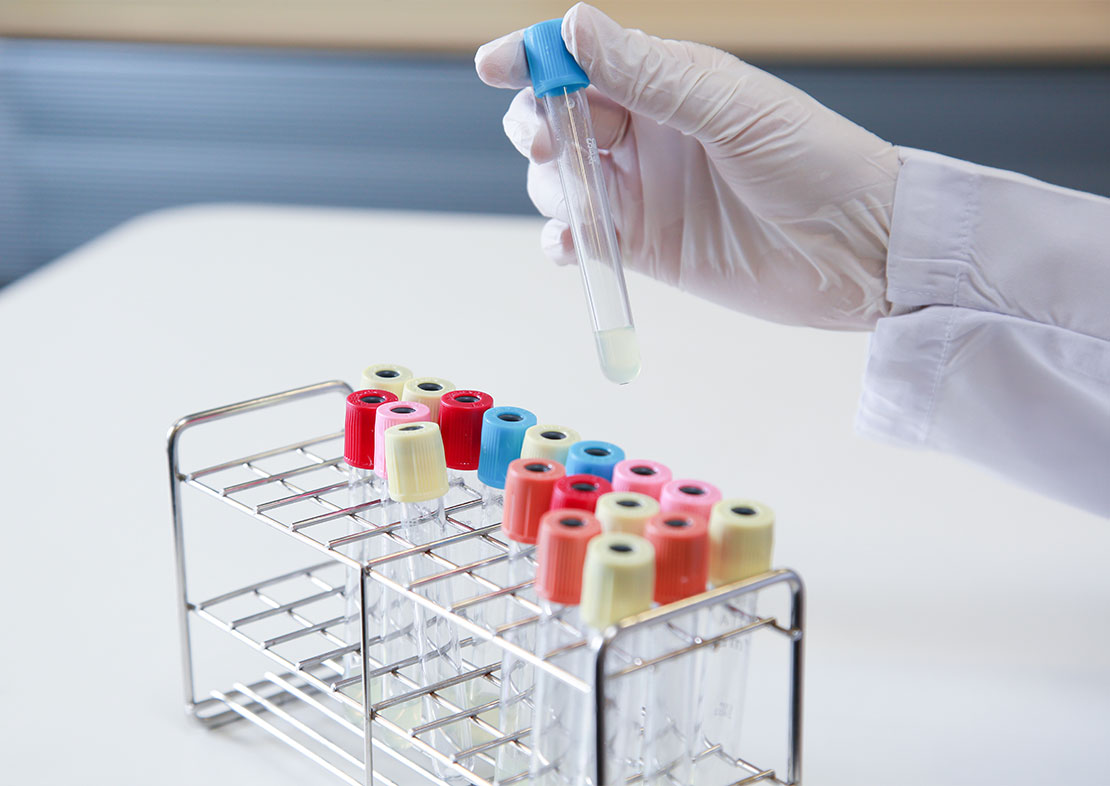
However, cells cannot be held unless they are "animal-derived scaffolding materials." When Haneda began development in 2017, this premise was common knowledge among researchers. The mainstream materials were animal-derived scaffolding materials such as collagen and Matrigel. While these supported cell growth, there were also challenges. Performance differences between batches, unclear components, and the hassle of cryopreservation and transportation limited the ability to mass-cultivate cells with an eye on industrialization.
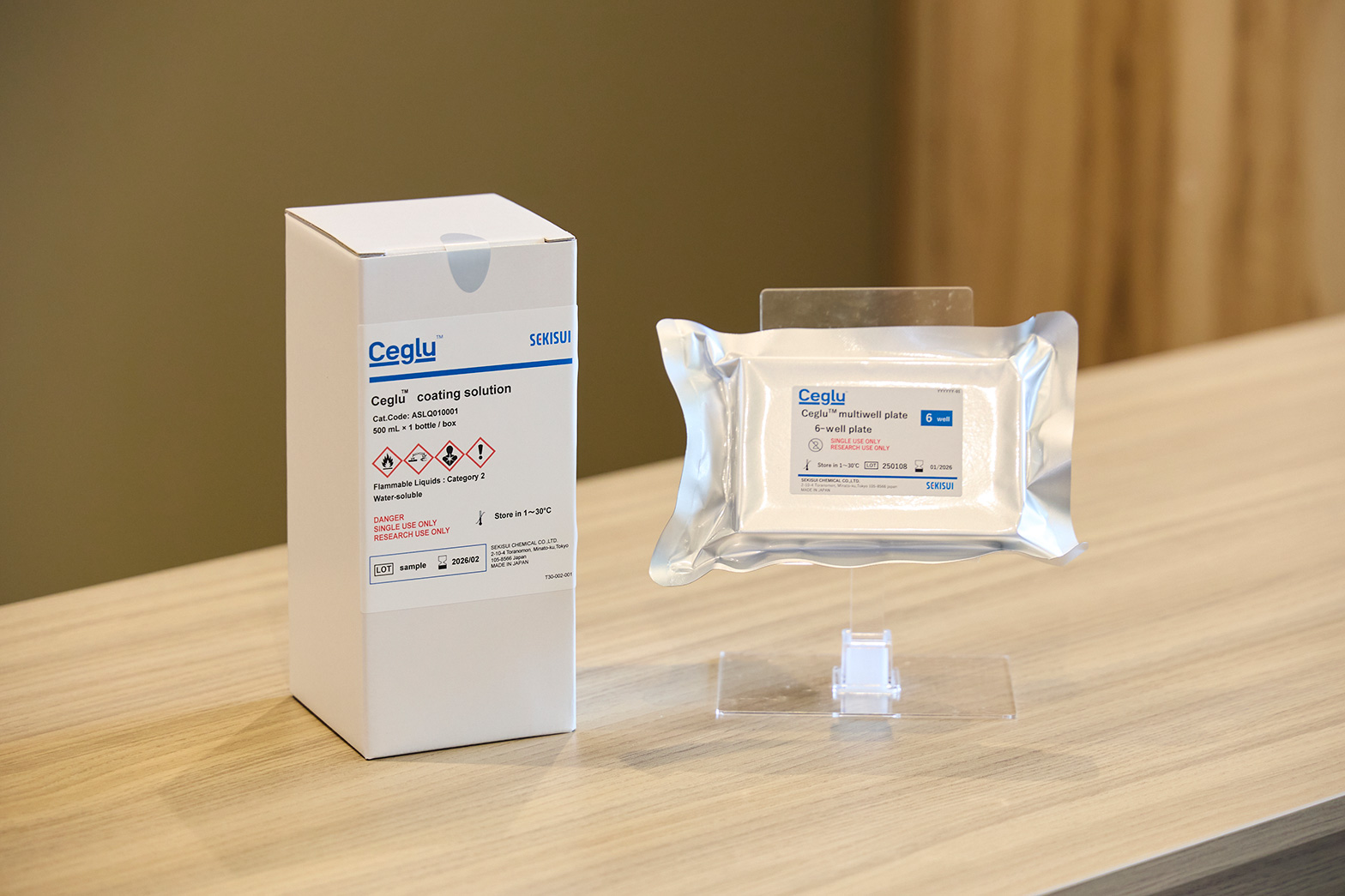
This led to a new idea: to design the very environment in which cells thrive. This attempt to recreate an environment where cells "grasp and grow" using the power of chemistry opened the door to an entirely new field where biology and polymer chemistry intersect. The material that materialized this idea was the new material "Ceglu ™" announced in 2025. Based on Sekisui Chemical's long-cultivated polymer design and surface control technologies, this unprecedented challenge of "recreating the biological environment with chemistry" has taken shape. Haneda explains the key material.
"This is PVA (polyvinyl alcohol), a core resin of Sekisui Chemical. We controlled the subtle physicochemical elements that cells perceive—hydrophilicity and hydrophobicity, positive and negative charges, and hardness—at the molecular level, designing a surface on which cells can grow."
The decisive breakthrough came in 2019. It was the moment when the peptide-derived elements were minimized and combined with the strengths of chemical synthesis. As a result, a new material was created that is completely different from conventional water-soluble proteins, can form a uniform surface on a wide variety of culture substrates, and can be stored at room temperature.
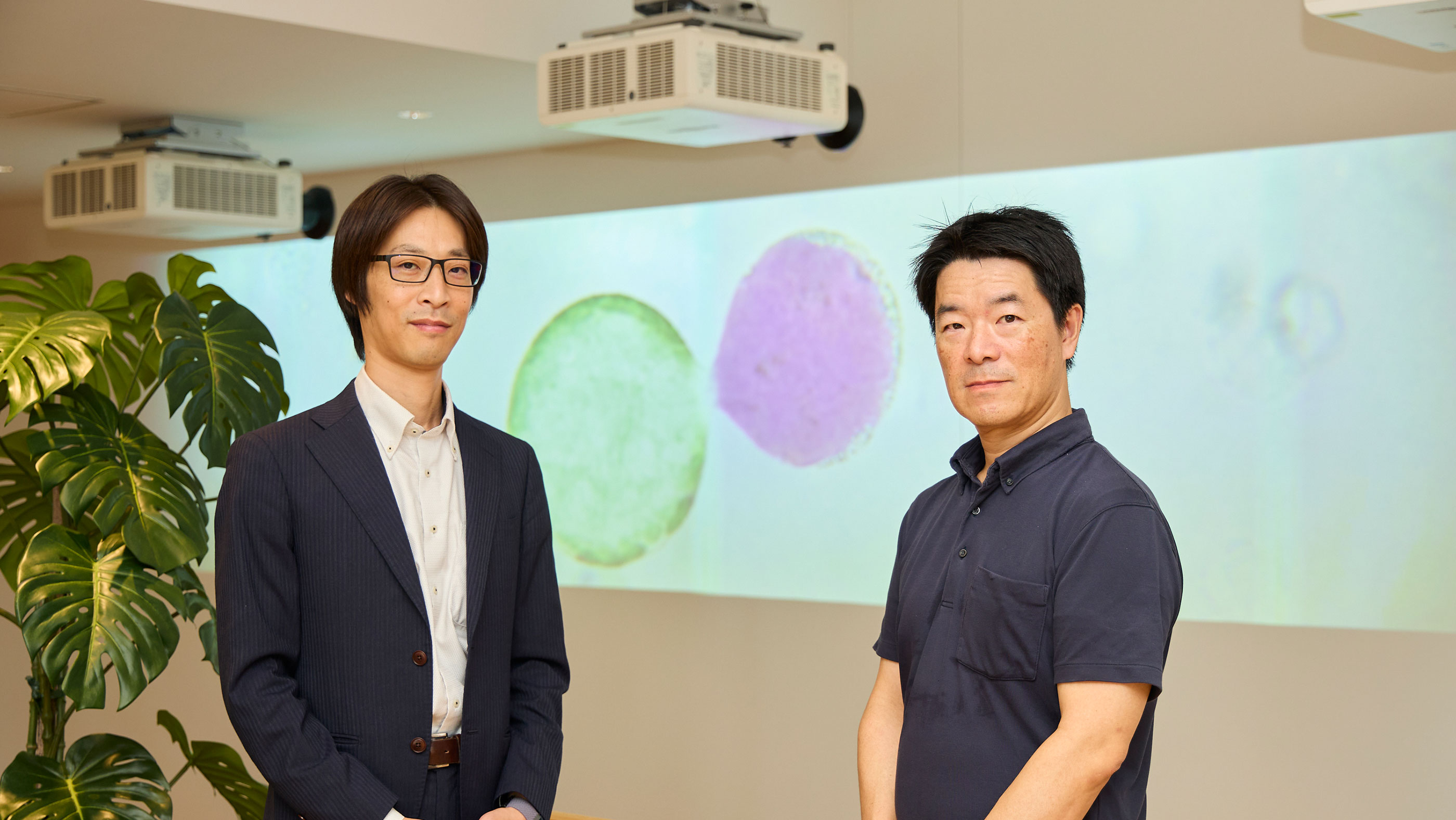
"When we observe cells with the latest equipment, we can visually see whether they are growing comfortably. Cells actually 'walk.' They stretch their legs and move little by little, searching for a place that suits them."
With a smile, Haneda explains the behavior of the cells. He says that the moment the cells began to move in the video, as if "checking out the floor," he was certain that his challenge had come to fruition.
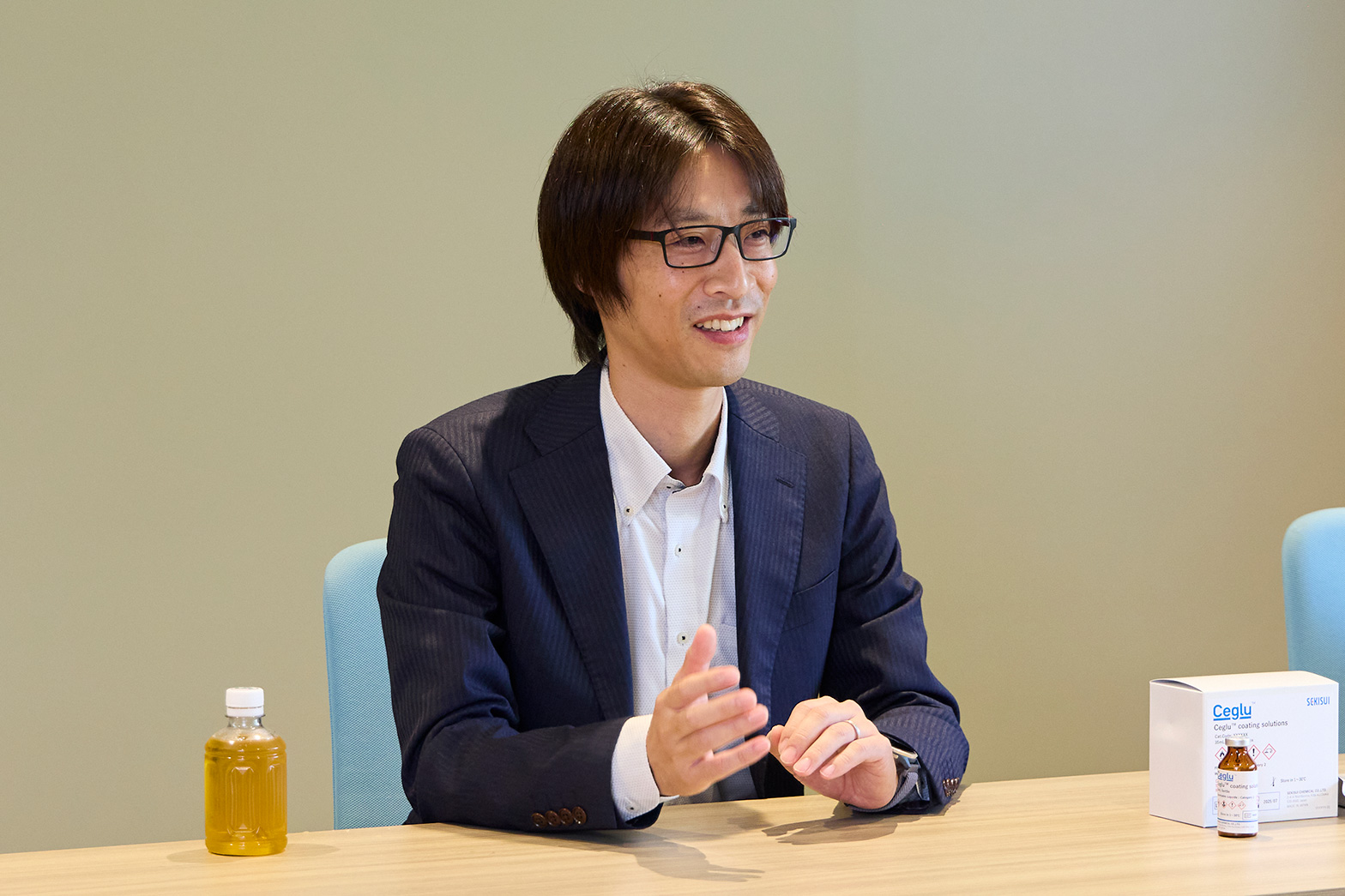
Satoshi Haneda, Project Head/Principal Researcher, Cell Regulatory Materials Project
What kind of trust has academia proven? Expectations that transcend the valley and spread globally.
The development of "Ceglu ™" was supported by Sekisui Chemical's corporate culture and its industry-academia network. "Although it was cell culture, it was initially a completely unknown field even within the company," Haneda recalls. SEKISUI CHEMICAL Group has leveraged its plastic design and molding technology to produce numerous materials that support social infrastructure, such as laminated glass interlayers for automobiles and adhesives for LCD displays.
Haneda was also a researcher involved in electronic materials and resin technology for automobiles, but in 2017, driven by the desire to create new value for society through Sekisui's technology, he stepped into an unknown Life Science.
For chemical manufacturers, entering the biological field is by no means easy. However, Sekisui Chemical has a culture where even young employees can propose their own themes, take on challenges without fear of failure, and engage in trial and error. Under this culture, Haneda collaborated with academia such as Kyoto University, engaging in repeated discussions to advance the verification and quality evaluation of cell culture. In particular, joint research with Kyoto University confirmed the stability of cell quality and demonstrated that there were no problems at the DNA level.
In 2024, Hideki Hanaoka of Sekisui Medical joined the project, accelerating efforts toward market implementation. Hanaoka recalls, "This project had two 'valleys'."
"The first hurdle is the transition from development to product commercialization. The second is the hurdle of getting the product widely adopted in society. Mr. Haneda and his team have already overcome the first hurdle. What we at Sekisui Medical are now tackling is the next hurdle—the phase of how to create an environment where using the product becomes commonplace."
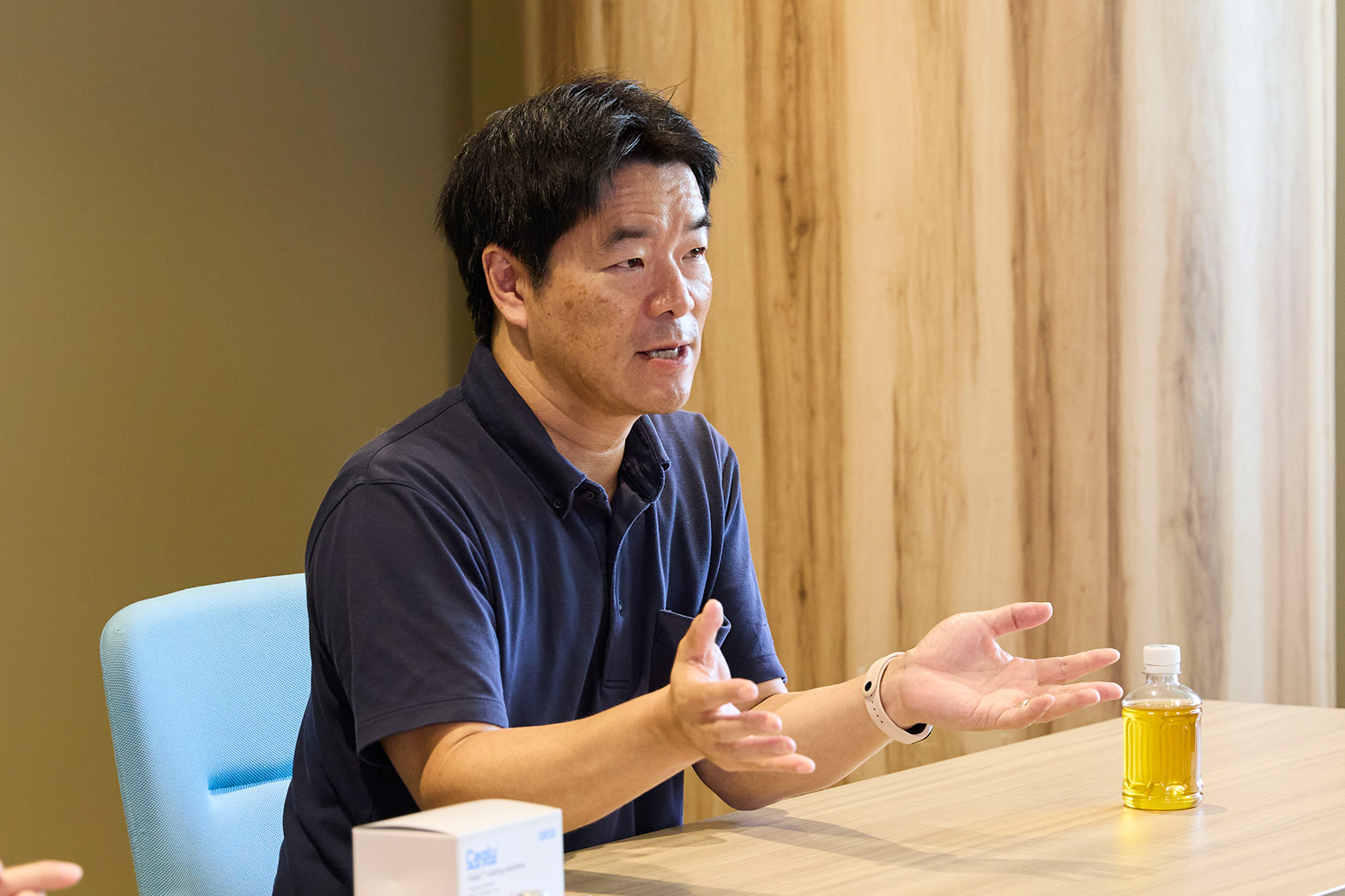
Hideki Hanaoka, General Manager, Culture Materials Business Planning Department, Drug Discovery Support Business Promotion Division, Medical Business Unit
Shinichiro Ogawa, associate professor at the University of Toronto School of Medicine, which boasts one of the leading hospital networks in North America, and also a specially appointed professor at Shinshu University School of Medicine, evaluates this challenge, which aims to bridge the gap to industrialization by bringing together knowledge and technology from different fields, from the perspective of medical research.
"Ideal cell culture means being able to grow cells with consistent quality every time. Our laboratory tests of 'Ceglu ™' confirmed that it offers culture performance equivalent to or better than conventional materials. It also showed high reproducibility in indicators such as liver cell differentiation, albumin production, and metabolic activity, giving us the confidence that we have solved one of our long-standing challenges."
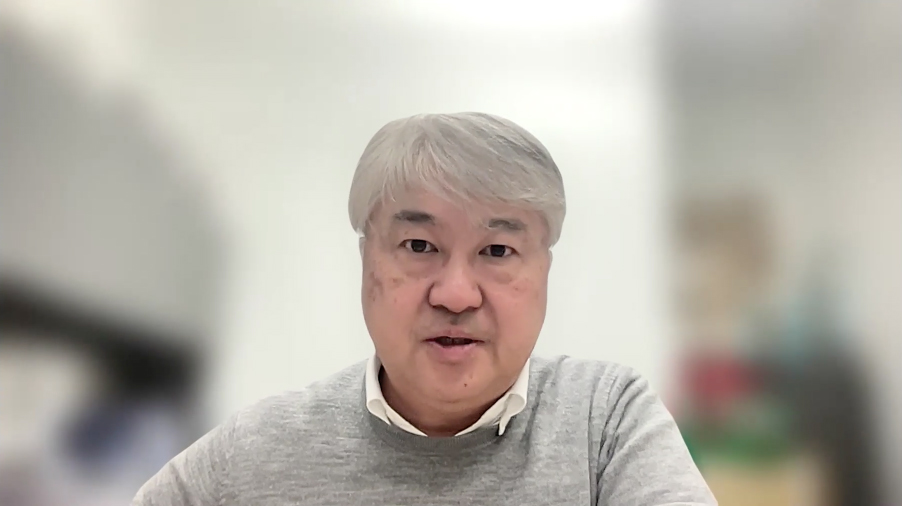
Shinichiro Ogawa, Specially Appointed Professor, Faculty of Medicine, Shinshu University
Furthermore, Professor Ogawa expressed his strong expectations for the potential of "Ceglu ™" and its possibilities in the medical field, saying:
"If we can use fully synthetic polymers as scaffolding materials, it will be a big step forward in terms of safety and cost. It will also become easier to meet proper manufacturing standards, and the path to clinical application will become clearer. If the foundation for growing cells changes, the speed of medicine will also change. This is good news for researchers."
Towards a new standard that will support the future of healthcare. The new map drawn by "Ceglu ™"
The arrival of "Ceglu ™" has brought about a definite change in the research field. The emergence of chemically synthesized polymers as a new option in the world of cell culture, which had previously been limited to animal-derived materials, has attracted attention from many quarters. Hanaoka discusses the response.
"We've received inquiries from pharmaceutical companies and equipment manufacturers exploring applications beyond culture plates, such as, 'Can we place cells on this material?' or 'Can we use this in this process?' It's safe to say that scaffolding materials are bringing a new perspective to the way cells are manufactured."
Haneda established a marketing base in the United States and, while visiting research facilities in North America and Europe, he felt firsthand the passion of local researchers and manufacturers.
"Local researchers were open to new materials. We had the opportunity to collaborate with several partner companies and academia, and as regenerative medicine manufacturing facilities are being established one after another, there are cases where 'Ceglu ™' is being considered as a candidate from the initial stages of development. What we have been aiming for is not just research and development, but implementation that functions reliably in the manufacturing field."
Even in cell manufacturing facilities, the presence of "Ceglu ™" is creating new possibilities. Nikon Cell Innovation (NCLi), which handles contract manufacturing (CDMO) for regenerative medicine and cell-based therapies, is working with Sekisui Chemical to conduct verification with a view to introducing it into actual manufacturing lines.
"As a CDMO for regenerative medicine, we provide comprehensive support from development to mass production and commercialization. Reproducibility and stability are particularly challenging. Variations in cell proliferation and function are greatly influenced by differences in the culture environment and surface materials. We see great potential in chemically designed materials like 'Ceglu ™' to minimize variations in the manufacturing process," says Masaharu Iwase of NCLi.
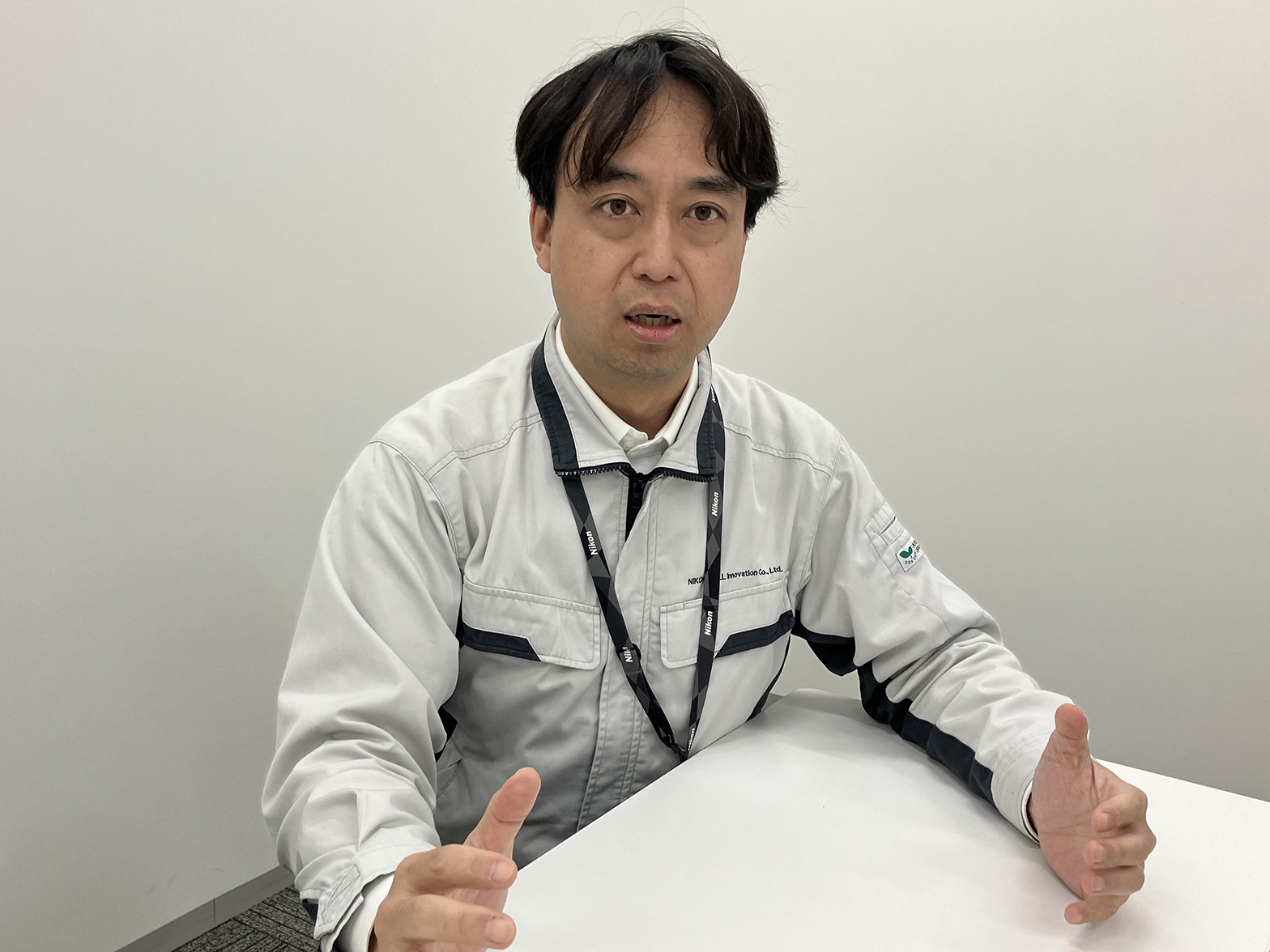
NCLi, with its focus on the manufacturing floor, is paying attention to the rationality and consistency of "Ceglu ™". Mr. Iwase continues:
"The ability to consistently use the same materials from the research stage all the way to the manufacturing scale is extremely important. By simplifying the manufacturing process and ensuring reproducibility, we can create a system that can withstand mass production. Lower development costs mean lower drug prices. In other words, we can reduce the cost of the medical treatment itself that reaches patients. We believe that this standardization of manufacturing is essential to expanding regenerative medicine from specialized treatments to routine medical care."
Furthermore, Mr. Iwase outlines the next stage that will be brought about by the co-creation of research and industry.
"It is important to shorten the process until commercialization and establish a platform that can reliably implement it. Surface coatings and scaffolding materials are crucial parts that support that foundation. Going forward, we will enter the scale-up phase for actual manufacturing lines. Including SEKISUI CHEMICAL Group, we want to find the optimal solution through open discussions with our partners. We hope to draw a co-creation circle where research, manufacturing, and companies collaborate openly and mature as an industry."
As he promotes co-creation with partner companies and academia, Haneda describes his mission from research to implementation as follows:
"Until now, SEKISUI CHEMICAL Group has supported social infrastructure such as housing and infrastructure. Now, that technology is evolving into creating 'medical infrastructure that supports life.' We want to create something that directly supports people's quality of life with our technology. That is the origin of this research."
Hanaoka, who oversees the global market and supports research and development, is also looking ahead to the future.
"For regenerative medicine to become widespread, we need to be able to manufacture cells without requiring the skills of master craftsmen. We want to create a world where cells of consistent quality can be supplied no matter where they are made. We hope to transform cell culture, which has so far relied on the skills of experts, into a highly reproducible industrial process."
The key to this transformation lies in standardized materials like "Ceglu ™". As Haneda mentioned, collaborative research and demonstration projects are starting in various countries, and innovation in materials is poised to redraw the map of the cell industry. Professor Ogawa describes this trend as follows:
"If chemically designed scaffolding materials become widespread, without relying on animal-derived materials, the rules for research and manufacturing involving cells will become clearer. The emergence of new materials like 'Ceglu ™' and the resulting standardization of materials are of great significance in terms of both safety and reproducibility."
What's important is to uphold ethics, establish scientific standards, and communicate clearly to society. Only when these three things are in place will regenerative medicine evolve from a specialized medical treatment to an everyday one. I see that future as a reality."
From attempts to support the very foundations of cells, we can glimpse the future of regenerative medicine. When the passion of developers for craftsmanship and the wisdom of researchers converge, "materials" quietly reshape the future of medicine.