[World's First] Creating an "unbreakable blood collection tube" and moving on to the next challenge.
公開日:
What thoughts and stories were behind its development?
How will that connect to the people and societies living on Earth?
"SEKISUI | Connect with" is a future-creating media platform that connects you with Sekisui Chemical.
- "Unbreakable blood collection tubes" protect healthcare workers from the risk of infection.
- Next-generation blood collection tubes solve another social problem.
- And now, a challenge in a new field.
- Research and development and manufacturing are working together to deliver "the gateway to testing = vacuum blood collection tubes" to society.
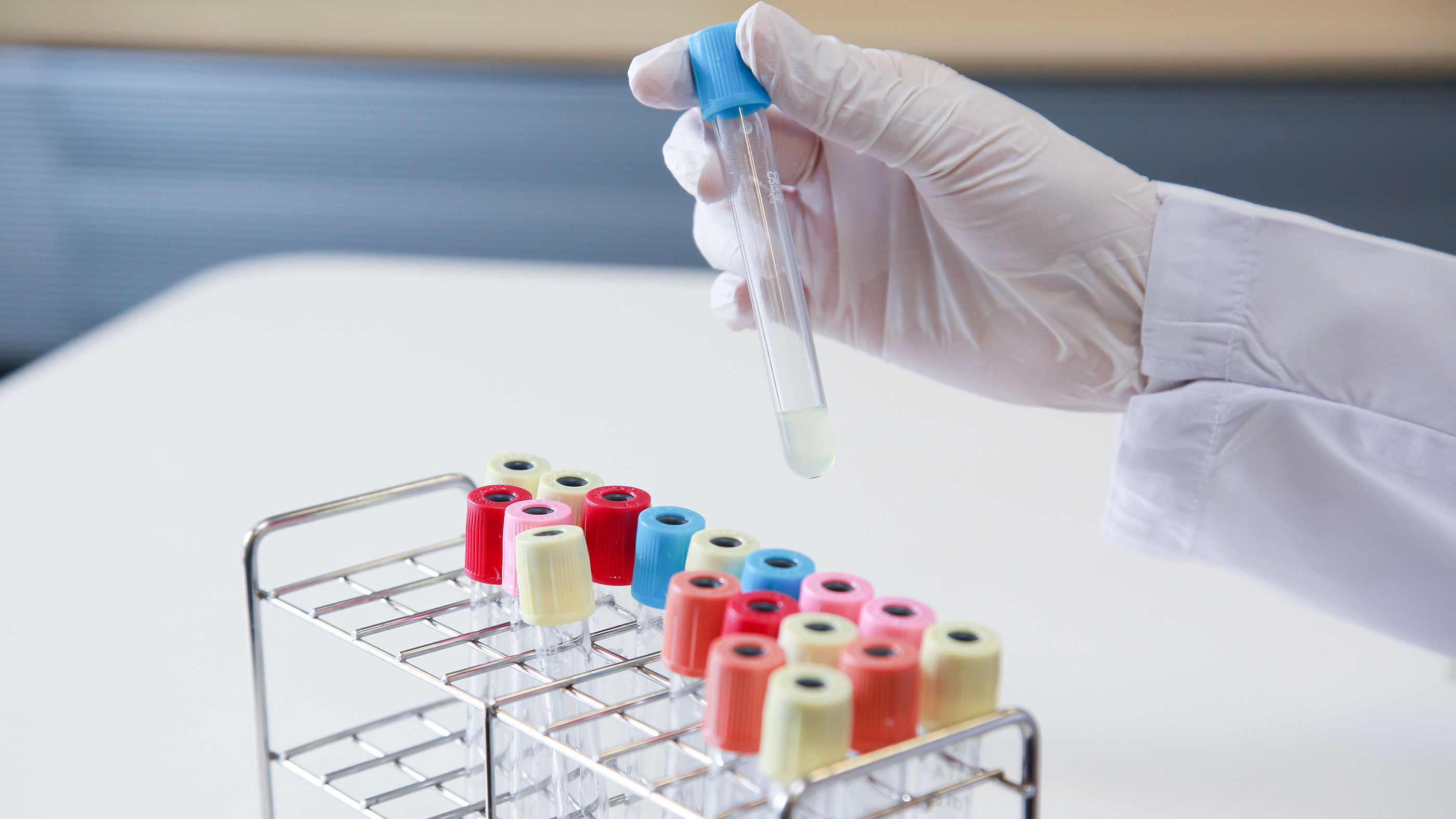
Many people have probably seen multiple blood collection tubes changed during procedures like medical checkups while the needle was still inserted. The reason blood is naturally drawn up each time the tube is replaced is because the pressure difference inside and outside the tube is used for suction. The reason for changing multiple tubes is that the chemicals in the tube vary depending on the test content. Most current blood collection tubes are plastic, but SEKISUI CHEMICAL Group was the first in the world to put them into practical use.
"Unbreakable blood collection tubes" protect healthcare workers from the risk of infection.
"Since 1979, a medical project was launched to develop new products in the field of clinical test reagents based on SEKISUI CHEMICAL Group 's foundational polymer formulation technology. At that time, all blood collection was done using glass blood collection tubes."
This is said by Hironobu Isokawa of Sekisui Medical Tokuyama Factory, who has long developed vacuum blood collection tubes in SEKISUI CHEMICAL Group. The mainstream glass tubes were damaged during inspections due to drops and risk of infection caused by blood splattering, leading to a growing demand for strong, unbreakable blood collection tubes.
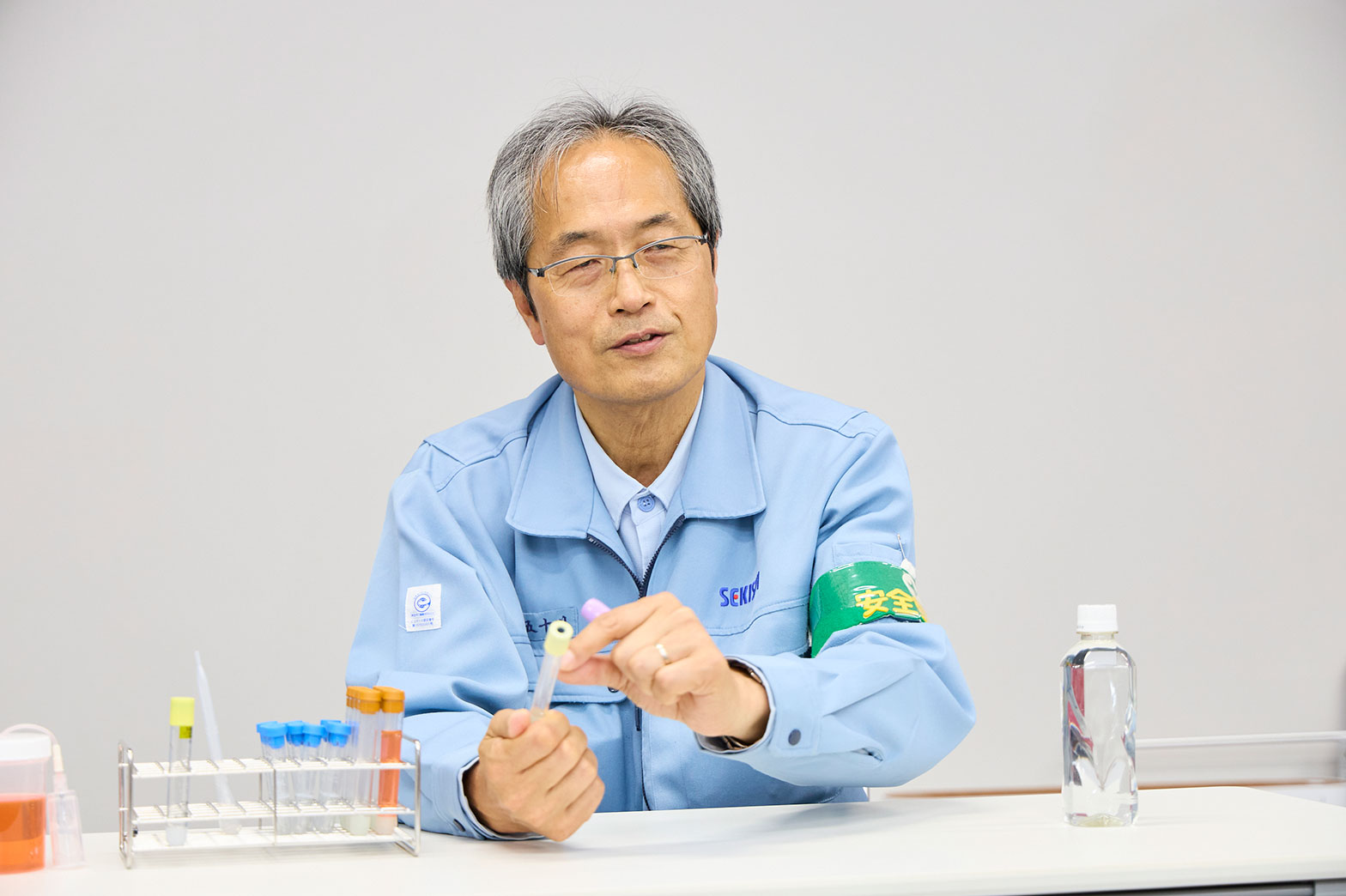
But why were blood collection tubes made of glass? Apparently, due to the nature of vacuum blood collection tubes, functions such as maintaining a vacuum and accelerating blood coagulation are required, and glass is said to be particularly effective in these areas.
"At the time, plastic presented numerous problems, such as difficulty in maintaining a vacuum and the risk of blood adhering to it. However, recognizing it as a societal issue, we tackled the challenge with the determination to bring a new blood collection tube to the world."
Where can we find a suitable material for blood collection tubes? After a long search by the team, they discovered PET (polyethylene terephthalate) resin. It's now a familiar material used in so-called plastic bottles. It has good transparency and excellent chemical resistance.
"We've found the material. However, the problem of blood easily sticking to it hasn't been solved. So, we're going to apply a coating to the inside that gives it properties similar to glass."
This utilized SEKISUI CHEMICAL Group 's expertise in shaping plastics into elongated shapes and film formation techniques.
When the medical project was first launched, there were no blood-related specialists within the company, so development was a process of trial and error.
"As a result, we succeeded in accelerating blood coagulation by using our own independently developed blood coagulation accelerators in combination. Furthermore, serum separators are an important component of blood collection tubes."
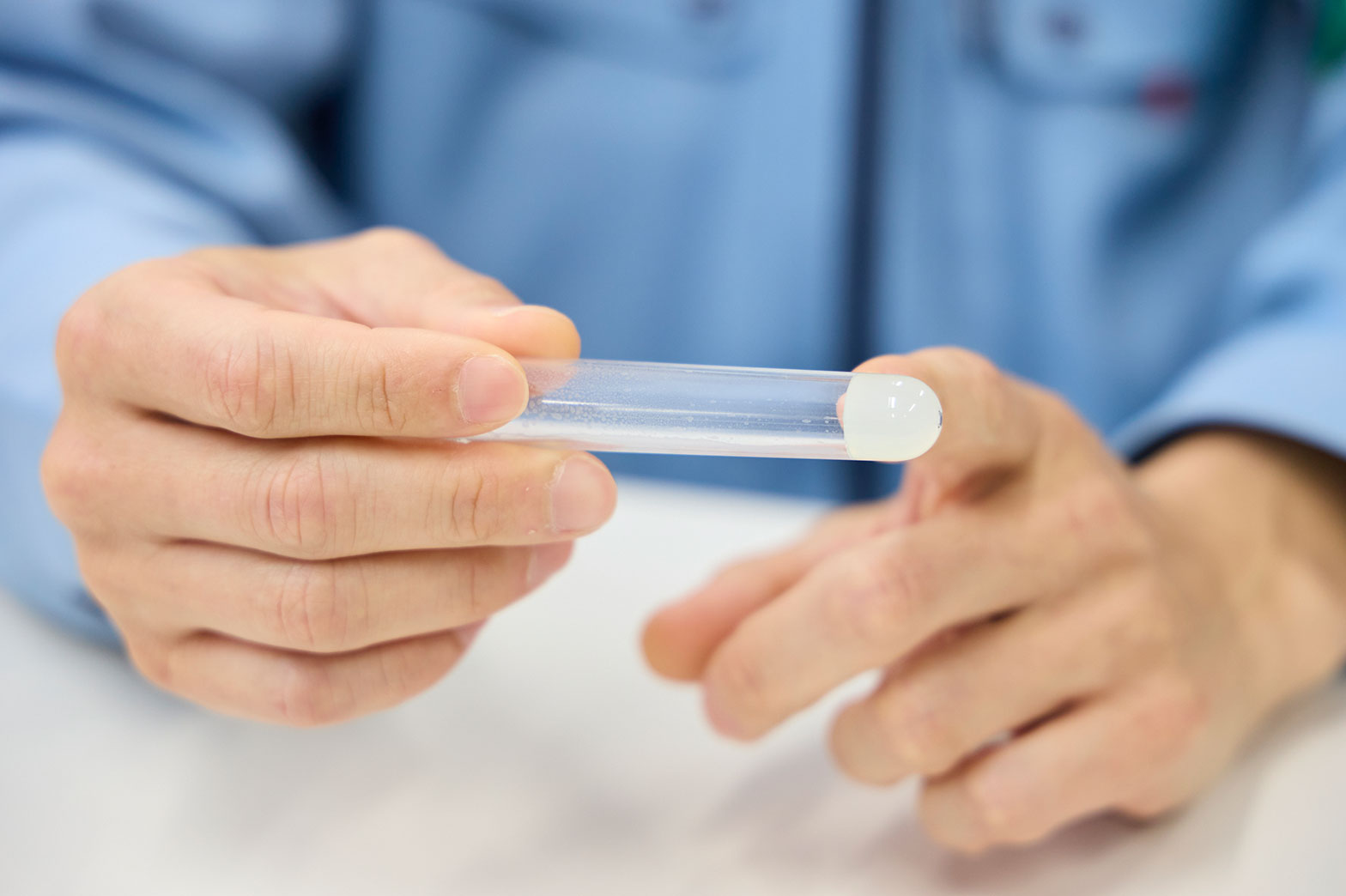
At the bottom of the vacuum blood collection tube that I was shown, there was a cloudy white substance. This is the serum separator. When blood is centrifuged after collection, it separates into serum components, which have a lower specific gravity, and blood clot components, which have a higher specific gravity. At this time, the serum separator gets in between the serum components and the blood clot components, creating a barrier, which allows for the stable collection of serum components necessary for blood tests.
The separating agent must be solid under normal conditions but soften upon centrifugal separation. This required highly advanced formulation and production technologies.
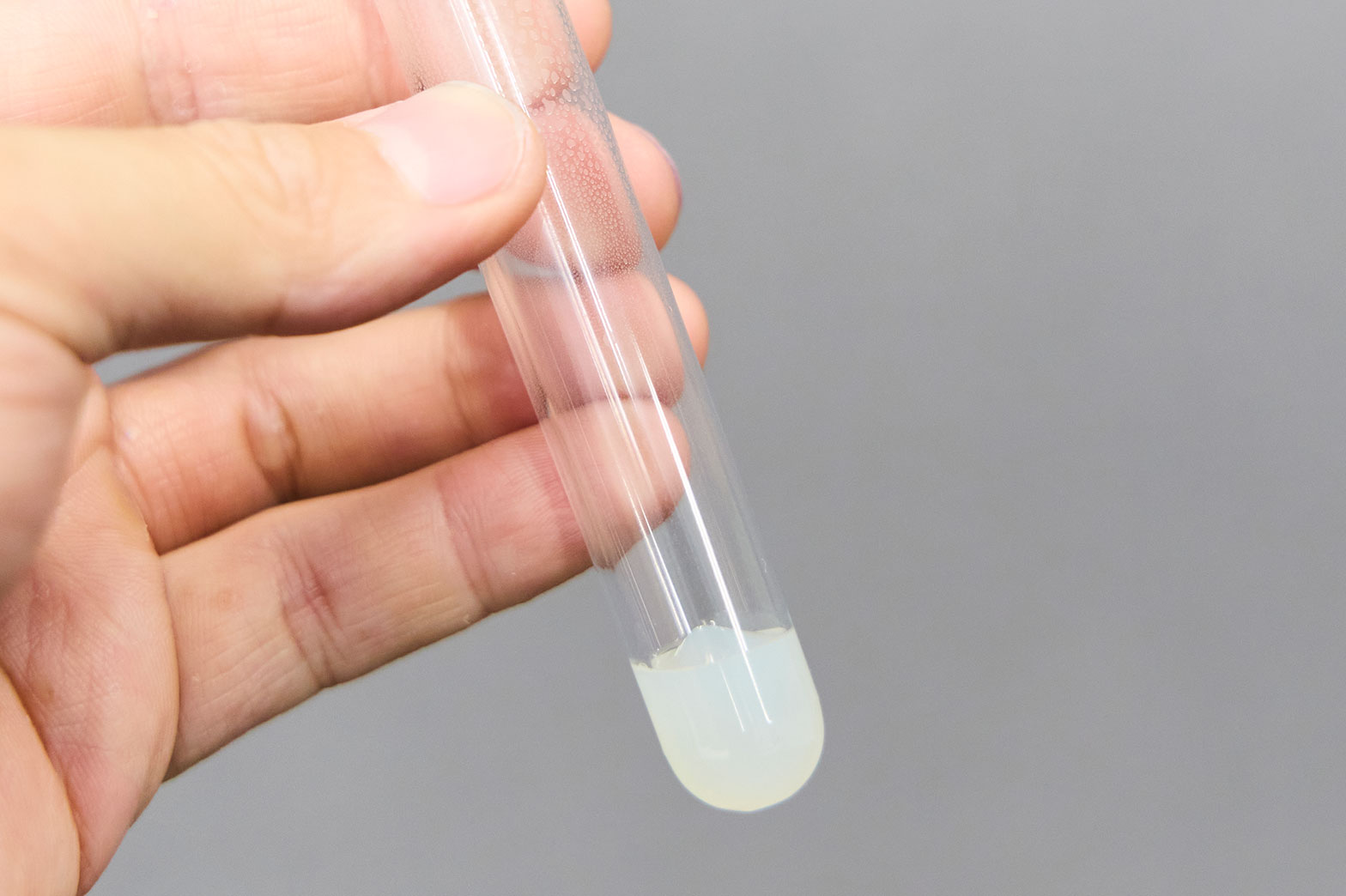
Thus, the world's first unbreakable plastic vacuum blood collection tube, "Insepack," was born. This was in 1985. As its use spread, plastic vacuum blood collection tubes are now the mainstream. In 1990, its achievements were recognized, and it received the Science and Technology Agency Director-General's Award.
Next-generation blood collection tubes solve another social problem.
"Since the launch of Incepack, SEKISUI CHEMICAL Group 's medical business has expanded its business areas, but research and development of Incepac has also continued at the same time.
"In the past, some people may have been told, 'The results will be available next week, so please come back.' This is because blood clotting and other factors take time to process."
This is according to Tomomasa Inoue, head of the PAS Development Group at Sekisui Medical's Basic Research Center.
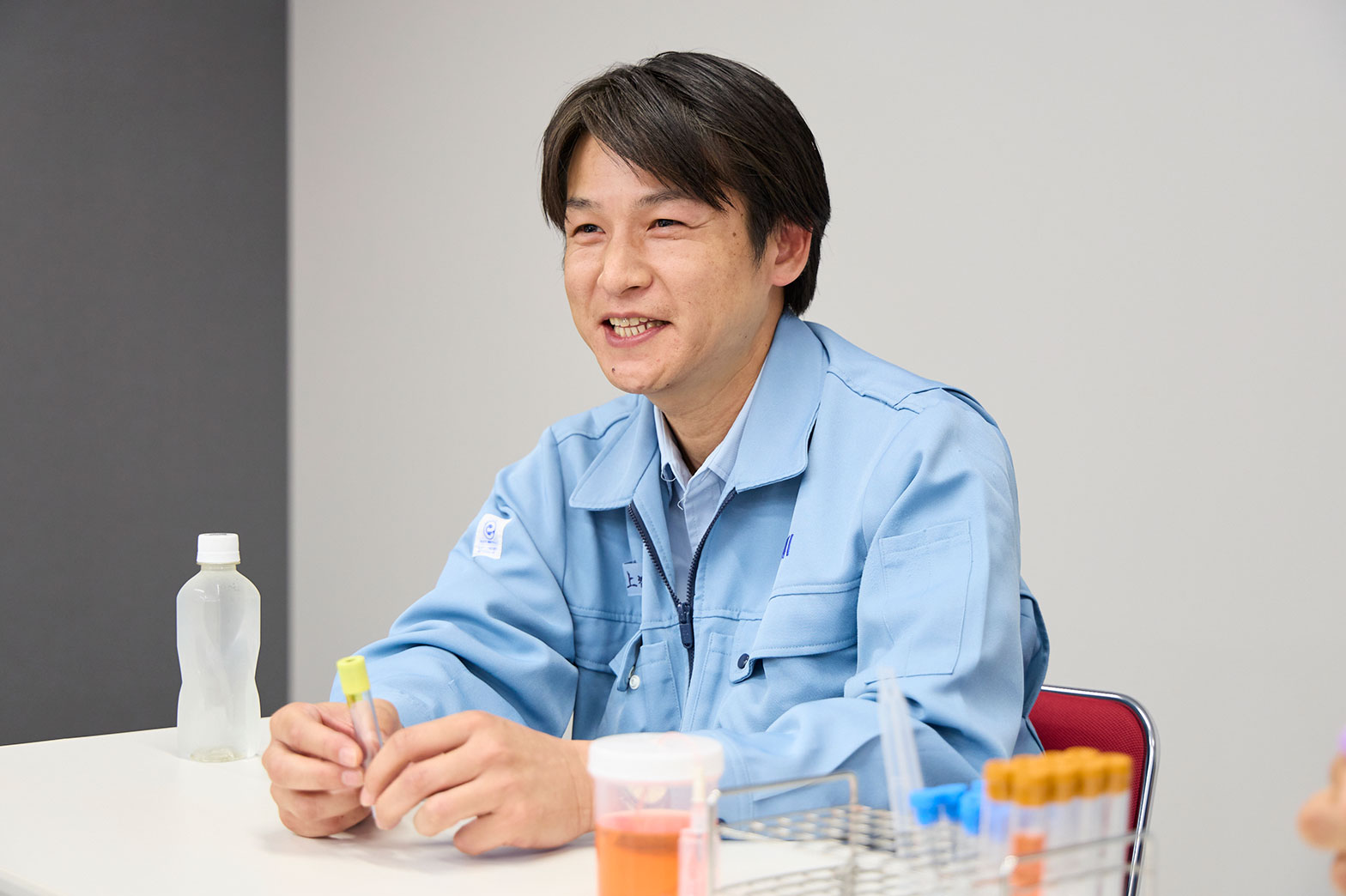
"We wondered if we could speed up blood coagulation to reduce this time lag. So we conducted research and developed our own high-speed coagulation accelerator. Centrifugation requires blood to coagulate first, but this reduces that waiting time."
This is the "Insepack-SQ/SQH series," a high-speed coagulation type blood collection tube that appeared in 1997.
"Nowadays, some tests provide results on the same day."
From the medical institution's perspective, there was a need to provide test results as quickly as possible so that any problems could be addressed immediately. Patient satisfaction would also naturally increase if they could find out the results on the same day. Initially, the goal was to transition from glass tubes to plastic ones, but the use of rapid coagulation accelerators also contributed to solving another problem (shorter testing times).
Currently, the "Insepack-SQ/SQH series" has evolved into the "Insepack II-SQ/SQH series," which is said to reduce the processing time to one-third of that of the standard coagulation-accelerating type "Insepack II-CG series" (the successor to "Insepack").
And now, a challenge in a new field.
SEKISUI CHEMICAL Group, which introduced the fast-solidifying type, continues to take on challenges in new fields. Inoue speaks.
"Together with Isogawa and others, we launched a plastic vacuum blood collection tube for the genetic testing field last year, utilizing the separation agent formulation technology we have cultivated over the years. We would like to start by popularizing this product in Japan."
Genetic testing analyzes the genome and gene composition to determine if any mutations have occurred in specific genes, and to analyze a person's constitution and susceptibility to certain diseases (such as hereditary disorders) (risk of developing the disease).
SEKISUI CHEMICAL Group 's medical business consists of the "Testing Business," mainly engaged in the development, manufacturing, and sales of clinical test reagents and automated analyzers; the "Pharmaceutical Business," which undertakes contract manufacturing of pharmaceutical active ingredients; the "Drug Discovery Support Business," which supports R&D for pharmaceutical companies; and the "Enzyme Business," which manufactures test reagent raw materials and recombinant protein contract manufacturing. It is said that half of its sales come from overseas markets. That is why we also notice overseas trends.
"In Europe and the United States, genetic testing is actively used for cancer screening and other purposes. However, glass tubes are the mainstream for collecting blood in these tests. So, in order to enter a new market, we developed and launched a new vacuum blood collection tube."
How are these tests performed? For example, there are tests (new prenatal diagnostic tests) that measure the concentration of cell-free DNA (cfDNA) in the blood and analyze gene sequences to determine early cancer risk, cancer status and treatment plan, and disease risk due to chromosomal abnormalities. Generally, in healthy individuals, the concentration of cfDNA in the blood rarely exceeds a certain range. However, in cancer patients, the concentration of cfDNA tends to rise above a certain range. Furthermore, it is possible to find beneficial treatment methods for patients based on information from their gene sequences. Therefore, this measurement is considered useful.
"To stably separate the cfDNA in this plasma, a new separation agent will be needed. Furthermore, the stabilizing solution will also need to be changed."
The required blood condition varies depending on the test content. The same applies to genetic testing, where blood must be separated according to the test content. SEKISUI CHEMICAL Group is a rare company that develops both this drug solution and separation agent, while other companies focus on developing this solution. They also sell the separation agent as an OEM to other companies. Because they possess the know-how of both, they can take on new market challenges.
Research and development and manufacturing are working together to deliver "the gateway to testing = vacuum blood collection tubes" to society.
The world's first plastic vacuum blood collection tube, the "InsePak" series, is manufactured at the Tokuyama factory in Yamaguchi Prefecture. Isogawa, Inoue, and others are also conducting research and development there.
"We have over 500 different product varieties, and we use multiple production lines depending on the type of product. We are currently operating at full capacity to meet the demand."
Tetsuya Sumikawa, who is the chief of the manufacturing department at the Tokuyama factory, explains.
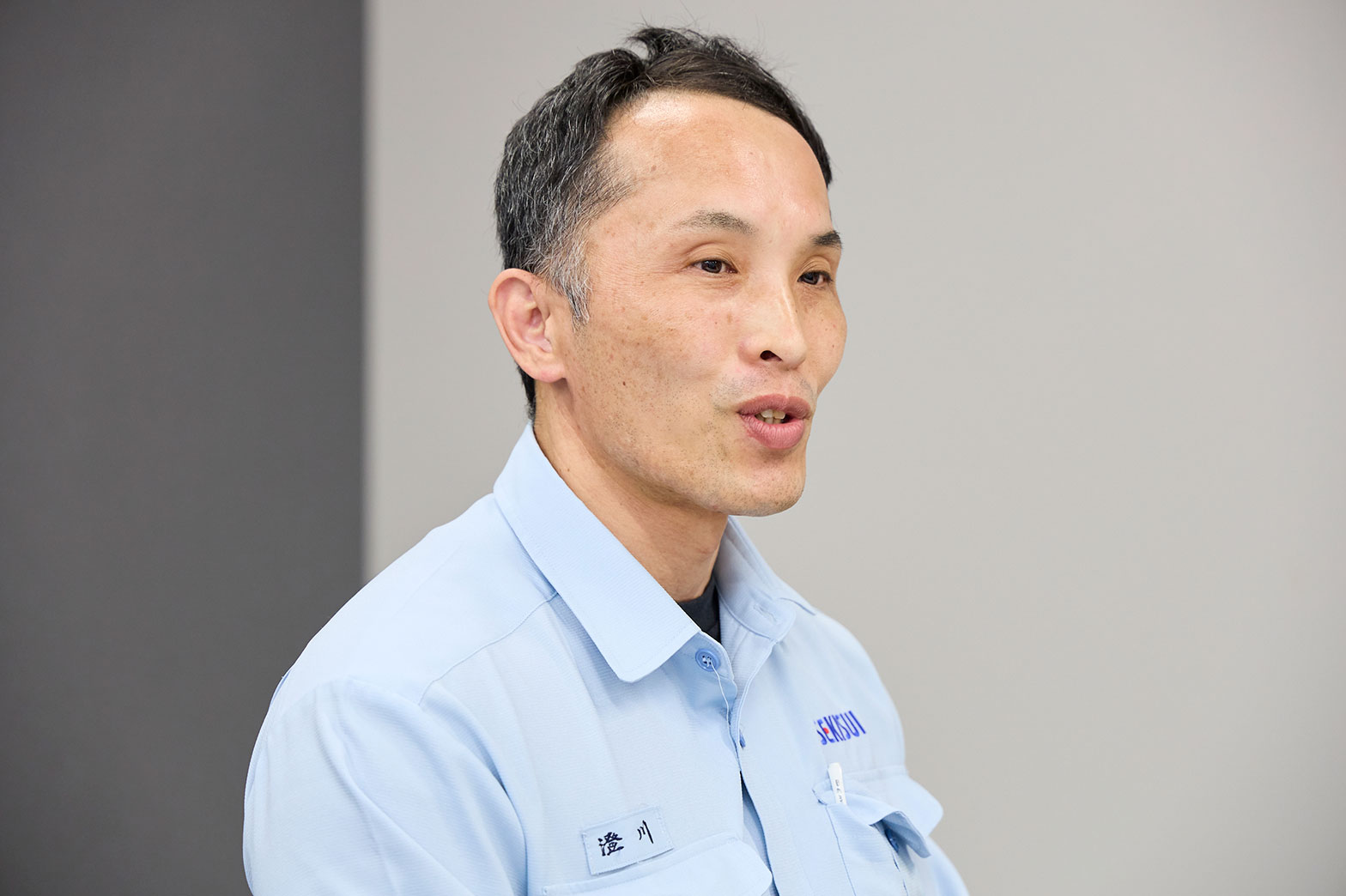
At the factory, we were shown how they apply coatings to prevent blood from sticking to plastic tubes, how they apply blood coagulation accelerators, and how they fill the tubes with separating agents.
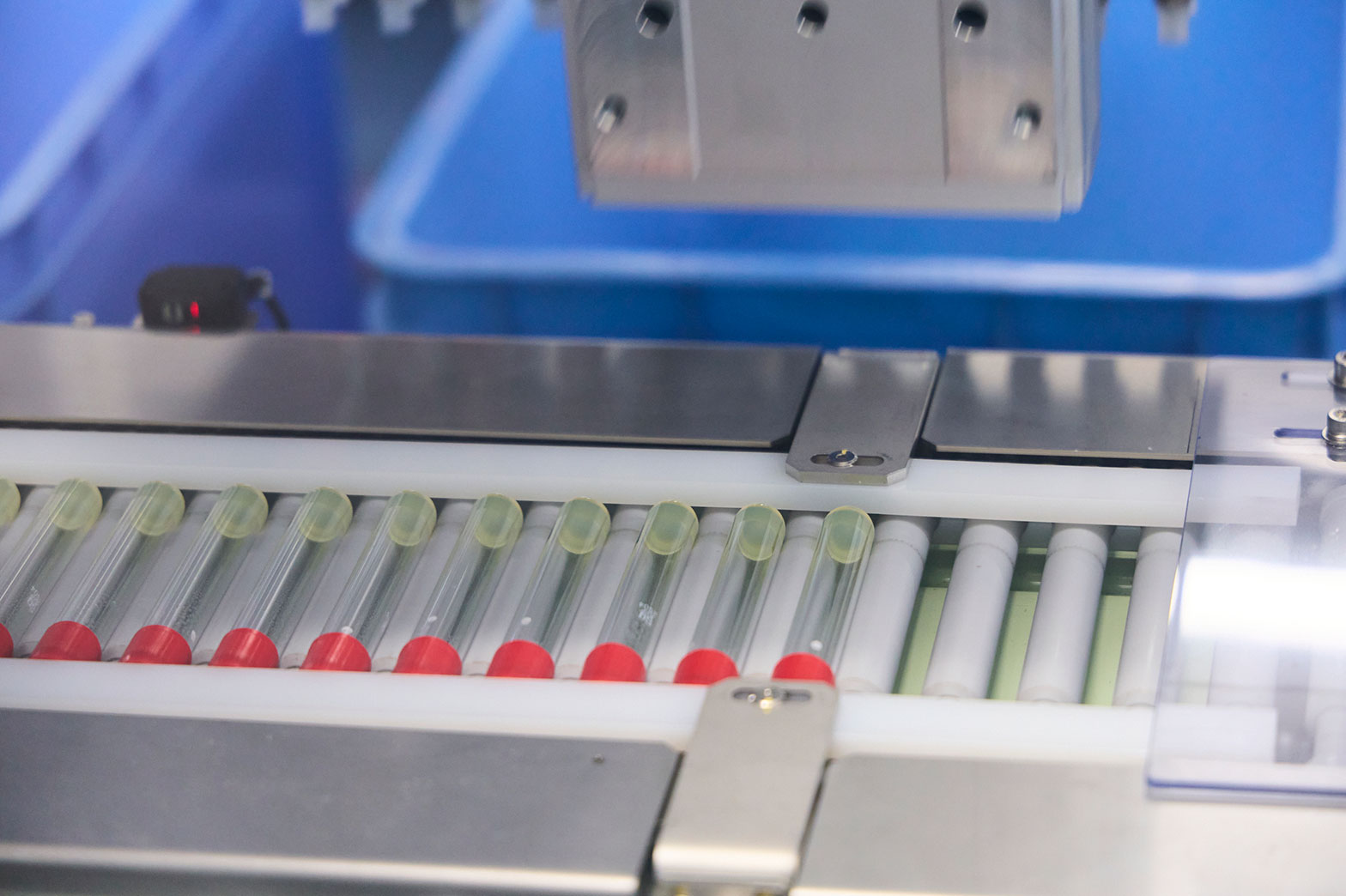
"We manufacture Insepack using our patented formulation technology. Demand is growing, so in order to increase production volume while maintaining quality, we are implementing on-site initiatives to eliminate waste and inconsistencies."
Sumikawa, who himself has experience as a production line manager, continues to work with the on-site staff to improve the group. His superior, Hironobu Uchiyama, the factory manager and production manager of Tokuyama Plant, who was also present, said the following:
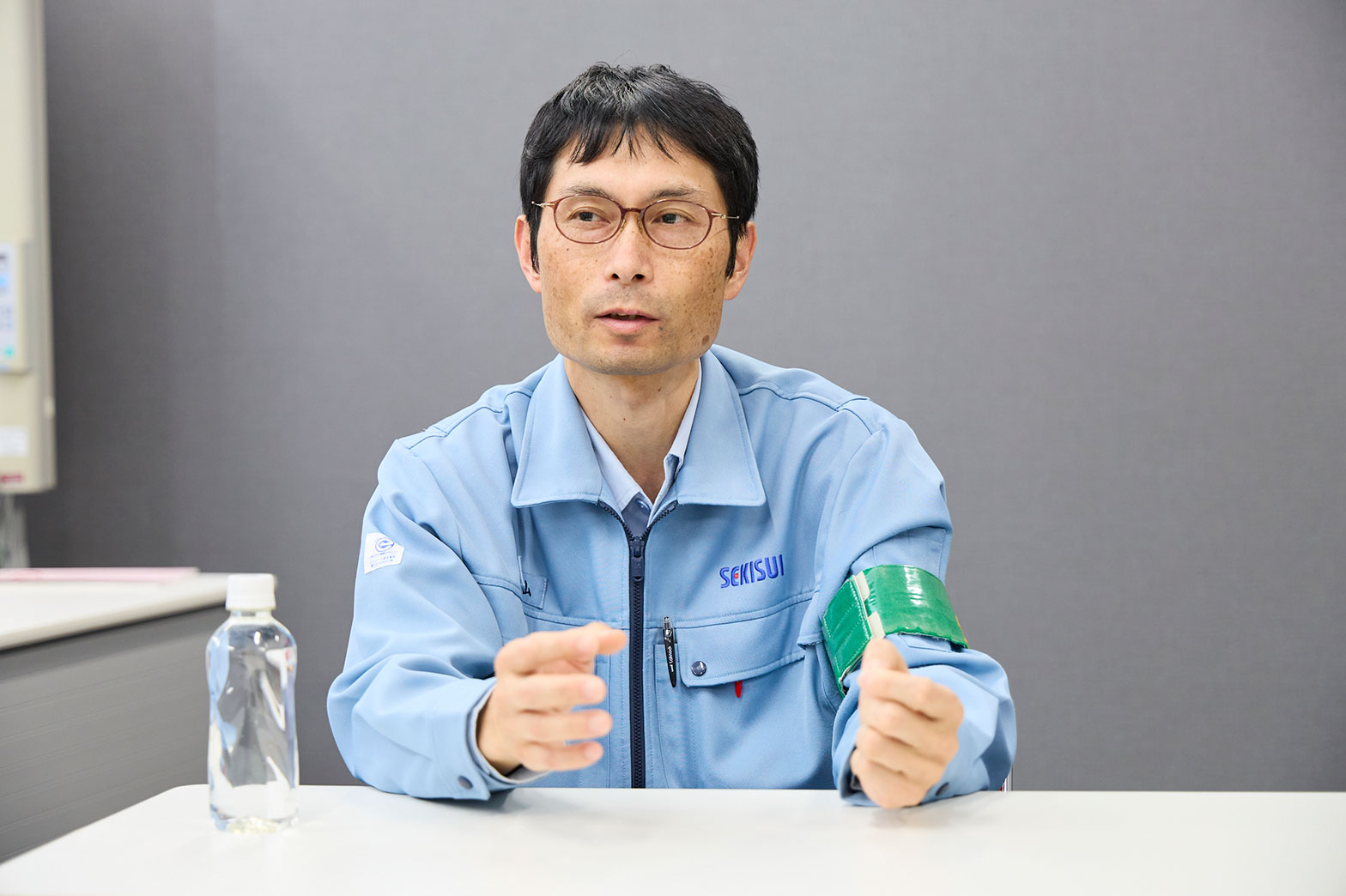
"Vacuum blood collection tubes are, in a sense, the entry point to medical testing. They are extremely useful to society, and the need for them continues to grow, so we must put in the effort."
That's why they also faced difficulties.
"One year at the end of the year, when we tilted a blood collection tube filled with a newly formulated separating agent, the separating agent leaked out. The separating agent is supposed to soften during centrifugation, and should be solid at this stage. This was strange. However, no matter how many times the factory staff checked, the same thing happened. So I talked to Isogawa and Inoue, we analyzed the problem, and made improvements. Before I knew it, the new year had arrived."
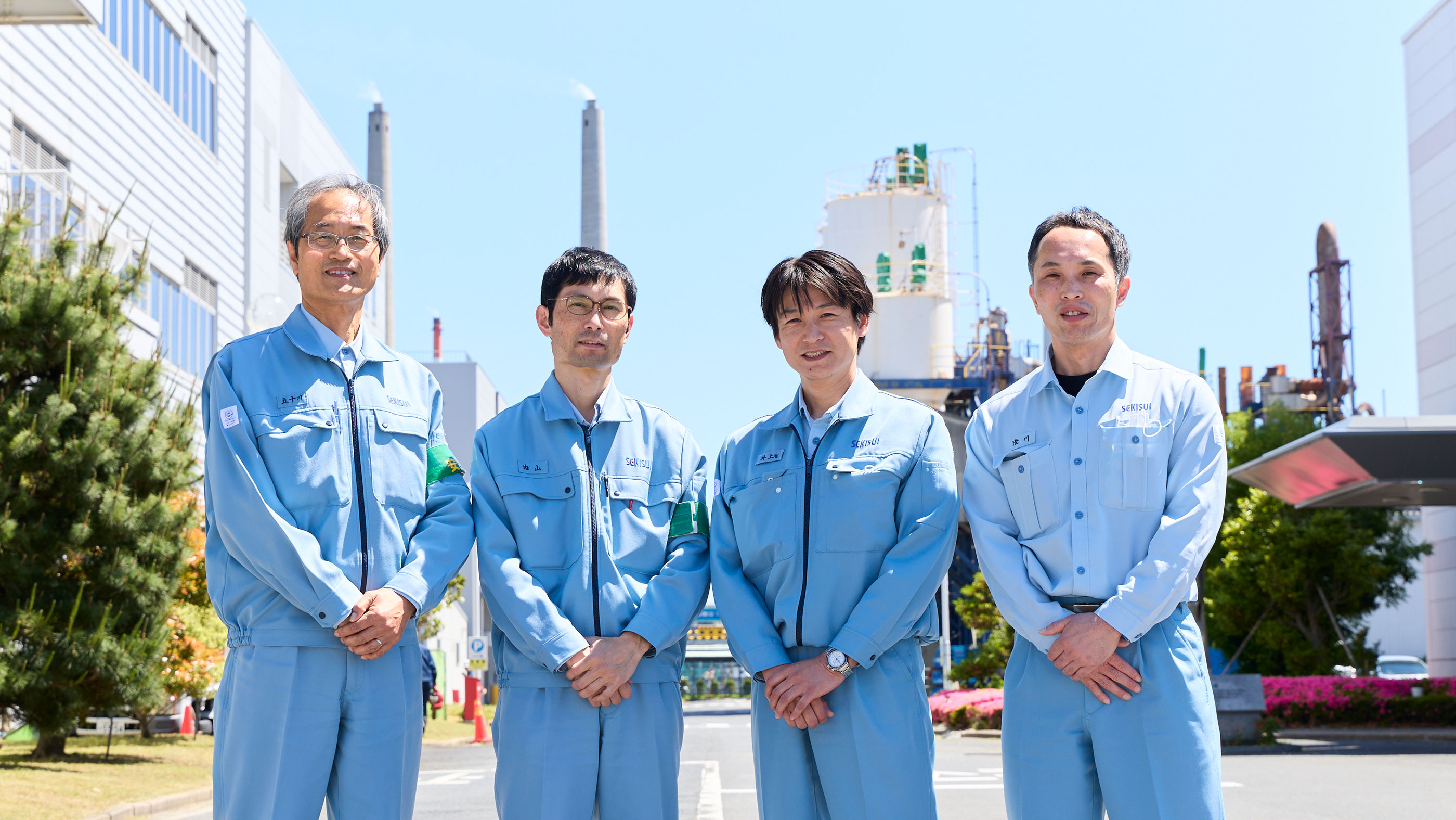
All four agreed that the strength lies in having research and development and manufacturing done together in the same facility. "Even if the R&D team creates something with a clear vision, unexpected things can happen when it comes to implementing it in the actual manufacturing process. We can then discuss these issues with the manufacturing team, and the R&D team can quickly make improvements."
The four are also undertaking various initiatives to popularize vacuum blood collection tubes for genetic testing. Isogawa, Uchiyama, and Inoue are members of academic societies related to genetic testing, keeping up with the standardization of testing and incorporating that information into their development and manufacturing processes.
"Domestic genetic testing is still in the early stages of standardization and specification, so we want to get involved from that stage, understand the needs, and use that to develop products," Inoue says enthusiastically. Their efforts to ensure people's health and peace of mind for the future seem to be leading to the next world first.
* "Incepack" is a registered trademark of SEKISUI Medical Co., Ltd. in Japan.