To reduce the burden of bathing assistance and support the independence of elderly residents: Adapting objects to people.
公開日:
What thoughts and stories were behind its development?
How will that connect to the people and societies living on Earth?
"SEKISUI | Connect with" is a future-creating media platform that connects you with Sekisui Chemical.
- The "2025 problem" refers to the event when approximately 8 million baby boomers will become elderly.
- It's not about "people adapting to things," but rather "things adapting to people."
- Adding a bathing lift eliminates the need to change vehicles from washing to bathing.
- It's a continuous process of trial and error, but we will continue to take on challenges to solve social problems.
"Japan has become a super-aging society, and the nursing care industry is facing numerous challenges. These include increased demand due to the declining birthrate and aging population, a worsening shortage of care workers, and equipment problems due to the increasing severity of conditions and physical size of aging users. We continue to take on these challenges in an aging society and the nursing care industry that supports it."
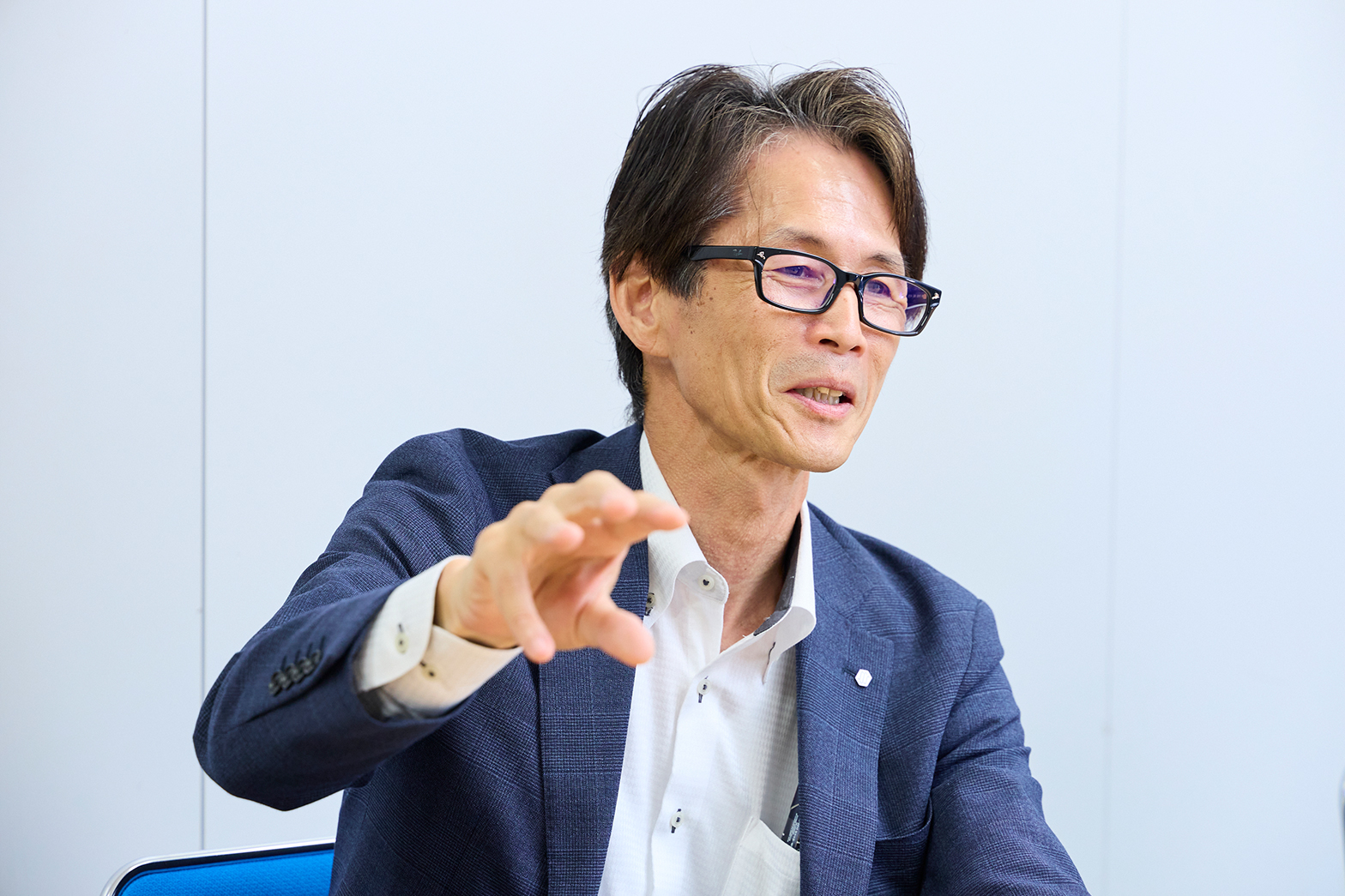
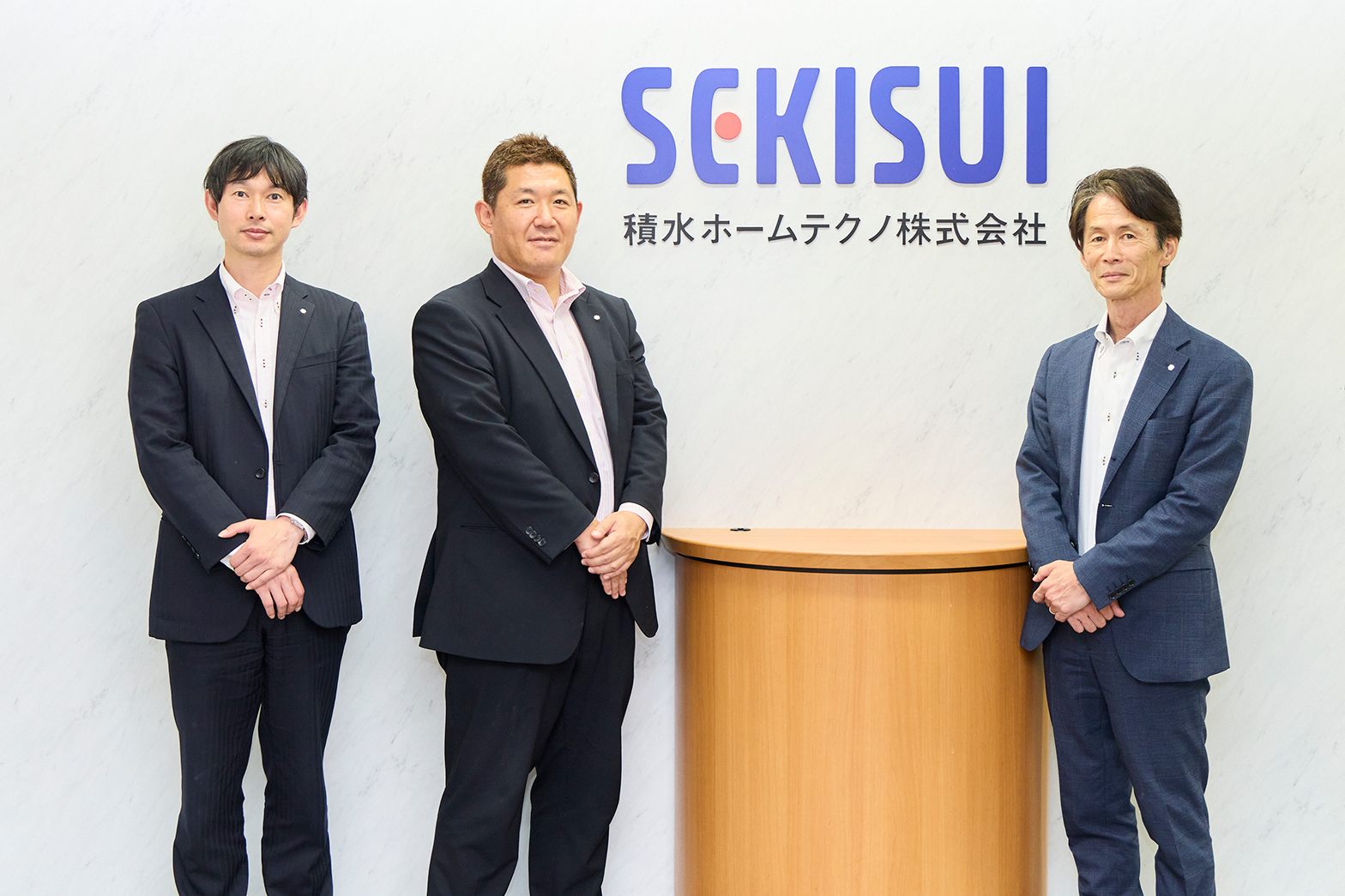
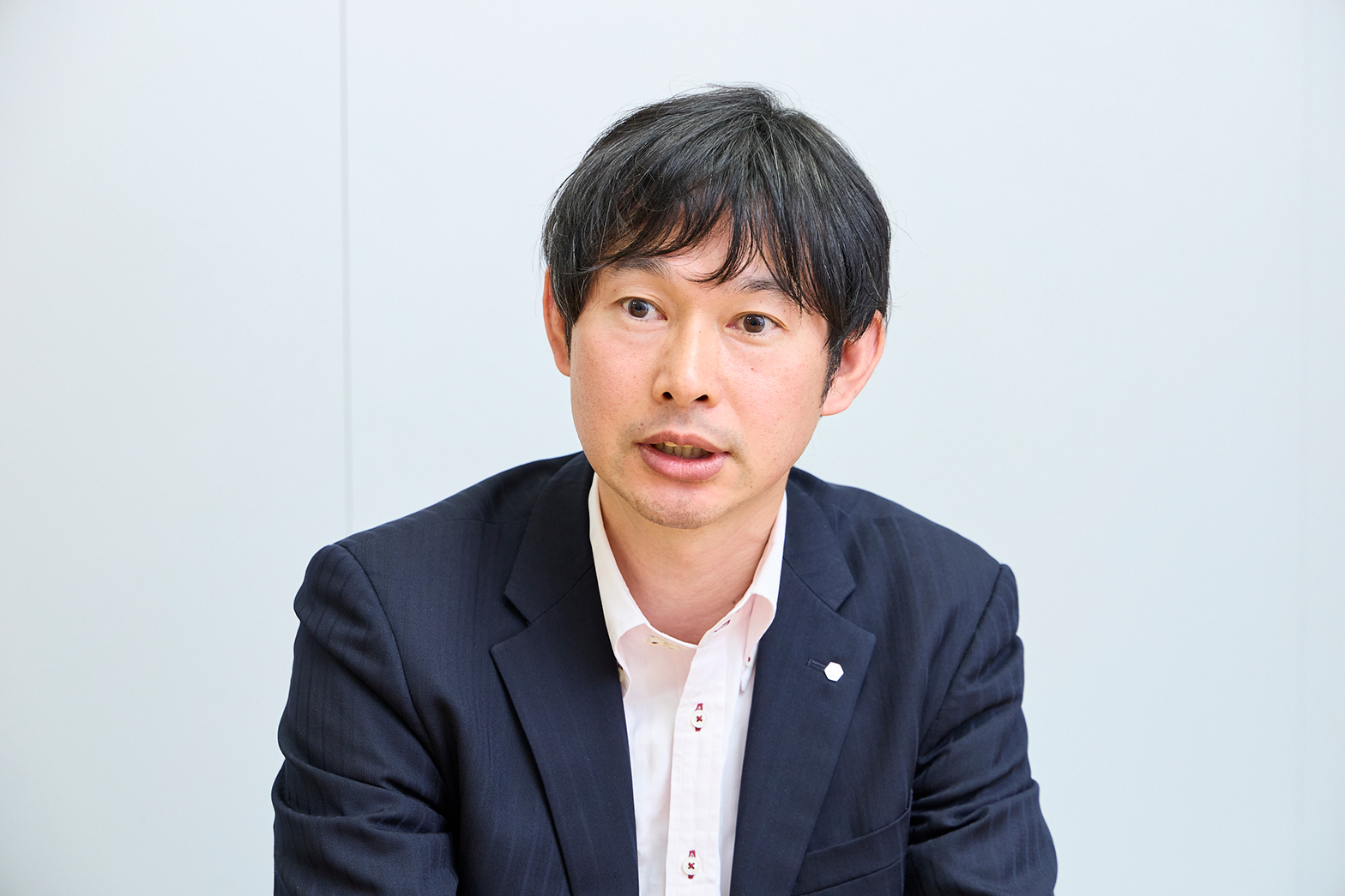
Yuji Yamagishi, General Manager of the Executive Officer Business Division and Head of the Wealth BU of Sekisui Home Techno, speaks. The company is headquartered in an office building directly connected to Shin-Osaka Station. Right after entering the reception, there is a showroom in the bathroom, where I listened to their conversation. Nearby are Jun Moriya, Head of Development Planning Group in the company's Development Department, and Shinya Sato, a nursing care management consultant in the company's Management Planning Department Sales Planning Group.
"Our Wealth Business provides bathrooms for elderly care. Within the elderly care industry, we are addressing the challenges of reducing the burden of bathing assistance and the shortage of caregiving personnel."
The problems in the long-term care industry are not someone else's problem. Solving the challenges in this field is an urgent necessity if we want to be able to care for our parents or live out our own old age with peace of mind and well-being.
The "2025 problem" refers to the event when approximately 8 million baby boomers will become elderly.
2025 problem──.
This refers to 2025, when approximately 8 million baby boomers will be 75 years of age or older. Next year, Japan will enter a super-aging society where one in four people will be 75 years of age or older. The working population, which is responsible for supporting social security, will decrease, and an increase in social security costs and a shortage of funding are expected. In order to support this society with a smaller workforce, productivity improvements will be required.
"One of the reasons for the shortage of personnel in the nursing care industry is the heavy burden of caregiving on nursing staff, which is affecting the turnover rate."
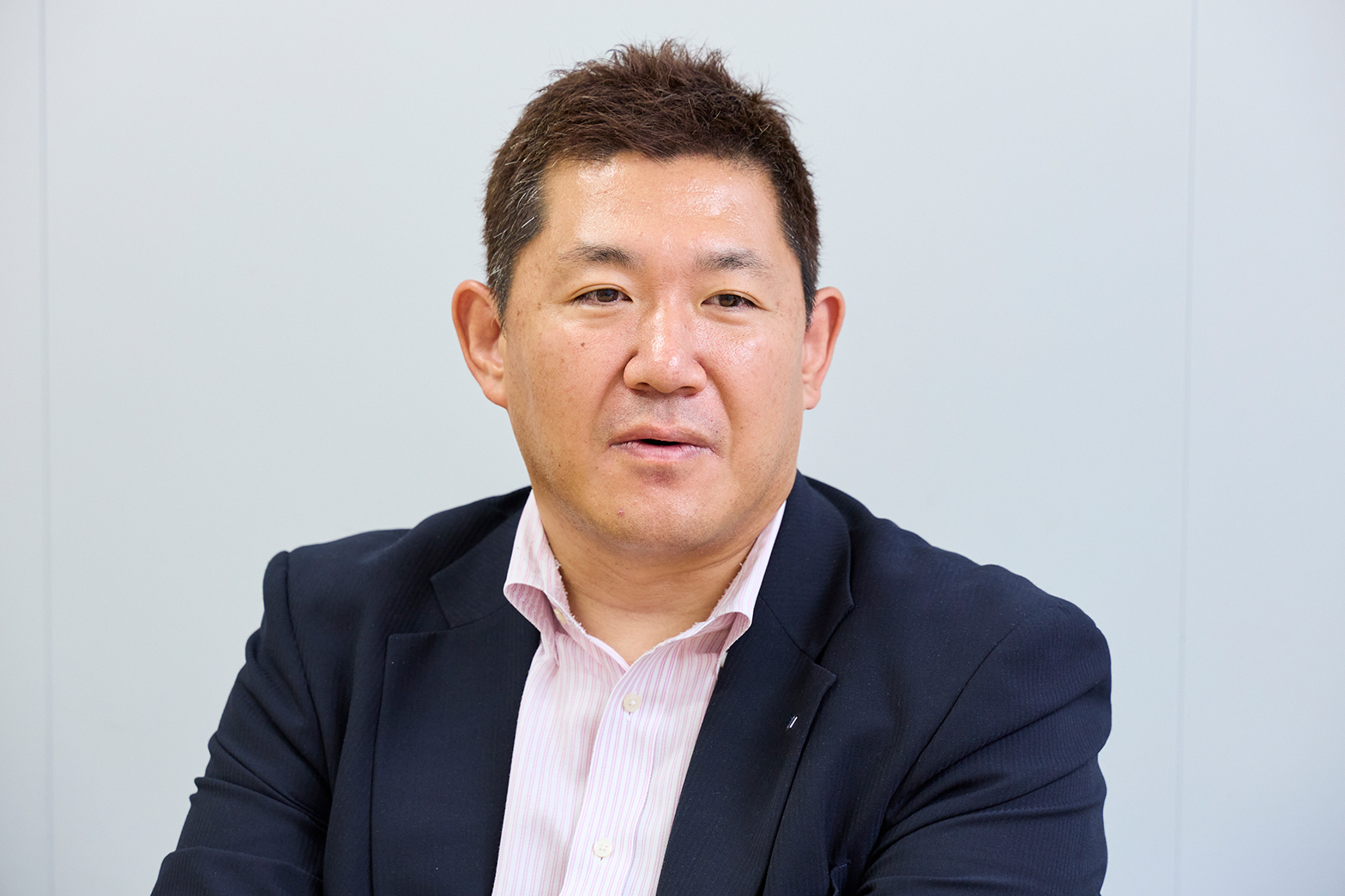
Sato, a consultant specializing in long-term care management, explains: "The long-term care industry has a high turnover rate nationwide, and in fiscal year 2022, for the first time in Japan, the number of people who quit exceeded the number of people who started working in the industry."
"Care staff experience significant physical strain from assisting residents with bathing, transfers, and toileting. Furthermore, because they are responsible for the lives of their residents, the mental burden of communication and caregiving is also considerable. For facilities, improving the working environment, including reducing the burden on care staff, is an urgent issue. Wells' care bathrooms are one solution to this problem."
The Wealth project at Sekisui Home Techno began in 2010. Yamagishi reflects on that time.
"Originally, we were involved in the design, development, construction, and after-sales maintenance of unit bathrooms. Then, in 2007, the business of bathrooms for elderly care was transferred to us from Sekisui Chemical. Sekisui Chemical had established an equipment research institute for elderly housing facilities in 1986, and had a background of continuously thinking about what equipment should be like. Initially, we were thinking about it in the context of residential use, but with the start of the Long-Term Care Insurance Act in 2000, there was a shift towards providing the best products for bathrooms in elderly care facilities as well."
At the time, we envisioned "bathing" as a care service rather than a nursing home, and we developed it as an extension of a home-like service.
"However, the residents of nursing care facilities also get older over time. Physical changes that come with aging can make independent bathing difficult. If nothing is done, the burden of care will increase, so we created Wealth based on the concept of 'adaptability'."
Sekisui Chemical coined the term "ageless" and developed unit bathrooms that solved the problem of steps and uneven surfaces at a time when the term "barrier-free" didn't even exist. Wealth is an extension of that work, and Sekisui Home Techno, which had been providing unit bathrooms up until then, took on the role of Wealth business.
It's not about "people adapting to things," but rather "things adapting to people."
Wealth anticipates future changes and offers a wide range of flexible facilities, equipment, and support systems, which have already been implemented in over 10,000 facilities.
"Wealth has three main distinguishing features. First, its adaptability stems from the idea that 'things adapt to people,' rather than 'people adapting to things.' Second, its usability allows for everything from independent living to accommodating severely disabled individuals within a single bathroom. The reason we've been able to achieve this is our unique know-how, which comes from our expertise not only in nursing care but also in facility design and equipment."
There are manufacturers of mechanical baths in the nursing care industry. There are also manufacturers of unit baths. However, Yamagishi says that their company may be the only one that handles both. What is their strength?
"You should see it for yourself."
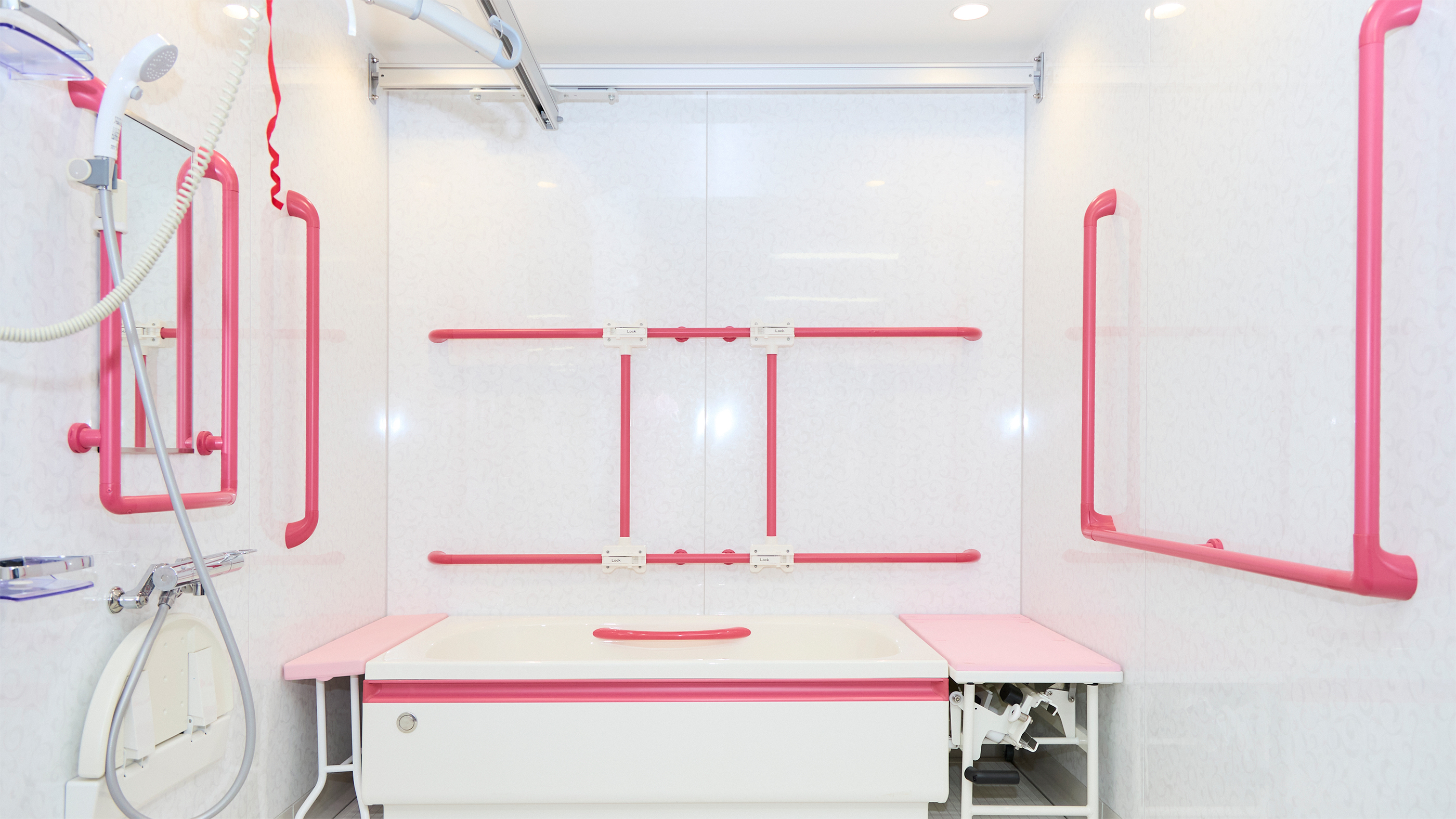
We decided to visit the showroom at Sekisui Home Techno to see their prefabricated bathrooms. First, the bathtub in the center can be easily moved from side to side. Moriya from the development team explained.
"Those who can bathe independently can stay in the center, but if assistance is needed, a larger space is required for caregivers to provide assistance. To create that space, we move the bathtub itself to ensure a larger area is available."
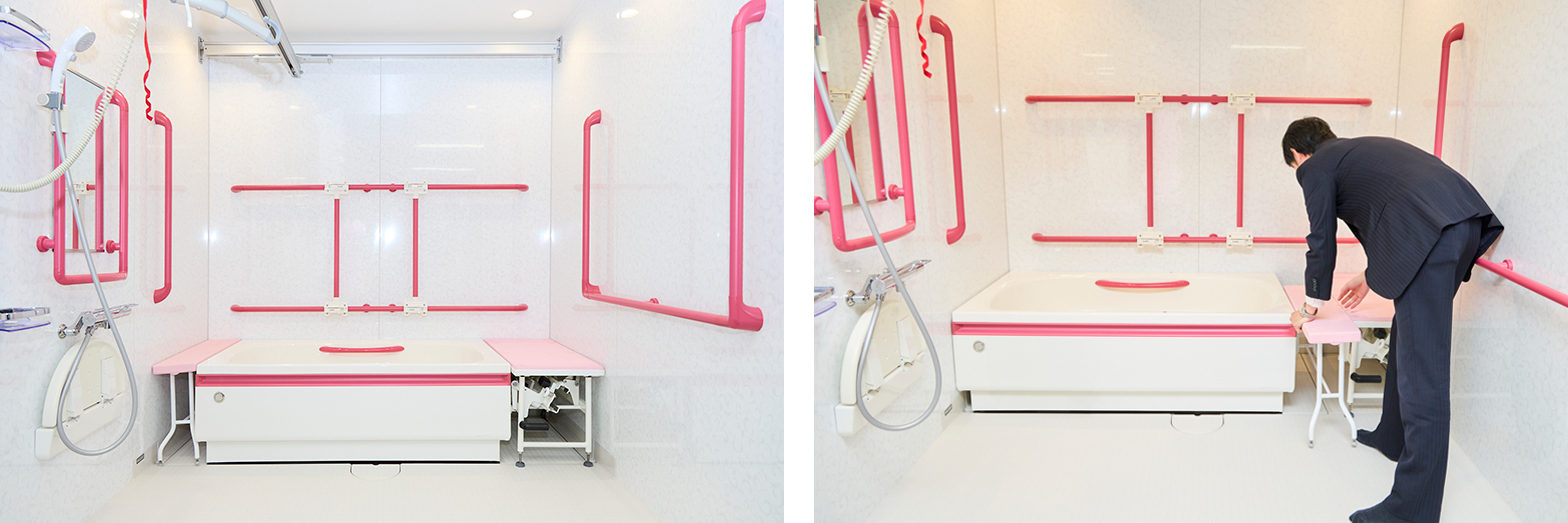
By moving the bathtub, which was in the center, to the left, and the transfer platform, which was on the left, to the right, the area becomes flat. Removing the platform creates a large space, allowing caregivers to enter and provide assistance.
Furthermore, it is said to produce another effect when used in conjunction with the handrails installed in the bathroom.
"The handrails can also be freely repositioned. For example, someone with limited use of their left side might want to enter the bathroom from the right. In that case, the bathroom can be moved to the right, directly connected to the wall, and the handrails positioned to make it easier to enter from the right, enabling independent bathing. If someone has limited use of their right side, the design can be reversed."
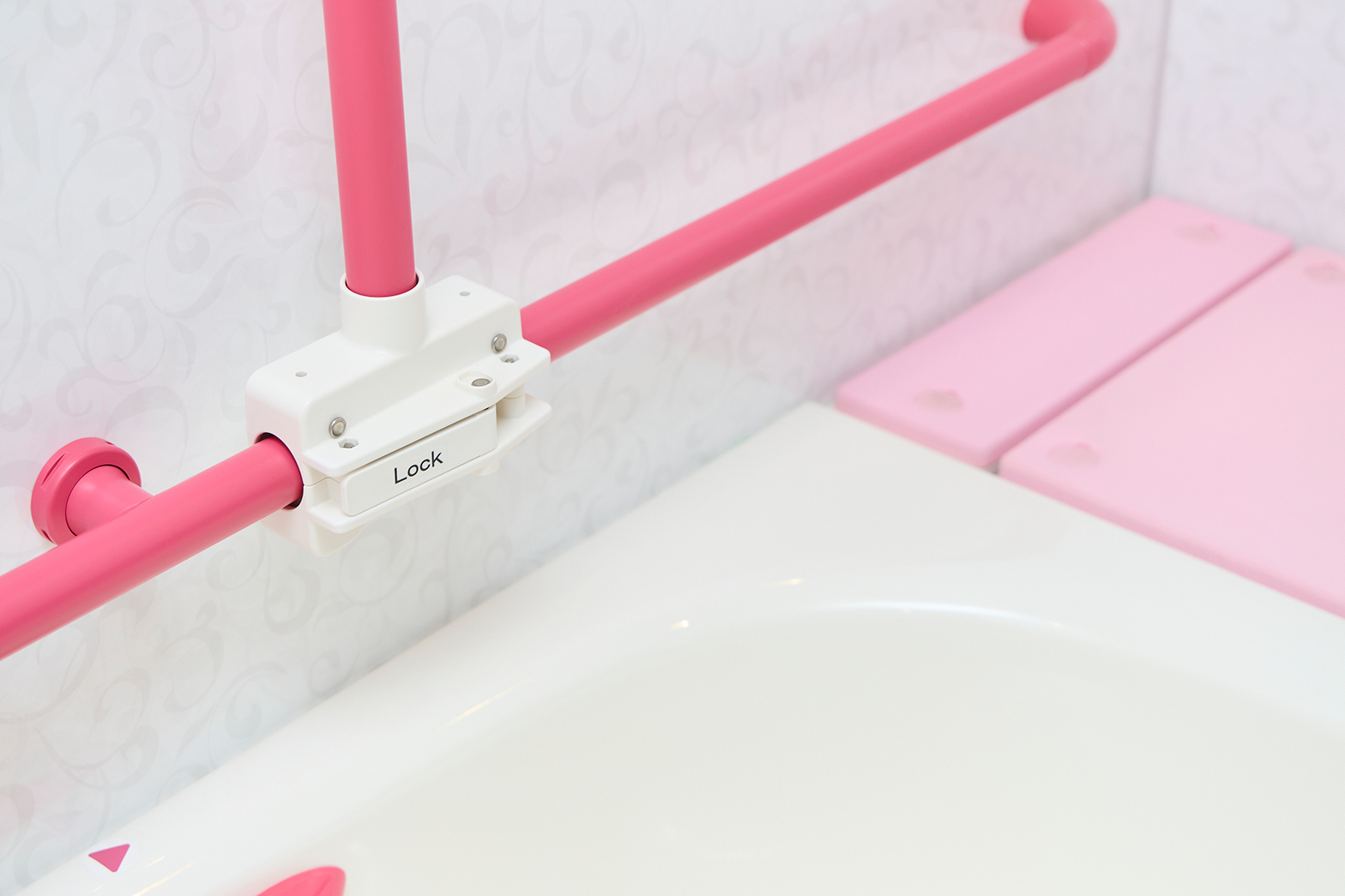
The placement and even the distance of the handrails can be adjusted.
"Naturally, there are differences in how far a person can reach with their hands depending on their height. We've made it easy to position handrails within a person's reach."
What Yamagishi meant when he said, "It's not about people adapting to things, but about things adapting to people," is exactly this. If the bathroom can be adapted to the person's condition, they will be able to do more things on their own. Everyone would like to bathe by themselves if they can. However, as one's physical condition changes, bathing may become difficult. With Wealth, the bathroom can be adapted to the person's condition at any given time. The longer the period during which one can bathe independently, the more it contributes to independence.
Adding a bathing lift eliminates the need to change vehicles from washing to bathing.
Sekisui Home Techno has taken a new step beyond its efforts in unit bathrooms by developing a bathing lift. This product was developed under the Ministry of Economy, Trade and Industry's project to promote the development and introduction of robotic caregiving equipment, and aims to reduce the burden of bathing assistance and transfer assistance, thereby providing safer and more secure bathing services.
"As you can see, the bath lift is shaped like a chair, allowing you to wash yourself while using it. Afterwards, you slide the bath lift into the bathtub, lower the seat using the lift switch, and then you can take a bath."
Yamagishi and others demonstrated the system by actually operating it, and it seems that this would eliminate the physical burden on caregivers of having to lift and place users into the bathtub after washing them.
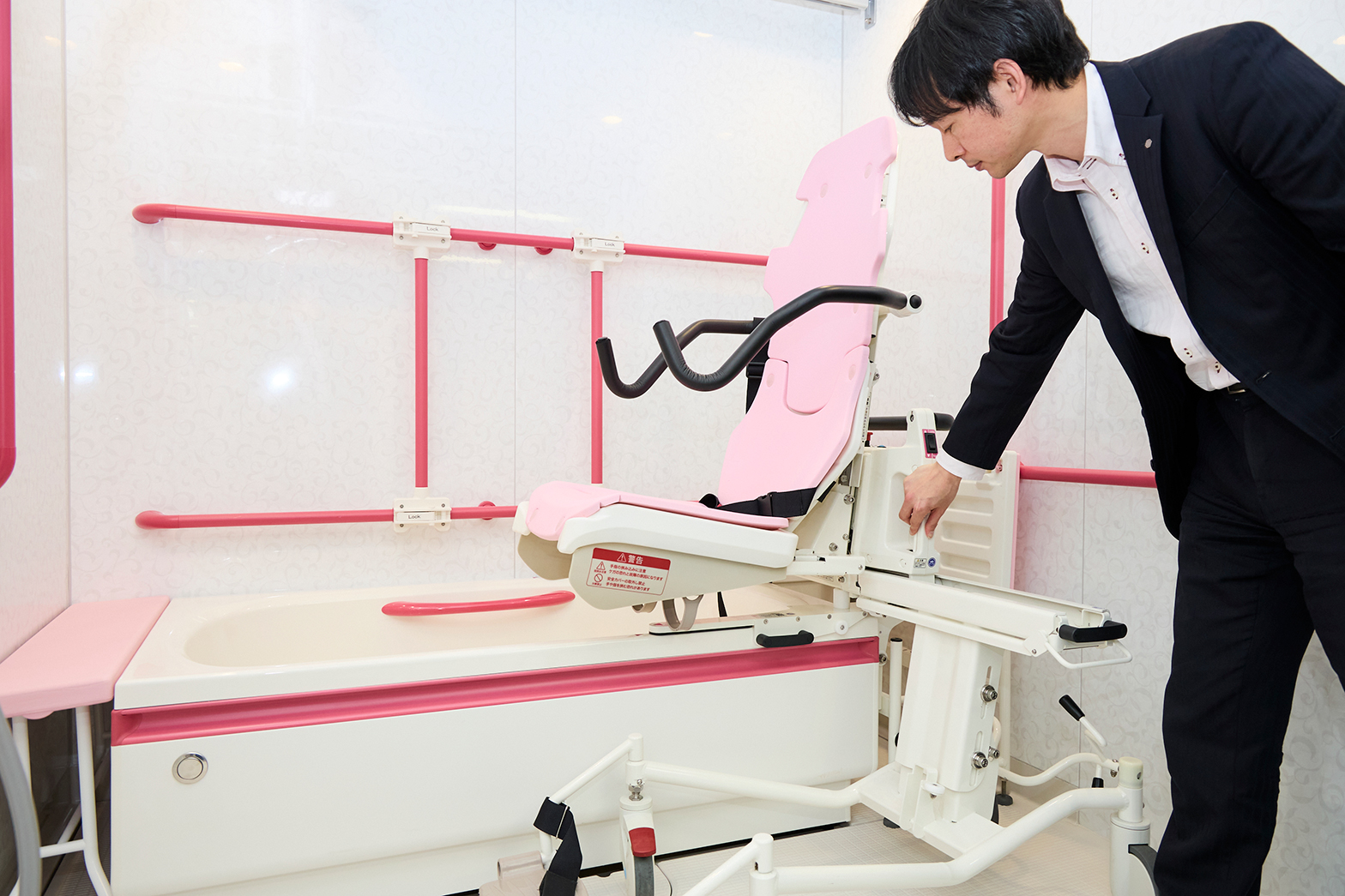
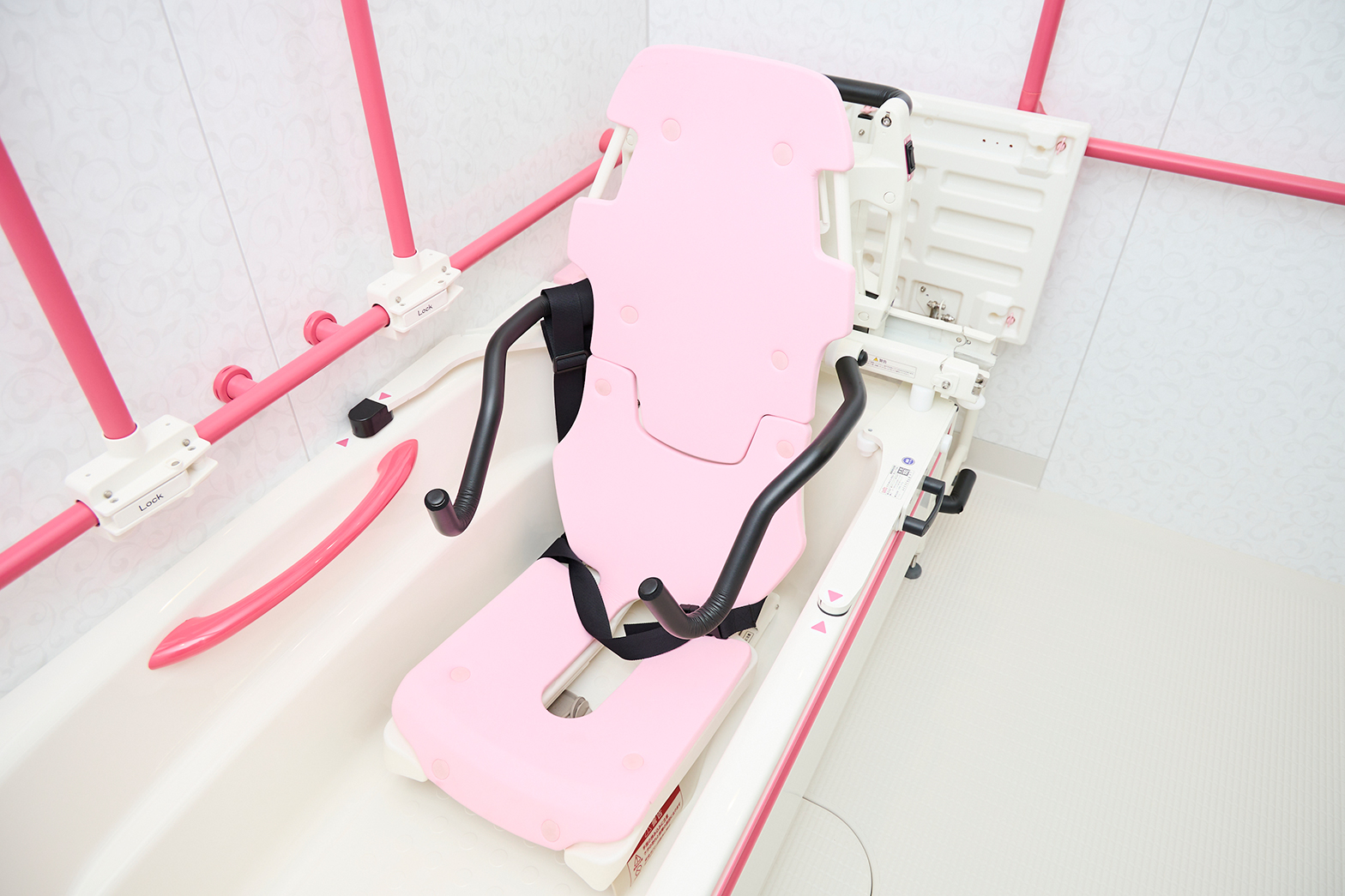
"It's common for two caregivers to be needed to assist with bathing. With a shortage of caregiving personnel, how can we address the manpower shortage? This bathing lift is one solution."
Bathing brings joy to many users. It's not something that can be avoided just because it's difficult. Therefore, Sekisui Home Techno developed this product with the aim of providing that joy using care robots such as bathing lifts.
And now, it has become such a convenient tool that care workers are saying, "If we don't have this, we'll quit." Lifting a wet person poses a risk to the person being cared for and places a heavy mental burden on the care workers.
Many bathrooms in nursing homes are not designed with the possibility of adding a lift later. Therefore, if a lift is installed, the bathroom becomes exclusively for the lift user. If only one out of ten residents uses a lift, the others cannot use the bathroom because of that one person. With Wealth's bathrooms, the bathing lift can be moved to accommodate the individual needs of each resident.
It's a continuous process of trial and error, but we will continue to take on challenges to solve social problems.
"Although the Wealth Series is now used by many people, it was our first attempt at this kind of thing, so we went through a lot of trial and error at first," Yamagishi says.
When the Wealth business was first launched, there were absolutely no connections with care providers. Yamagishi created a list of providers and personally went around making cold calls to them.
When the Wealth business was first launched, there were absolutely no connections with care providers. Yamagishi created a list of providers and personally went around making cold calls to them.
"We didn't even know who to approach with our proposals regarding bathrooms for elderly care. Furthermore, it seemed rare for manufacturers to directly approach care facilities for sales, so we had a lot of trouble. Even when we managed to get to a negotiation, they'd say it was too expensive. There were countless hurdles we had to overcome."
Nevertheless, Yamagishi continued.
"We were somewhat aware that bathing assistance is physically demanding work within the nursing care industry, and we were confident that this product could solve the problems faced by nursing care staff. We continued to propose it without giving up, and the number of facilities that adopted it increased."
The defining features of Wealth are its variability and the resulting sustainability. Even older versions of Wealth products can be used to install the latest Wealthlift Carry, for example. Although the initial cost is high, adoption progressed once it was communicated that the running costs are actually more cost-effective.
"The challenge in development is how to connect it with our existing products. As the number of products increases, I think it will become even more difficult in the future, but for the managers of nursing care facilities, bathrooms are not something that can be changed frequently. Once they have installed it, we want to make it possible for them to continue using new products without changing anything."
Apparently, when Yamagishi got involved in the wealth management business, he first gained practical experience working in nursing care facilities in order to understand the realities of the job.
"We also assisted with bathing, but the biggest challenge was moving between floors. Even if there are bathrooms on each floor, the special bathroom for severely disabled users may only be on the first floor. In that case, elevator congestion occurs, increasing the workload for managing bathing times. We realized that it's relatively easier for both caregivers and users to move within the same floor, that is, horizontally, and this product was created with the desire to allow bathing assistance to be performed on the same floor."
They create products based on their own experiences. This empathetic approach is thorough, and they even offer a free e-learning service for nursing homes and caregivers. Sato, the person in charge, explains.
"We've been offering this service to businesses that have adopted our wealth management system since 2014, and we currently have around 130 pieces of content. We also have menus for legally mandated training. Why did we start this? Care workers are incredibly busy. Even if we set up training sessions multiple times in the same month, they sometimes just can't attend. With e-learning, they can study at times that are convenient for them, so we believe it can reduce the burden of training."
Furthermore, Sato continued.
"We hope to create a caregiving community with Wealth's business at its core. We are a manufacturer, but our work doesn't end with the sale. We want to work together with those on the front lines to address this social challenge."
The government has been working to promote scientific care, aiming for optimal care through the use of vital data, and has also been supporting the introduction of care robots. However, due to a shortage of personnel on the front lines, there is little time for learning. Therefore, they say it is their mission to spread information about the government's initiatives through the community.
Yamagishi also said, "As the social environment changes, attention is being paid to support for independence in Japan as well. Providing physical and mental support so that people can live their lives in their own way even as they get older. Wealth also places importance on this, and we are particularly committed to this when we design things like adjustable handrails. Do things for yourself as long as you can. Wealth is there to support you in that. If such an environment is established, it may also contribute to curbing the national long-term care insurance and social insurance. And only we, who have inherited the will and gratitude of our predecessors who coined the term 'age-consciousness,' launched this business early on, and tackled the challenges, can make this happen."
Japan faces numerous challenges in its super-aging society, including the "2025 problem." To address these challenges, Yamagishi and his team continue their efforts to improve productivity in nursing care facilities and support the independence of people, including residents, by adopting the perspective of "making things adapt to people."