"FFU," which combines the best qualities of wood and plastic, will strengthen the world's railway infrastructure as a substitute for wood.
公開日:
What thoughts and stories were behind its development?
How will that connect to the people and societies living on Earth?
"SEKISUI | Connect with" is a future-creating media platform that connects you with Sekisui Chemical.
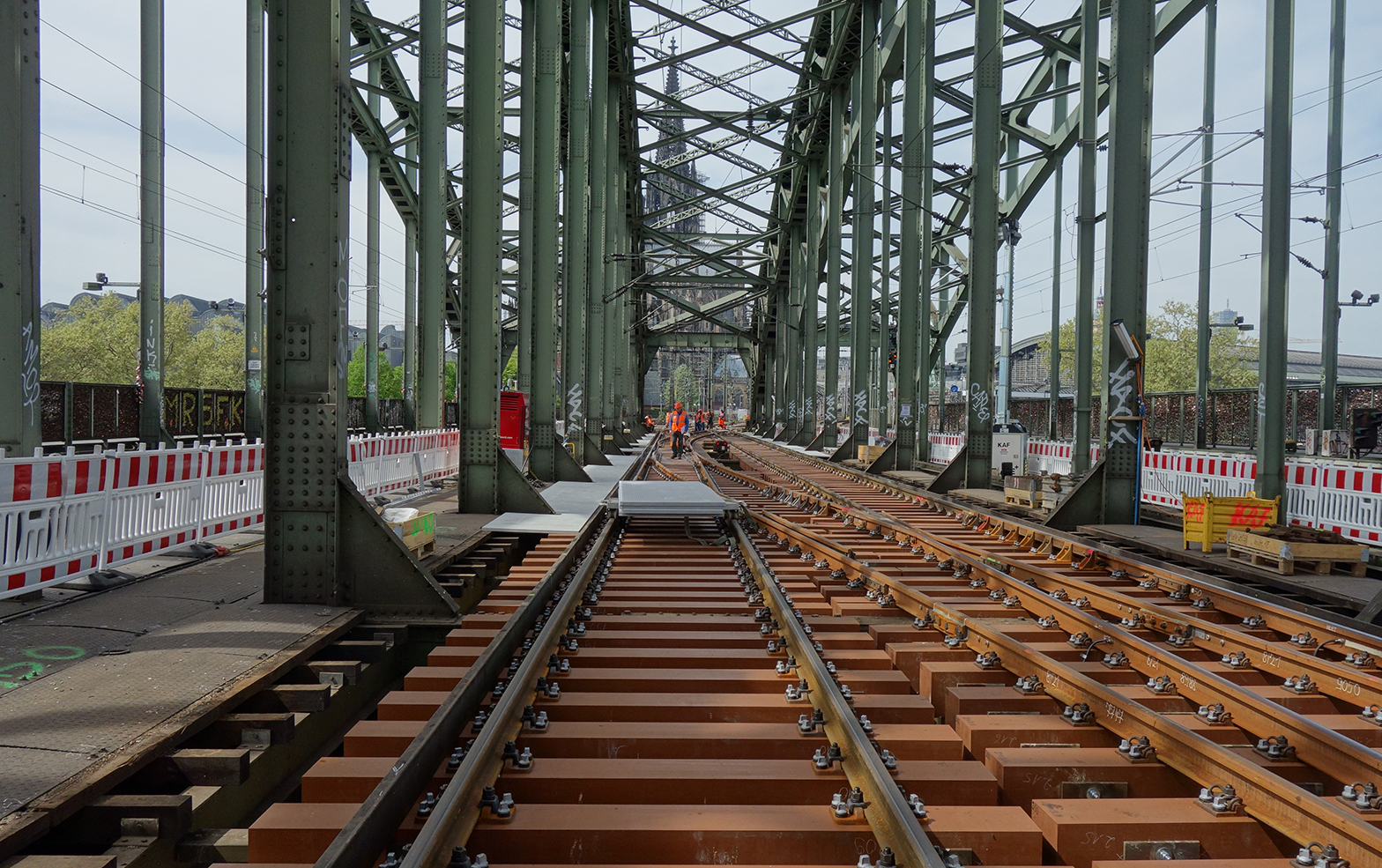
One element that quietly plays a vital role in railway infrastructure is the "railway sleeper." Laid perpendicular to the rails, it distributes the weight of the railway cars and the load on the ground. Until now, wood has played this important role, but the deterioration of natural materials is an unavoidable problem. In fact, these railway sleepers are now beginning to be replaced by synthetic wood. The catalyst for this was an initiative in the 1960s by Sekisui Chemical and the Ministry of International Trade and Industry (now the Ministry of Economy, Trade and Industry).
"Let's try making wood with artificial materials." How did the synthetic wood "FFU" come into being?
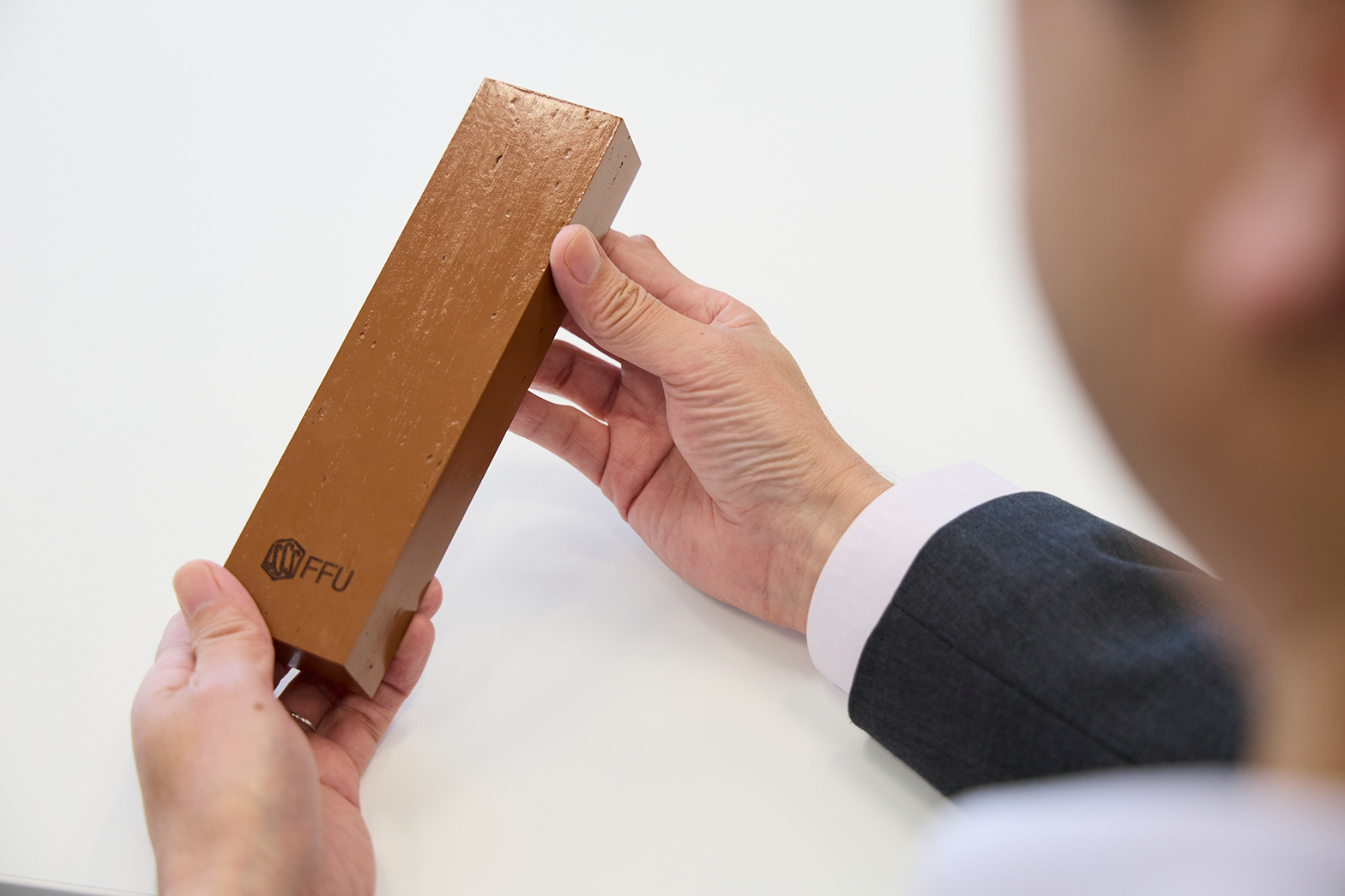
Sekisui Chemical has developed a new material called "Eslon Neo Lumber FFU" (hereinafter, FFU) that combines the advantages of wood and plastic. Made from glass fiber reinforced plastic foam, this product has the texture and ease of processing of wood, while being a tough material that does not rot or absorb water. It also has excellent chemical resistance, insulation, and weather resistance, combining the advantages of two different materials: wood and plastic.
"The project originated in the 1960s. It began as a technical idea to recreate wood using artificial materials. The Ministry of International Trade and Industry had made research and development of synthetic materials such as wood and paper a key policy as part of its efforts to foster the petrochemical industry, and our company, a pioneer in plastics, took on this challenge. After establishing a technology to recreate the physical properties of wood using a combination of urethane resin and glass filament, we installed production facilities at our Ritto Plant in Shiga Prefecture in 1974 and officially launched the business."
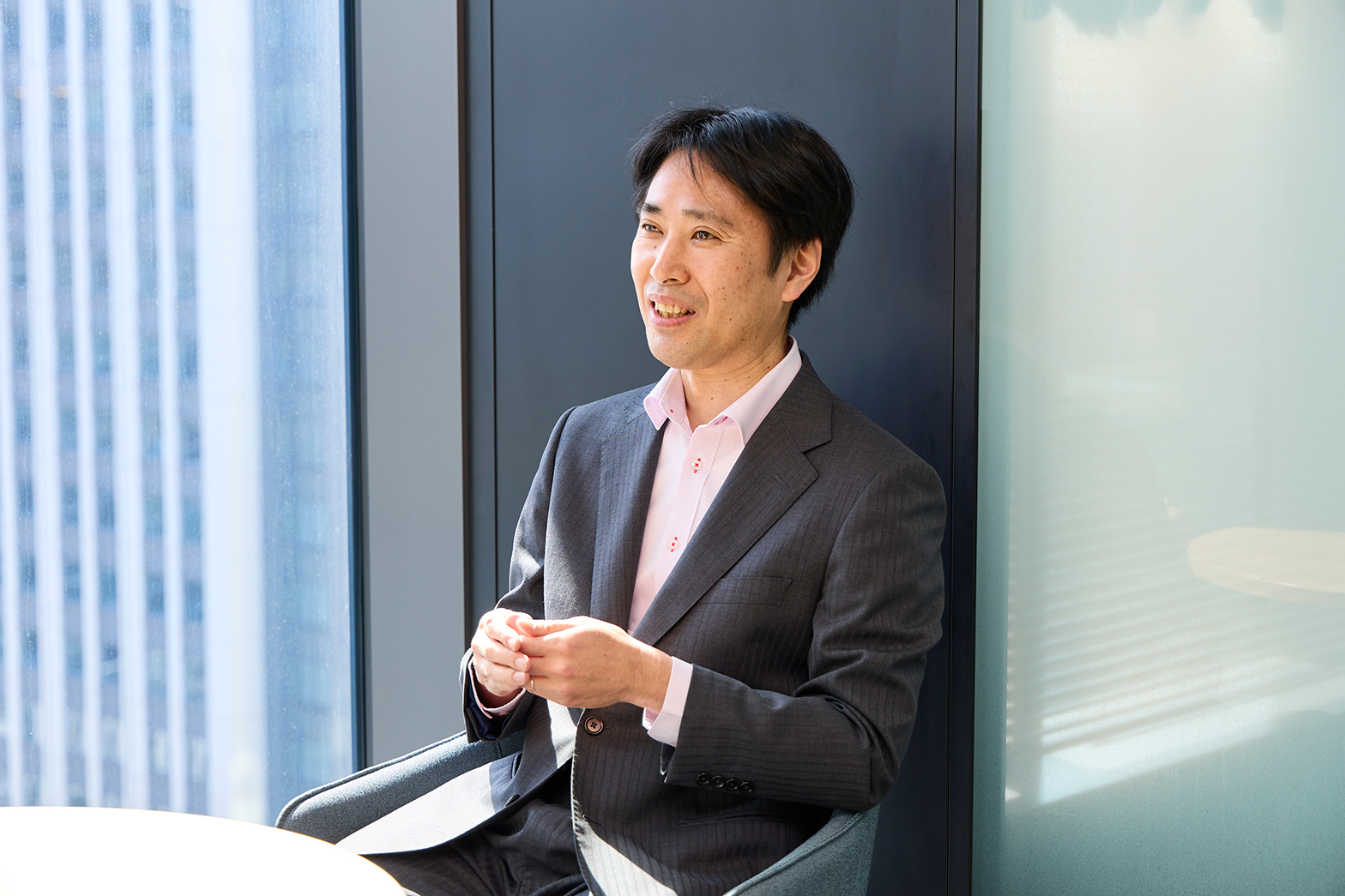
This is said by Shioji Sakon from Sekisui Chemical's Urban Infrastructure and Environmental Products (UIEP) Company Functional Materials Division. FFU was created using Sekisui Chemical's resin foaming technology. At that time, synthetic wood mostly imitated the appearance of wood, and there was no effort to replicate the physical properties of wood. "Although it was once completed, it was still uncertain how it would be applied to solve social issues," but after receiving a proposal from a customer familiar with water and sewage systems, they suggested it could be used for sludge removal and flight boards in water treatment facilities, so they introduced it.
Currently, it is used not only as a flight plate, but also in a wide range of applications in water treatment facilities, such as odor-proof covers, corner bevels, and flow straightening plates.
However, the project continued to operate at a loss for more than a decade after its launch. Why wasn't the project canceled?
"I think the company understood the desire of the business members to bring unique technology to the world, and they allowed the business to continue in the sense that it was a way to nurture a new and significant core. Perhaps they considered it a healthy deficit."
However, they couldn't rely on others forever. So they searched for other places where FFU was needed. And then, Sekisui Chemical met the fateful partner that would determine the future of FFU.
"In 1980, together with the former Japanese National Railways' Railway Technical Research Institute, we developed sleepers using FFU technology and conducted test layings. Wooden sleepers have been used for railway tracks for a long time. This is because they are relatively inexpensive to procure, easy to fasten to rails, easy to handle and process, and have high electrical insulation properties. On the other hand, they are susceptible to mechanical damage, and their short lifespan due to decay and cracking was a challenge."
The Railway Technical Research Institute had been working on extending the lifespan of wooden sleepers, but even then, their lifespan was only about 15 years, and approximately 70% had to be replaced due to decay. When FFU composite sleepers, which do not rot, were tested, it was confirmed that their basic physical properties were equal to or better than those of wooden sleepers, and that their bending strength, water absorption, and insulation resistance were superior to those of wood. As a result, in 1987, approximately 6,000 FFU composite sleepers were adopted by JR and private railways.
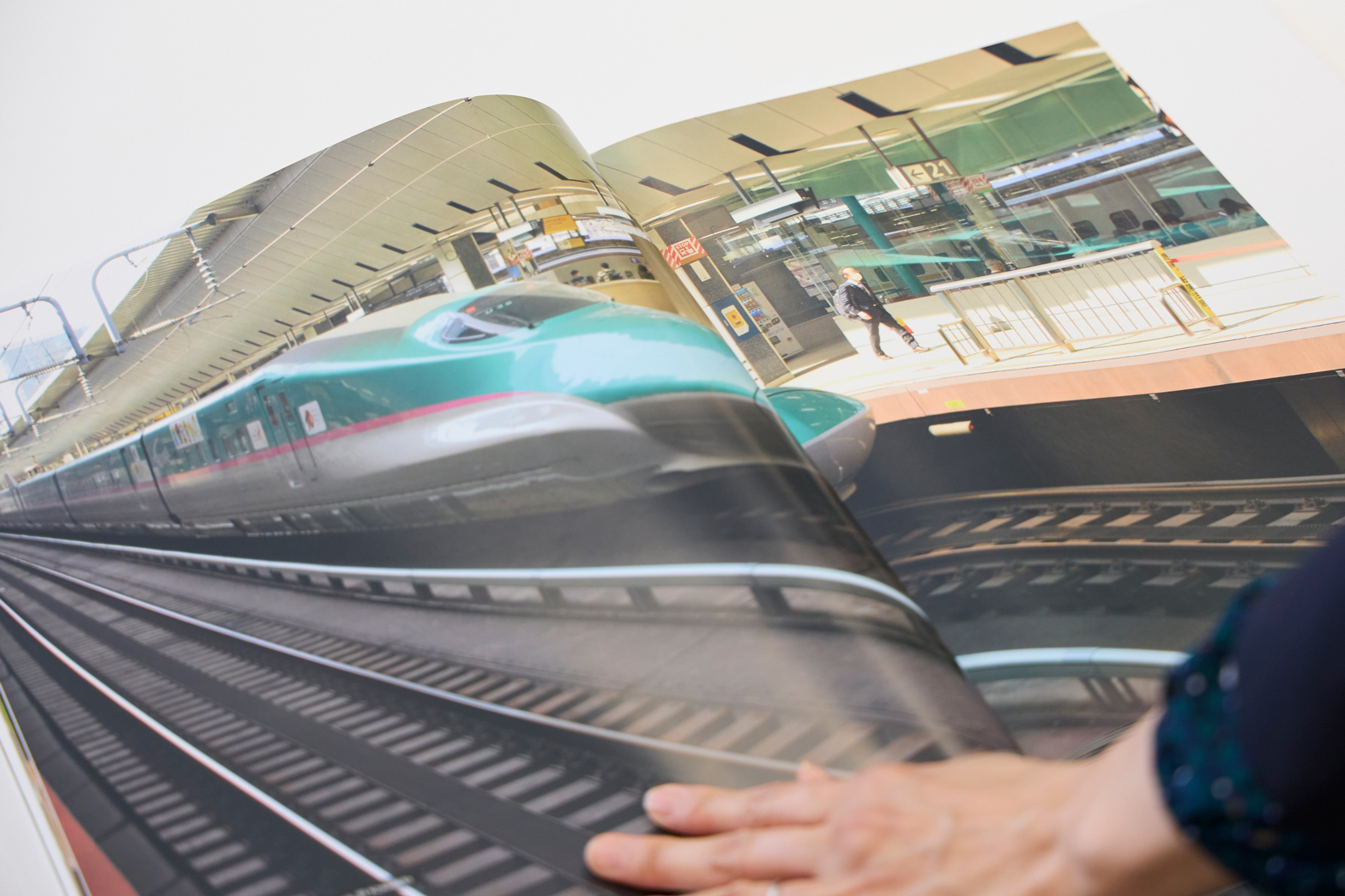
"FFU composite sleepers have come to be adopted mainly for bridge sleepers and junction sleepers on railway bridges, where concrete construction is difficult. On the Tokaido Shinkansen, in the 1990s, during a large-scale track renovation 30 years after its opening, all wooden sleepers were replaced with FFU composite sleepers at all junctions and bridges."
A follow-up survey conducted in 2010 confirmed that, even 30 years after the initial installation, there was no significant deterioration and no major problems had occurred.
Bringing success in Japan to the world
In the late 1990s, as FFU synthetic railway ties became widespread in Japan, Sekisui Chemical began to consider expanding its business overseas. They visited Europe, where railway networks are as developed as in Japan, but concluded that adoption would be difficult at the time due to cost considerations. However, the team did not give up. After being adopted for the Taiwan High-Speed Rail in 2003, they moved to Austria in 2004.
"The Vienna Metro in Austria was looking for an alternative material to wooden railway ties, and they contacted us through our website, which was the starting point."
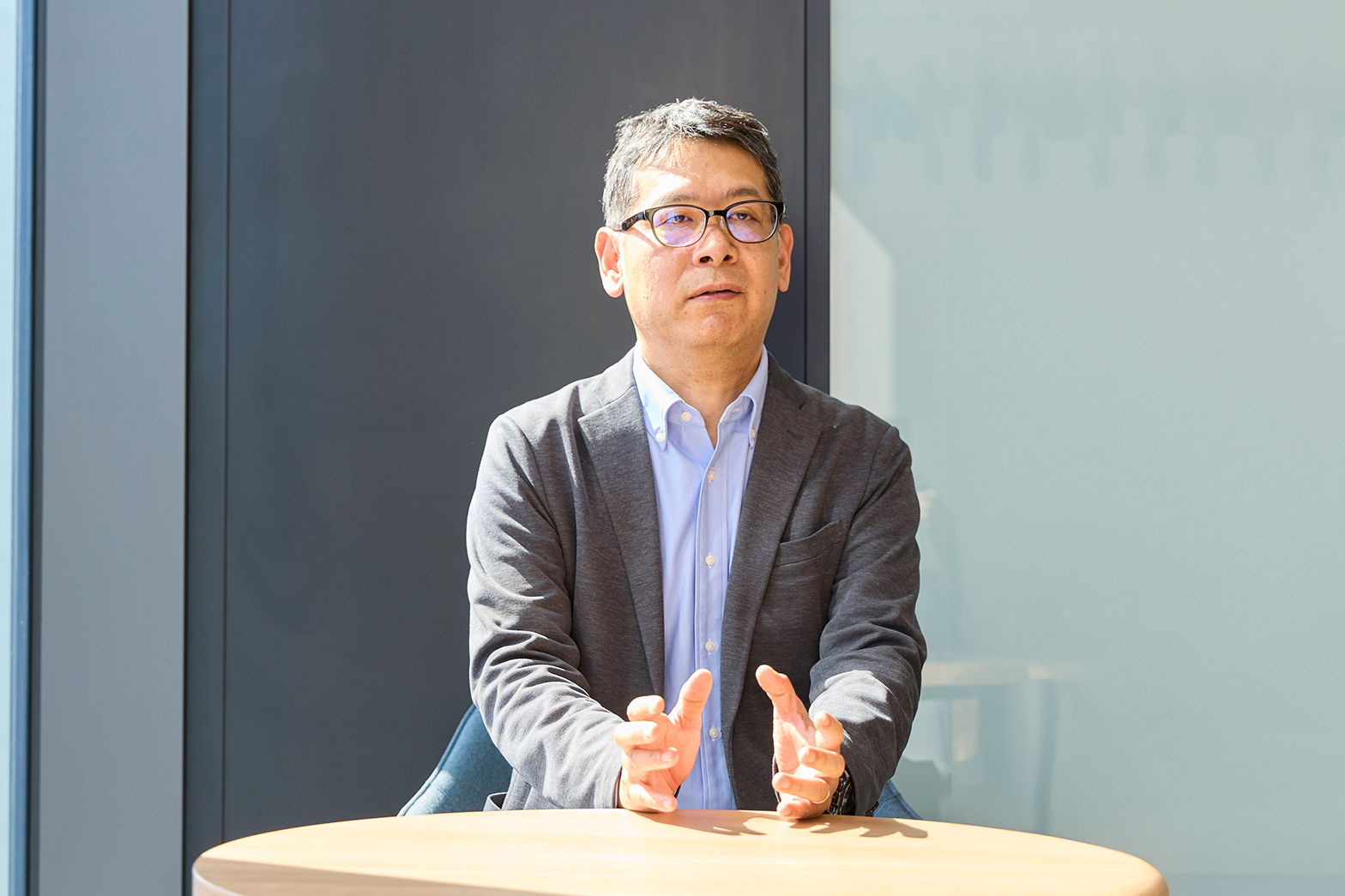
This is said by Yoshihiro Nakao of the Urban Infrastructure and Environmental Products (UIEP) Company Functional Materials Division.
The team concluded that there was indeed a demand for FFU synthetic sleepers overseas, and began seriously considering expanding internationally. What was necessary to aim for the overseas market? The answer lay in their efforts within Japan.
"In Japan, its adoption progressed after evaluation at the former Japanese National Railways' Railway Technical Research Institute and test laying on actual tracks. The same is true overseas. So, around 2007, we started an initiative to have the FFU evaluated at the Technical University of Munich in Germany."
However, FFU was a material unlike anything before. There were no standards in Europe at the time to define testing methods or acceptance criteria. Even wooden railway ties, which had been used for a long time, did not have any standards.
Therefore, using the standards for concrete sleepers, a comparative evaluation was conducted between wooden sleepers and FFU composite sleepers. As a result, it was proven that FFU composite sleepers performed at or above the level of wooden sleepers. Based on the evaluation results, Sekisui Chemical obtained provisional certification from the German Federal Railway Authority (EBA). Test laying was conducted on the German national railway in 2011, and full certification was obtained in 2017.
"Safety was a major requirement, and because we were using unfamiliar materials, we had a hard time securing a site for test laying. Also, a five-year track laying evaluation was required, so it took more than 10 years to obtain full certification in Germany," Nakao said.
While working towards certification in Germany, they also conducted trial installations in Switzerland and the UK, and their adoption gradually expanded across Europe. When asked what the key to their success was, Nakao immediately replied, "The quality of the product and the strength of the local staff."
"With only Japanese people involved, we wouldn't have made any progress at all. It's no exaggeration to say that it was only with local knowledge and expertise that FFU synthetic sleepers were able to spread their wings to the world. When Japanese companies expand overseas, it's difficult to do it with only Japanese people. I think it's necessary to move forward together with local staff and partners."
Building a factory in the Netherlands after much hardship
As the team expanded its business overseas, it encountered new challenges. "With recruitment increasing not only in Europe but also in America, Asia, and Australia, our Japanese factory alone was becoming unable to keep up with production."
Until now, FFU had produced almost all of its products at the Ritto Plant in Shiga Prefecture. However, with its adoption progressing in 33 countries worldwide and overseas demand increasing, there were challenges on the supply side. At the same time, it had been announced in Europe that creosote oil, used as a preservative for wooden railway ties, was going to be banned due to its carcinogenic risks. The need for FFU synthetic railway ties as an alternative to wooden railway ties was increasing even further.
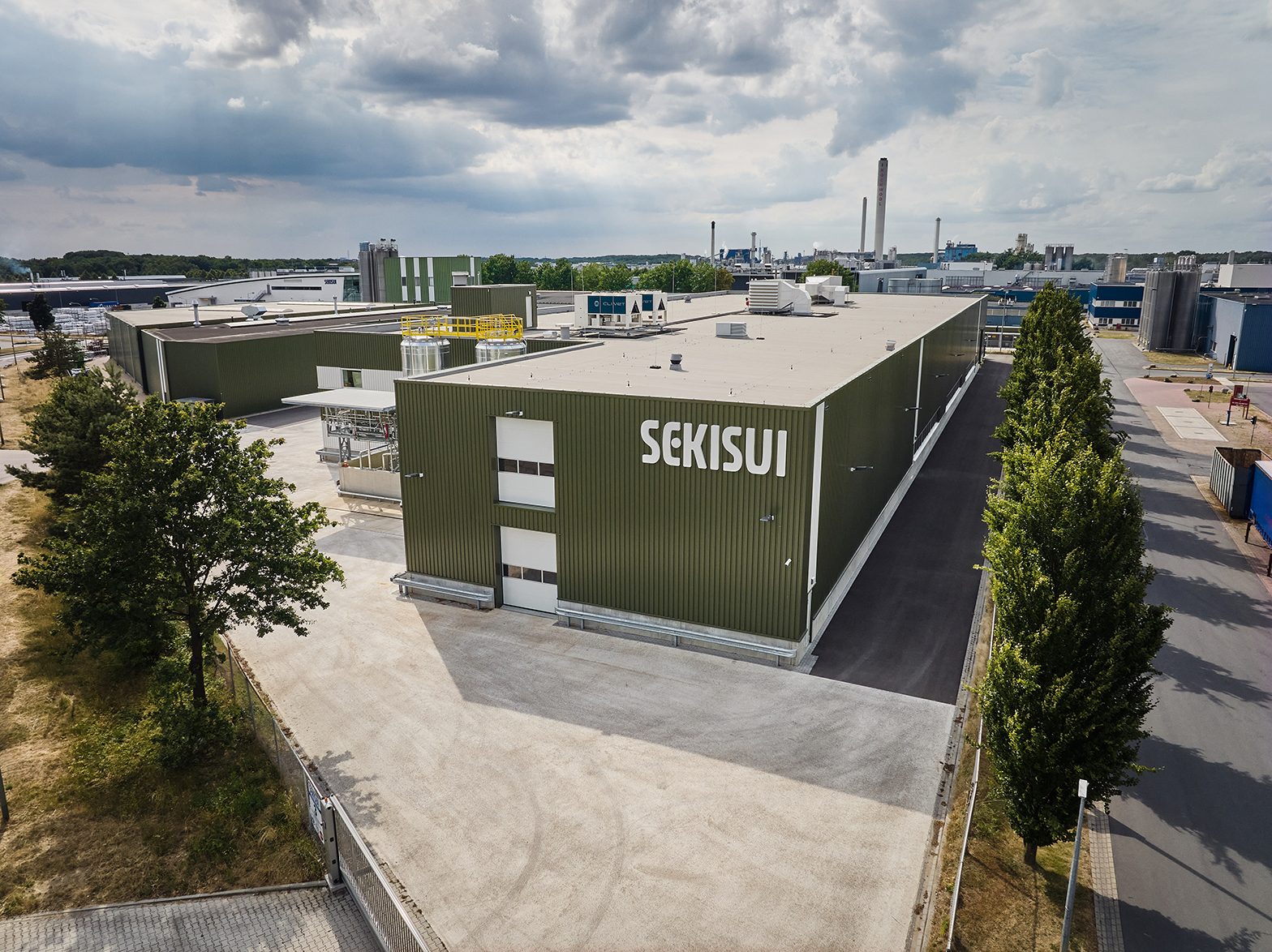
"When we produce in Japan and export, we have to allow about five months for delivery to Europe. However, there were many orders that required delivery within two months. To solve the lead time and production capacity problems, building a factory in Europe was urgently needed. So, we built an FFU synthetic sleeper factory on the premises of a Sekisui Chemical group company in the Netherlands. Production began in October 2023."
This new factory will serve as a supply base for the European market, creating further business opportunities. The Netherlands is located in what could be called the heart of Europe, surrounded by major railway nations such as Germany, France, and the UK. Its strategic location is ideal for expanding the FFU (Fuel Freight Unit) business.
"However, we struggled with communication with equipment manufacturers. We had no experience building factories overseas, and since FFU is a material unlike anything before, we needed equipment that didn't exist anywhere else. We had to explain the equipment from scratch and make sure they understood it accurately. The COVID-19 pandemic hit while we were in the middle of preparing for construction, so we couldn't travel and could only communicate with the site through online meetings. There were also differences in how they thought about equipment compared to Japan, which made dealing with those differences extremely difficult."
Sekisui Chemical's challenge to solve social issues with new materials
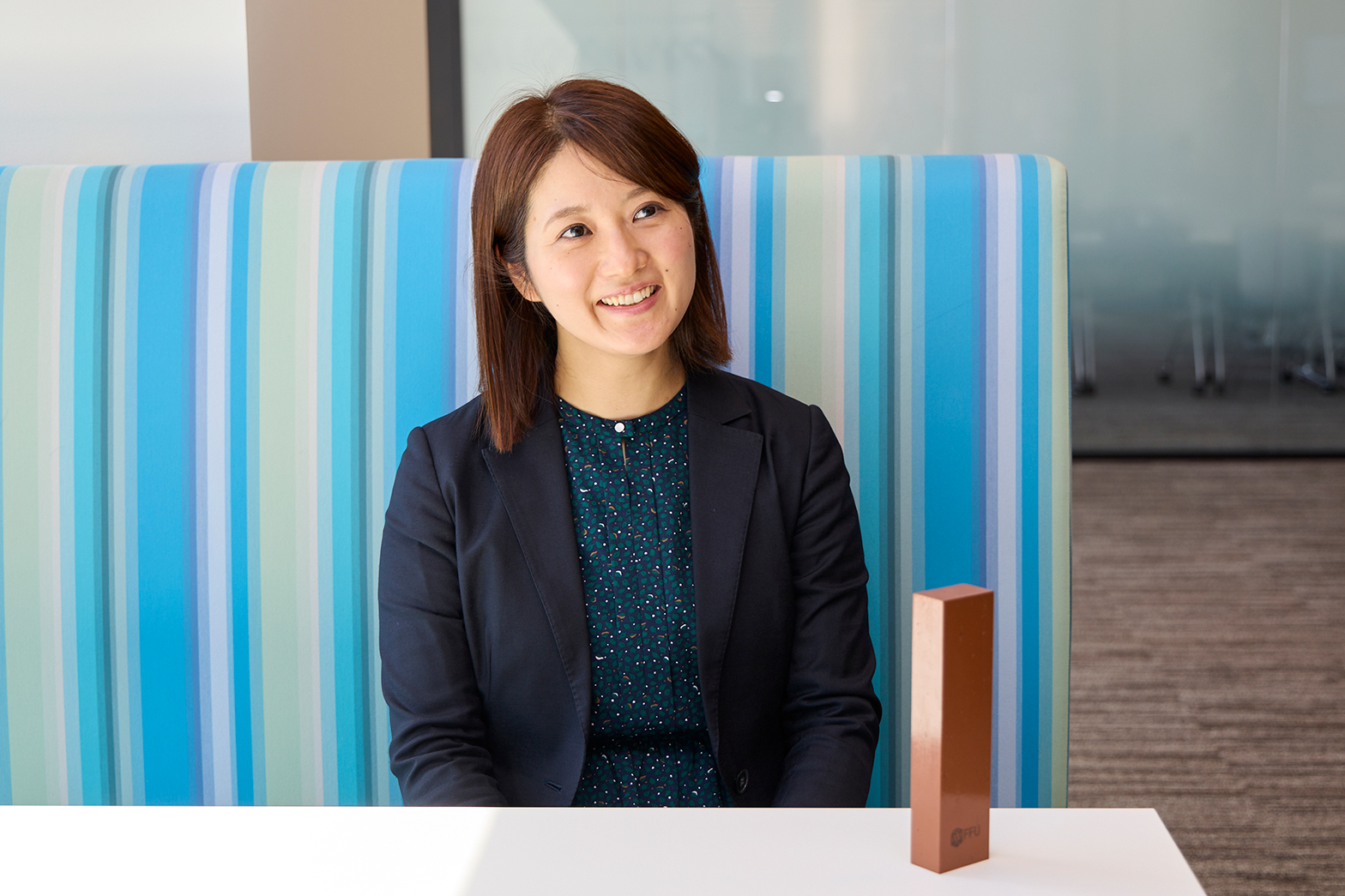
Tomoka Sakai of the Urban Infrastructure and Environmental Products (UIEP) Company Functional Materials Division, who is in charge of overseas affairs, describes FFU as a "business with nothing but possibilities."
"Our overseas sales are growing every year, so I feel there's only potential. There are still untapped markets, so we want to continue supplying FFU synthetic sleepers to many countries in the future."
Meanwhile, Sakon looks even further into the future.
"Since FFU is a highly durable material, as its adoption increases, replacement demand will decrease. Therefore, we are exploring new applications that could serve as a second type of railway tie."
Currently, FFUs are being used in places like nature park trails and famous amusement parks. The common reason for their adoption is the reduction of maintenance costs. For example, when building or repairing trails in nature parks, timber and other materials are sometimes transported to the mountains by helicopter and installed. While natural wood is cheaper in terms of material costs, it is prone to damage and maintenance costs are too high. In such cases, the introduction of FFUs is often considered. Finding these kinds of markets is also part of Sakon and his team's job.
"Now that FFU's demand for railway sleepers is accelerating, we can take on new challenges," Sakon said enthusiastically.
"Actually, a little while ago, we held an alumni gathering with some of the original development team members. We gave them a tour of the Ritto Plant in Shiga Prefecture and explained how the FFU, which was developed more than 50 years ago, is being actively produced for both domestic and international markets. The oldest member is over 80 years old, but he's still in great spirits and said, 'I'd love to visit the European plant too!'"
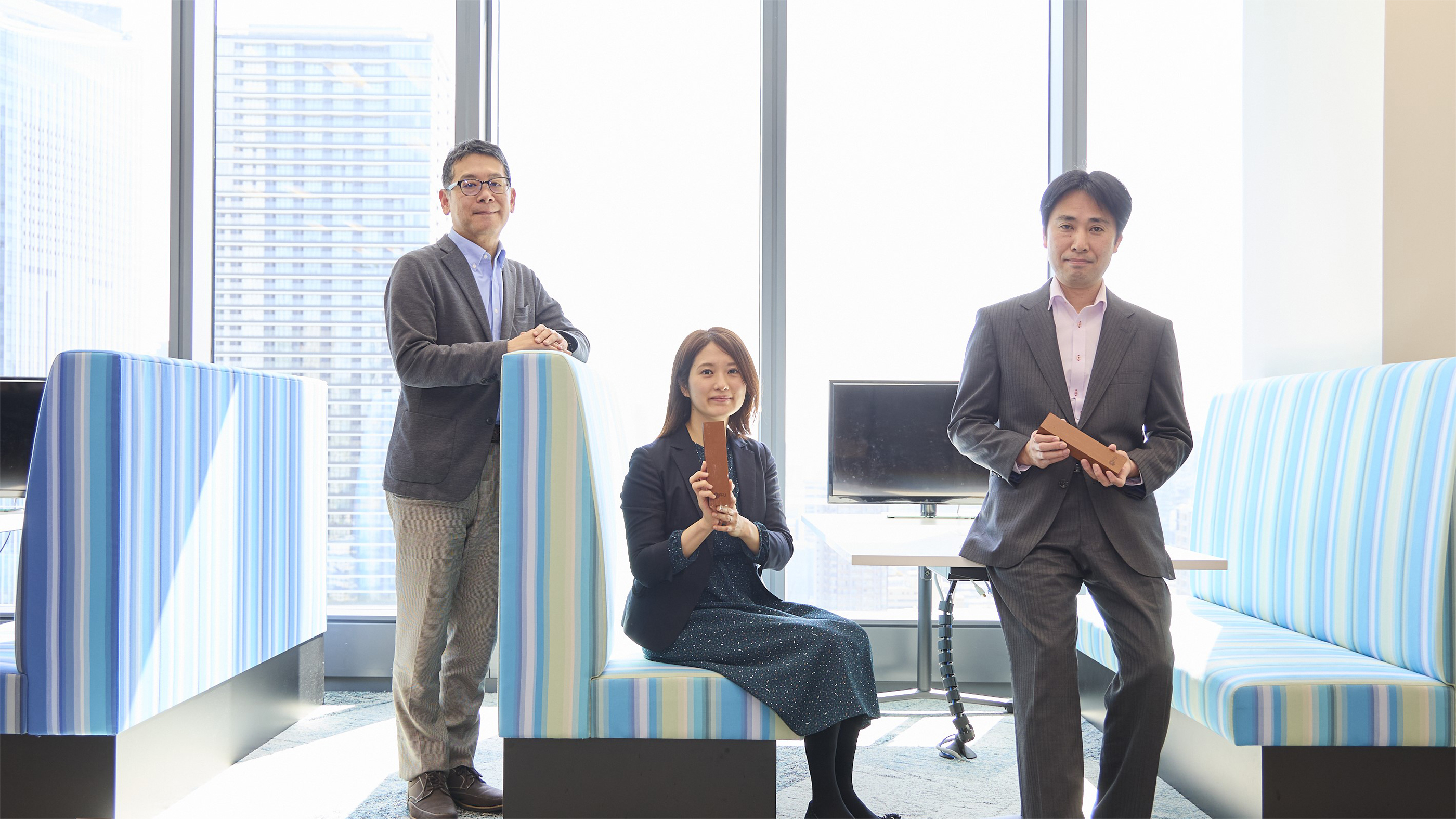
Sakon, Nakao, and Sakai smiled and said they were determined to carry on the legacy of their predecessors and drive the growth of FFU. FFU is increasing its value worldwide as a foundation that supports the infrastructure of the future.