The Children and Families Agency has also begun its initiative to protect newborns from intractable diseases! Expanded newborn screening tests undertaken by doctors and SEKISUI CHEMICAL Group
公開日:

What thoughts and stories were behind its development?
How will that connect to the people and societies living on Earth?
"SEKISUI | Connect with" is a future-creating media platform that connects you with Sekisui Chemical.
- Efforts to expand testing for diseases not included in "newborn screening tests"
- "Expanded Newborn Screening Tests" - A need for greater awareness and widespread adoption.
- "I shudder to think what would have happened if I hadn't known..." Expanded newborn screening saved my daughter.
- To provide faster and more accurate test results
- Thanks in part to a petition from a patient and family association, two rare disease screenings are now being made publicly funded.
Even babies born healthy may have underlying illnesses. If left untreated, these illnesses can develop into serious disabilities or even be fatal. Thanks to advances in medicine, early detection and treatment of these diseases are now possible. A major role in this is played by "newborn mass screening." This publicly funded test, administered to newborns between 4 and 6 days after birth, can screen for approximately 20 types of congenital diseases.
Efforts to expand testing for diseases not included in "newborn screening tests"
In recent years, efforts have begun to implement "expanded neonatal screening," which includes screening for several additional diseases alongside "newborn mass screening." This is because new testing and treatment methods have been established, and it has become clear that early detection and treatment can lead to higher treatment outcomes.
Primary immunodeficiency disorders (PID), spinal muscular atrophy (SMA), and lysosomal storage diseases (LSD) are among the conditions being tested, and although testing is currently limited to certain prefectures and available to those who request it at their own expense, it is gradually becoming more widespread.
Among these, spinal muscular atrophy (SMA) is a disease where early detection and treatment are particularly beneficial. Severe forms of SMA are incurable diseases that, if not treated early, can lead to a decline in motor development, feeding and swallowing functions, and breathing during infancy, and can even result in death. It is believed to be caused by genetic changes, and the incidence is said to be 1 or 2 in 20,000 people. In recent years, groundbreaking treatments have been developed, and significant therapeutic effects have been shown when treatment is started before the onset of symptoms.
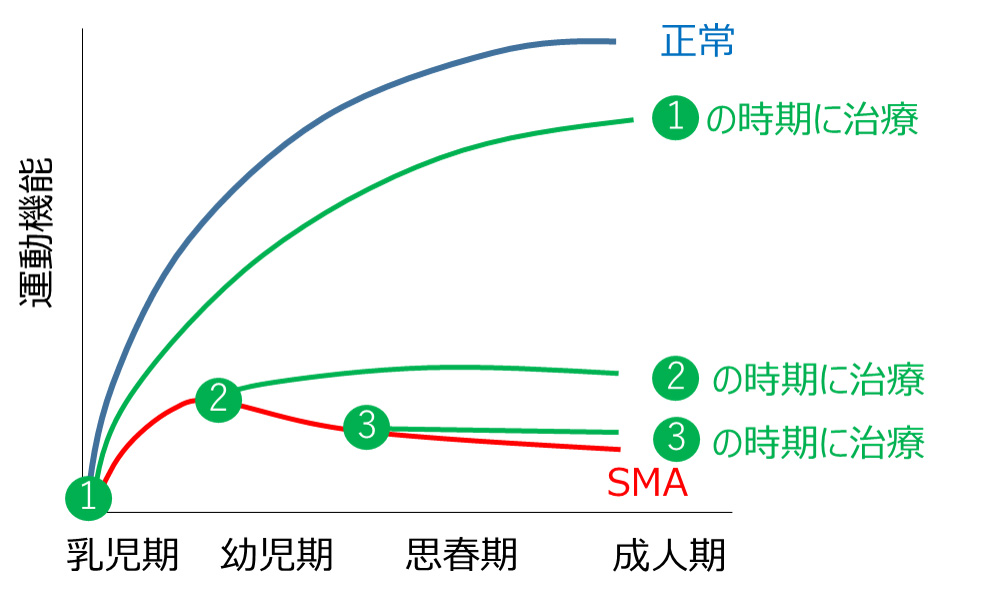
It has been found that the effectiveness of SMA treatment varies depending on whether it is administered during infancy.
"However, since the effectiveness is limited after the onset of symptoms, early detection and treatment are extremely important. The degree to which treatment needs to be urgent varies depending on the disease, but with SMA in particular, it is essential to detect and begin treatment as quickly as possible."
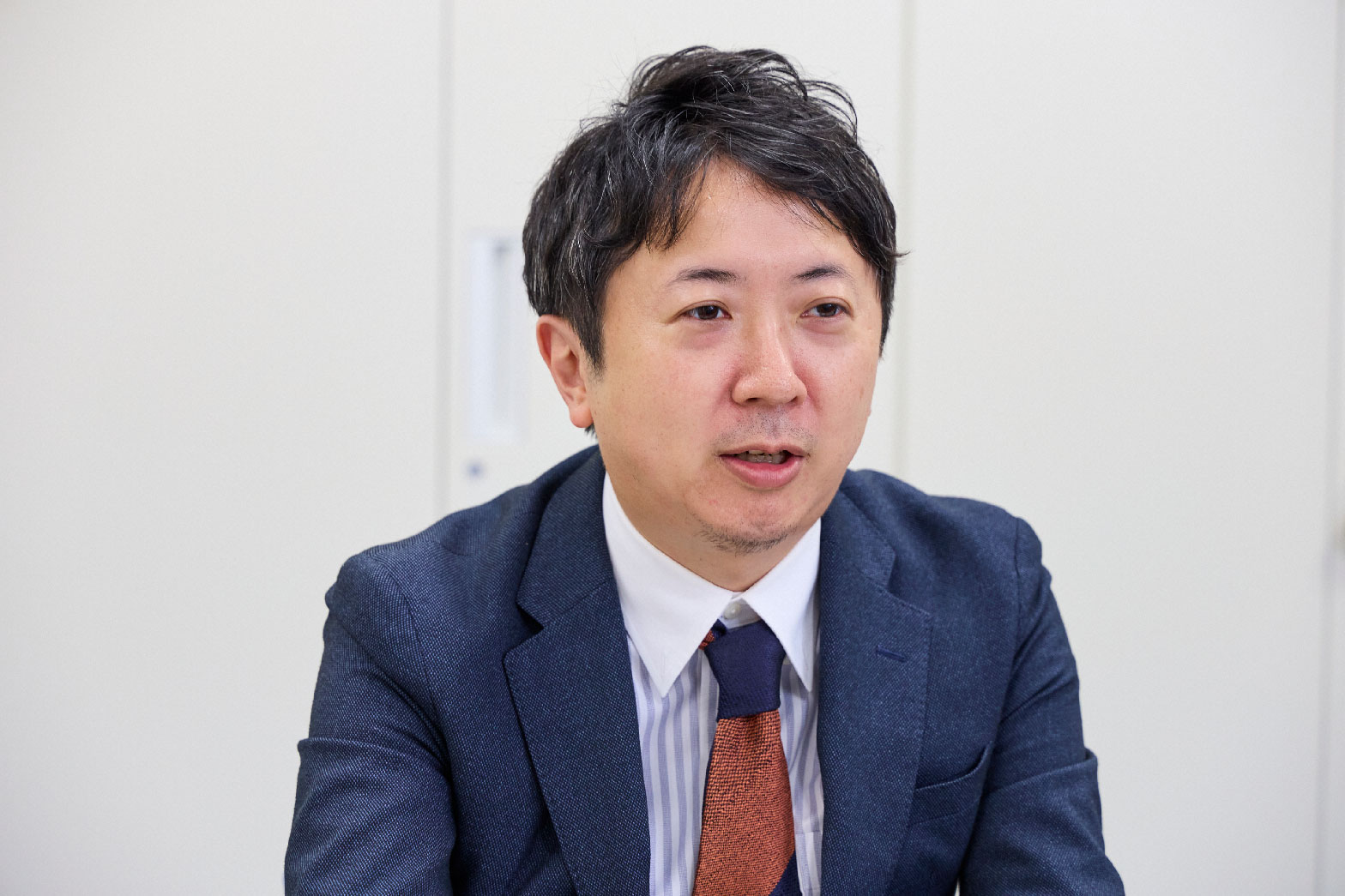
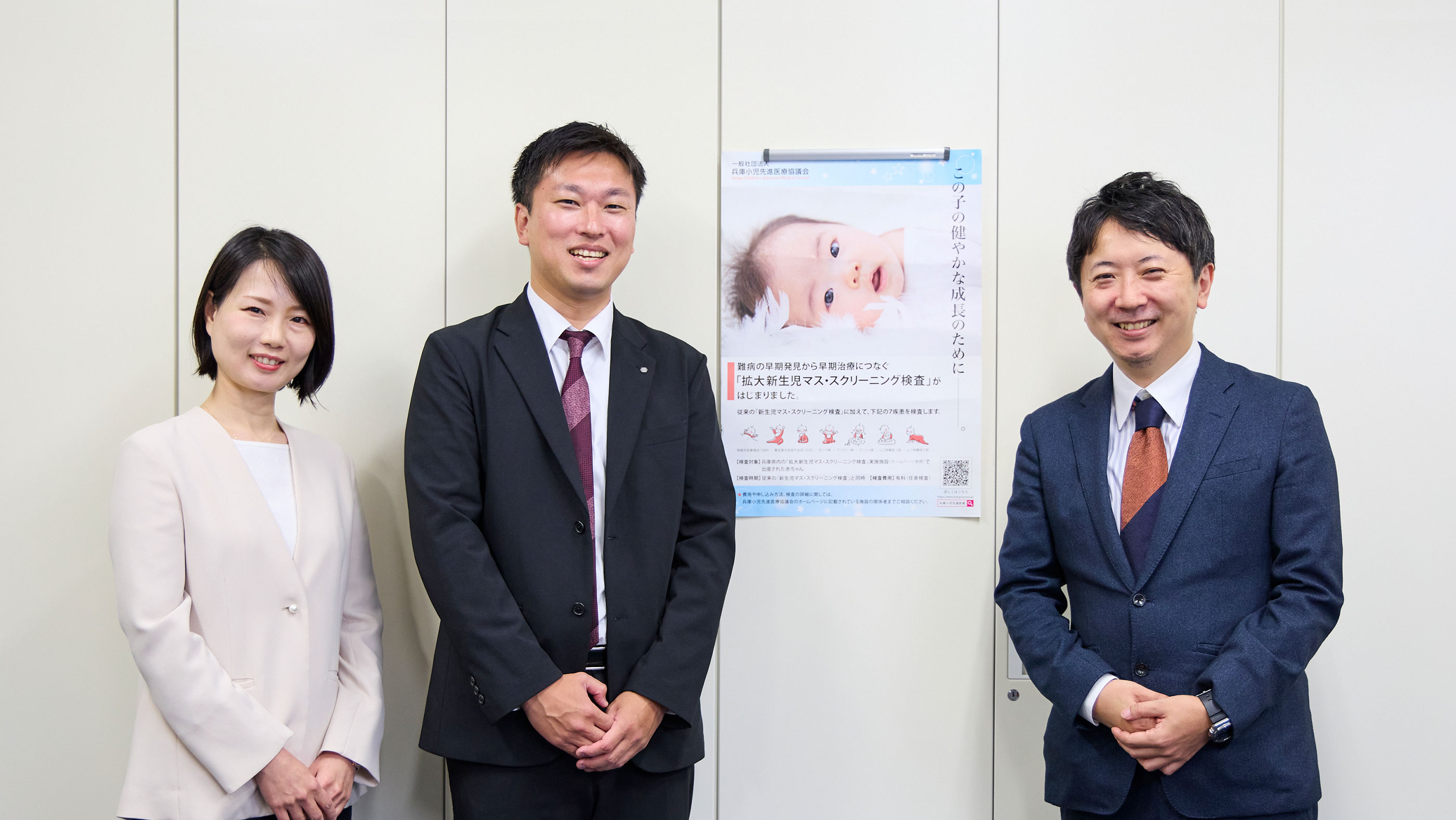
That's what Professor Ryosuke Bo said. He's working to expand the use of extended newborn screening tests.
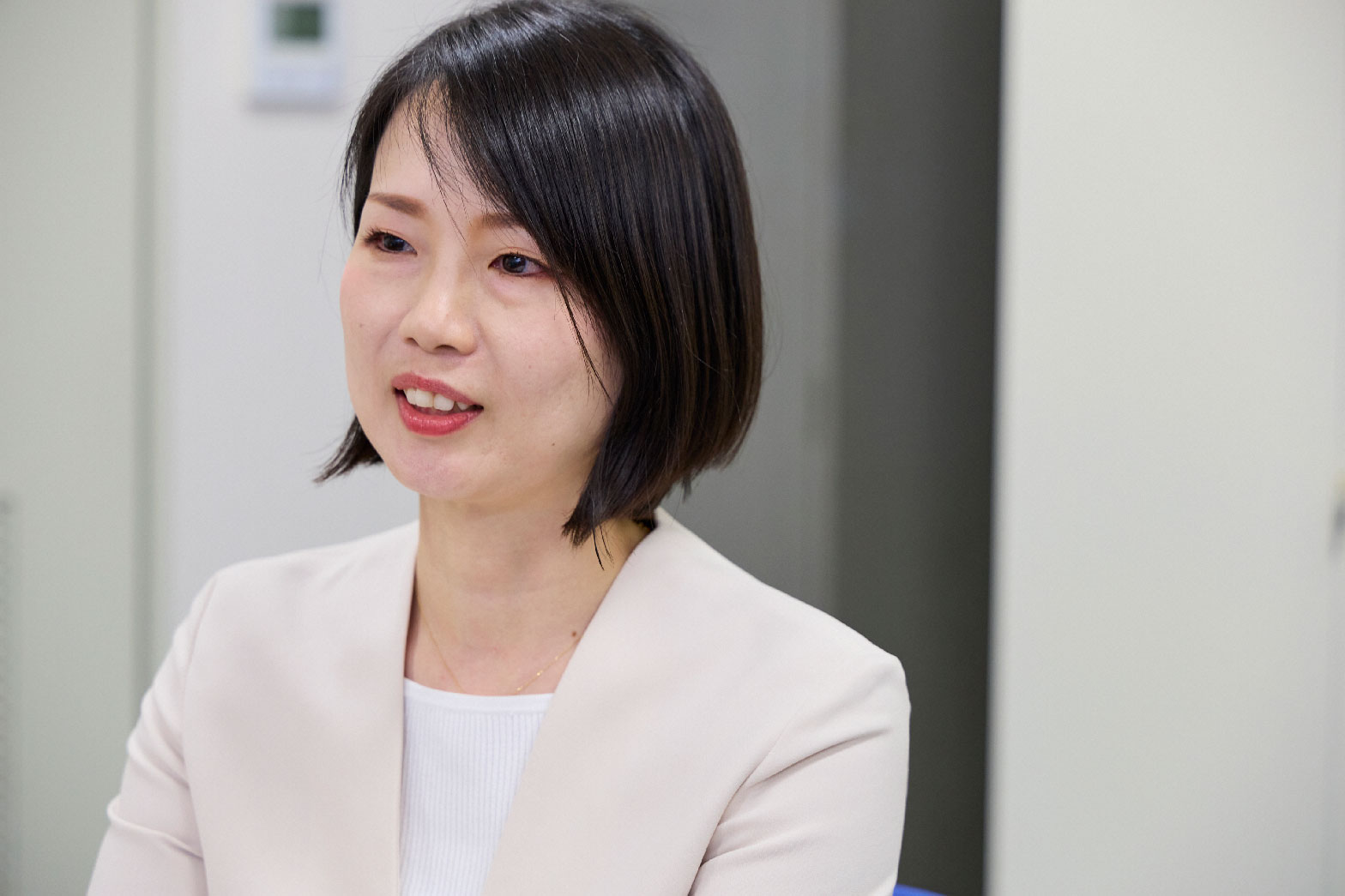
Dr. Tomoko Lee also said, "For diseases that have a treatment method and are important to detect before they develop symptoms, we want to find them as early as possible. However, awareness among the general public is still low, and because it is a new initiative, there are some frustrating aspects, such as insufficient information being disseminated."
"Expanded Newborn Screening Tests" - A need for greater awareness and widespread adoption.
Currently, expanded newborn screening tests are not covered by public funds and must be paid for out of pocket. The cost is around 10,000 yen, which is by no means cheap. In a survey of the general public regarding spinal muscular atrophy, one of the target diseases, more than 95% said they would like to have their newborn screened. The problem lies in the low rate of adoption and awareness of the test.
Although expanded newborn screening tests are gradually becoming more widespread, they are not yet available nationwide. According to a survey by the Japan Mass Screening Society, "List of Expansion Screening Implementation Status by Prefecture," as of November 14, 2023, only 32 out of 49 municipalities offered testing for "Primary Immunodeficiency Disease (PID)," "Spinal Muscular Atrophy (SMA)," and "Lysosomal Storage Disease (LSD)." Moreover, these tests are not offered at all hospitals and clinics within these municipalities.
Furthermore, the expanded newborn screening test is not explained to all pregnant women and their families.
"Implementing expanded newborn screening tests in hospitals and clinics requires a lot of preparation. It would be an additional burden on obstetricians and gynecologists who are already very busy. Also, pregnant women would have to bear the cost of the test themselves. We are not in a position to wholeheartedly recommend its adoption, but thanks to the cooperation of families who will be taking the test and the assistance of obstetricians and other medical institutions, its spread is steadily progressing," says Dr. Bo.
Dr. Lee added, "Pregnant women are already in a very difficult state before and after childbirth. They may not have the time to think carefully about the expanded newborn screening test during the hectic period before and after childbirth. Ideally, we would like them to know about the expanded newborn screening test in advance and think carefully about whether or not they want to have the test."
"I shudder to think what would have happened if I hadn't known..." Expanded newborn screening saved my daughter.
As Professor Bo and Professor Li have explained, in order for expanded newborn screening tests to become more widespread, it is necessary to raise awareness among mothers who are actually giving birth and their families.
"I believe that we are where we are today because our daughter's illness was discovered through expanded newborn screening and she was able to receive early treatment."
Ms. K, who lives in Kyoto Prefecture, answered our questions along with her one-year-old daughter.

"When I had a prenatal checkup, the doctor casually mentioned the expanded newborn screening test. It was out-of-pocket, but I didn't think it was expensive considering it's a once-in-a-lifetime test. I wanted to do everything I could for my unborn child."
Ms. K says that the explanation was brief, and there were a lot of documents she had to read. Ms. K is a healthcare professional. "I read through them, but an average mother might not. That's how quickly the explanation was given," she says with a wry smile. After that, she was admitted to the hospital in preparation for childbirth and gave birth to her daughter. An expanded newborn screening test was performed a few days after birth.
"After giving birth, the doctor told me he was concerned about my baby's weak muscle tone, so I had an MRI and other tests done. The results showed no problems with the brain, but then I was informed that the expanded newborn screening test results were positive for SMA."
K was able to transfer from the hospital she was currently attending to Kobe University Hospital, where Dr. Bo was also working, and was admitted. K said that the speed of the procedure "made me feel relieved and reassured." But what kind of conversation did she have with her family, including her father?
There are many resources available about SMA, including family support groups. "During that time, I was able to research the stories of other parents with children who have SMA on the internet and social media. I learned that, unlike in the past, it can be improved with early detection and treatment. This motivated my family to work hard on the treatment."
Later, the daughter underwent genetic testing, which confirmed she had SMA. At that time, the daughter was unable to even lift her arms. However, medication was quickly arranged, and she received her first dose at 25 days old. Two to three days later, she was able to lift her arms again. They now live together at home.

"The vast majority of people are unaware of SMA (Superficial Mammary Gland Assisted) disease. Even pediatricians and clinic doctors are sometimes unaware of it. Fortunately, my daughter's condition was detected through expanded newborn screening, and she was able to receive early treatment. I want many people to know about this," she says. "It's terrifying to think what would have happened if I hadn't known about expanded newborn screening and hadn't had my child screened."
To provide faster and more accurate test results
"Because it is a rare disease, early detection is more difficult compared to other diseases, and testing and treatment take much longer. Traditionally, testing and diagnosis were only performed after symptoms began to appear, and then treatment was started. The difficulty in testing before the onset of symptoms stemmed from the lack of a system for early testing and the high cost and time required for testing. The optimal method was to collect blood from infants and extract DNA from it. The extracted DNA was then tested for the presence of the disease gene using the PCR method. However, this DNA extraction was technically challenging and required special materials, making it time-consuming and costly."
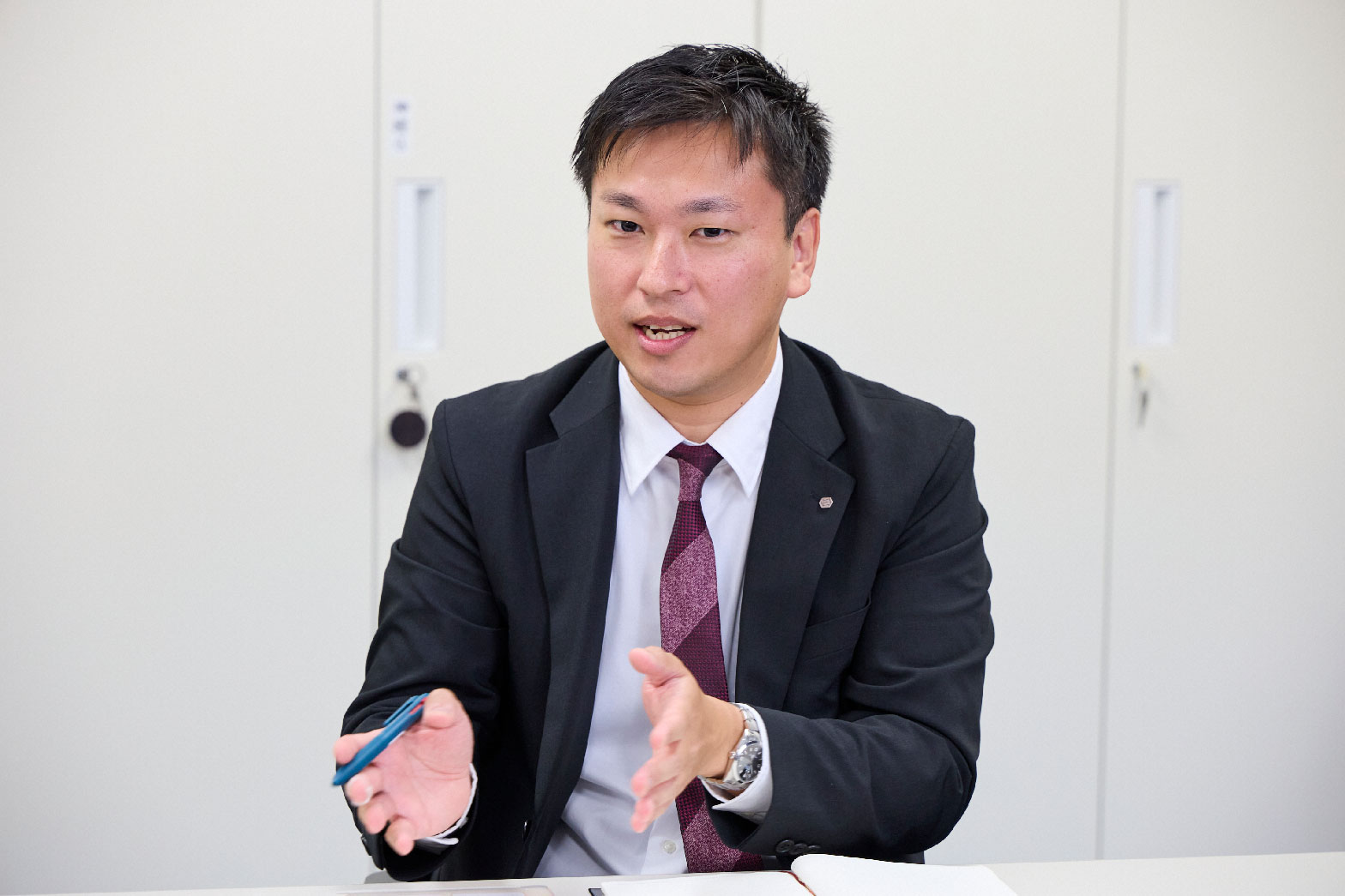
Yasuhito Aoki, sales representative for the SMCL Center of Sekisui Medical's Medical Business Division, who was present at the interview, said: "At our company, we have developed a testing method that eliminates the DNA extraction process and allows for direct testing from blood, successfully shortening testing time and further reducing testing costs. We have always felt the need to convey the importance of testing and create a system to address this issue, after hearing firsthand from the parents of patients who say, 'If only it had been detected at an earlier stage...' Since the test is not yet available nationwide, we sometimes receive negative opinions that it is unfair, but we discuss with doctors every day that we want them to introduce the test if it can save lives."
Responding to the demands of families and doctors who want to know the test results as soon as possible, they succeeded in lowering the cost barrier to the test and making expanded newborn screening available to more newborns.
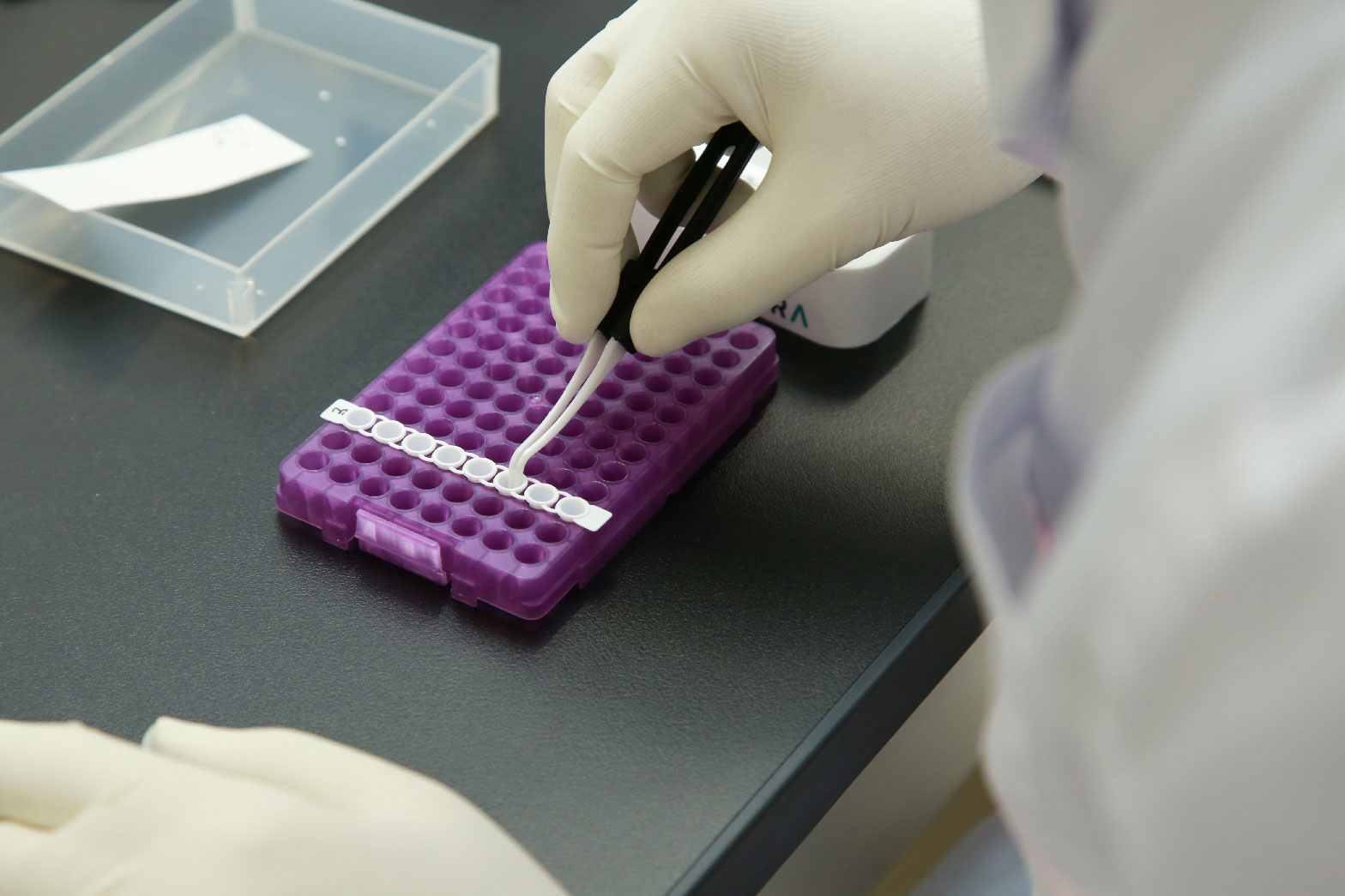
SMCL Center primarily engages in two businesses. One is the sale of diagnostic reagents. The other is the contract clinical testing business, utilizing its proprietary technologies, including expanded neonatal screening tests, and is conducted as a "registered hygiene testing laboratory" certified by Ibaraki Prefecture. For contract clinical testing, SMCL Center concludes contracts with testing centers in each municipality, and samples are sent from obstetric facilities to the testing centers in each municipality, and then to Sekisui Medical's testing laboratory for testing. Once the results are available, the information is returned to the testing center.
To conduct tests quickly, it is necessary to streamline the flow from obstetric facilities to testing centers and then to testing laboratories. Furthermore, the speed at which test results are shared is also crucial.
"Designing the process from the test results to the appropriate response is also crucial," says Professor Bo.
In reality, the time it takes to get the test results varies from one municipality to another. This is due to factors such as the holidays of testing facilities and whether the blood sample is sent by regular mail or express delivery. The overall system can significantly affect the results.
"We have worked with pharmaceutical companies and others to improve reagents in the past, but this is the first time we have considered the entire system, including shortening the testing period, the delivery system, and information sharing methods," says Aoki. "The cooperation of Sekisui Medical, as well as the government and medical institutions, is indispensable. There is now a treatment for a disease that had no treatment 10 years ago. We want to save lives by spreading this treatment and implementing it in society," says Dr. Lee. Everyone is working together to save the lives of babies and continues to make improvements.
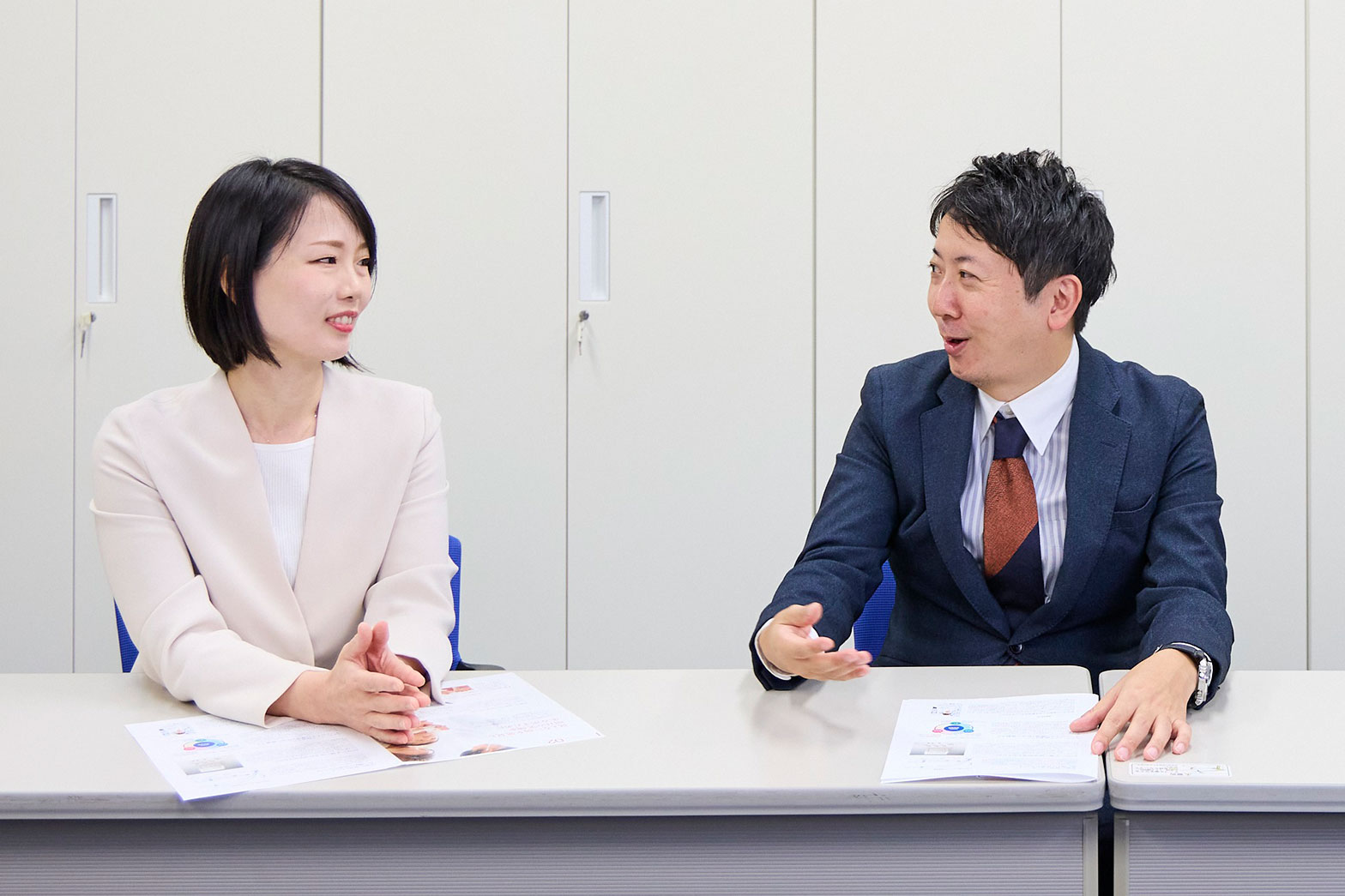
However, Dr. Tobo continues, "As a doctor, there are times when I find it difficult. From a doctor's perspective, I think, 'It's good that the disease was found early and can be treated!' But for the family, it can be very painful to hear that their healthy baby has a disease. Even so, we have no choice but to move forward so that they can look back on it and think it was all for the best a few years or ten years from now."
Even when an illness is detected through expanded newborn screening, many families wonder, "Was there really a problem?" because early treatment is provided.
Professor Lee also said, "That's why we need to raise awareness even more. The other day, Professor Bo participated in the Maternity Festival. We are working to raise awareness about expanded newborn screening through public lectures and the Maternity Festival. As a result, it is starting to reach the general public. I don't think there should be any unfairness in information where someone is unable to get screened because they were unaware of expanded newborn screening. Public support will probably be necessary to ensure that this information reaches pregnant women fairly."
Thanks in part to a petition from a patient and family association, two rare disease screenings are now being made publicly funded.
In October 2023, the Japanese Society of Pediatric Neurology and the SMA Family Association submitted a request to the government asking for SMA to be included in the list of diseases covered by the "newborn screening test." They also called for the establishment of a system for early treatment of those who test positive. Then, in November, the Agency for Child and Family Affairs decided to implement publicly funded testing for two rare diseases: SMA and Severe Combined Immunodeficiency (SCID), a type of PID. The plan is to start with municipalities that are ready and eventually aim for a nationwide, uniform testing system.
The aspirations of Professor Bo, Professor Li, Ms. K, and Sekisui Medical are taking shape, along with the efforts of many others. Their hope is that as many people as possible will be informed about expanded newborn screening tests in advance, for the sake of babies yet to be born. They want to create a future where all babies are protected from serious illnesses.