Sekisui Chemical and Trusco Nakayama: Creating the future of supply chains through DX co-creation
公開日:
What thoughts and stories were behind its development?
How will that connect to the people and societies living on Earth?
"SEKISUI | Connect with" is a future-creating media platform that connects you with Sekisui Chemical.
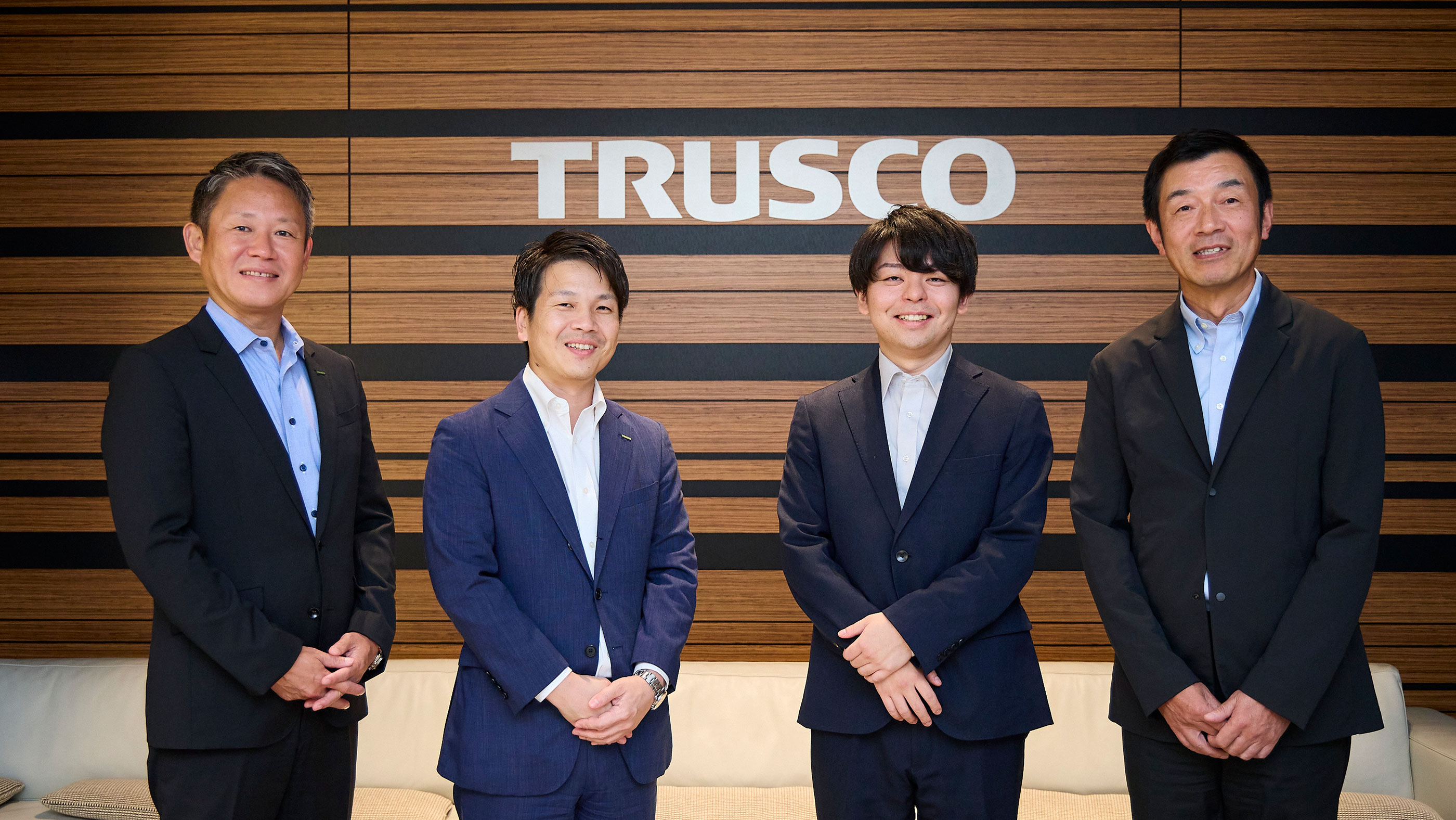
In today's uncertain economic and social landscape, the number of challenges that cannot be solved by a single company alone continues to increase. Large corporations are increasingly moving away from their traditional self-reliance approach and seeking to create synergies by leveraging the strengths of each company. Trusco Nakayama and Sekisui Chemical, the focus of this article, are also striving to create future supply chains through digital transformation (DX) collaboration.
We want to make the benefits of DX visible to factory floors and other workplaces.
Trusco Nakayama, a major wholesaler of various tools and consumables for factories, has been driving reforms through the use of IT since the 2000s. It has been selected for three consecutive years as a "DX Stock," which recognizes leading companies in DX, and has also been selected as a "DX Platinum Company 2023-2025," and is known as a successful example of DX.
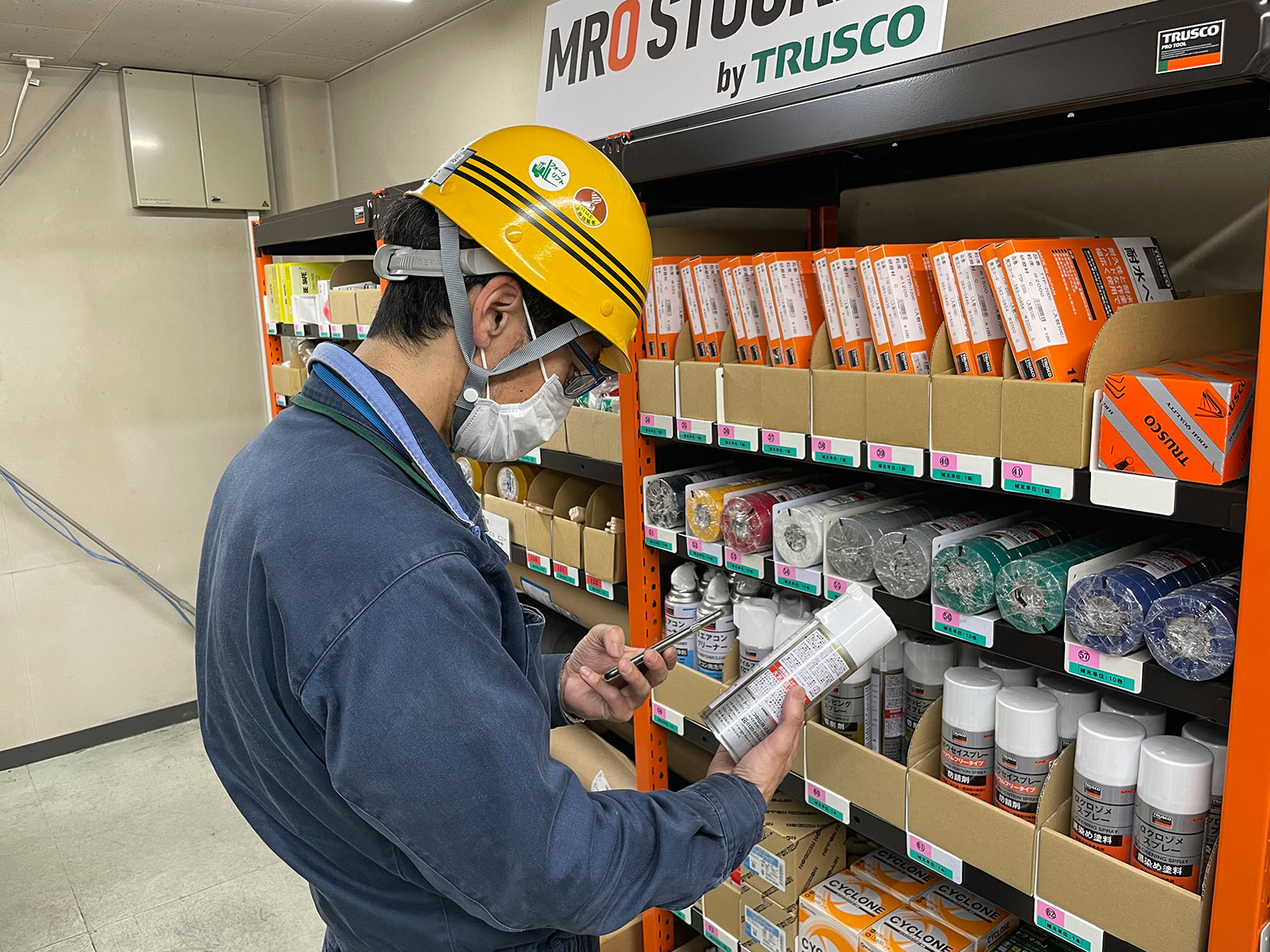
The company's "MRO Stocker," a tool storage system, combines the business model of providing medicines on-site with the power of IT, enabling reduced inventory management costs through automation and optimization of inventory replenishment. Specifically, Trusco Nakayama installs MRO Stockers in factories and other locations, where it stores tools and other assets. When factory workers need a tool, they can take it from the stocker and complete the purchase by scanning it with their smartphone. This eliminates the time required for ordering, delivery, and receiving. It achieves the "ultimate in short delivery times," where you can get what you need, when you need it.
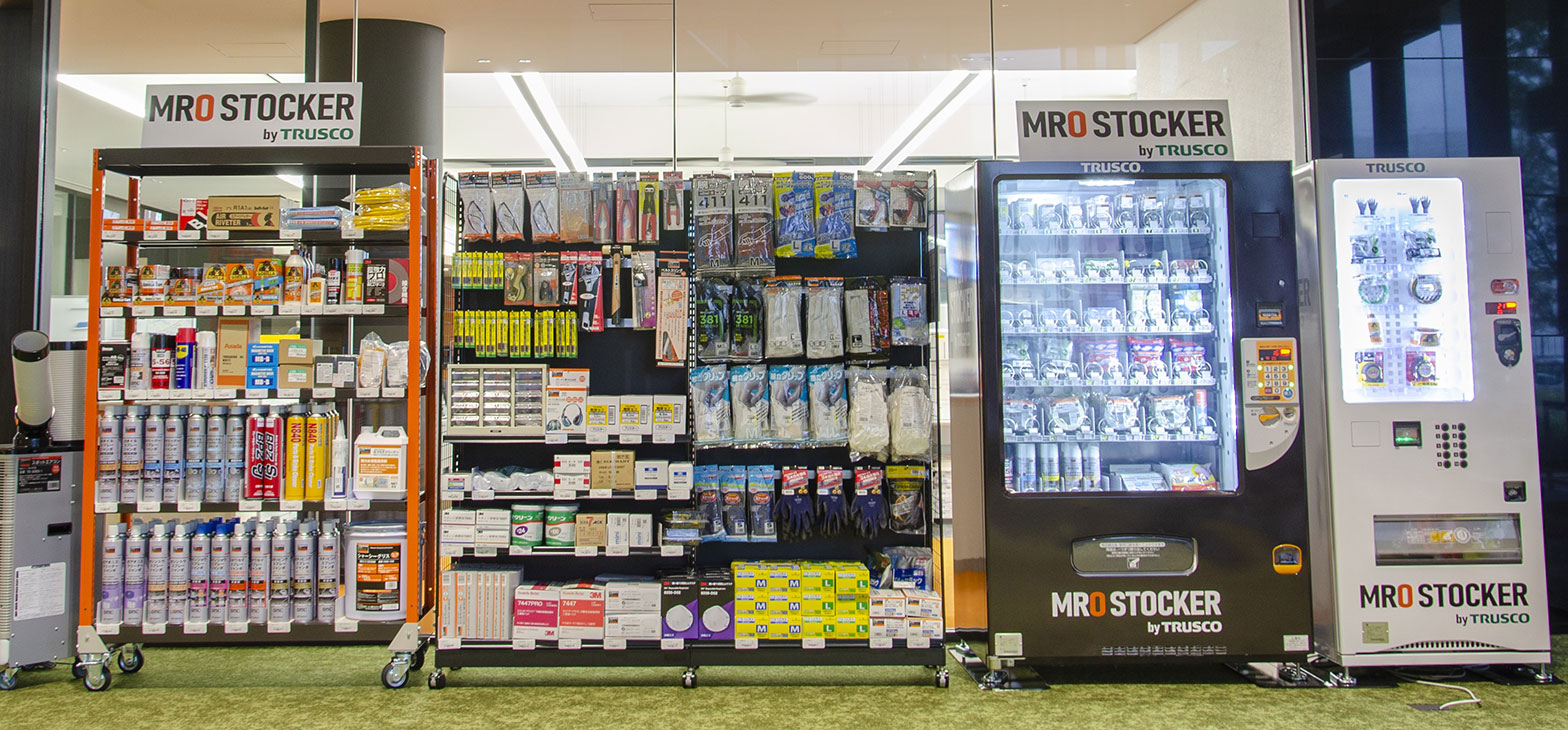
Sekisui Chemical was quick to recognize the potential of this MRO (Maintenance, Repair, and Overhaul) storage system and has started new initiatives related to it.
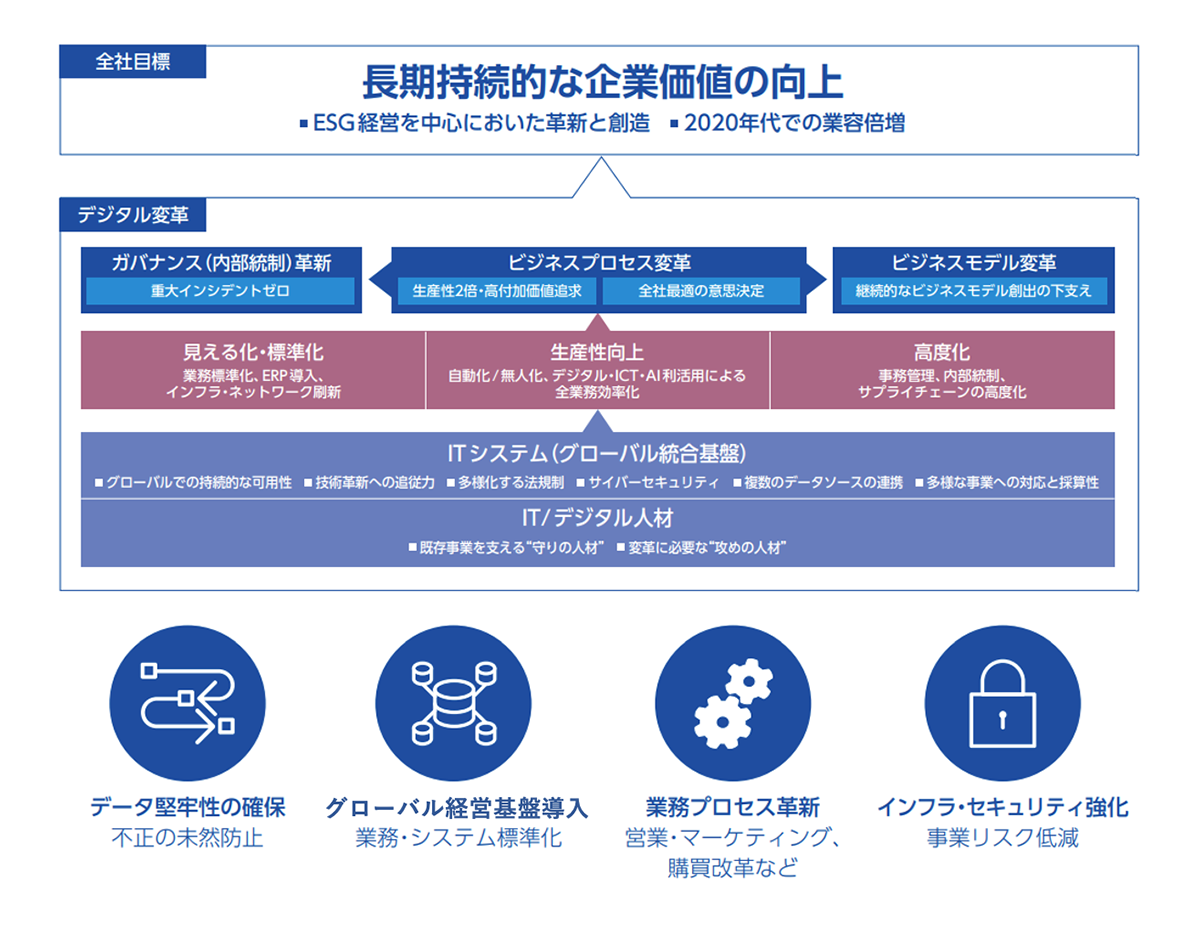
"Our department is responsible for driving digital transformation across the entire Sekisui Chemical Group. One of these projects is the unification of core systems, including global systems. As we aim to double our business operations, we believe that unifying core systems is a way to improve cost efficiency."
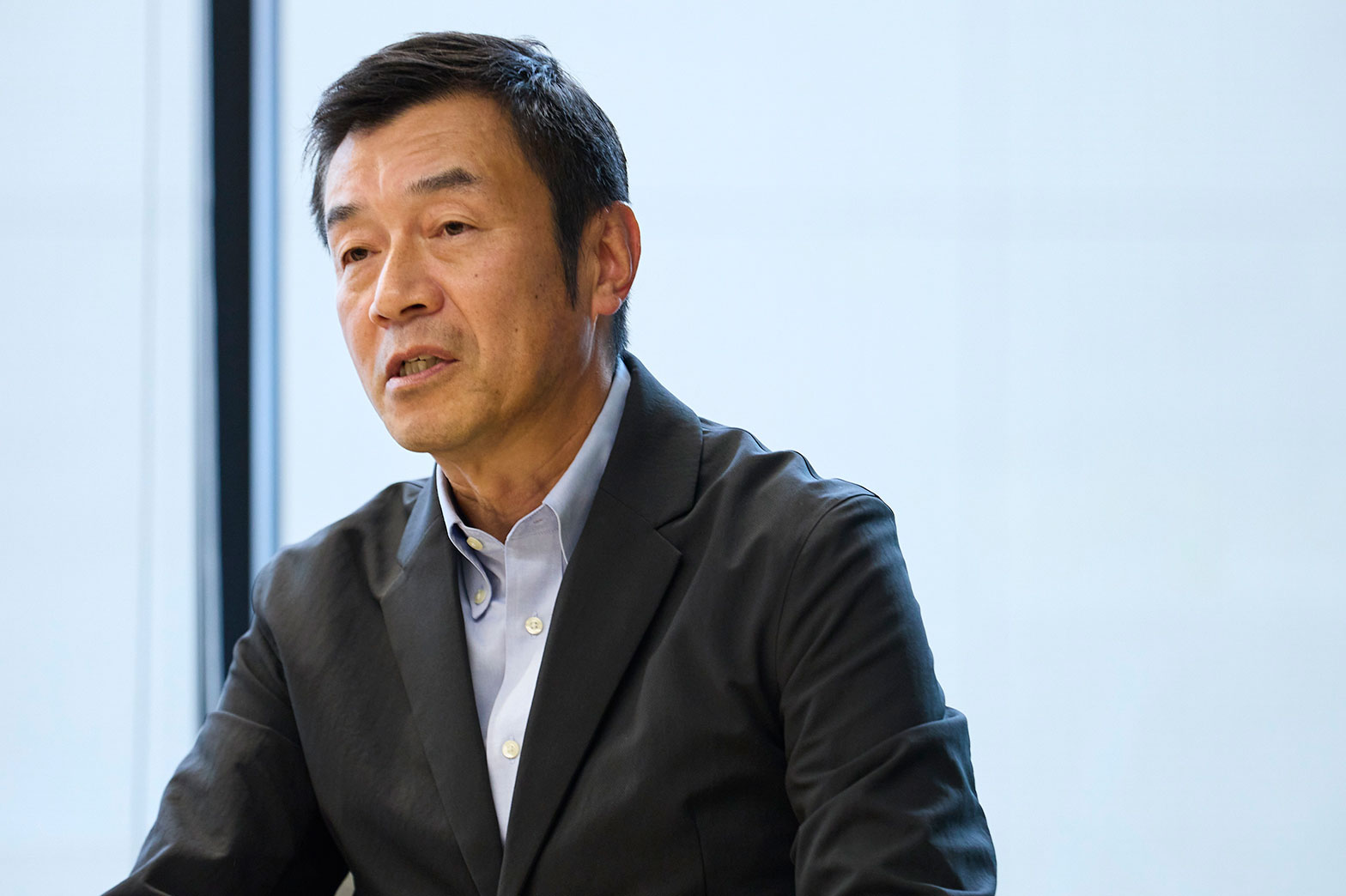
This is said by Yoichi Ikemoto, General Manager of Sekisui Chemical's Digital Transformation Promotion Department. Sekisui Chemical has launched its long-term vision "Vision 2030," focusing on ESG management and aiming to double its business volume by 2030. Ikemoto and others are working to unify their company-wide core systems, which are currently optimized individually, in preparation for doubling business volume and expanding Overseas Housing.
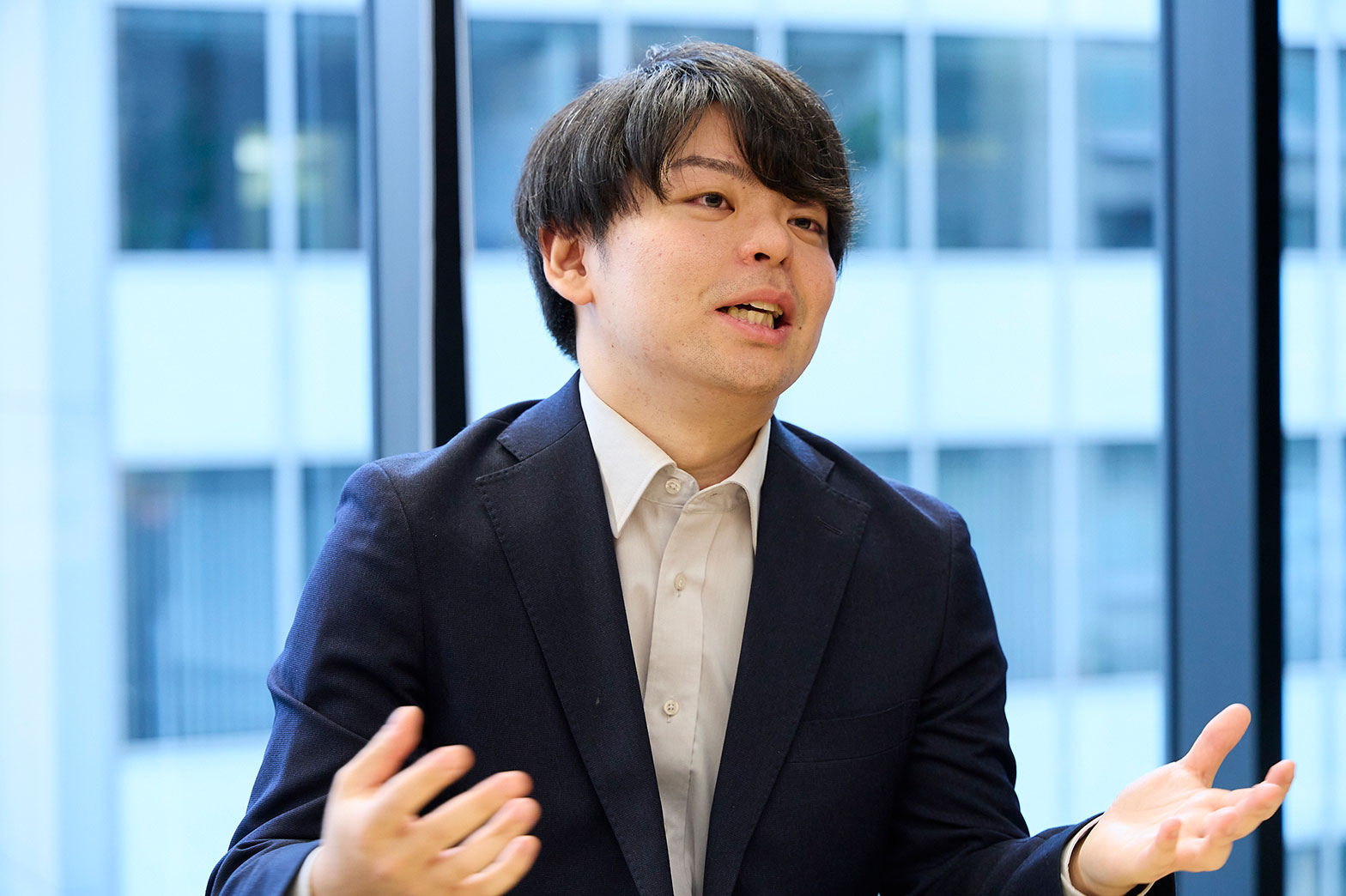
Katsuyuki Matsuda of the Digital Solutions Promotion Office in the same department, who was also present, continued.
"As we were changing our core systems, we realized that reforming our purchasing process was also necessary. Up until now, in most of our factories, the purchasing manager on site would procure goods through local companies. However, this often resulted in variations in purchase prices for the same product. Therefore, we believed that centralizing information management would significantly reduce costs (CR)."
To manage its purchasing process, the company adopted Coupa. Coupa is a SaaS that digitizes the entire process from ordering to payment, allowing users to check the transaction status with business partners in real time through a portal until payment is completed. By having factories and other businesses purchase through Coupa, information becomes more transparent. Data that was previously scattered by factory is also being centralized.
"By consolidating, we might be able to reduce purchasing costs through economies of scale. That was the thinking behind our decision to implement it, but we also knew that the people on the ground wouldn't be easily convinced."
Ikemoto, who said this, originally had a career in factory management. Although he is the head of the Digital Transformation Promotion Department, he also knew that the people on the ground would not easily accept the introduction of digital technology.
"People on the ground have their own perspectives. For them, having to go through Coupa every time to buy something they used to be able to easily purchase can feel like a hassle. So, we had to provide them with tangible benefits that outweighed that perceived inconvenience. That's when we came up with the idea of Trusco Nakayama's MRO Stocker."
Two services from major companies: What lies beyond overcoming the "difficulty of connecting"?
"While our MRO storage units are now installed in over 1,000 locations, when Sekisui Chemical, or rather Mr. Ikemoto, first approached us, we were struggling to get the MRO storage units to become widespread."
Masashi Yamamoto, General Manager of Sales Planning and e-Business Sales at Trusco Nakayama, reflects on the experience.
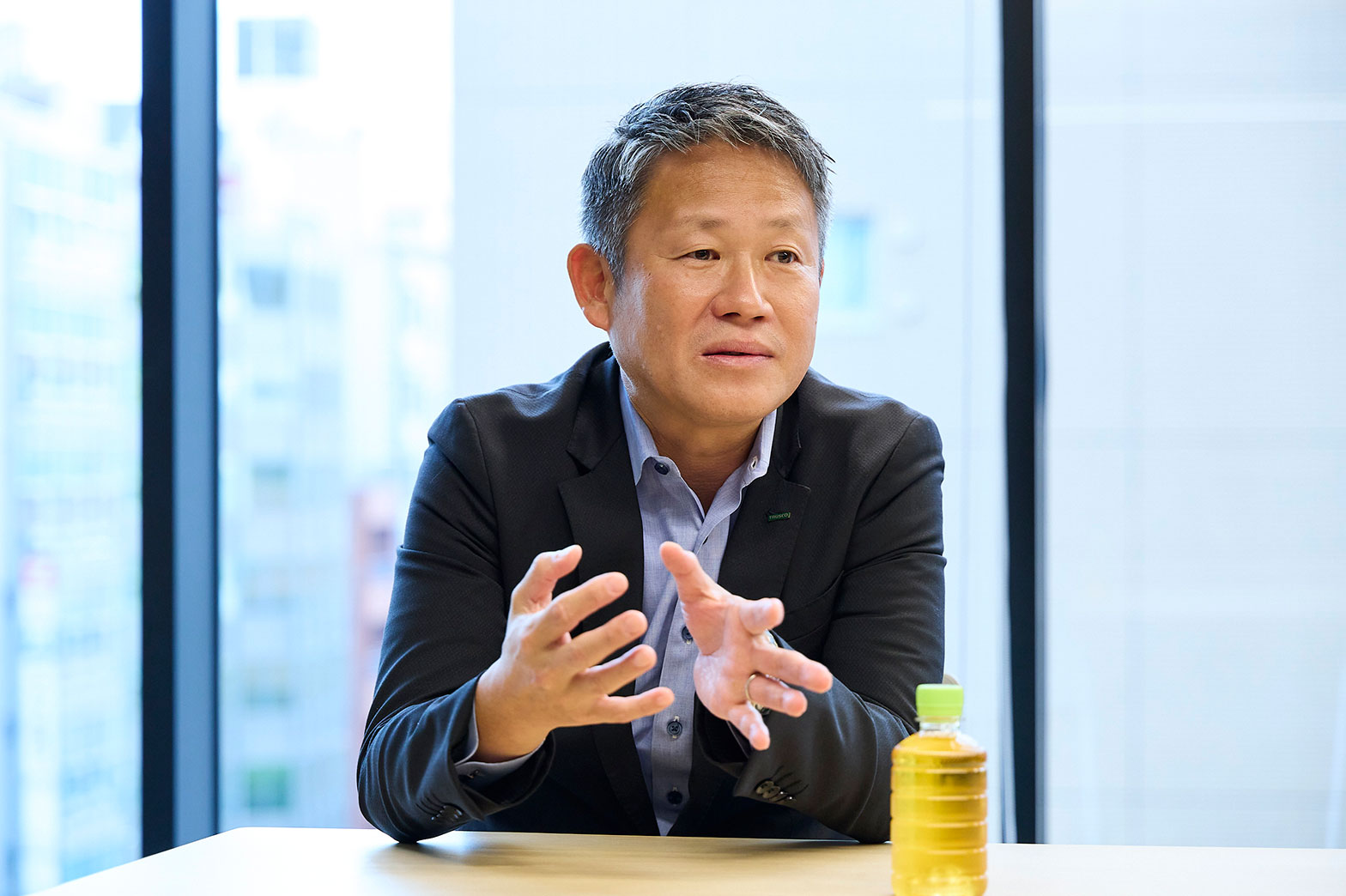
"We released the MRO Stocker in 2020, but since it was our first attempt, we were only able to install it in about 40 locations in the first year. We thought it would be as easy to install as a medicine cabinet, but it required changing the purchasing process on site, so it wasn't as simple as we thought. As we are a wholesaler, we didn't often get to hear directly from the factory workers who actually use the tools, but while we were learning a lot through the MRO Stocker, Sekisui Chemical contacted us."
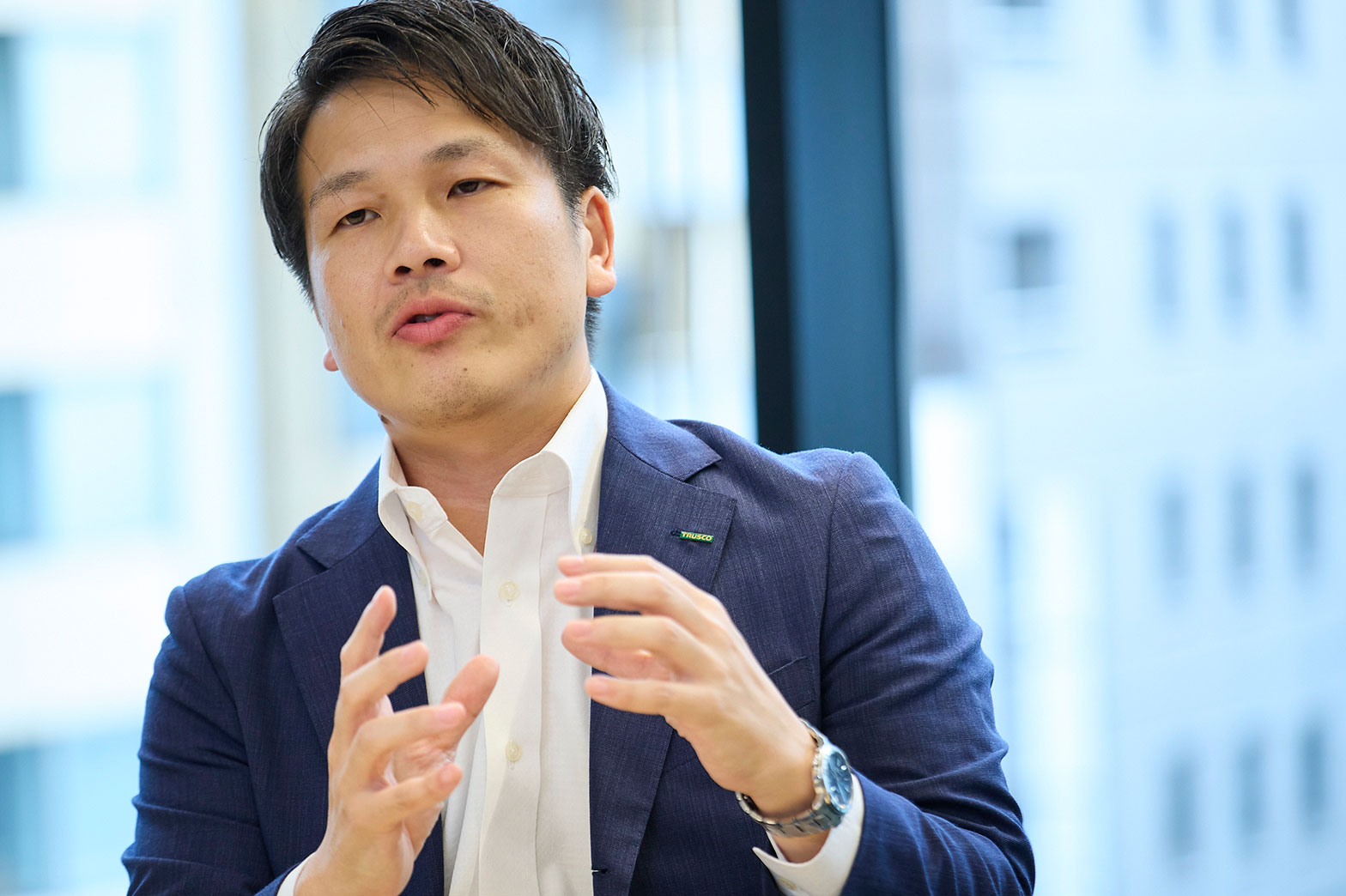
This is according to Koichi Uezono, manager of the MRO Stocker Promotion Section in the Sales Planning Department at Trusco Nakayama. Mr. Uezono has built and nurtured the MRO Stocker from scratch. Ikemoto nods and explains the background behind his consultation with Trusco Nakayama.
"For factory workers, the MRO stocker offers the advantage of being able to get what they need, when they need it. It's easy to say, 'Isn't this great?' I explained that implementing this would also require the unification of our core systems and the transformation of our purchasing processes, and I thought that this might help them understand the situation on the factory floor."
However, the road was not easy. Matsuda of Sekisui Chemical explains.
"First, there was the big question of whether Coupa and MRO Stocker could be connected. When I talked to Mr. Uezono about it, he said he had never done it before. Of course, neither had I. Both MRO Stocker and Coupa were complete services, so we repeatedly considered whether they could be connected in their existing state."
Mr. Uezono also admitted, "At first I thought it would be possible, but MRO Stocker has its own rules, Coupa has its own rules, and Sekisui Chemical's system also has its own rules, so finding common ground among multiple rules and actually linking them up was a really tough job."
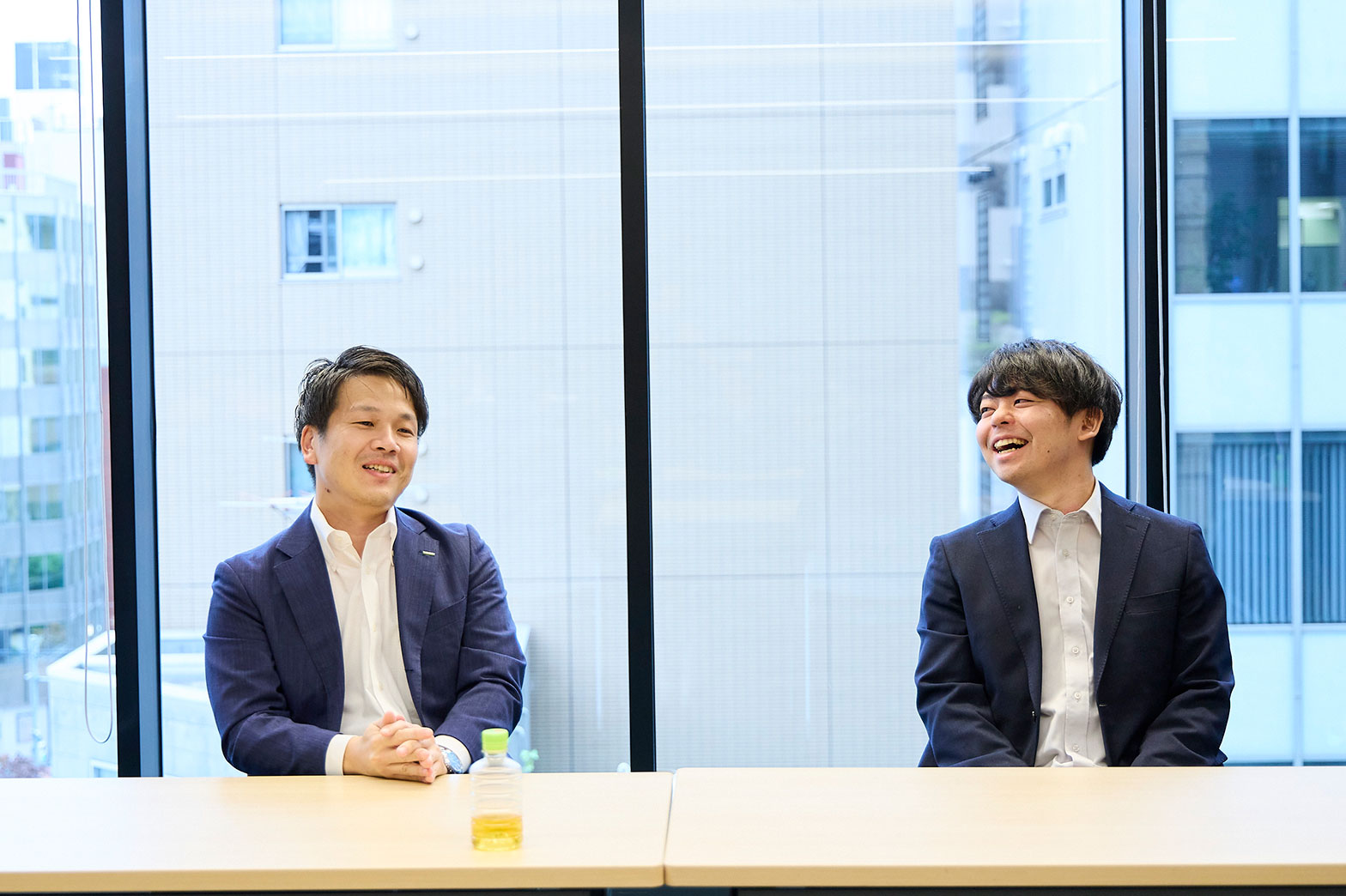
Matsuda and Uezono, who were in charge of the project on-site, struggled for about two years. It wasn't until 2023 that they saw a glimmer of hope amidst their struggles. With the integration now in sight and after test operations, the system is now being fully implemented in some factories. The introduction to each factory is progressing steadily. Matsuda describes the current situation as follows:
"With the MRO Stocker alone, you could simply take an item from the shelf, scan it with your smartphone, and the purchase would be completed. However, from the perspective of those managing Sekisui Chemical's factory, there was a concern that workers might end up purchasing unnecessary items. So, we integrated it with Coupa, allowing all monthly usage amounts and details to be managed on Coupa. This seems to have made the factory more willing to accept the system."
The future supply chain envisioned through the collaboration of the two companies
"It's gratifying to see that the people on-site are happy with the results," Matsuda said, and Uezono continued, "Through the MRO Stocker, we receive feedback from factory workers about what other items they would like us to stock, which is also a learning experience for us. While the MRO Stocker is a service, we don't view it as a standalone service. It's one of the measures we're taking to streamline the entire supply chain." In other words, the MRO Stocker is part of the future supply chain they are envisioning.
The collaboration between the two companies has just begun, but they are already exploring new initiatives to create the supply chain of the future.
"The MRO (Maintenance, Repair, and Overhaul) storage area is usually where frequently used tools are kept, but I'd like to see it used to store items that aren't used very often but are relevant to operational and preventative maintenance of the factory. This would allow us to respond quickly if any unforeseen incidents occur at the factory."
Sekisui Chemical's Ikemoto says so. On the other hand, for Trusco Nakayama, there is the risk of leaving products on the shelves indefinitely, with no idea when they will sell. In order for both parties to have a win-win situation, a review including the pricing plan will be necessary. However, this is something that could only be seen after actually putting it into operation. Matsuda continues.
"Furthermore, Trusco Nakayama's catalog includes quite a few products from Sekisui Chemical. Since they regularly deliver replenishment items for the MRO stocker, we can, for example, have them load up with Sekisui Chemical products on their way back. That way, we don't have to drive the car back empty."
By having two companies handle routes that were previously handled by a single company, waste will be reduced. This initiative is likely to be an effective measure against the "Logistics 2024 Problem," which will impose limits on overtime work for truck drivers starting in April 2024.
"First of all, by having MRO (Maintenance, Repair, and Overhaul) storage units located on-site in advance, we can reduce the number of deliveries, which has the added benefit of lowering CO2 emissions. If we can reduce waste by making deliveries round trips instead of just one way, we can further reduce CO2 emissions. We've just started considering this, and there are hurdles to overcome in changing the system, but we want to move forward positively."
Mr. Yamamoto of Trusco Nakayama said this, and Mr. Uezono nodded in agreement. Ikemoto said, "At Sekisui Chemical, we are running several DX-related initiatives and visualizing their results as contributions through DX. In terms of that score, this initiative is still only halfway there. We want to produce results by continuing to advance the initiative," expressing his enthusiasm for future progress.