We are creating the future of pharmaceuticals, and the hope of patients.
公開日:
What thoughts and stories were behind its development?
How will that connect to the people and societies living on Earth?
"SEKISUI | Connect with" is a future-creating media platform that connects you with Sekisui Chemical.
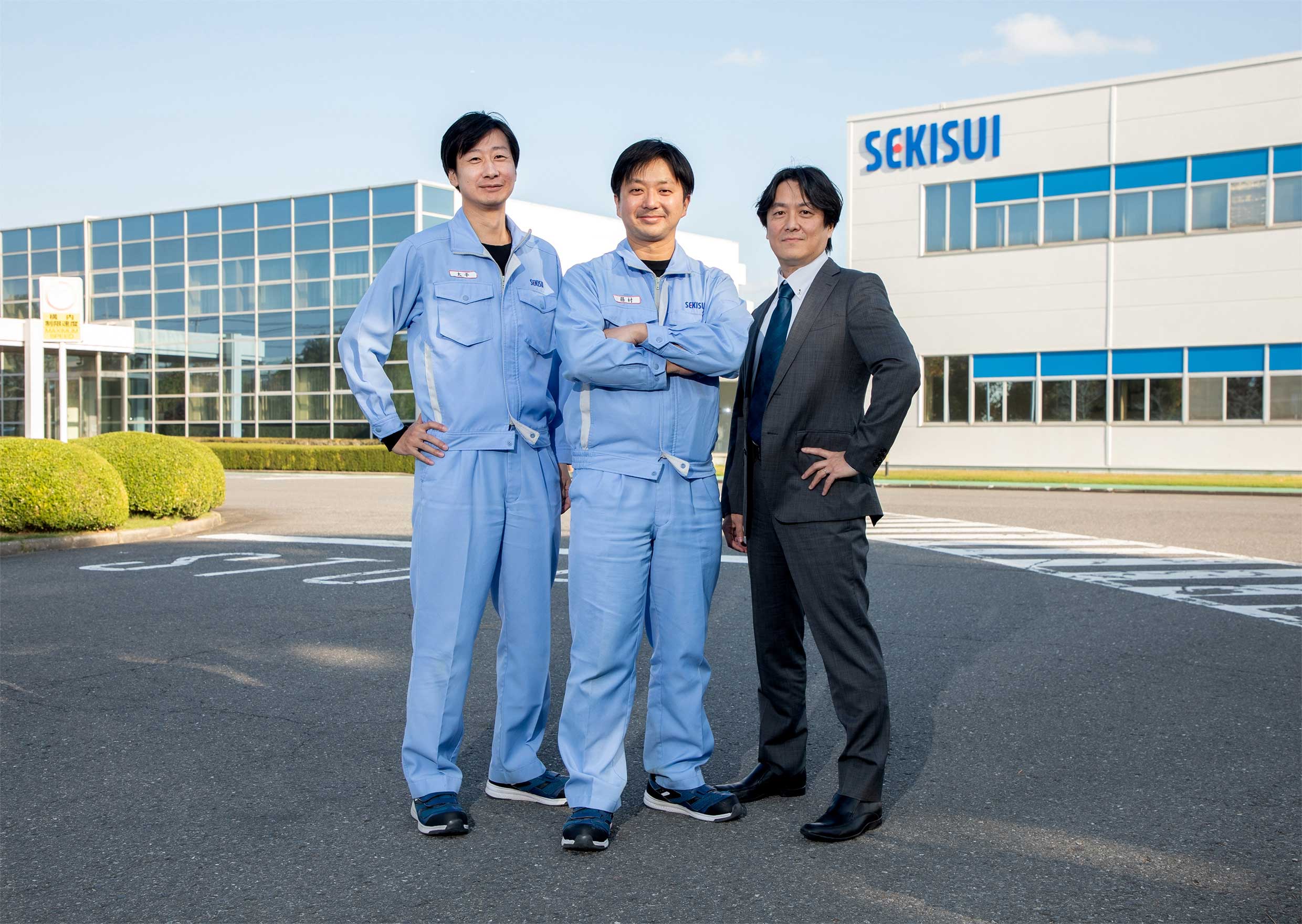
It is said that there are currently more than 15,000 types of pharmaceuticals in Japan. With the diversification of medical needs, the role and expectations that patients place on medicine are expanding, and the development of new drugs for diseases that could not be treated with conventional medications is eagerly awaited. Sekisui Medical has collaborated with almost all domestic pharmaceutical manufacturers on new drug development. By supporting drug development behind the scenes, they have brought hope to many patients. This article introduces Sekisui Medical's mission in drug discovery support and the thoughts of its employees.
- From discovery to the launch of new drugs, we have supported pharmaceutical development.
- The only pharmacokinetic study in Japan that tracks the fate of drugs.
- To get medicine to patients as quickly as possible
- Voice from the drug discovery front lines: They are leaders in the industry. Together, we want to support many patients.
- They embody their brand promise with a sincere commitment to quality.
From discovery to the launch of new drugs, we have supported pharmaceutical development.
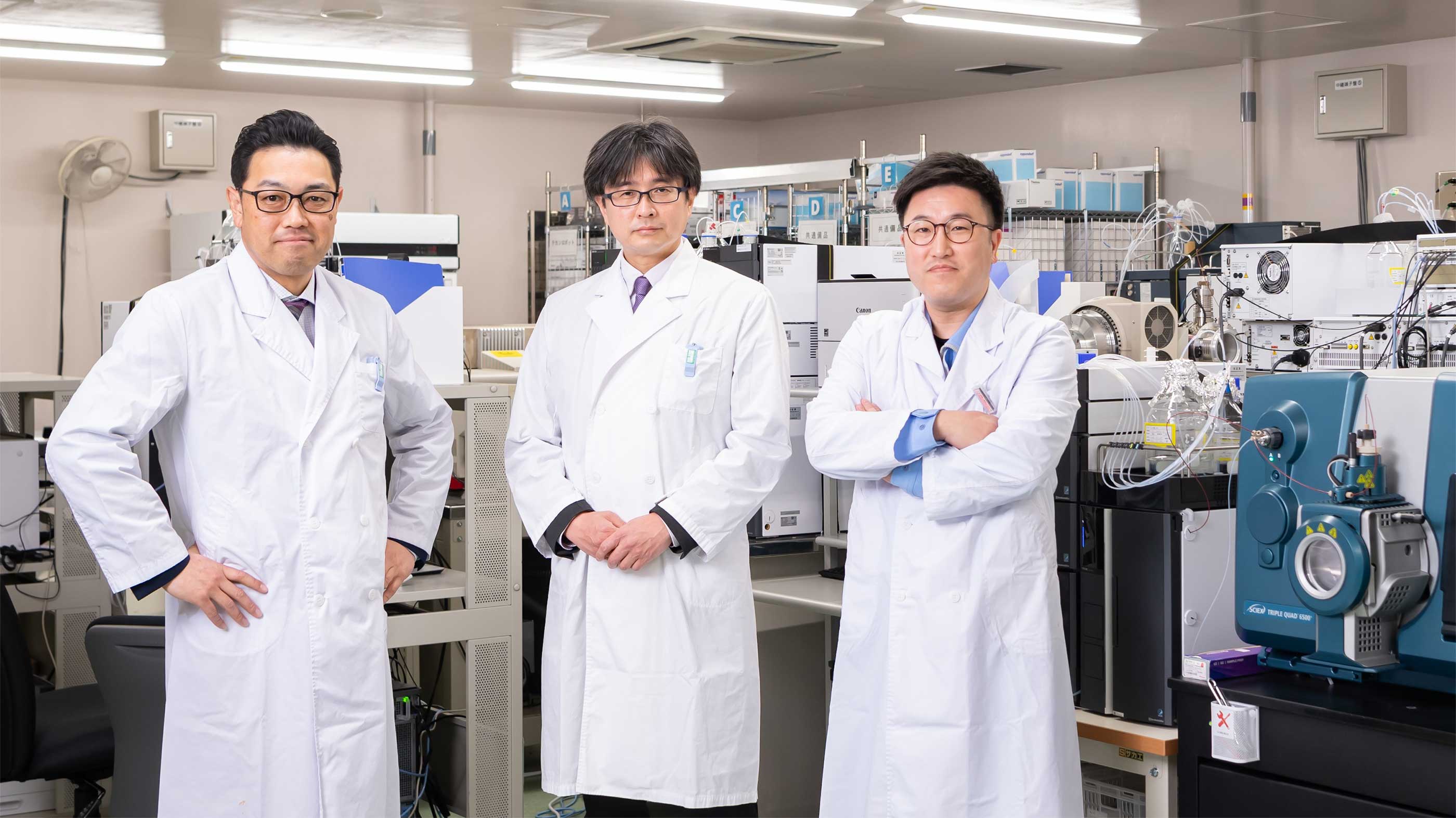
Since the establishment of its Drug Discovery Support Center in 1965, Sekisui Medical has accumulated knowledge and expertise in drug discovery through handling approximately 30,000 drug development projects. With its wide range of testing services and advanced technical capabilities, it has underpinned the drug development of pharmaceutical companies. Currently, it provides comprehensive support for drug development, from discovery and screening of useful compounds to non-clinical and clinical trials, and the launch of new drugs.
The drug discovery support business consists of two parts: the "Drug Discovery Support Business Promotion Department," which is responsible for sales and planning, and the "Drug Discovery Support Center," which conducts contract trials. A standard workflow begins like this: A pharmaceutical company requests a trial from the sales department. Information is shared with the Drug Discovery Support Center to confirm the feasibility and schedule of the trial. The sales department works in conjunction with the center to present a price estimate and schedule. Once the contract is finalized, a trial manager is assigned.
Zaima of the Drug Discovery Support Sales Office says he focuses on consultations that involve close communication with clients. "We share information with the Drug Discovery Support Center and act as a link between the client and the center. We provide thorough consultations on what kind of tests are necessary, what kind of tests should be designed to perform a certain evaluation, what aspects of data should be collected and to what extent when applying to the PMDA, and what can be omitted."
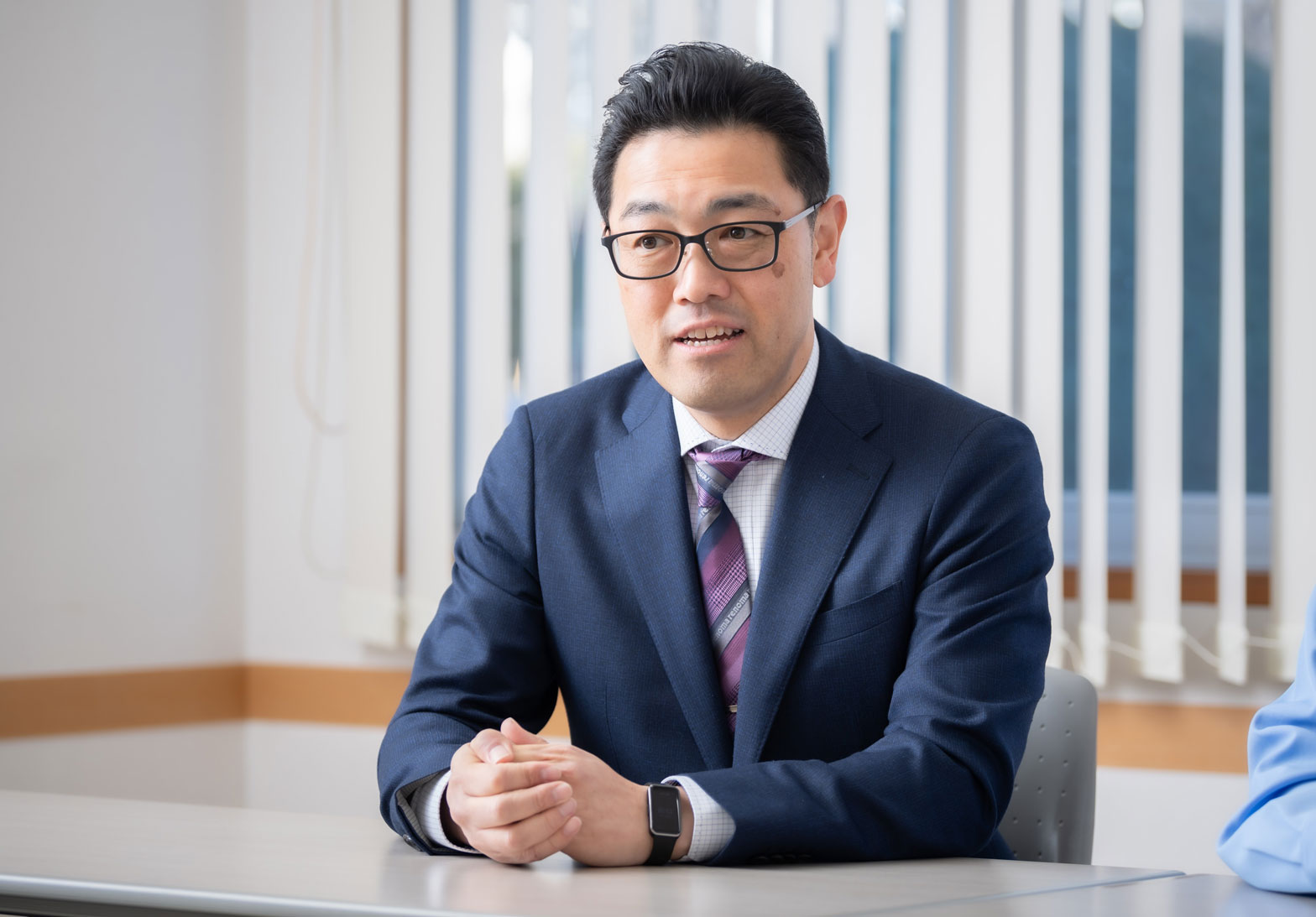
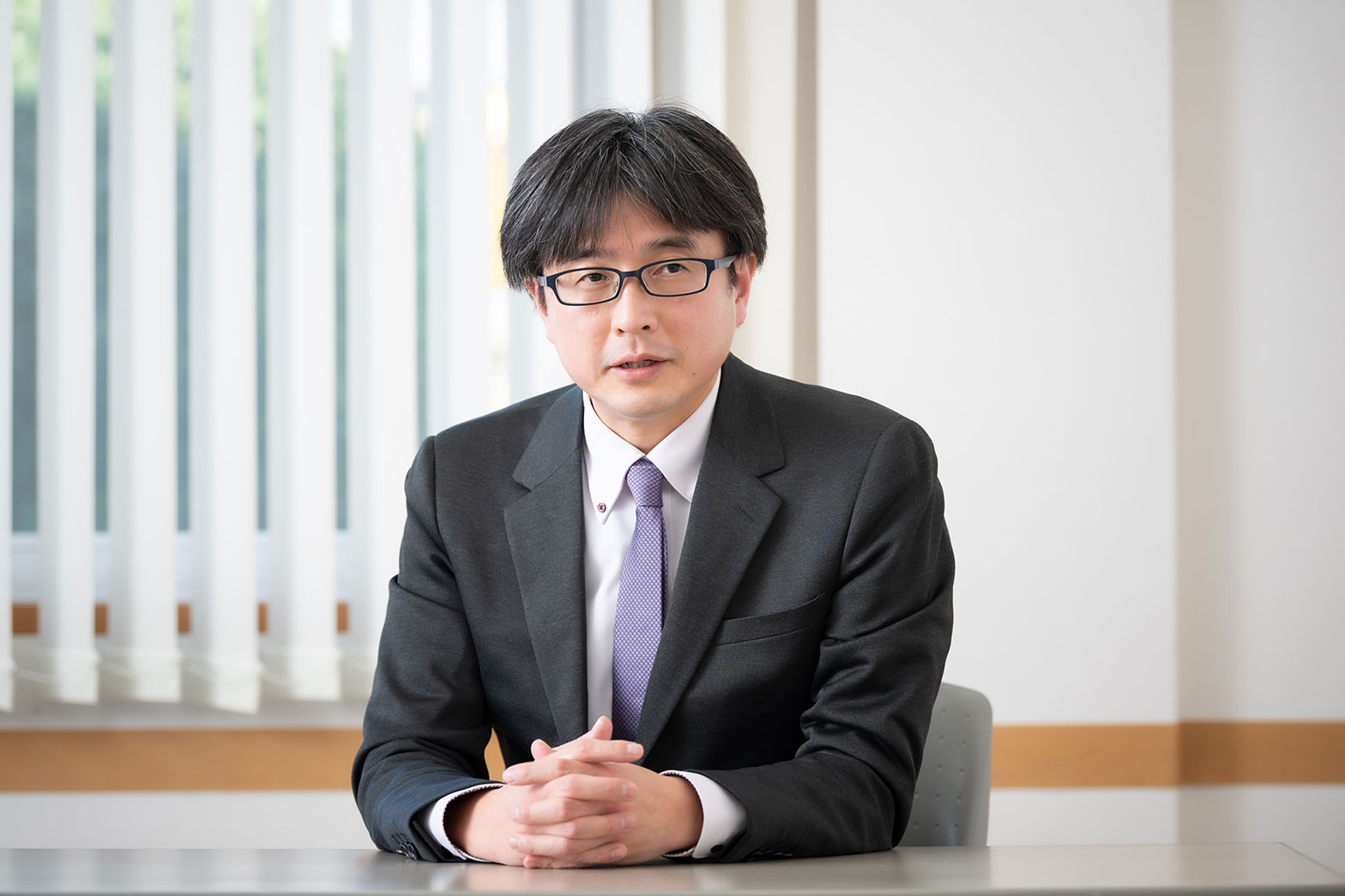
Ito from the Drug Discovery Support Center describes the trial process as follows: "The trial director communicates directly with the pharmaceutical company and creates a trial plan. The plan includes detailed information about the trial. Once an agreement is reached, the trial is conducted. Short projects take about two months, while longer ones can last up to six months. Because the trials are used for drug approval applications, they are conducted under very strict regulations."
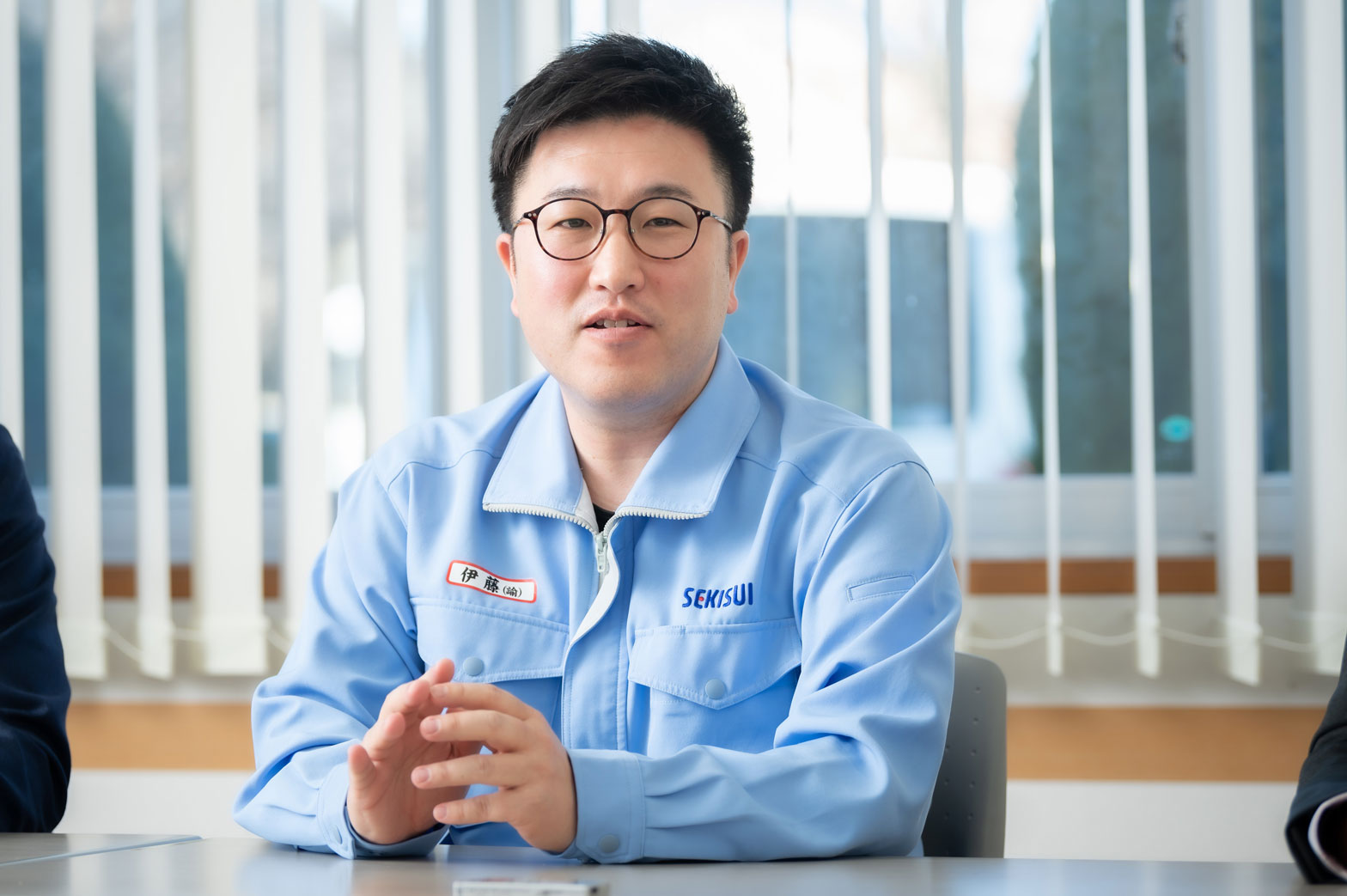
The exam director manages the entire project, checking the members' schedules and the exam timeline. Ito's group has more than 45 members, and each project is usually handled by a team of four. Multiple projects are always running, and last year Ito's group alone handled 150 projects.
Through numerous tests, the quality of the services we provide has improved. Some projects require the introduction of new technologies, and each time, our members have gained valuable experience. New technologies are refined through project implementation, and these new technologies attract new projects. We have continuously grown through this cycle.
Enomoto, who has been involved in planning free webinars and providing information to pharmaceutical companies, venture companies, universities, and other research institutions at the Drug Discovery Support Business Promotion Department, says: "The types of substances handled in drug discovery have diversified from small molecule compounds that have been made into medicines for a long time to large molecules such as proteins, nucleic acids, genes, and iPS cells, and the technologies related to them and the technologies for evaluation have also changed. There is a basis for tests to evaluate usefulness, but even that technology changes when the compound changes. Our planning department is widely disseminating information to our customers about the technologies and services that have been refined at the center."
The only pharmacokinetic study in Japan that tracks the fate of drugs.
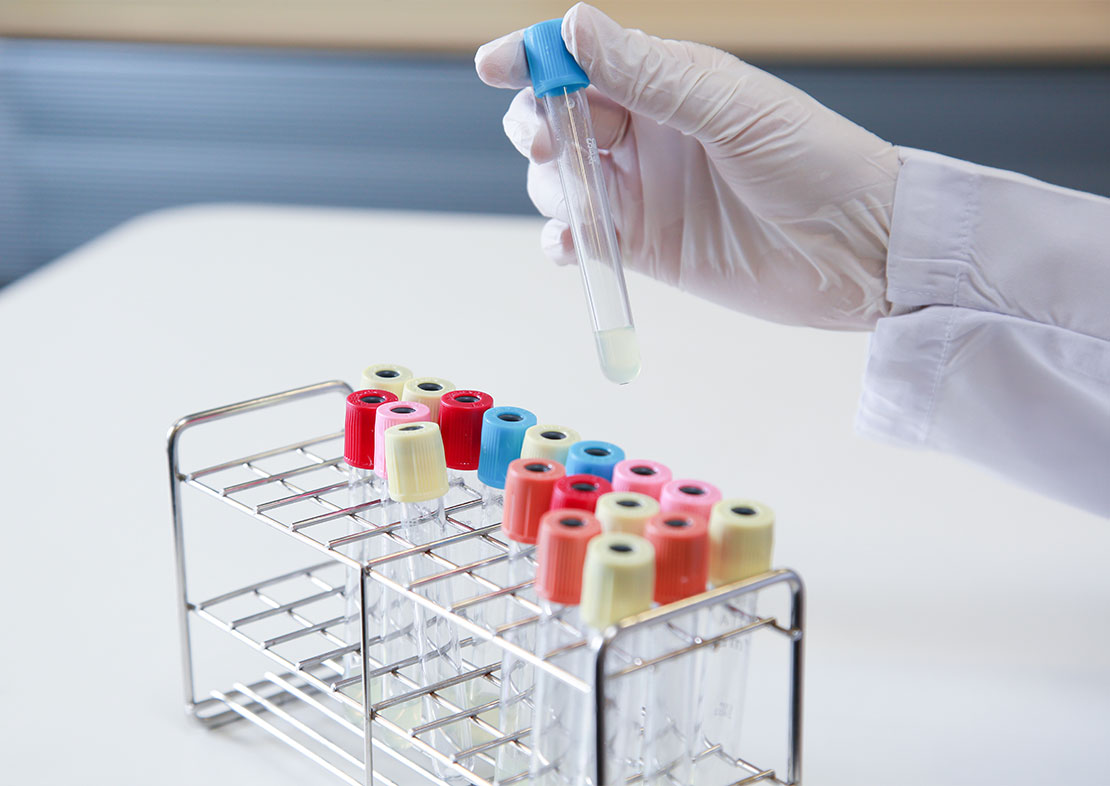
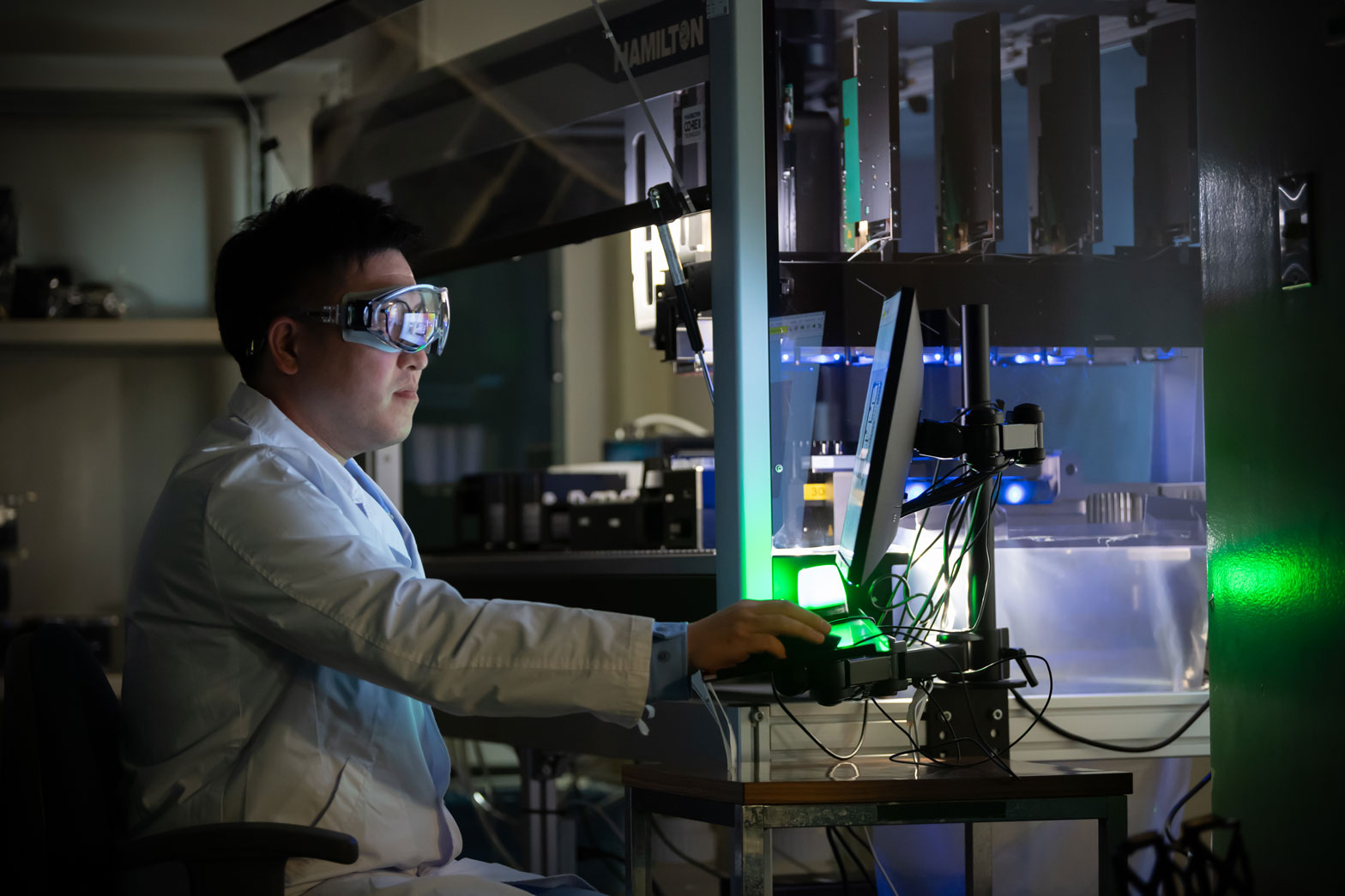
Enomoto's webinar also focuses on pharmacokinetics. Pharmacokinetics is the study of the "fate of a drug"—how much of it is absorbed, where it is distributed in the body, how it is metabolized, and how it is excreted. Sekisui Medical is the only company in Japan that can track the "fate of a drug" in the human body by marking it with radioisotopes (RI). No other company in Japan, or even any pharmaceutical company, is capable of conducting this experiment. Obtaining data on predicting efficacy and safety in humans at an early stage contributes to increasing the efficiency of new drug development.
"When a drug is evaluated in animals, the results will not be the same when humans take it. Therefore, since it is a drug that humans will take, we want to evaluate it in humans. Building the foundation for that service is our strength," Ito says proudly.
Zaiman continues, "What the FDA and the Ministry of Health, Labour and Welfare are concerned about are what are called human metabolites. If a drug is transformed into something else too often in the body, they become concerned about toxicity and safety, but there are limits to predicting human behavior based on animal studies. That's why they administer the aforementioned radioisotopes to humans and observe the metabolites."
What if a metabolite is found that is rare in animals but present in large quantities only in humans? Toxicity testing would need to be conducted solely on that metabolite, drastically increasing development costs. In Japan, Sekisui Medical is the only facility that can handle everything from non-clinical metabolite analysis to clinical trials using radioisotopes and their subsequent metabolite analysis.
Going back two years to the service's launch in 2016, Ito was involved from the preparation stage. "Since we launched the clinical trial service, we've seen an increase in requests from clients who hadn't previously utilized our non-clinical trial services. It's much easier for clients when they can get evaluations from animals to humans in one place. In fact, the foundation of this service was built with the cooperation of doctors and staff at medical institutions. Because it's a clinical trial, we couldn't have done it on our own," he recalls.
Although safety is guaranteed, this service was launched after overcoming the hurdle of administering radioactivity to humans. Now, it receives many requests and contributes to Japanese pharmaceutical development in terms of safety evaluation and efficiency of development. Sekisui Medical and its pharmaceutical company clients are partners that go beyond a contract-based relationship. They cooperate in all aspects to achieve their mission of "saving patients through pharmaceutical development."
To get medicine to patients as quickly as possible
Pharmaceuticals require both absolute safety and security, as well as the speed to deliver them as quickly as possible. Pharmaceutical companies want to develop drugs with high market demand as quickly as possible, but they also want to minimize time and cost losses. Therefore, they often decide to conduct non-clinical trials only after the certainty of efficacy has been established, and requests for pharmacokinetic studies often come just before the application is submitted. For the sake of medical institutions and patients who are eagerly awaiting the drug, the launch date cannot be changed. This is where Sekisui Medical's responsiveness and teamwork shine. Their ability to handle a wide range of trials and to flexibly and quickly carry out everything from trial design to execution is highly valued by pharmaceutical companies.
"Initially, we had given them a six-month schedule, but at the last minute, I had to ask Ito to do it in three months. As we got closer to signing the contract, we were running out of time, so we had to sort through the evaluations with the client and the testers, discussing whether or not to do them, and we had to do preliminary work so that we could start as soon as we got the go-ahead. We also had to involve other groups to help out," recalls Zaimin.
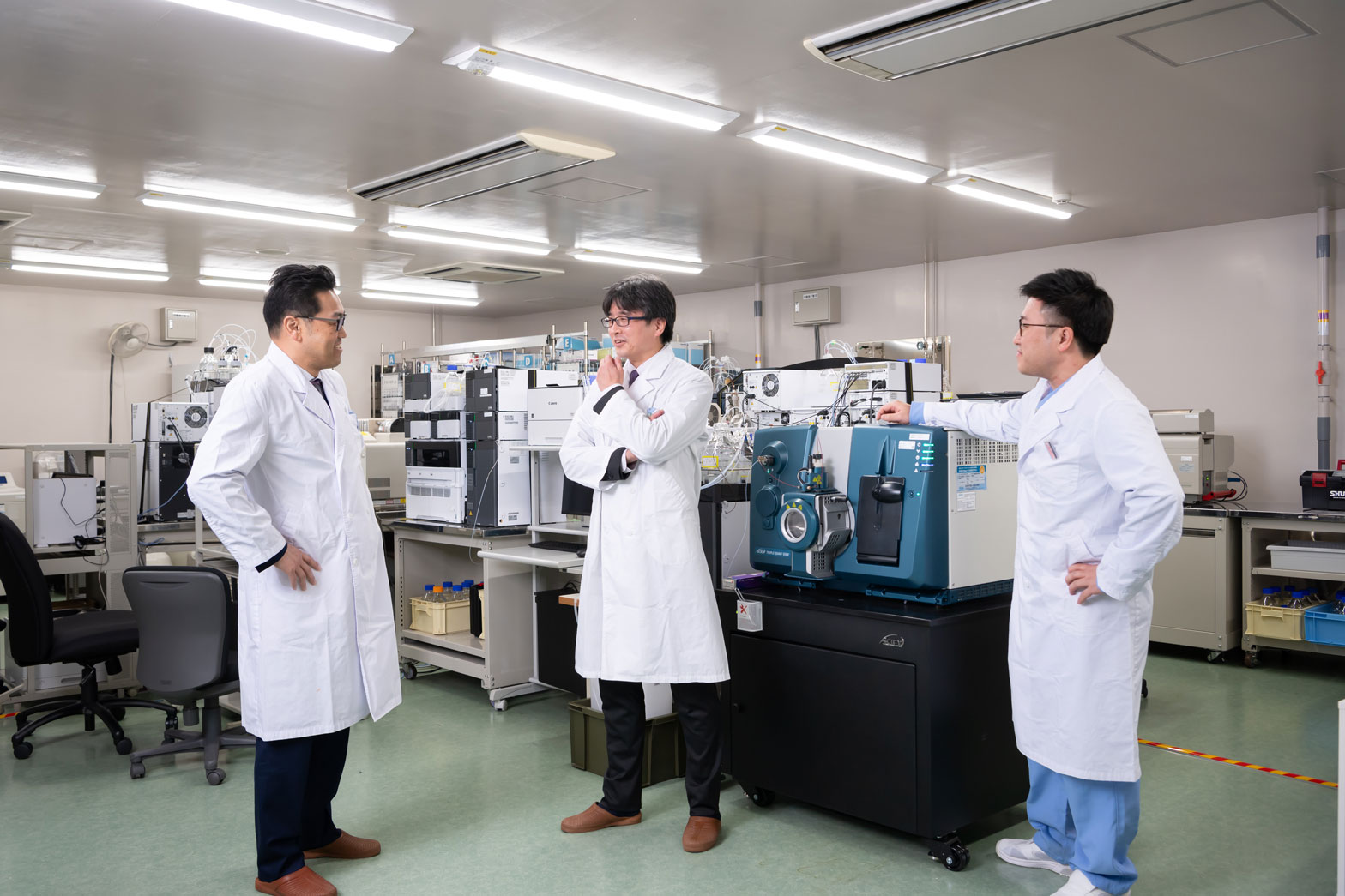
Ito smiles and says, "My group had about 45 members, and almost all of us were working on that project. It was difficult, there were a lot of tests, and the deadline was short. It was truly a triple whammy. But it was a project with great social significance."
In the development of common drugs such as diabetes medications, pharmaceutical companies have a strategy of "we want to launch the drug at this time." To meet this, we create an optimal schedule while adjusting the priority of trials. More than serving the customer, a major motivation for the drug discovery support team here is that delivering the drug will bring hope to patients. For Sekisui Medical, a B2B company, the direct customers are pharmaceutical companies and medical institutions. However, beyond them are patients and their families. Bringing a new drug to market as quickly as possible will bring hope to patients.
And in order to fulfill that hope, their thoughts are directed towards the future of pharmaceuticals in Japan. "In our webinars, we prioritize providing basic information such as 'What is pharmacokinetics?' rather than introducing our own services. This is also used in training new employees at pharmaceutical companies. We hope that our know-how can be of some use to the industry," Enomoto says with a smile.
"I want to revitalize the drug discovery market originating from academia," Zaima said, expressing his dream, to which Ito added, "I feel that the number of promising drugs coming from the Japanese pharmaceutical industry is decreasing. To produce promising drugs, it is essential to revitalize academia and drug discovery ventures. We want to play a part in that. By increasing the number of drugs produced in Japan, more drugs will reach patients suffering from illness. Our work is connected to that."
In fact, the number of drugs originating in Japan has decreased significantly compared to the past. There are also concerns about a decline in market competitiveness. Zaimin continues, "What I fear most is that Japanese pharmaceutical companies will lose their strength, and foreign companies will buy up Japanese research ideas. If the domestic pharmaceutical industry itself declines, there is a risk that we will become highly dependent on overseas sources for medicine and health. That's why we don't want to stop moving forward."
Sekisui Medical has continuously supported drug discovery in Japan with its technology and experience. Each individual's work creates the future and hope.
Voices from the drug discovery field
They are leaders in the industry. Together, we want to support many patients.
Sekisui Medical's strength lies in its ability to cover various types of trials. Because they handle diverse trials that occur at various stages of drug discovery, from upstream to downstream, it's efficient for us as we don't have to deal with multiple vendors for each trial. The high quality of all their trial results is consistent even in time-constrained projects, and we always have complete confidence in them. Their ability to quickly understand customer needs and deliver new services to the world as soon as possible is characteristic of an industry leader. They are incredibly agile and possess a strong spirit of challenge. Furthermore, it's surprising how knowledgeable their salespeople are, to the point where they can hold their own against researchers. That's why we feel comfortable consulting with them on various matters. We hope they will continue to be our partner in drug discovery, maintaining their unwavering commitment and working together to bring hope in the form of new medicines to many patients.
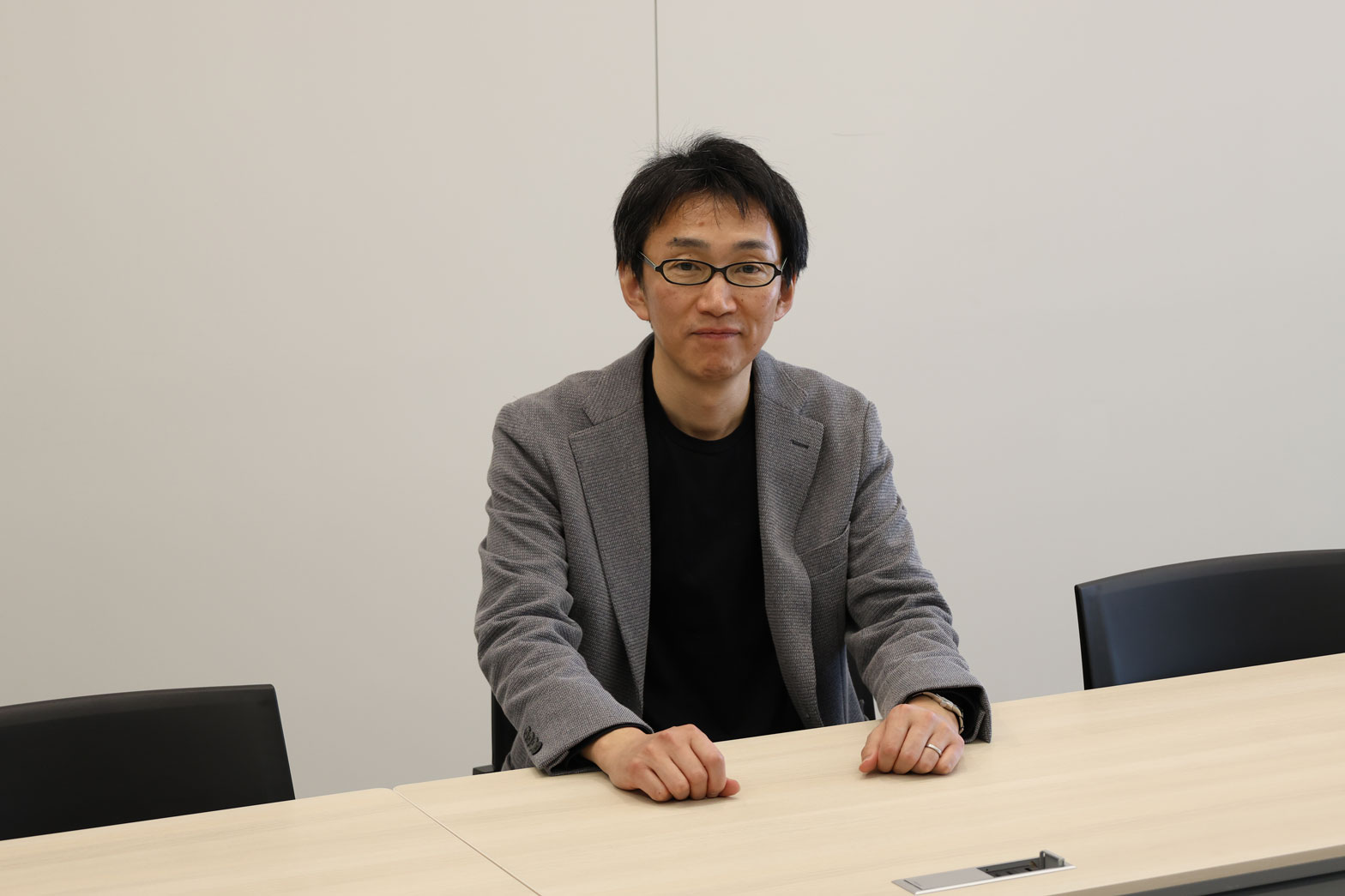
Biopharmaceutical Assessment Function
Function Head and Head of Global Pharmacokinetics Research
Takafumi Komori
They embody their brand promise with a sincere commitment to quality.
Sekisui Medical is an important partner of ours, and we have been working together for over 20 years. In recent years, we have often commissioned them to conduct in vitro tests, which involve extracting blood, cells, and other samples from humans and animals, but their ability to handle a wide range of tests is also a strength. While the high quality of their test results is a given, what is truly outstanding is how easy they are to communicate with. They respond quickly, and they provide precise answers to the questions we ask. Ultimately, Sekisui Medical's strength lies in its people; their representatives are highly responsive, and they sometimes offer suggestions we hadn't anticipated. Of course, some tests go smoothly as proposed, while others don't meet our expectations, but what remains consistent is their sincere commitment to quality. They don't hide unfavorable results, but instead propose alternative methods, maintaining their quality-first approach. That's why we can trust them. Their service embodies their brand promise, "Confidence Inspired by Quality."
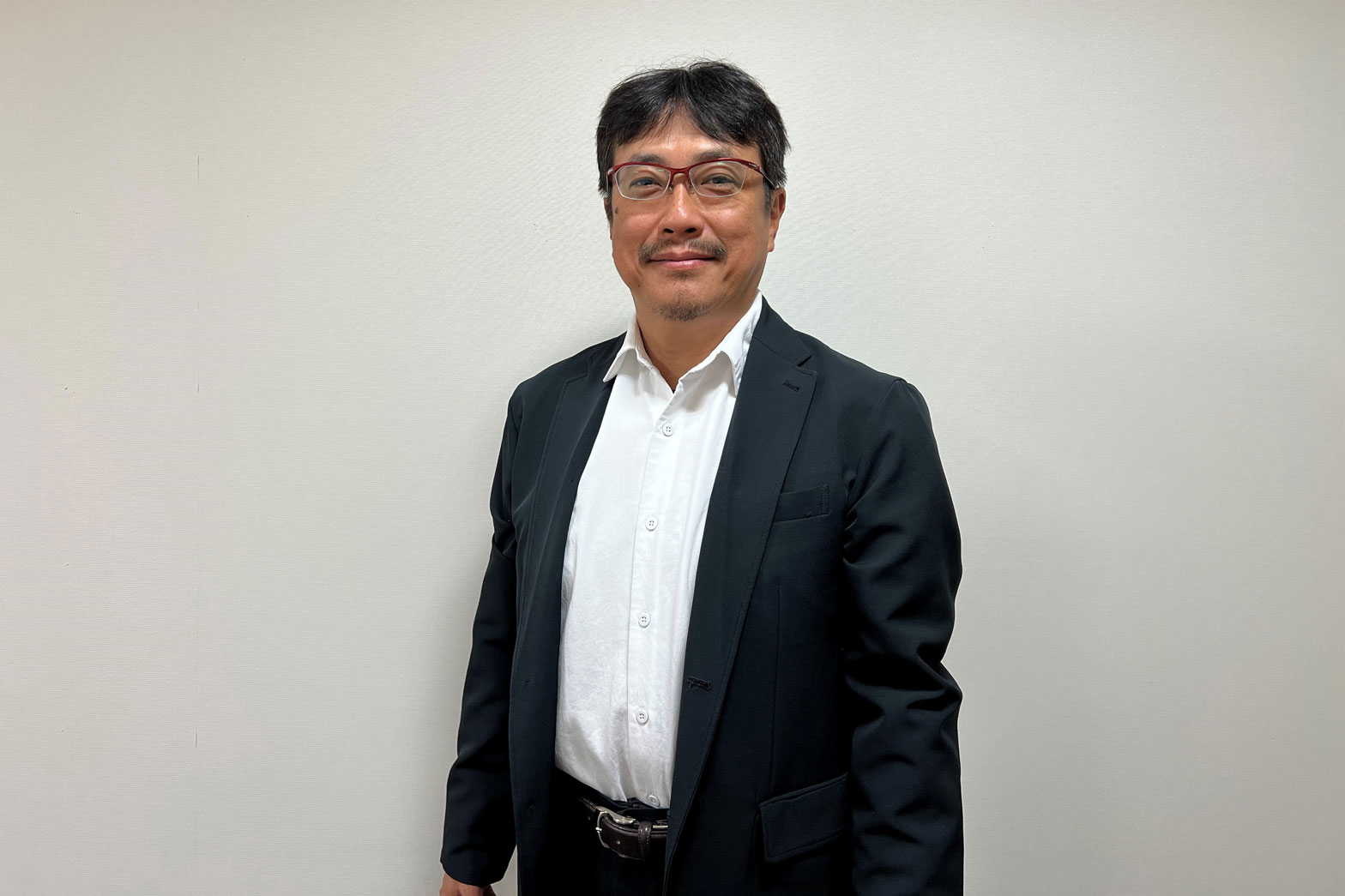
Shinagawa Research and Development Center, Research and Development Division
Director, Institute for Pharmacokinetics, Research Management Division
Mr./Ms. Daisuke Nakai
*While wearing goggles is normally mandatory for safety reasons, they were temporarily removed with special permission for this shoot. We take every precaution to ensure safety during filming, and we strictly enforce safety measures in our regular operations.