Predictive technology that will transform the elderly care field: The cutting edge of next-generation care technology born from collaboration between a startup and Sekisui Chemical.
公開日:
What thoughts and stories were behind its development?
How will that connect to the people and societies living on Earth?
"SEKISUI | Connect with" is a future-creating media platform that connects you with Sekisui Chemical.
Bringing a new perspective to the field of elderly care—the power of technology to "predict"—.
Such an approach is becoming a reality through a collaboration between the startup Rehabilitation3.0 Co., Ltd. and Sekisui Chemical. By combining the highly sensitive piezoelectric sensor "ANSIEL" with AI-based state prediction technology, they have created a service that goes beyond conventional monitoring devices.
This initiative was supported by Sekisui Chemical's Corporate Innovation Promotion Group. They accompanied the project from business matching to proof-of-concept (PoC) and service launch, providing support for open innovation where speed and trust are intertwined.
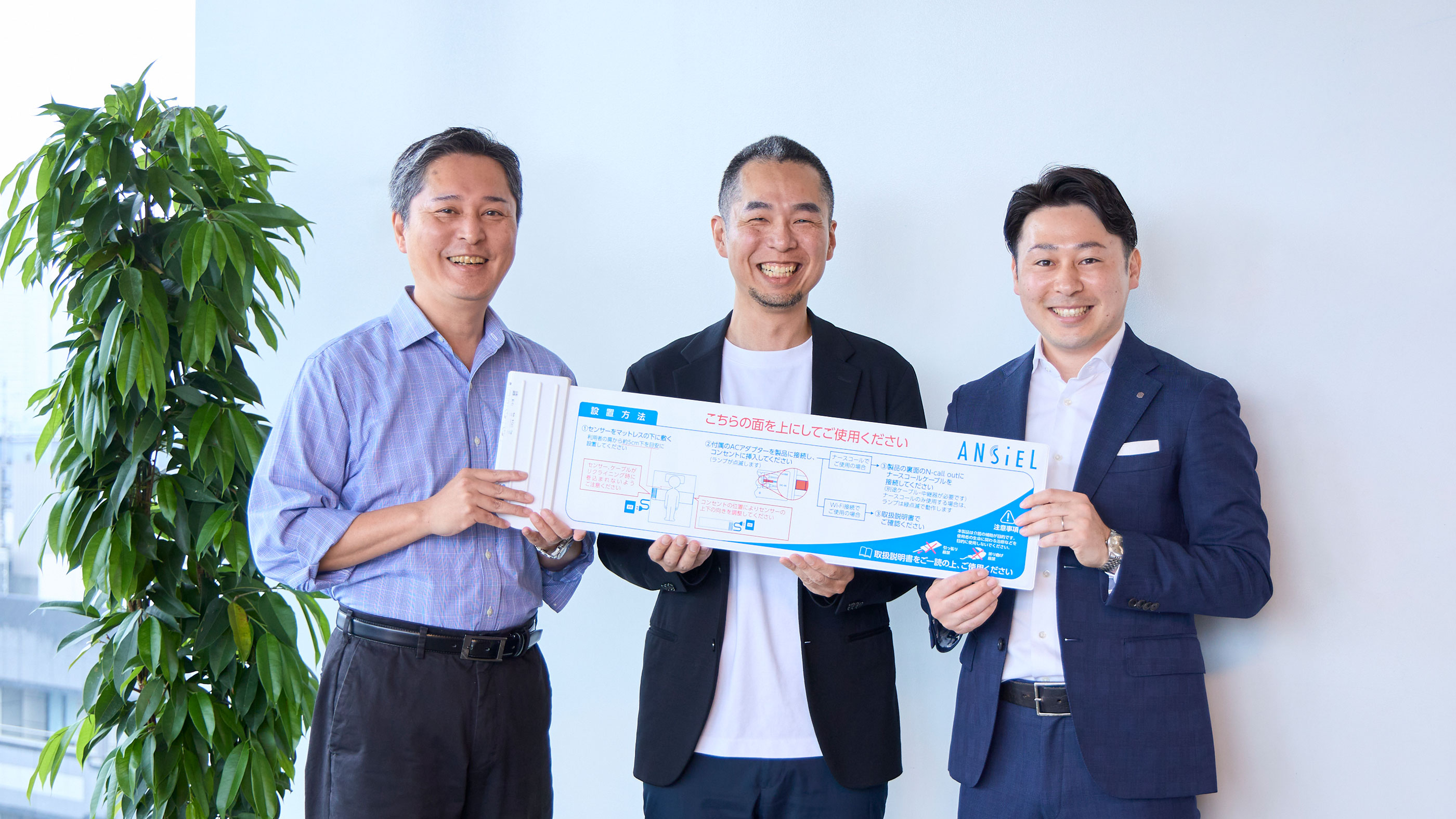
In this article, we spoke with Hirokazu Masuda, CEO of Rehabilitation 3.0 Inc., Ryo Aranami of the High Performance Plastics (HPP) Company Industrial Strategy Office leading the commercialization of "ANSIEL," and Kenji Kuwata of the Corporate Innovation Promotion Group about the origins of co-creation, the behind-the-scenes of the groundbreaking PoC, and the application of well-being across the group.
Gathering the needs of the field. The eve of co-creation with startups.
It all started with a single question.
"How can we deliver the value of this sensor to the field of elderly care?"
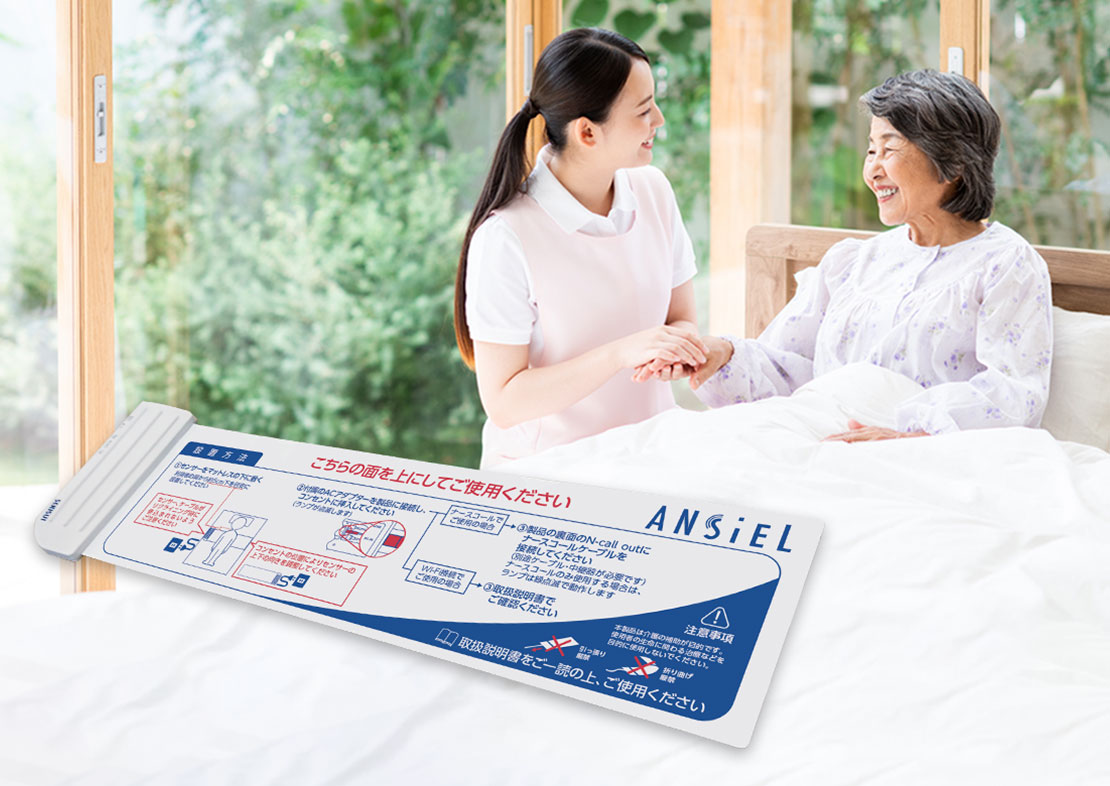
The focus is on ANSIEL, a device developed in-house by Sekisui Chemical. Installed under the mattress of a bed, it detects and analyzes the movements of the person requiring care in bed. It then sends notifications to the caregiver's smartphone, computer, or other device. It can detect even slight pressure changes with high precision, allowing for contactless monitoring of heart rate, respiration, and sleep patterns.
High Performance Plastics (HPP) Company The Rough Waves of the Industrial Strategy Office look back on the starting point of co-creation.
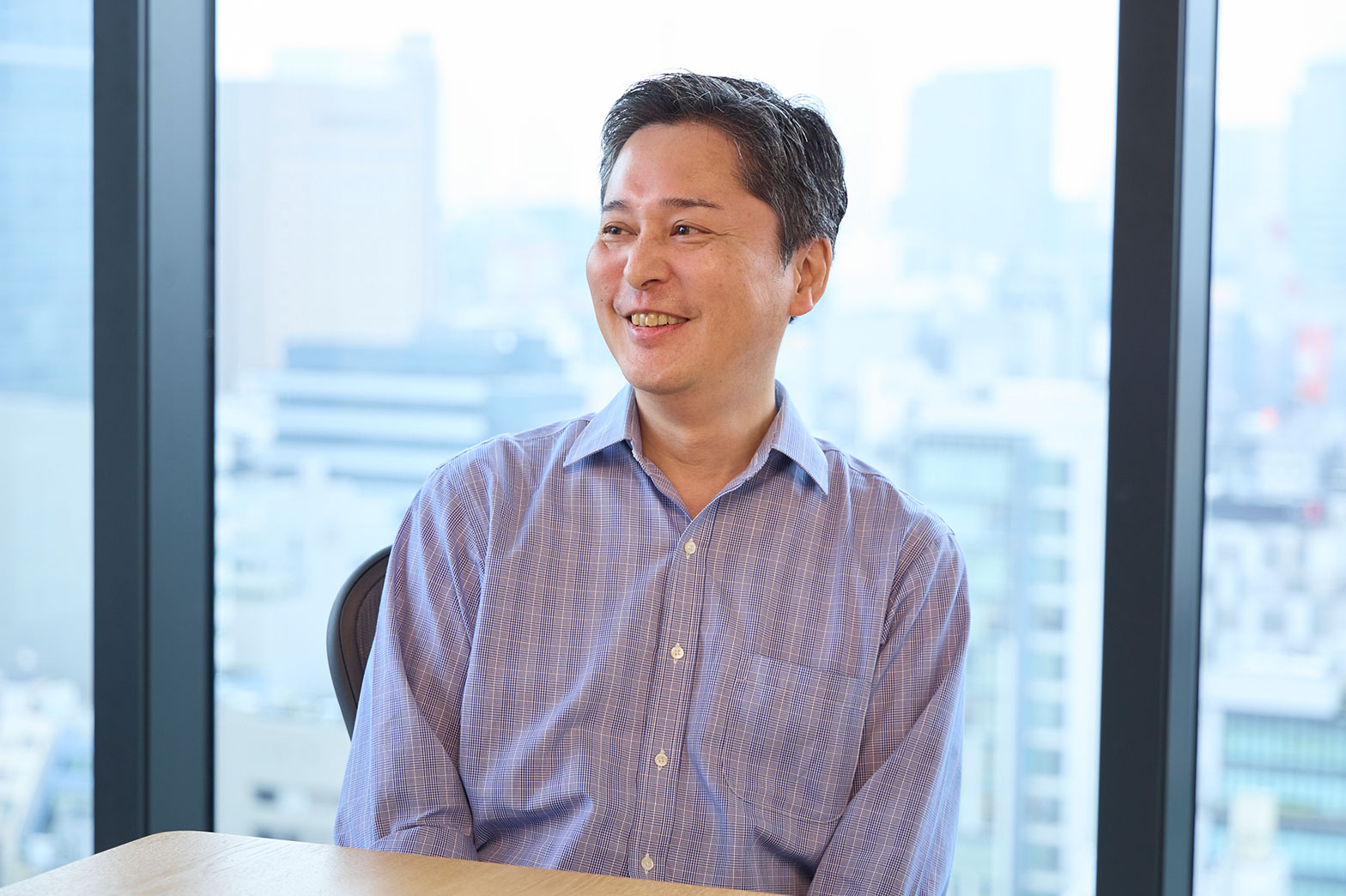
"We were trying to differentiate our monitoring sensors through hardware performance. However, we were in a trial-and-error situation as to how to connect the high accuracy and fast response of ANSIEL to the value that users on the ground were looking for."
That's where the Corporate Innovation Promotion Group comes in. This group works to create new businesses through collaboration both inside and outside the company. Kenji Kuwata, who is involved in supporting this initiative, is called an "Innovation Catalyst." Like a catalyst for emergence, he seamlessly connects internal and external parties, handling technology exploration and matching with startups.
"Our team aims to be more than just a matchmaker; we want to be a partner that supports the drive towards commercialization. To date, we have proposed collaborations with external partners, including startups, more than 1,200 times. Open innovation encompasses various aspects, such as collaboration between operating companies and the acquisition of new technologies, but how to apply existing internal technologies and collaborate with startups that possess cutting-edge technologies was also a crucial theme for us."
To support the social implementation of products, the Innovation Promotion Group selected the startup Rehabilitation3.0 as its partner. Rehabilitation3.0 has developed an app that analyzes vital data acquired by AI to understand the body's condition. CEO Hirokazu Masuda reflects on how they met.
"Our first contact with Sekisui Chemical was in 2022. At that time, startups were attracting a lot of attention, and we had no shortage of opportunities to be approached by large companies. However, these interactions often faded out after about three rounds of communication. In many cases, our direction, business areas, and technological themes did not align, and we were unable to collaborate."
However, their approach with Aranami and others was different. There was a clear need for "technology to implement ANSIEL in the field," and Rehabilitation3.0's core technology, which they had honed, received specific responses such as "how will it perform when combined with sensors?" Masuda said, "I felt an energy that made it seem like we skipped three rounds of communication and started from the fourth round."
"We all shared the same goal: to provide solutions that would help solve problems on the ground. Mr. Aranami and Mr. Kuwata's judgments and responses were quick, which allowed us to focus and move forward. I feel that speed was the driving force behind our co-creation."
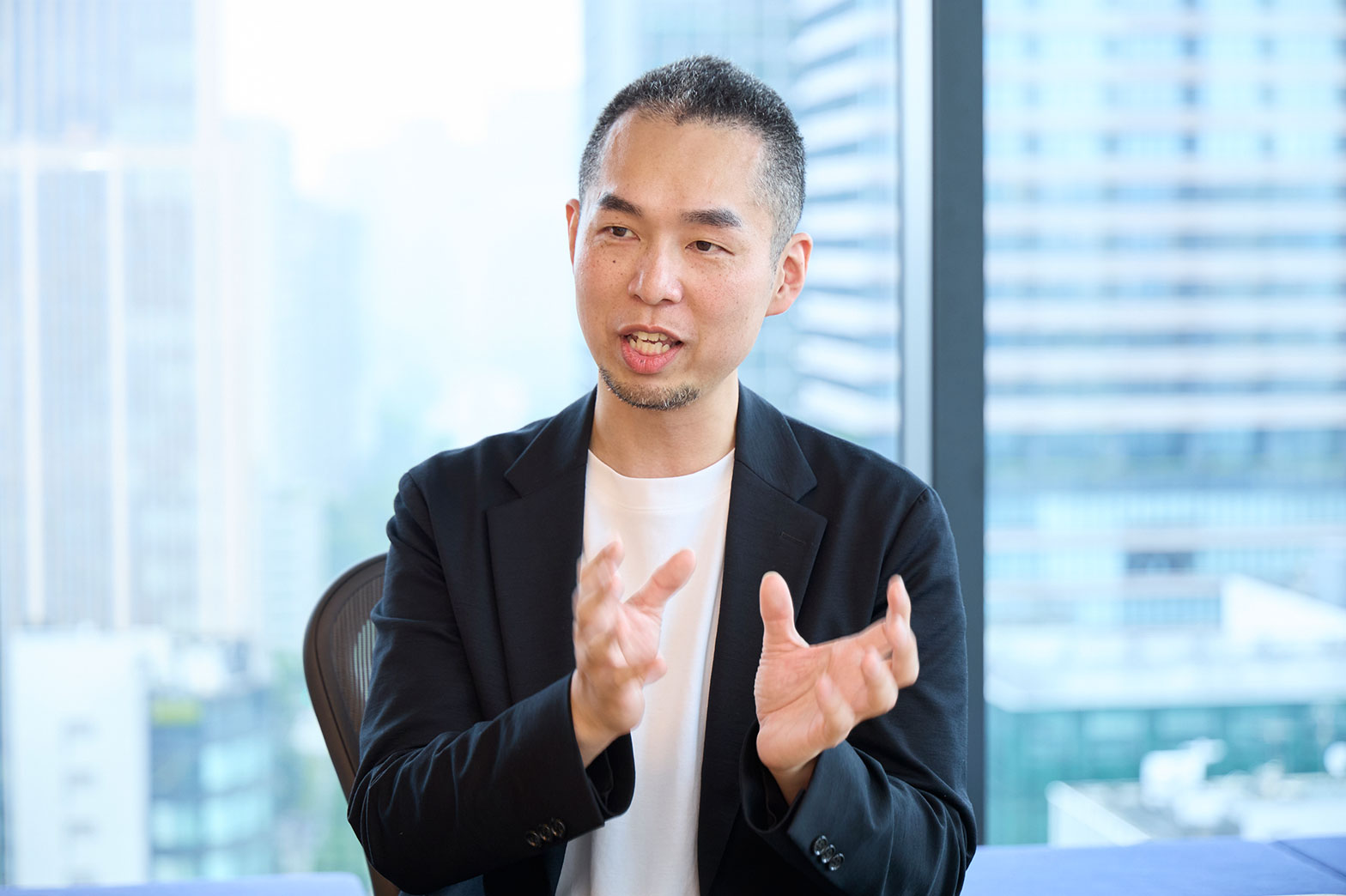
A small step leads to confidence. The Proof of Concept (PoC) moves into the next phase.
ANSIEL's "monitoring" sensing technology is combined with AI-powered "prediction." The project took a significant step forward with participation in the Tokyo Metropolitan Government's demonstration project, "Be Smart Tokyo." This program provides subsidies to projects demonstrating advanced technologies with the aim of creating smart cities and improving quality of life. CIC Tokyo, where Sekisui Chemical also has a base, served as the entry point. Mr. Masuda reflects on his experience.
"The technology and the app were complete; all that was left was the final piece—a proof-of-concept (PoC)—to move towards commercialization. I feel that having this piece filled in with the support of the Tokyo Metropolitan Government was a truly significant step forward."
Kuwata, who accompanied the CIC in securing support from the Tokyo Metropolitan Government and implementing the Proof of Concept (PoC), also mentioned that this was a significant step forward.
"Proof of Concept (PoC) projects often become 'just an end in itself,' but Mr. Aranami and his team viewed it as 'a step towards sales.' CIC is a point of contact for collaboration with startups, a kind of 'Dejima' hub. The fact that all the stakeholders involved in the collaboration were in sync and shared a clear objective really boosted the PoC."
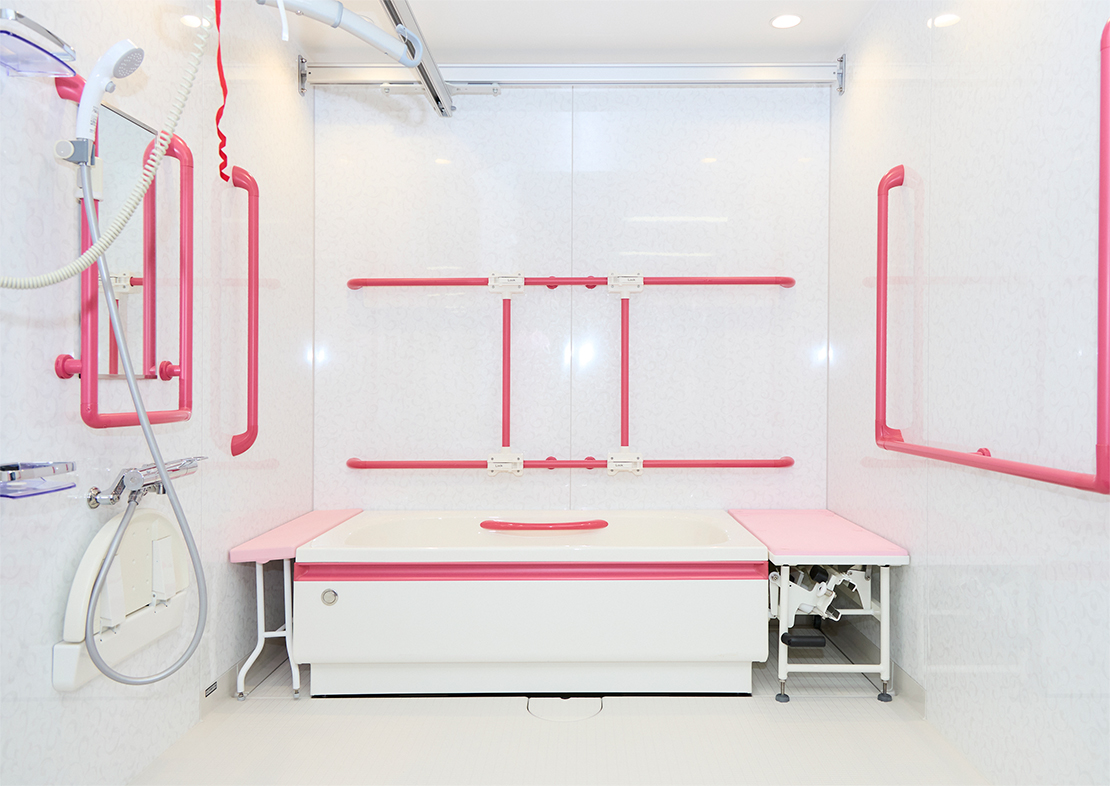
The demonstration took place at a special nursing home for the elderly in Nakano Ward, Tokyo. ANSIEL was installed on one floor with 30 beds, and under the direction of Mr. Masuda, the Rehabilitation3.0 team stayed on-site for a month to collect data. The evaluation involved daily assessments of 18 daily activities, including walking and eating, using a three-tiered system: "independent," "partially assisting," and "fully assisting." There was a strict condition that if even one day's record was missing, the data could not be used. The obtained evaluation results were used as "ground truth data" and compared with vital information such as heart rate and respiration acquired by ANSIEL. An AI-based state estimation model was then constructed.
"Initially, the AI model's prediction accuracy was around 85%, but by linking it with the vital data acquired by ANSIEL, the accuracy jumped to 95%. We couldn't believe our eyes at how accurate it was," Masuda recalls, vividly remembering the impact it had at the time.
It wasn't just accuracy that was evaluated positively. At the facility, nighttime monitoring duties were reduced by 83%, and night shift staffing was reduced by 20%, demonstrating clear improvements in operations. Staff members found it easier to decide "who should be prioritized for care," and the service went beyond mere "monitoring," giving them a sense of accomplishment that directly impacted on-site decision-making.
Aranami also said that through this demonstration, he gained confidence in its potential for social implementation.
"Our initial expectation of fixing any problems as they arose was pleasantly overturned. There were no issues with the ANSIEL sensing and its connection with caregivers, and the accuracy steadily improved. I was truly impressed by Mr. Masuda's technology and his approach to the demonstration."
Applying Sekisui Chemical's foaming technology, the piezoelectric sensor using electrostatically treated, thin polyolefin foam is one of the few commercially available products of its kind in the world. Its high sensitivity and stable detection performance make it an excellent match for AI. The figures obtained from the demonstration have also been of great significance as a driving force within the company."
As product development, technology-backed startups, and ongoing support services all align, co-creation is beginning to move into its next phase.
A Vision for the Future – The Possibilities of Co-creation Expand into Everyday Life
Following a proof-of-concept (PoC) experiment, the service combining ANSIEL and AI officially launched as a business in April 2025. Simultaneously with its release, it has already been implemented in three facilities, and Rehabilitation3.0 has set a clear goal of "implementing it in 100 facilities by the end of fiscal year 2025." This smooth start was supported by the collaborative system established during the PoC. Masuda reflects that the key factors in this success were "frank communication" and "speed of decision-making."
"In open innovation for startups, a common challenge is the gap in decision-making speed between the startup and the operating company. However, project leader Aranami took the lead in co-creation and facilitated real-time communication. This gave us a great sense of security."
From the perspective of supporting innovation, this project held great significance. Kuwata said this, looking ahead to the future.
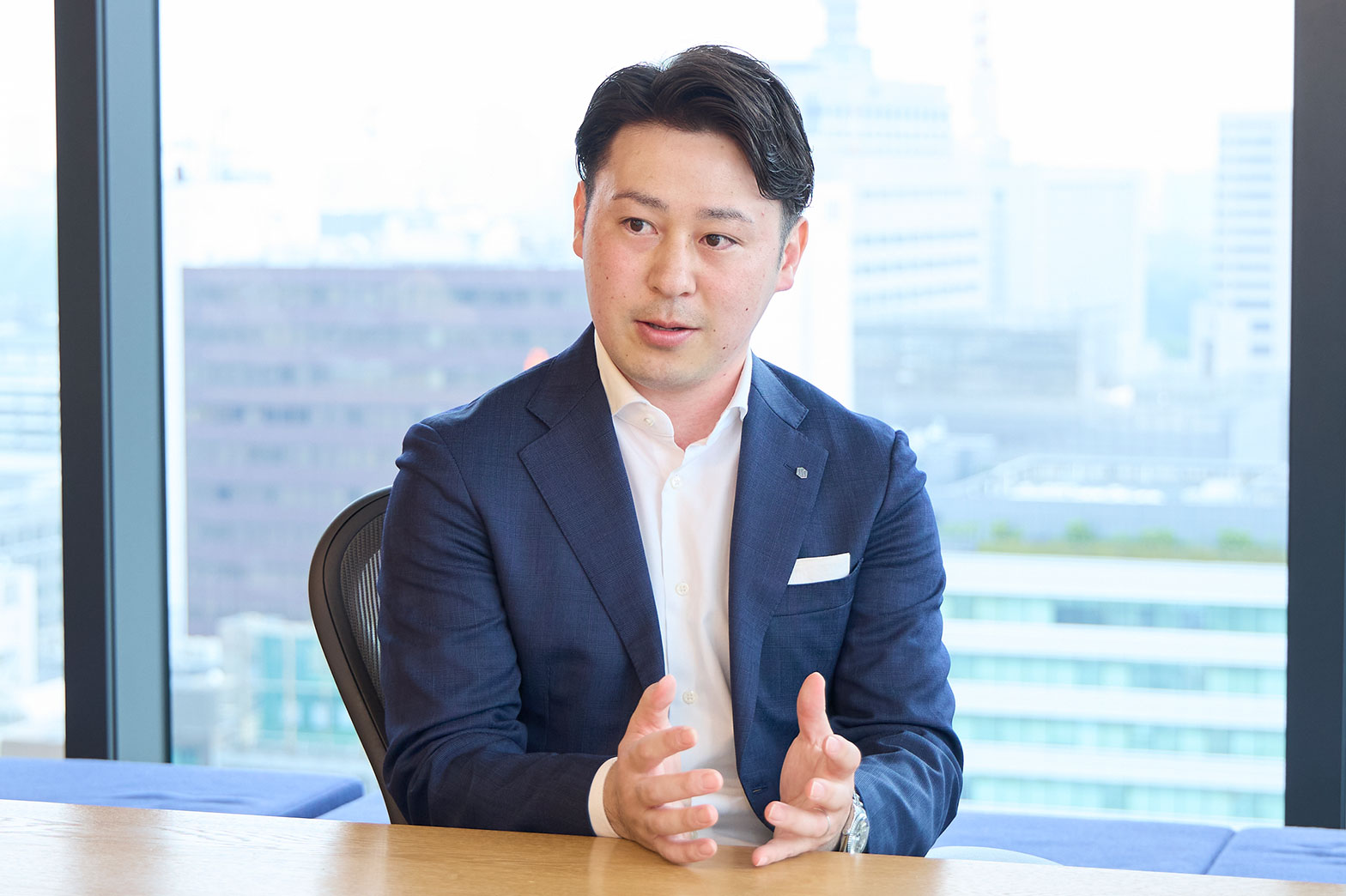
"To move co-creation forward, I realized that accurate information sharing and swift decision-making are paramount, in addition to technology and funding. In particular, I feel that the frank sharing between Mr. Masuda and Mr. Aranami, including not only the vision and business outlook but also uncertain aspects such as expectations and insufficient resources, formed the foundation of trust and collaboration. I hope to expand this co-creation as a model case both inside and outside the company."
And now, the scope of collaboration extends beyond the realm of elderly care to broader areas of life—this is the future that Aranami envisions.
"I don't think this technology will only be useful in the field of elderly care. For example, I think it could be naturally incorporated into homes and daily life as a technology to monitor the daily lives of healthy people. As Sekisui Chemical, I get excited thinking about the possibility of us envisioning such a world."
Receiving such enthusiastic words, Mr. Masuda responded with anticipation.
"Underfloor heating used to be a special feature, but now it's not uncommon to find it as standard in apartments. Similarly, if we can create homes where monitoring and health prediction services are standard features, it will become a technology that supports quality of life and well-being."
Kuwata leaned forward and spoke from the perspective of a catalyst:
"If we leverage the diverse stakeholders and business fields SEKISUI CHEMICAL Group possesses, we feel there is ample room to expand into sports, housing, and lifestyle sectors."
The session, in which the three participants shared their visions with smiles, offered a glimpse into a future where co-created health tech seamlessly integrates into homes and daily life. The combination of ANSIEL, which began as a monitoring sensor, and a startup AI, has evolved through practical testing in caregiving settings, and we can see it evolving into a "technology that organizes our lives"—the day when this technology naturally takes root in our lives is drawing near.
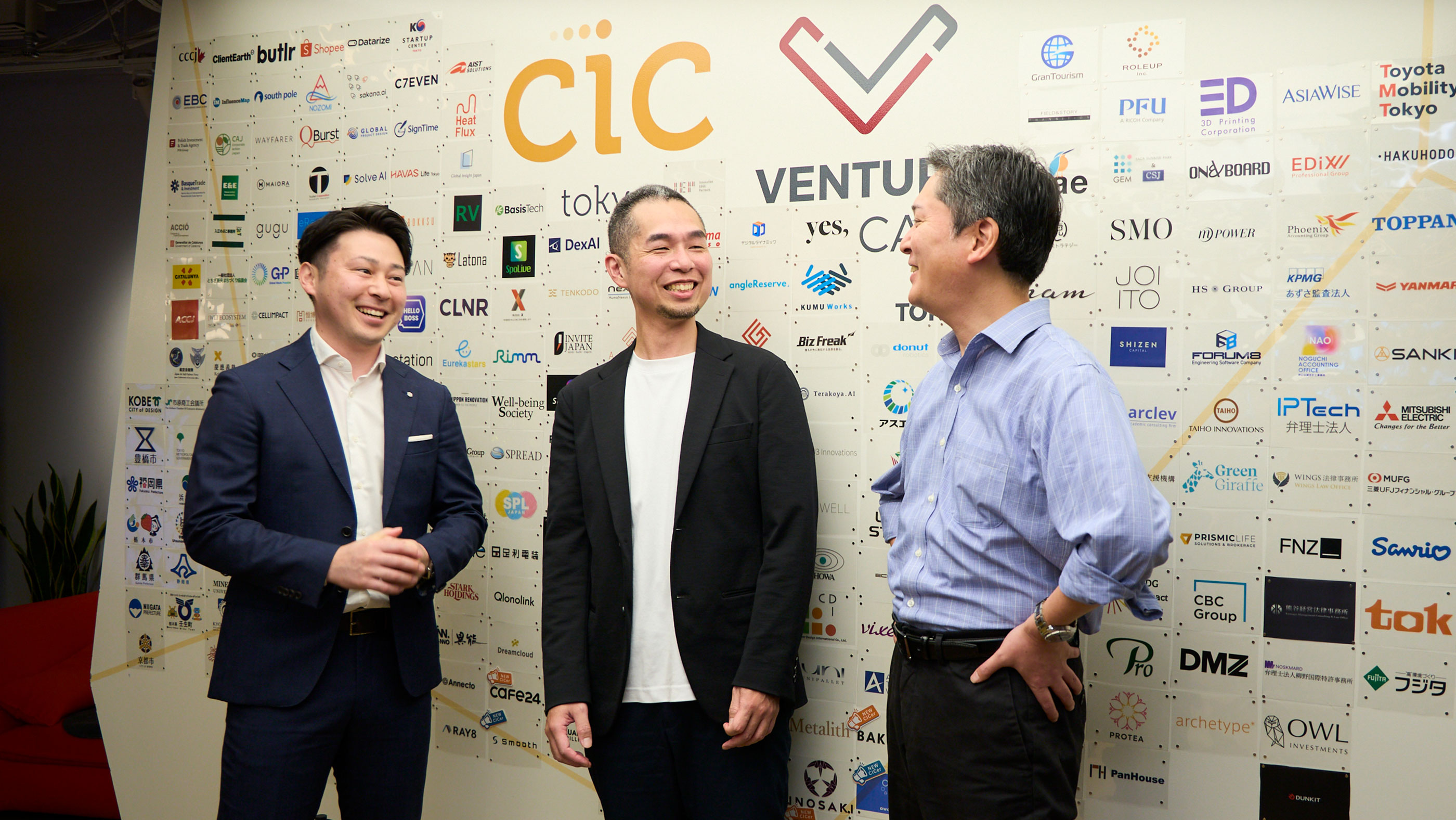
The CIC Institute is a specialized team within CIC that operates innovation centers and provides related programs in countries around the world. Leveraging its expertise in supporting deep tech startups and building innovation ecosystems, it promotes innovation creation by driving numerous projects in collaboration with industry, academia, government, and the private sector.
The Tokyo Metropolitan Government is working to realize "Smart Tokyo," which aims to improve the quality of life for its residents through digital means. As a project to implement services that make life more convenient and fulfilling for residents, the Tokyo Metropolitan Government launched the "Be Smart Tokyo" Smart Service Implementation Promotion Project in fiscal year 2022. The goal is to enhance the convenience and quality of life (QOL) of Tokyo residents by deploying a variety of smart services developed by startups throughout the city.