From construction to moving out: Contributing to the environment with a "house for a lifetime"
Building environmentally friendly homes is possible precisely because most of the production takes place in factories.
公開日:
What thoughts and stories were behind its development?
How will that connect to the people and societies living on Earth?
"SEKISUI | Connect with" is a future-creating media platform that connects you with Sekisui Chemical.
Due to worsening global warming, there is a global demand for a significant reduction in greenhouse gas emissions. Japan aims to reduce greenhouse gas emissions by 46% by fiscal year 2030 (compared to fiscal year 2013), with a target of a 66% reduction in the household sector. (From the Ministry of the Environment's "Global Warming Countermeasures Plan"). Looking at the breakdown of CO2 emissions from detached houses, approximately 66% (*1) is due to electricity use. Using clean energy wisely and living a life that emits as little CO2 as possible can be said to be a challenge for all of humanity living on this planet. We are now in an era where consideration for sustainability is required in our daily lives.
Sekisui Heim tackles environmental challenges in housing at every stage, from "until the house is built," to "while actually living in it," and "after moving out," and has built its own unique circular system. Sekisui Heim's answer to "environmentally friendly homes," which contribute to solving global environmental problems through living in them, is condensed into a circular model that makes the most of its greatest feature: "factory production."
*1: Ministry of the Environment, "Statistical Survey of CO2 Emissions in the Household Sector in FY2021, Data Section (Final Figures)," Figure 1-6 (p.4) / e-Stat, "Statistical Survey of CO2 Emissions in the Household Sector in FY2021" (Nationwide), Table 6-4-1: Factories utilizing electricity that is effectively 100% renewable energy (*2) can increase production efficiency and contribute to reducing CO2 emissions.
*2: Includes effective renewable energy through the use of non-fossil fuel certificates designated as renewable energy.
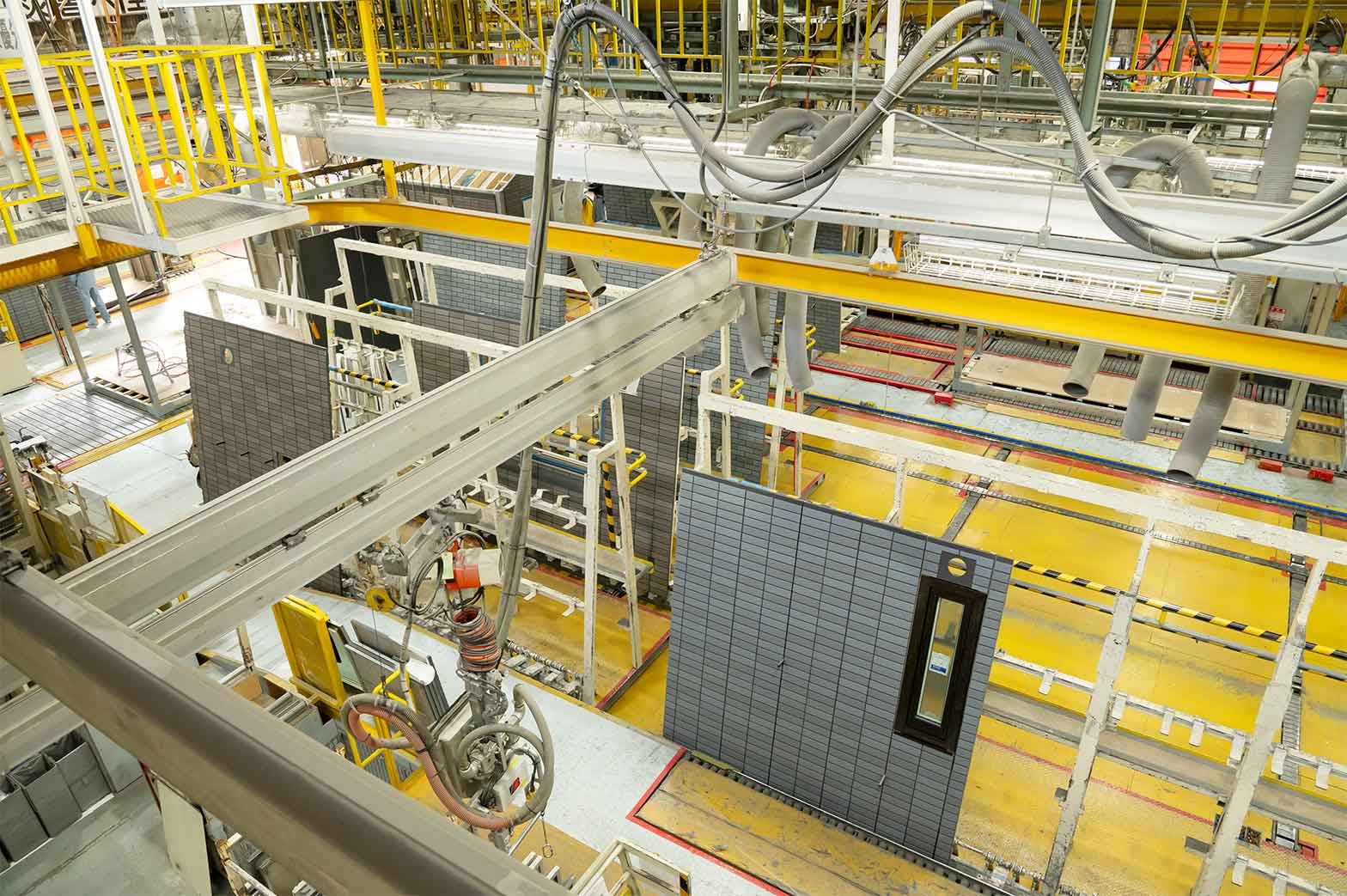
Among the many home builders, what truly distinguishes Sekisui Heim's home construction is undoubtedly its "unit construction method." This method involves dividing the building into several "units" (boxes), producing most of each unit in a factory, and then assembling them at the construction site.
The idea was conceived in the 1960s. Following Japan's post-war economic growth, urban areas expanded rapidly, leading to an influx of population and increased housing demand, while shortages of materials and skilled workers became a major challenge.
"Is there a way to build houses that are faster to construct and safer and more secure?" The modular construction method was developed in collaboration with Katsuhiko Ohno, who was researching "component-based housing theory" at the University of Tokyo Graduate School at the time, reflecting Sekisui Heim's fundamental stance of recognizing the demands of the times and constantly evolving to meet those needs.
In the factory, each part of the house is meticulously constructed using specialized machinery and techniques at each stage of the process, and checked by the eyes and hands of workers. This ensures consistent quality and allows for construction according to the design specifications. Furthermore, because it is less affected by weather conditions at outdoor construction sites, the risk of material distortion and deterioration is reduced, resulting in the creation of high-quality homes. This is one of the advantages of the modular construction method. The efficient production process also results in less waste, which is an attractive feature in today's world where resource scarcity is a major concern.
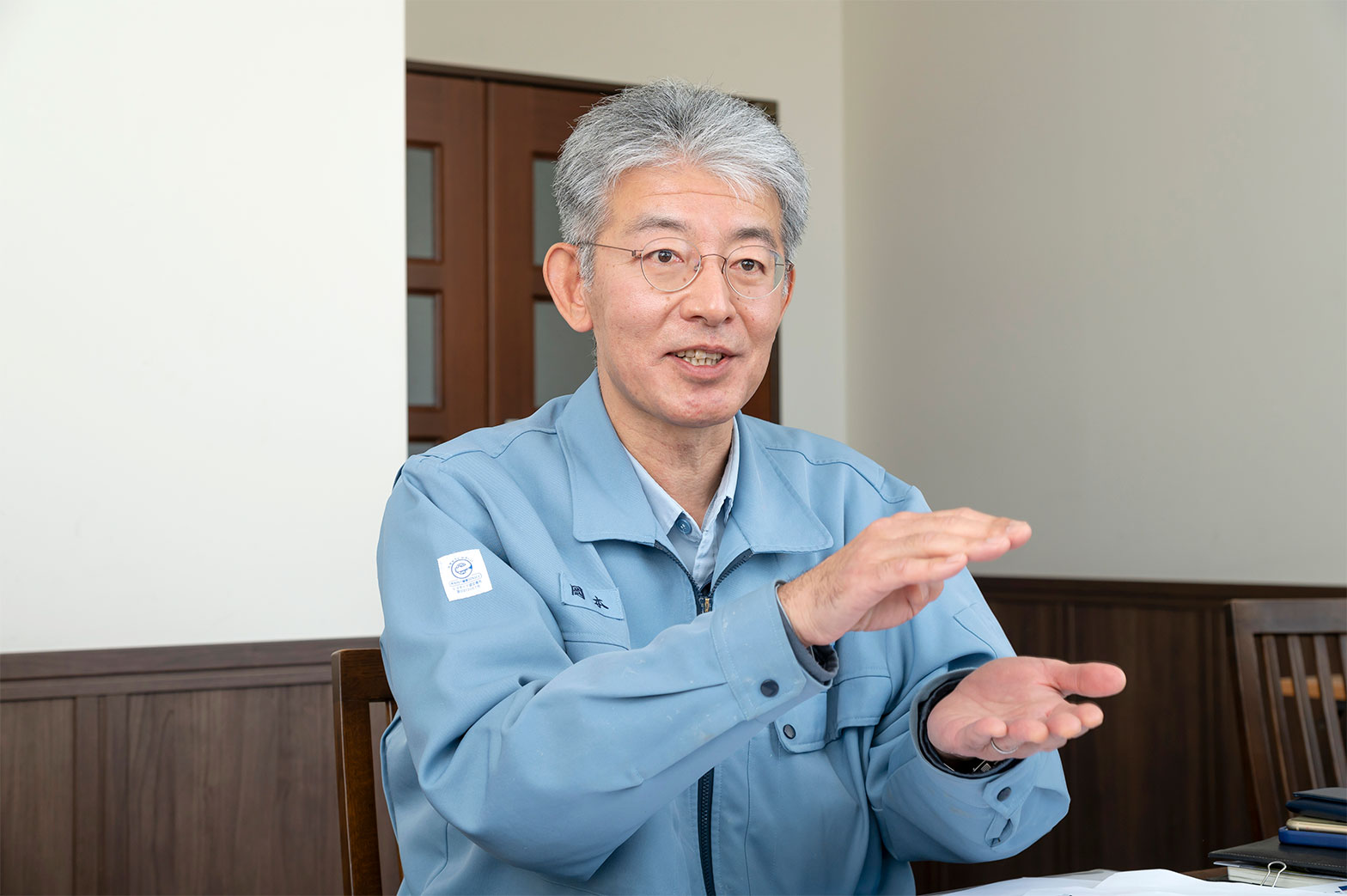
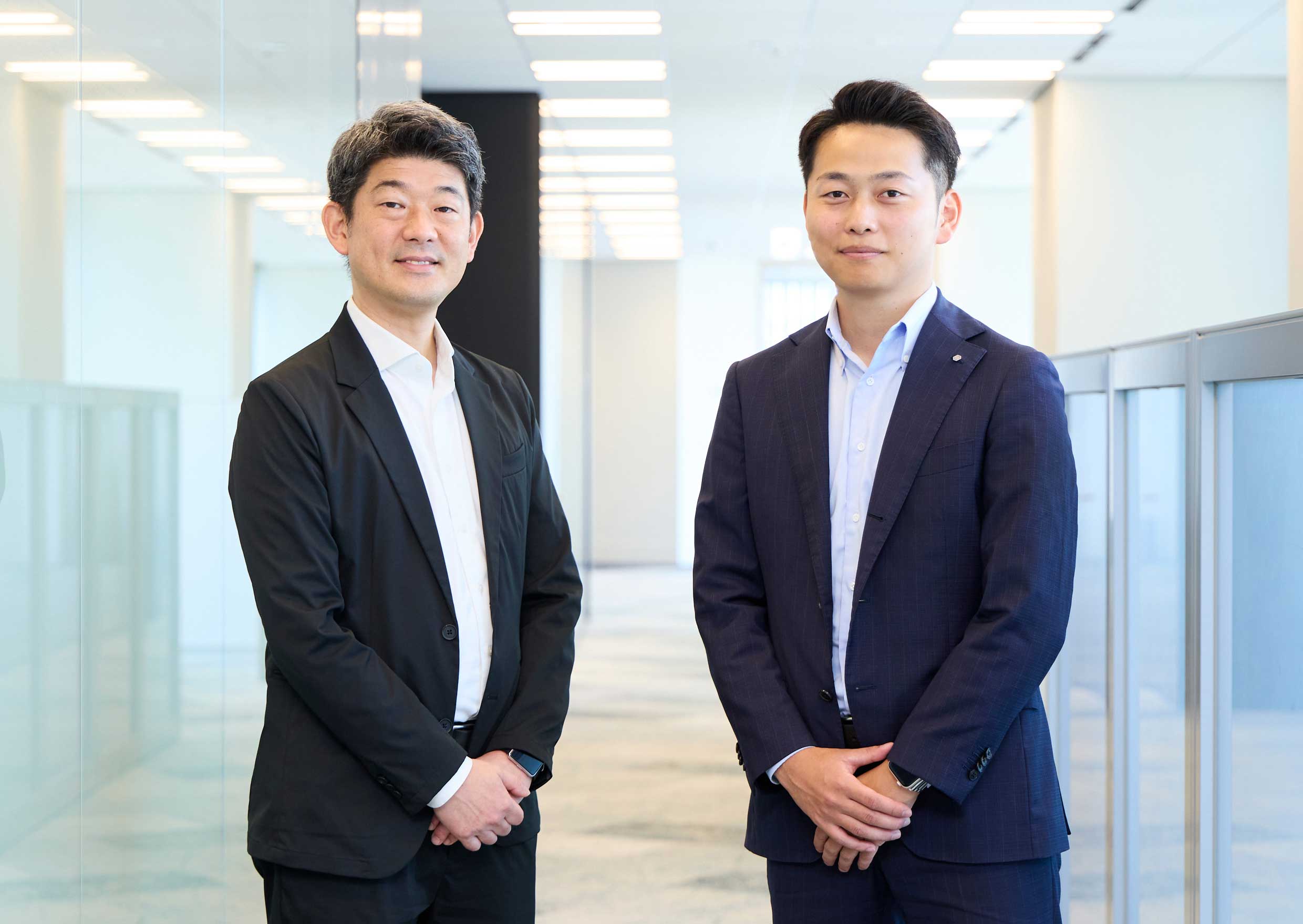
Yuichiro Okamoto of the Technology and Customer Service Division says, "Since the initial development of Sekisui Heim, the machinery and technology in our factories have continuously evolved, and production efficiency has also improved. However, I feel that the fundamental idea of 'building houses according to design specifications, more efficiently' has been passed down to the present day. We have also devised ways to make the transportation of units to construction sites more efficient. This system makes it easier to respond to the CO2 emission reduction and work style reforms that society demands."
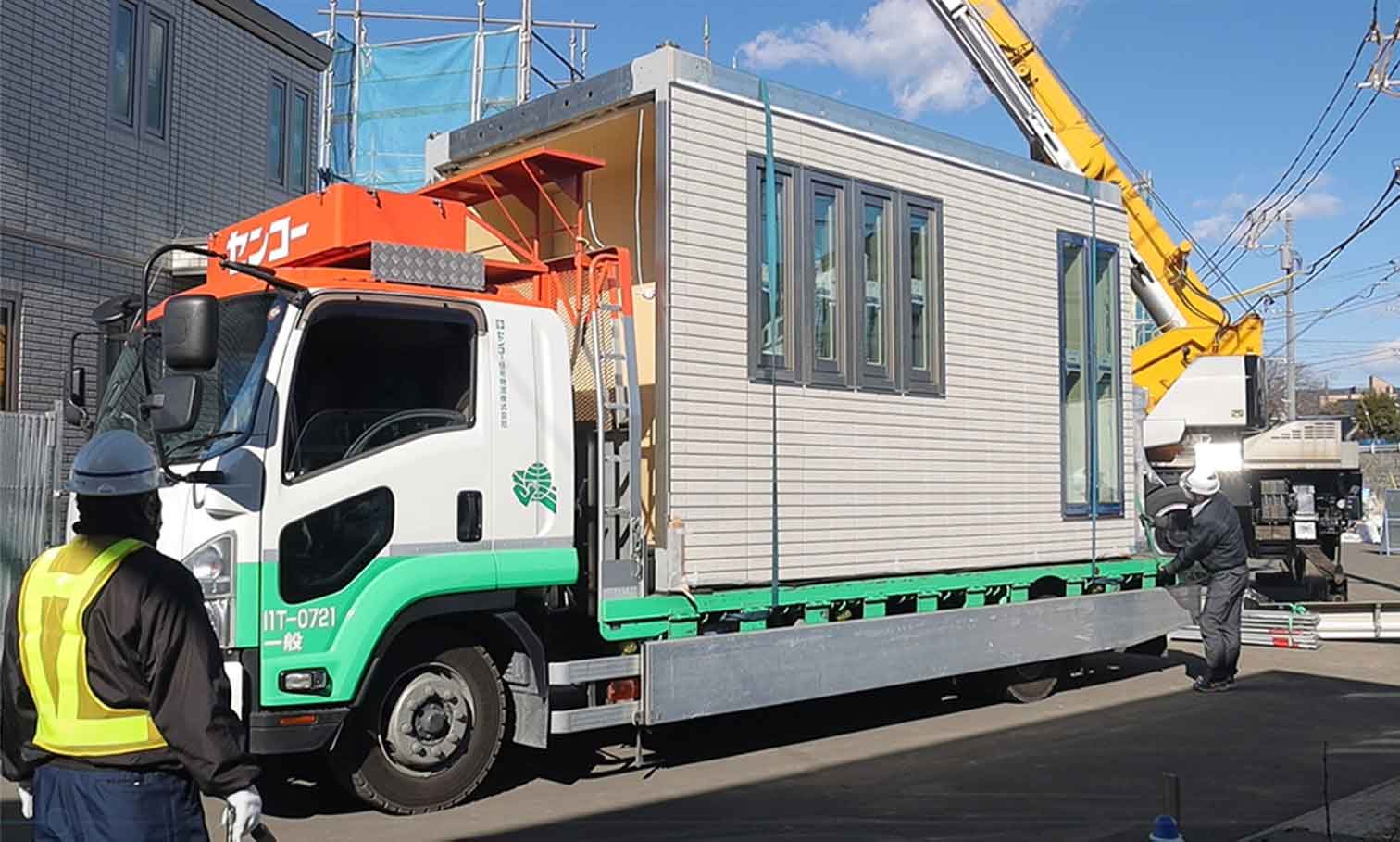
It is said that a house uses a large number of components. In typical house construction, these components must be transported directly to the construction site. Sekisui Heim produces the majority of the house components in a factory and transports them directly from the factory to the construction site, thus streamlining this transportation process.
In 2023, Sekisui Heim converted all of its domestic production plants (all 10 plants) to electricity derived from renewable energy and non-fossil fuel certificates designated as renewable energy.
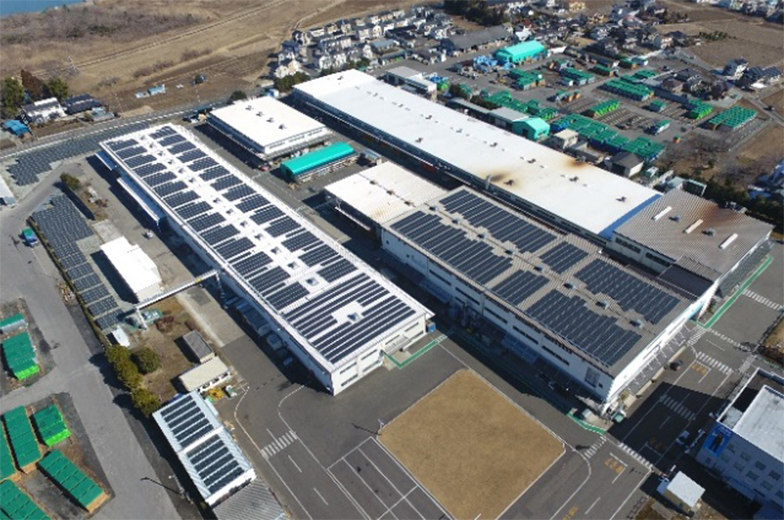
The company has continuously reviewed and improved its entire process, from production to transportation, in line with social issues. This includes utilizing electricity from virtually renewable sources in its production plants, reducing waste and improving production efficiency, and reducing CO2 emissions through efficient transportation. This has led to the promotion of ESG management, which the company advocates for, by balancing "customer value" and "business value."
A house that reduces CO2 emissions the longer you live in it.
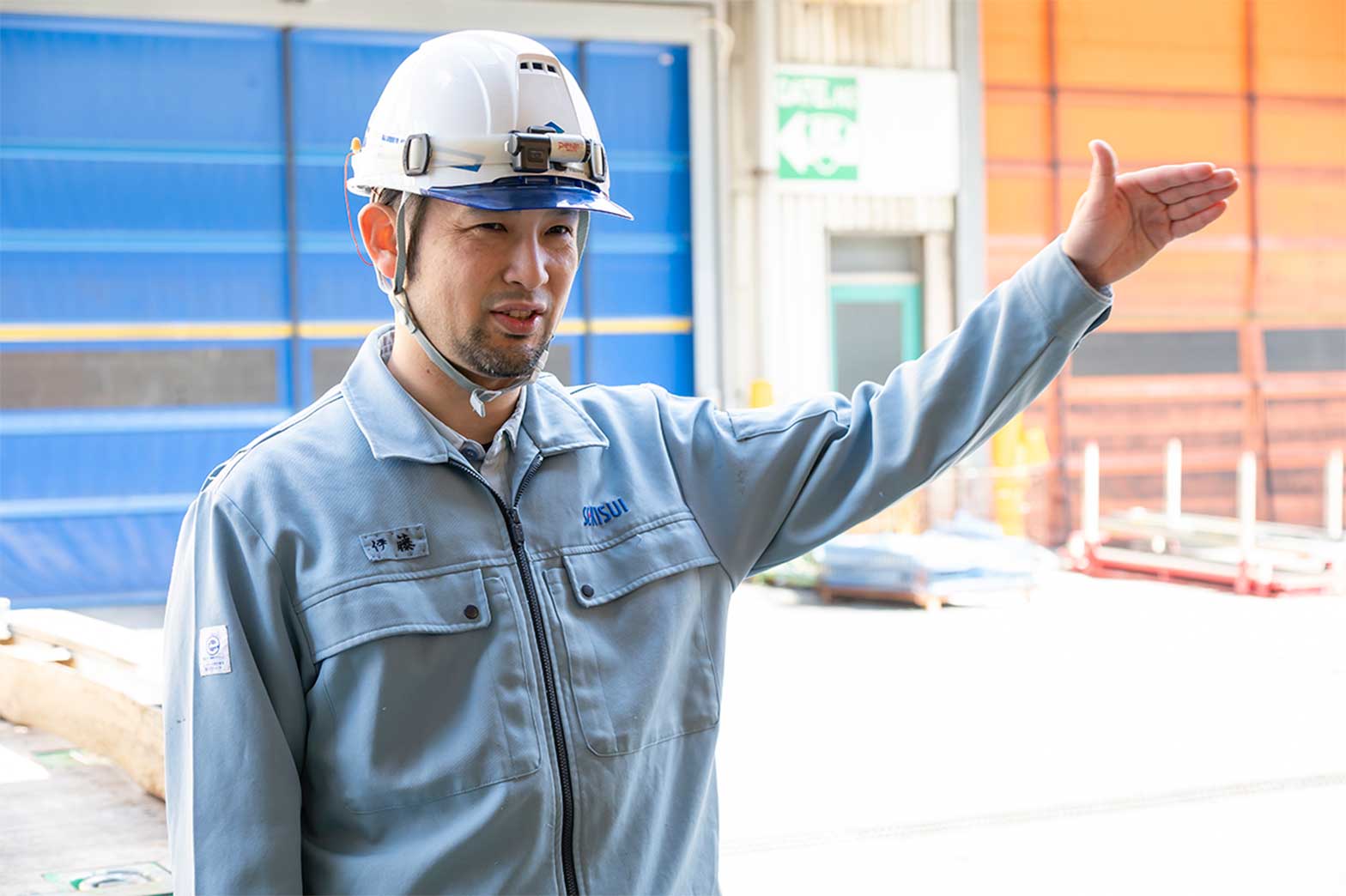
Jun Ito of the Production Innovation Division explained, "By utilizing the production technology of our factories, we can ensure high-precision insulation and airtightness. For example, because it is factory production, we can prepare a wide variety of insulation materials in different sizes to match each part, and use the appropriate one for each area." He also explained how the energy-saving performance of the houses is achieved through meticulous attention to materials and specifications. Approximately 15% of Japan's annual CO2 emissions come from living in homes. For Sekisui Heim, which aims to reduce this to zero or less in its houses, ensuring insulation and airtightness to reduce energy consumption is an essential initiative.
Furthermore, Sekisui Heim Group has been promoting the installation of solar power generation systems (PV) in homes from an early stage, aiming to integrate housing with renewable energy. As of the end of March 2024, the cumulative number of PV-equipped homes in the Sekisui Heim Group reached 240,000 (*3), and the data and know-how gained from this have led to a virtuous cycle of further innovation.
A battery storage system (*4) has also been constructed that stores electricity generated by daytime solar power in batteries and can be used when needed. Living a life that minimizes the purchase of electricity not only reduces utility costs but also serves as a model for advanced housing that prepares for disasters.
*3: Cumulative number of construction projects as of the end of March 2024 (according to Sekisui Heim's own research), from the Sekisui Heim website.
*4: May not be usable depending on the remaining battery charge. There are restrictions on the use of electricity during disasters (power outages).
Building a model that cherishes and maintains homes even after residents have moved in.
To enhance the sustainability of housing, we launched "Be Heim," a brand for buying and reselling houses, in 2020. In recent years, the problem of vacant houses has been steadily worsening. According to the Housing and Land Survey published by the Ministry of Internal Affairs and Communications, the number of vacant houses in Japan reached 9 million as of October 2023, an increase of approximately 510,000 from the previous survey in 2018. This is the highest number since the survey began. In response to this situation, the revised Vacant House Act was enacted in December 2023 with the aim of promoting the utilization and proper management of vacant houses.
Disposing of a house itself contributes to CO2 emissions. To prevent this and to conserve resources, it is important to use things for as long as possible.
Before becoming vacant, existing houses should be circulated back into the market as existing housing stock, and a perspective of "passing on the homes" is needed. However, as residents' lifestyles change, their housing needs also change. Until now, to meet these needs, a cycle of building and demolishing has been repeated. Be Heim is an initiative to change this.
Be Heim is an initiative that involves purchasing existing Sekisui Heim homes from their owners, renovating them to enhance smart features and other aspects to add new value (upcycling), and then reselling them (*5). Its features include a highly durable structure and the "health condition of the home" being made "visible" to new buyers. As part of the Sekisui Heim Group, the company aims to become a "circular" company that does not waste the homes it builds but passes them on to the next generation.
*5: Depending on sales conditions and other circumstances, the sale of the land after demolishing the building, or the brokerage transaction of the property in its current condition without renovation, may be changed without prior notice.
To create, to live in, to continue living.
Sekisui Heim aims to build a sustainable future through housing. Beyond simply pursuing the safety and comfort of its residents, Sekisui Heim creates homes that consider the global environment, making the house itself a tool for solving environmental problems. This philosophy is rooted in the idea of "a home for a lifetime."
By cherishing, using, and passing on a home that has just been built for a long time, and then to the next generation, we can create even more value. This is a challenge to propose a "cycle" to society that goes beyond mere home building. And this challenge will continue.