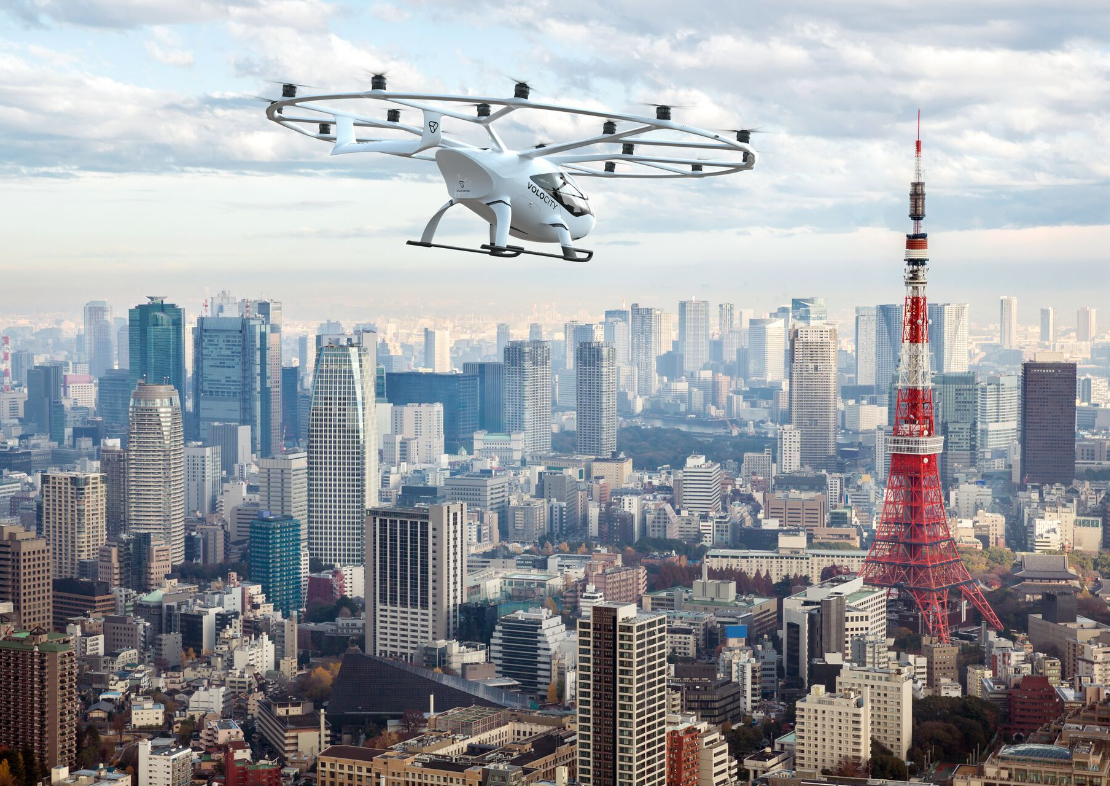
In this era of "global boiling," let's consider "homes" that reduce CO2 emissions the longer you live in them.
公開日:

What thoughts and stories were behind its development?
How will that connect to the people and societies living on Earth?
"SEKISUI | Connect with" is a future-creating media platform that connects you with Sekisui Chemical.
- The average annual CO2 emissions per household in Japan are 2.57 tons.
- Approximately 74% of the energy used in a year comes from renewable energy sources, specifically "GREENMODEL" (*1).
- The "GREENMODEL-S" model, designed for heavy snow areas *2, features Smart Heim Navi (HEMS) that automatically switches the battery operation according to the season.
- CO 2 Emissions reduced by 0.8 tons *3 Self-sufficient housing *4"
*1 [Calculation conditions] Solar power 10.36kW, storage battery 12kWh (green mode), comfortable air conditioning (1st floor) + air conditioner (2nd floor), building location: Nagoya, calculation based on electricity data, electricity contract: Chubu Electric Power (as of April 2023), all-electric, EcoCute, total floor area: 134.12m², UA value: 0.54. Actual figures may be lower than the above figures depending on the site conditions, plan, equipment specifications, and lifestyle of each customer's home, resulting in a lower self-sufficiency rate and period during which electricity can be supplied. The figures are estimates and are not guaranteed.
*2 Excluding Hokkaido and some remote island areas.
*3 CO2 emissions are estimated using the formula: CO2 emissions = (electricity consumption - power generation) × CO2 emission factor. The emission factor for commercial electricity is estimated at 0.47 kg-CO2 /kWh. Depending on the environment and other conditions of use, the actual figures may not be met.
*4 This does not cover all electricity needs. You will need to purchase electricity from a power company.
The COP28 international conference on climate change, held from the end of November to the beginning of December 2023, attracted significant attention with the adoption of an outcome document that included a plan to "transition away from fossil fuels in approximately 10 years." In Japan, too, efforts are underway to address global challenges, with a declaration of carbon neutrality by 2050 and the promotion of decarbonization. Last year, UN Secretary-General António Guterres stated that "the Earth has entered an era of boiling," and indeed, the summer of 2023 in Japan saw a heatwave of disaster proportions, and the global average temperature in July reached a record high.
The average annual CO2 emissions per household in Japan are 2.57 tons.
According to a survey by the Ministry of the Environment, the average annual CO2 emissions per household in Japan (total of electricity, gas, and kerosene) is 2.57 t-CO2 (FY2022, Ministry of the Environment survey https://www.env.go.jp/content/000168395.pdf). To reduce this figure, "energy creation" such as generating electricity through solar power generation at home and "energy conservation" to improve the efficiency of energy use are required. Household-related emissions are said to account for 21% of Japan's greenhouse gas emissions (https://www.env.go.jp/policy/hakusyo/r03/html/hj21010102.html). Although this is small compared to corporate and public sector emissions, it is not a figure that can be ignored.
"Sekisui Heim offers a home called 'GREENMODEL,' which aims for energy self-sufficiency *4 by bringing together Sekisui Chemical's cutting-edge technologies."
*4 This does not cover all electricity needs. You will need to purchase electricity from a power company.
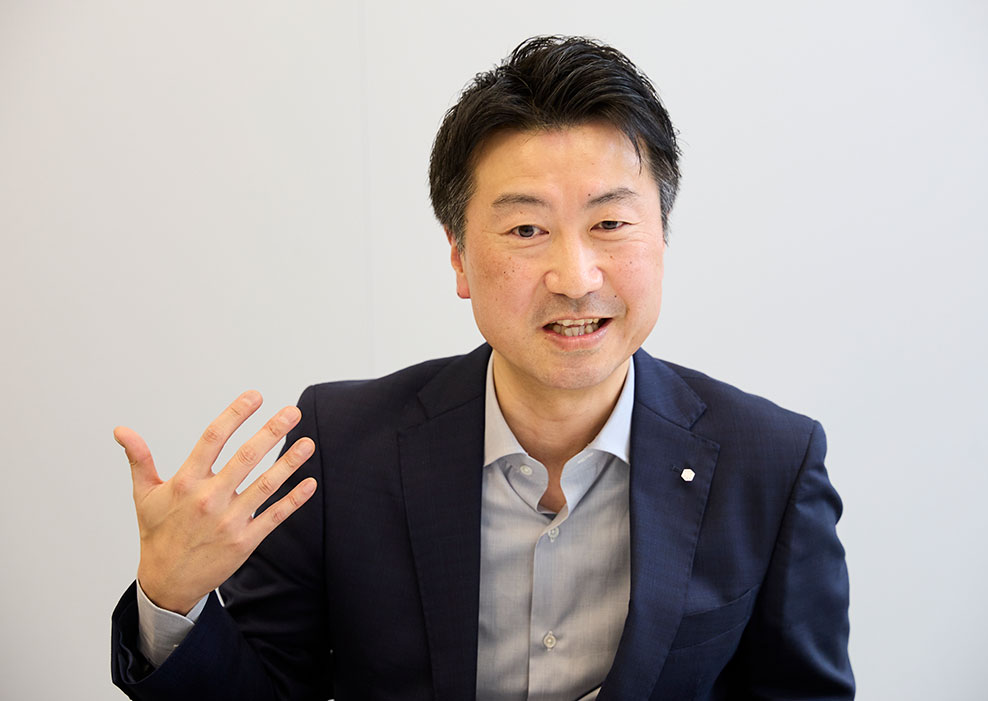
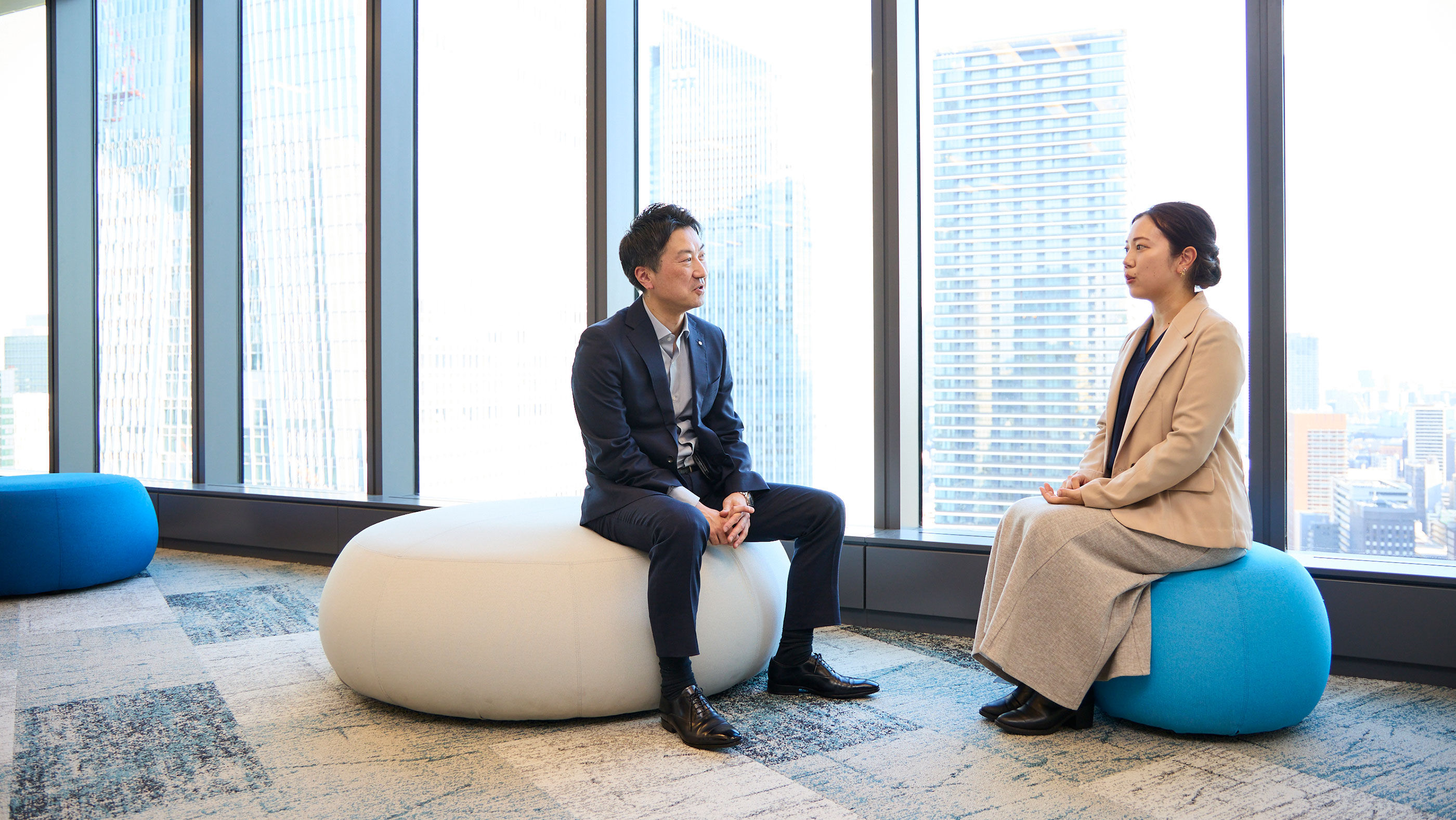
This is said by Yoichi Toyoda from Sekisui Chemical's Housing Company Corporate Strategy Department. Toyoda joined the company as a technical engineer, was involved in launching Sekisui Heim's proprietary HEMS (Home Energy Management System) "Smart Heim Navi," and later took charge of GREENMODEL. This GREENMODEL is Sekisui Heim's flagship environmental model housing. It generates electricity using a large-capacity solar power generation system (PV), stores it in large-capacity batteries, and provides a system for efficient use in Smart Heim Navi.
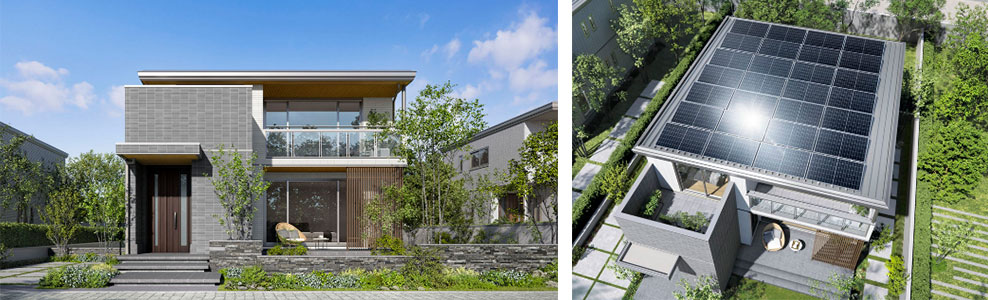
Approximately 74% of the energy used in a year comes from renewable energy sources, specifically "GREENMODEL" (*1).
"In the GREENMODEL lifestyle, approximately 3/4 (about 74%) of the energy used in a year *1 comes from renewable energy sources that do not originate from fossil fuels. We aim for a self-sufficient lifestyle *4 that minimizes the purchase of electricity, which not only allows for an environmentally friendly lifestyle but also offers economic benefits by reducing utility costs due to the reduced amount of electricity purchased."
The company estimates that there are approximately 200 days a year when they live almost entirely on solar power. *1 How much environmental contribution does GREENMODEL make?
*1 [Calculation conditions] Solar power 10.36kW, storage battery 12kWh (green mode), comfortable air conditioning (1st floor) + air conditioner (2nd floor), building location: Nagoya, calculation based on electricity data, electricity contract: Chubu Electric Power (as of April 2023), all-electric, EcoCute, total floor area: 134.12m², UA value: 0.54. Actual figures may be lower than the above figures depending on the site conditions, plan, equipment specifications, and lifestyle of each customer's home, resulting in a lower self-sufficiency rate and period during which electricity can be supplied. The figures are estimates and are not guaranteed.
*4 This does not cover all electricity needs. You will need to purchase electricity from a power company.
"Living in a GREENMODEL home is equivalent to planting approximately 152 cedar trees, for example, as an environmental contribution." *1*5
*5 CO2 emissions are estimated using the formula: CO2 emissions = (Amount of electricity purchased - Amount of electricity sold) × CO2 emission factor. The estimate uses 0.441 kg-CO2 /kWh (alternative value) from the emission factors by electricity supplier published by the Ministry of the Environment and the Ministry of Economy, Trade and Industry in FY2022 (https://ghg-santeikohyo.env.go.jp/calc). Electricity data: Estimated based on actual HEMS data. Created based on "Carbon dioxide absorption capacity of forests" (Kanto Regional Forest Office) (https://www.rinya.maff.go.jp/kanto/).
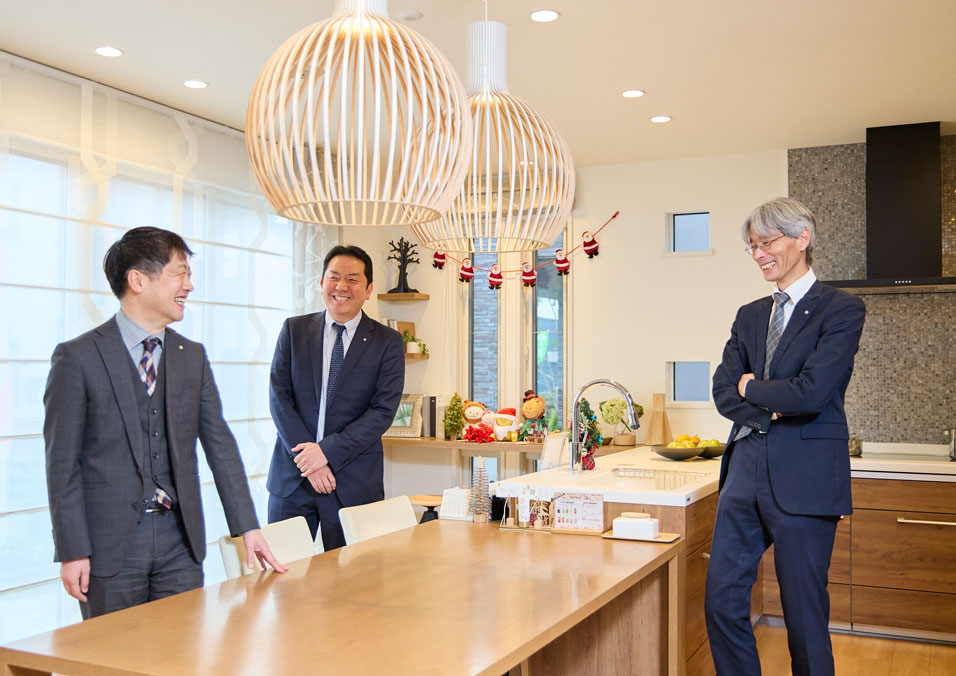
A clear example was shared with Toyoda by Maiko Yoshihiro from Sekisui Chemical's Housing Company Management Strategy Department, Marketing Department. She served as project lead for a Ministry of the Environment commissioned project described later, promoted demonstration experiments, and then transferred to the marketing department. Currently, she works to share Sekisui Chemical's housing performance with many people, including GREENMODEL.
"It is also highly economical, with 95% of the GREENMODEL homes (324 residences) achieving a net cost of 0 yen or less for utilities.*6"
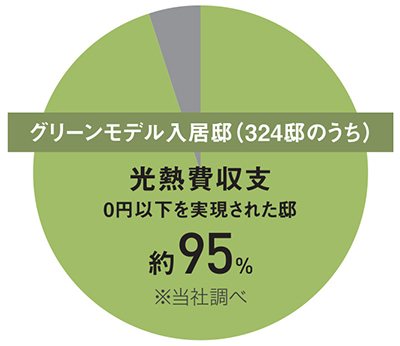
*6 Based on HEMS data from actual GREENMODEL homes, this represents the ratio where "purchase price - sale price = 0 yen or less". It does not include basic electricity charges, renewable energy surcharges, or fuel adjustment charges.
Recently, rising utility costs have been a hot topic, but by effectively utilizing renewable energy, it's possible to reduce expenses and even achieve a net-zero balance.
"Attention to environmental performance is increasing year by year, but in recent years, the COVID-19 pandemic has led to people spending more time at home, and there has been a growing need to save on electricity bills. As a result, we have received more inquiries than we anticipated," the two said.
Furthermore, with natural disasters becoming more severe in recent years, resilience is also attracting attention.
"We are working to enhance resilience not only during disasters, but also in three stages: normal times, during a disaster, and after a disaster. For example, during normal times, we aim to create a comfortable living environment with pleasant air quality in winter and a comfortable temperature in summer that doesn't require excessive reliance on air conditioning. Furthermore, during disasters such as earthquakes, a robust housing structure is required. It needs to be strong not just against a single earthquake, but against repeated earthquakes. In addition, after a disaster, we aim to ensure that electricity can be used even during power outages *7, allowing people to live as normally as possible."
Toyoda then explained about the new GREENMODEL model for heavy snow areas, which was introduced in 2023. *2
*7 Power will not be restored if the battery charge is insufficient. The extent to which power can be used during a power outage varies depending on the battery and the pre-design. There is a limit to the amount of power that can be used simultaneously.
*2 Excluding Hokkaido and some remote island areas.
The "GREENMODEL-S" model, designed for heavy snow areas *2, features Smart Heim Navi (HEMS) that automatically switches the battery operation according to the season.
A challenge with solar power generation is that power generation varies depending on the amount of sunshine. In areas with heavy snowfall, the amount of power generated by PV during the snowy season is insufficient, and there is a risk that the storage battery will not be sufficiently charged during power outages caused by heavy snow. For this reason, the "GREENMODEL" series had not been introduced in areas with heavy snowfall from a resilience perspective. However, in order to deliver GREENMODEL to areas with heavy snowfall as well, Toyoda and others attempted development and created a new "snow-area-specific battery green mode operation function" (patent pending) for the HEMS "Smart Heim Navi". This has enabled a system in which "Smart Heim Navi" automatically switches the operation of the storage battery according to the season. This has made it possible to achieve an energy self-sufficiency rate of 85% during the summer (May to October) while ensuring safety and security during power outages throughout the year * 7.
*7 Power will not be restored if the battery charge is insufficient. The extent to which power can be used during a power outage varies depending on the battery and the pre-design. There is a limit to the amount of power that can be used simultaneously.
*8 [Calculation conditions] Building site: Niigata, UA value 0.46, total floor area: 123.77 m², solar power generation 8.64 kW, battery storage 12 kWh (green mode heavy snow), cooking: IH heater, hot water supply: EcoCute, air conditioning: Comfortable Airy (1st floor) + air conditioner (2nd floor), electricity consumption: calculated based on actual HEMS data. Depending on the environment and other conditions of use, the values may not be met.
"This is a system where Smart Heim Navi automatically switches the operation of the battery storage system according to the season. For example, in winter (November to April), it charges the battery storage system every night using off-peak electricity to prepare for sudden power outages due to heavy snow, etc., and in summer (May to October), it prioritizes using surplus PV electricity during the day to charge the battery storage system, thereby enabling a lifestyle where you don't have to buy electricity as much as possible."

Toyoda proudly stated, "We have been using Smart Heim Navi as a standard feature since 2011, and we have accumulated data for over 10 years. We are developing products based on this vast amount of data, and we can say that the performance of the regular GREENMODEL, as well as the GREENMODEL-S, is unique to our company."
The new "Green Mode Battery Operation Function for Heavy Snow Areas" automatically switches between two battery operation modes depending on the season, based on past weather data and up to four years' worth of HEMS data from approximately 1,800 Sekisui Heim homes in heavy snow areas. This truly demonstrates how accumulated data is being utilized in product development.
Furthermore, Sekisui Heim, a housing brand by Sekisui Chemical that includes the GREENMODEL, employs a unit construction method in which the majority of the house construction is carried out in a factory. This is said to be a measure to improve the precision of insulation and airtightness performance compared to on-site assembly. "By manufacturing in a factory, we can achieve the planned insulation and airtightness performance," they said, adding that they are able to continue evolving not only through software but also through hardware improvements.
CO 2 Emissions reduced by 0.8 tons *3 Self-sufficient housing *4"
*3 Based on monitoring of electricity consumption in a total of 478 Sekisui Heim owner homes. CO2 emissions are estimated using the formula: CO2 emissions = (electricity consumption - power generation) × CO2 emission factor. Commercial electricity emission factor: 0.47 kg-CO2 /kWh is used for the calculation. Depending on the environment and other conditions of use, the actual figures may not be met.
*4 This does not cover all electricity needs. You will need to purchase electricity from a power company.
Sekisui Chemical was selected for a project commissioned by the Ministry of the Environment, and from June 2021, they conducted technology development and demonstration experiments at the homes of owners where the technology had been implemented. The demonstration experiments involved monitoring electricity consumption data in a total of 478 Sekisui Heim owner homes to verify whether it was possible to generate more energy through PV (photovoltaic) and other means than the energy consumed during actual living conditions.
"For this demonstration experiment, we developed a new tri-hybrid energy storage system that connects a large-capacity PV system of up to 10.08kW, a large-capacity battery of 12kWh *9, and a V2H (Vehicle to Home) system with a single power conditioner. Each piece of equipment is connected using DC, which minimizes power conversion losses, enabling efficient energy utilization. The energy generated in large quantities by the PV system is consumed domestically, and by encouraging energy-saving behavior among residents, CO2 emissions at the home are reduced. Surplus electricity is sold back to the local community."
*9 This is a catalog value and may differ from the actual usable capacity.
Yoshihiro explains that, as something that the current GREENMODEL lacks, they also developed a new smart home app as part of the project.
"To further reduce energy consumption through behavioral changes among residents, we also developed a prototype Smart Heim app to support energy-saving lifestyles. We demonstrated that by using the app to generate schedules for effective use of equipment and encouraging individual energy-saving actions, energy consumption in the homeowner's daily life is reduced, resulting in a reduction in CO2 emissions."
The smartphone app is being refined, and the company aims to expand its use to future GREENMODEL products.
In this demonstration experiment, the CO2 emissions per house averaged a net negative 0.8 tons of CO2 per year *3. In other words, the longer you live there, the more you can aim for a net negative annual CO2 emissions balance through the use of renewable energy.
*3 CO2 emissions are estimated using the formula: CO2 emissions = (electricity consumption - power generation) × CO2 emission factor. The emission factor for commercial electricity is estimated at 0.47 kg-CO2 /kWh. Depending on the environment and other conditions of use, the actual figures may not be met.
"The results suggest that we may be able to realize a truly self-sufficient *4 housing. Going forward, we would like to incorporate the results of this demonstration experiment into GREENMODEL and update it," Yoshihiro said, to which Toyoda nodded and continued.
*4 This does not cover all electricity needs. You will need to purchase electricity from a power company.
"In addition to advanced energy equipment such as the perovskite solar cells that have been attracting attention recently, Sekisui Chemical possesses a diverse range of materials and components as assets. While considering how to utilize these assets in housing, we are constantly planning and developing GREENMODEL with the desire to remain a leading model in environmental performance, economic efficiency, and resilience."
Furthermore, the research paper describing this demonstration experiment won the highest honor, the "Gold Prize," at an international conference hosted by the IEEE, the world's largest academic research organization and technical standardization body in the field of electrical and information engineering. This is a first for Sekisui Chemical and a rare achievement in the housing industry.
As the world grapples with climate change, Toyota and its team continue their efforts to address this major social challenge through housing performance, and there is no end to their work. GREENMODEL is constantly being updated.


Related Links
- Sekisui Heim's latest "Smart & Resilient" home demonstrates a reduction of 0.8 tons of CO2 emissions per year, surpassing our existing technologies.*1
- A research paper on energy consumption changes in actual Sekisui Heim homes won the highest award, the Gold Prize, at the international conference (GCCE2023).