A promise to the next generation: Co-creation progresses, starting with disaster-resistant toilets.
公開日:
What thoughts and stories were behind its development?
How will that connect to the people and societies living on Earth?
"SEKISUI | Connect with" is a future-creating media platform that connects you with Sekisui Chemical.
When a disaster strikes, the first thing that comes to mind as preparation might be water and food. However, when the time actually comes, the importance of "toilets" becomes painfully clear. Water and food can be stockpiled, but excretion is a natural bodily function that cannot be stopped, and securing toilets becomes an urgent matter when lifelines are cut off in a large-scale disaster.
According to a survey conducted by Professor Tomoko Okayama of Taisho University among victims of the Kumamoto earthquake (with the cooperation of the NPO Japan Toilet Research Institute), 39% of respondents felt the need to use the toilet within three hours of the disaster, and this figure rises to 73% when combined with those who felt the need within six hours. Flush toilets may become unusable if electricity and water supply/drainage systems are damaged. If they stop working, the disposal of human waste becomes a serious problem as time goes on. Furthermore, if life in evacuation shelters becomes prolonged, the stress caused by toilet odors and hygiene management will also become important issues.
To address these challenges, Sekisui Chemical has developed and is proposing to local governments a disaster relief manhole toilet system called the "Disaster Prevention Storage Toilet System," which connects directly to the sewage system. This system allows for the rapid and short-term installation of hygienic temporary toilets because it pre-installs dedicated piping for temporary toilets that connects directly to the sewage system.
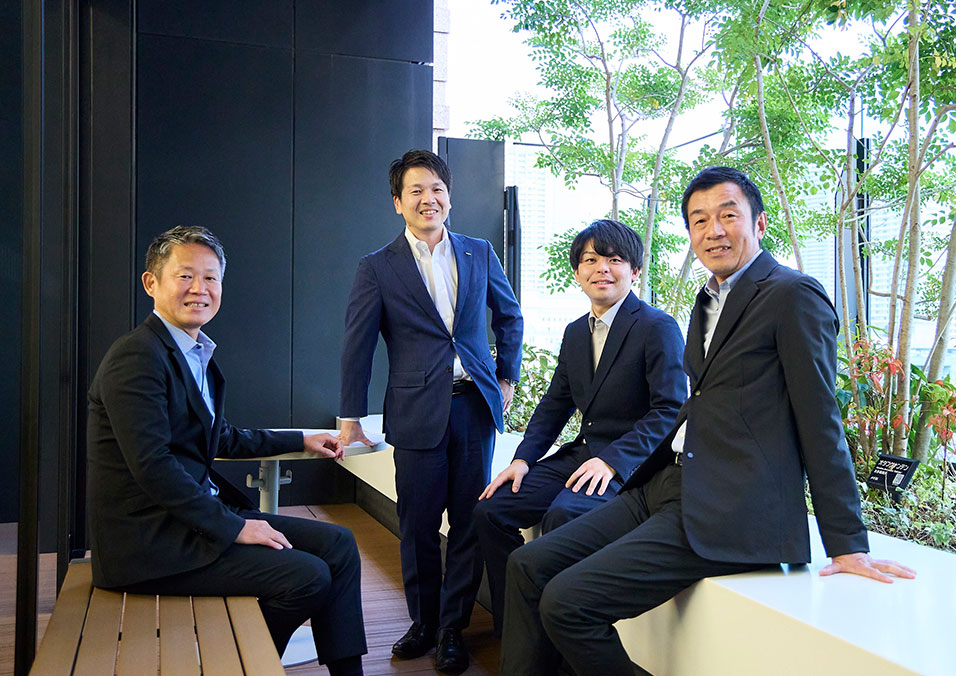
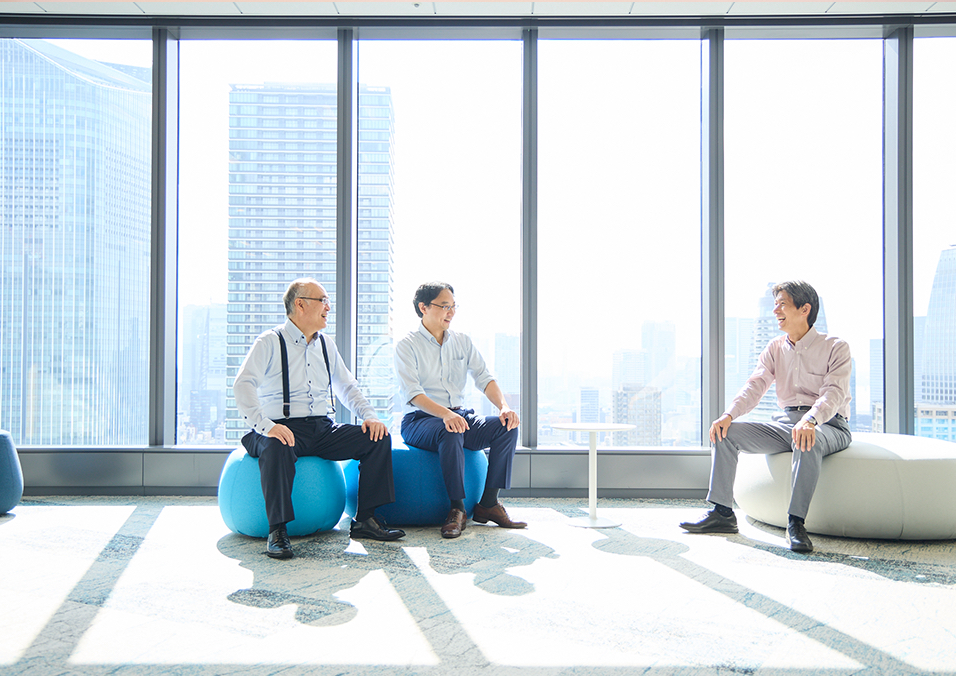
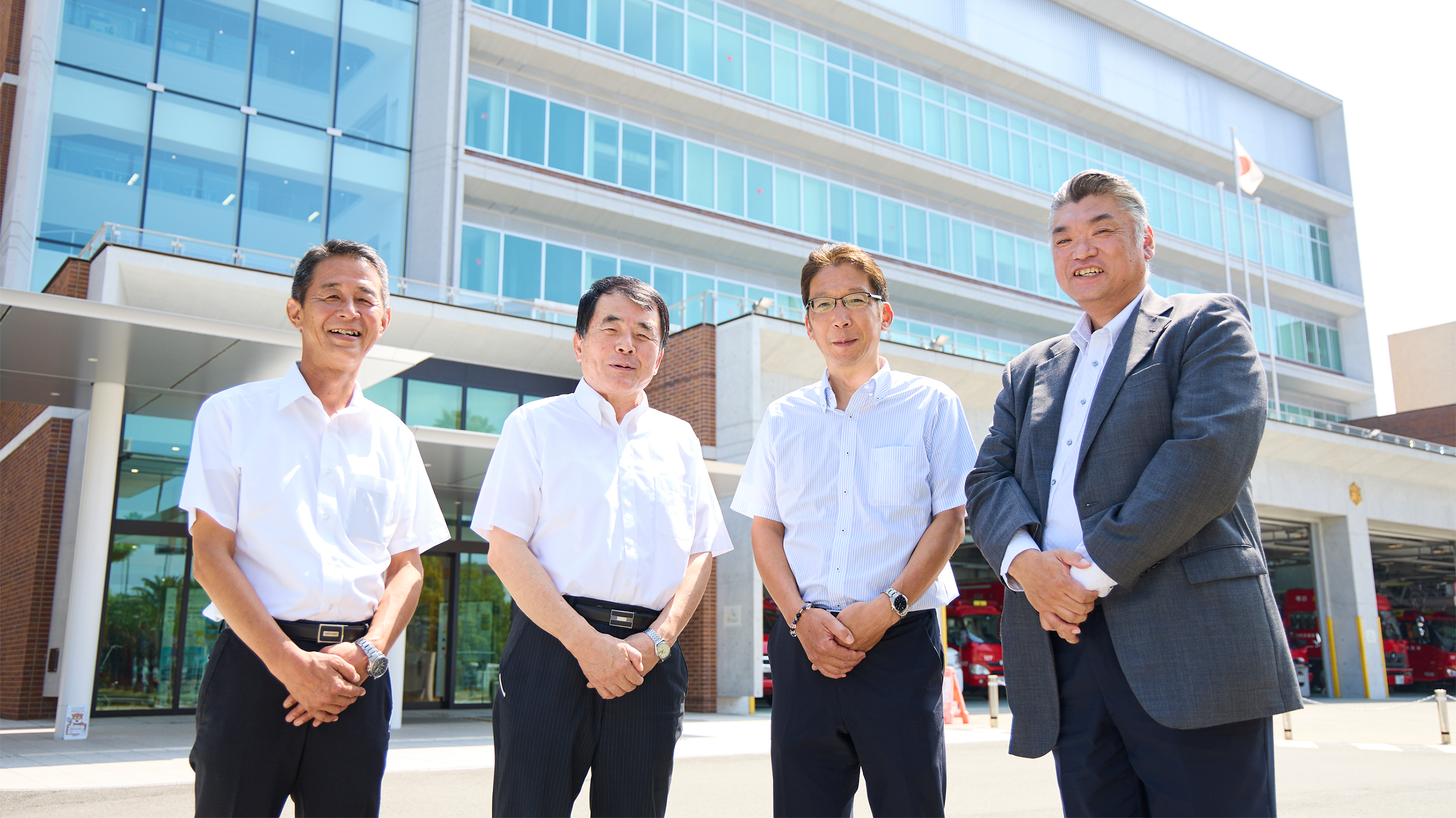
In Niihama City, Ehime Prefecture, these toilets are being introduced in city halls and elementary schools as part of disaster preparedness efforts. As life in evacuation centers and at home becomes prolonged, the existence of clean, easy-to-use toilets with minimal odor directly contributes to the well-being of citizens. In this article, we invited three individuals involved in the city's water and sewage administration and crisis management, along with members from Sekisui Chemical who propose toilet systems and water supply solutions, to discuss the progress being made in Niihama City to solve water-related issues and the implementation of this groundbreaking toilet system.
Why Niihama City, blessed with an abundant water environment, is focusing on "disaster-relief toilets"
Niihama City is located in the eastern part of Ehime Prefecture and faces the Seto Inland Sea. Blessed with abundant nature, the city is nourished by clear streams flowing from the Shikoku Mountains. When we asked Deputy Mayor Kazuyuki Hara about the city's geography, he told us about its rich water environment.
"All of Niihama City's tap water comes from groundwater, and its water quality is excellent. It's no exaggeration to say it's like naturally produced mineral water. There are also chemical manufacturers in the city, and this water is used for industrial purposes as well."
In order to pass on this rich water environment to future generations, the city is currently conducting an interim review of the "Niihama City New Water Supply Vision" this fiscal year. Amidst many challenges such as population decline, aging infrastructure, and disaster prevention measures to prepare for the Nankai Trough earthquake, we are reconsidering specific measures to realize a safe, strong, and sustainable water supply system.

In line with the new waterworks vision, Niihama City's water infrastructure, particularly its main pipelines, is undergoing seismic reinforcement, and the current seismic reinforcement rate for these main pipelines is 42%. In addition, approximately 70% of the pipelines replaced in fiscal year 2023 incorporated "Eslo Hyper," a high-performance, earthquake-resistant polyethylene pipe developed by Sekisui Chemical. Further replacements are planned to proceed sequentially. Kazuhiko Tamai, who leads waterworks policies as the Director of the Waterworks Bureau, will discuss the guidelines that support water safety.
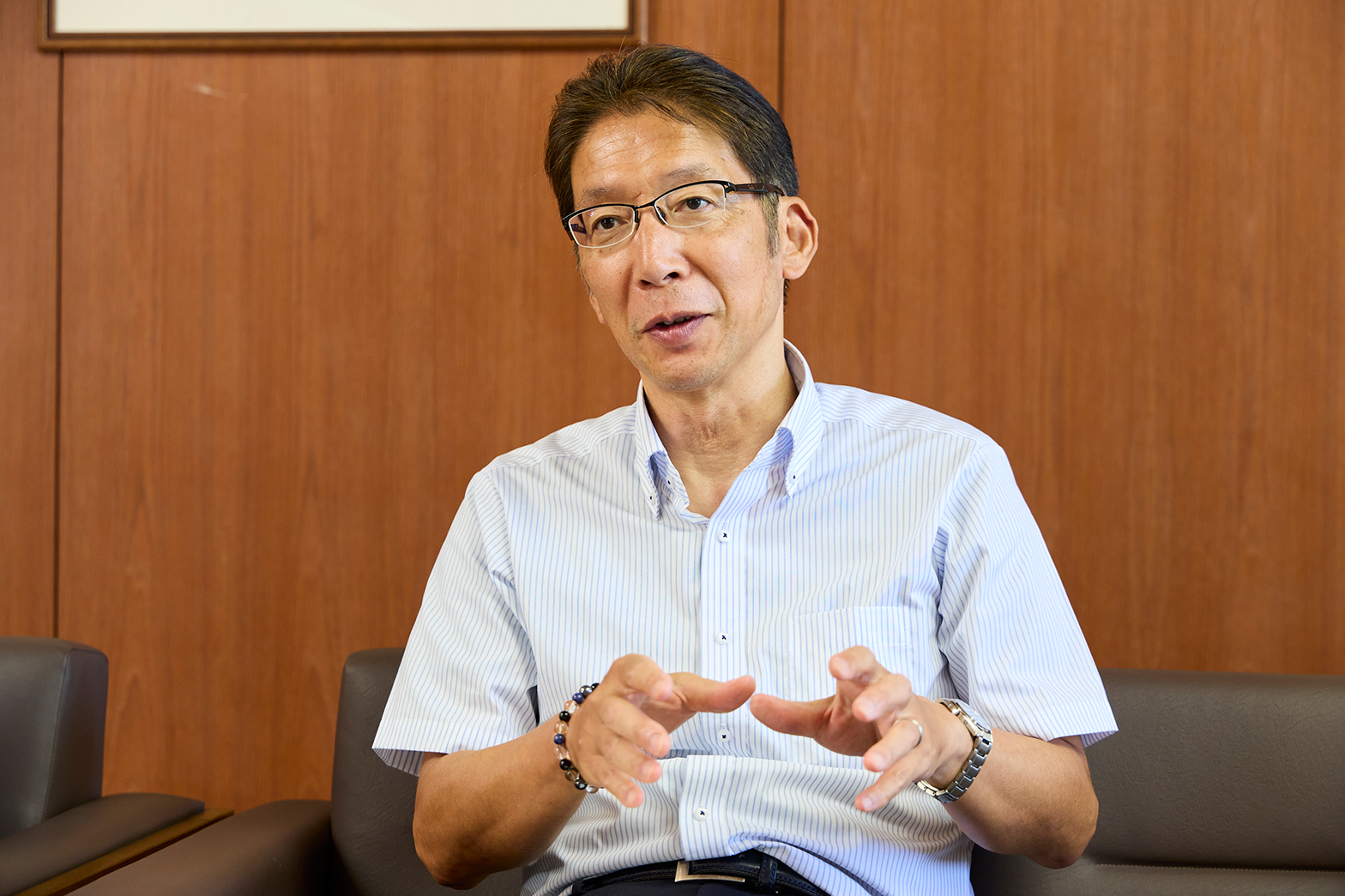
"In the Niihama City New Water Supply Vision, in addition to water quality safety, measures against aging infrastructure and earthquake countermeasures are important pillars. Among these, polyethylene pipes for water distribution are attracting attention for their excellent earthquake resistance. The introduction of these pipes began in 2010. Lightweight and easy to work with, polyethylene pipes have received high praise from construction companies."
Ideally, the entire water supply system, from the water treatment plant to each household, should be earthquake-resistant, but this would require significant time and expense. Therefore, we are first focusing on earthquake-resistant reinforcement of the main pipelines and water supply routes to critical facilities such as disaster relief hospitals. This will enable us to quickly build a robust water infrastructure even during disasters, ensuring the safety and security of our citizens. Meanwhile, we are also making progress on earthquake countermeasures for sewage systems. Our comprehensive earthquake countermeasures plan includes earthquake-resistant reinforcement of main pipelines and sewage treatment plants, as well as the development of manhole toilets for disaster relief.
Disaster relief manhole toilets are emergency facilities that function as toilets by installing simple toilet seats and structures such as tents or panels inside manholes located above sewer pipes. In preparation for the Nankai Trough earthquake, Niihama City has constructed a new fire and disaster prevention joint government building with a seismic isolation structure, consolidating the functions of the fire department and disaster response headquarters. Various measures are being prepared to ensure a rapid response in the event of an earthquake. Noboru Ozawa, who oversees the city's crisis management, also emphasizes the importance of toilet measures.
"Modern toilets are generally Western-style. Children, in particular, are not used to Japanese-style toilets, and many people, including the elderly, find typical Japanese-style temporary toilets difficult to use. Therefore, at disaster sites such as evacuation centers, there is a demand for clean, odor-free Western-style toilets. Is there a toilet that meets these requirements and can provide comfort during a disaster? This perspective becomes crucial in disaster prevention and crisis management."
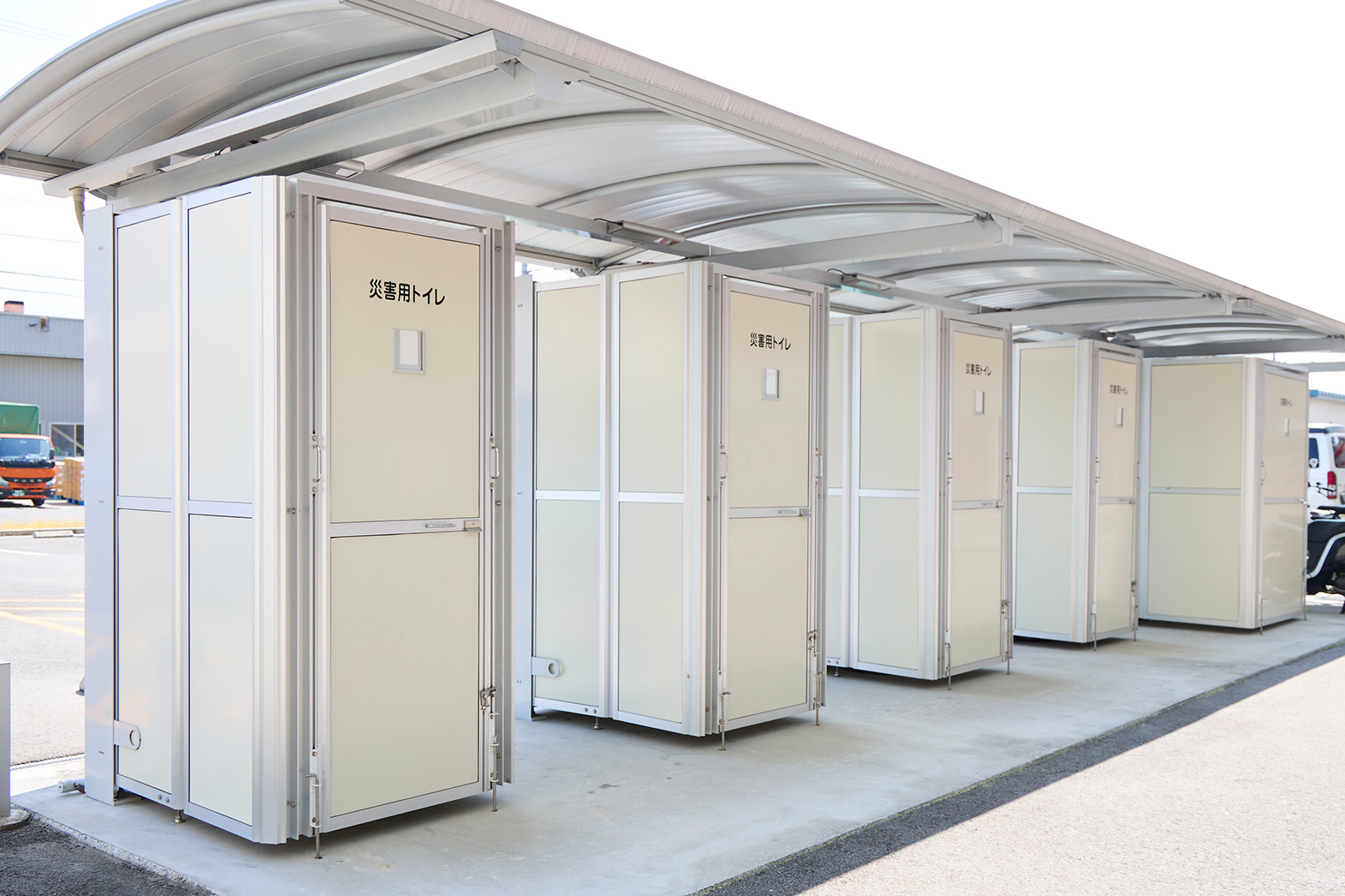
What kind of toilet design would be truly effective in preparation for a major earthquake?
In Niihama City, preparations for disasters, which can strike at any time, have begun to install manhole toilets for use during emergencies, coinciding with the construction of the joint fire and disaster prevention office building. Installation is progressing in the city hall and elementary schools that serve as designated evacuation centers, and by fiscal year 2023, installation was completed in eight schools in the city. Two more schools will be added in fiscal year 2024, and by fiscal year 2027, installation is planned in 13 elementary schools connected to the public sewer system. Regarding the background of this introduction and installation, Mr. Tamai recalls, "The 2016 Kumamoto earthquake was the catalyst."
"Through investigating the extensive damage caused by the Kumamoto earthquake and the prolonged life in evacuation centers, the importance of securing toilets during disasters and the effectiveness of manhole toilets became clear. While earthquake-resistant construction of water and sewage systems and maintenance of pipelines are also important, there is a high possibility that sewer pipes will become unusable immediately after an earthquake. Therefore, we have reaffirmed that securing toilets is the top priority in preparation for the major earthquake expected in the near future."
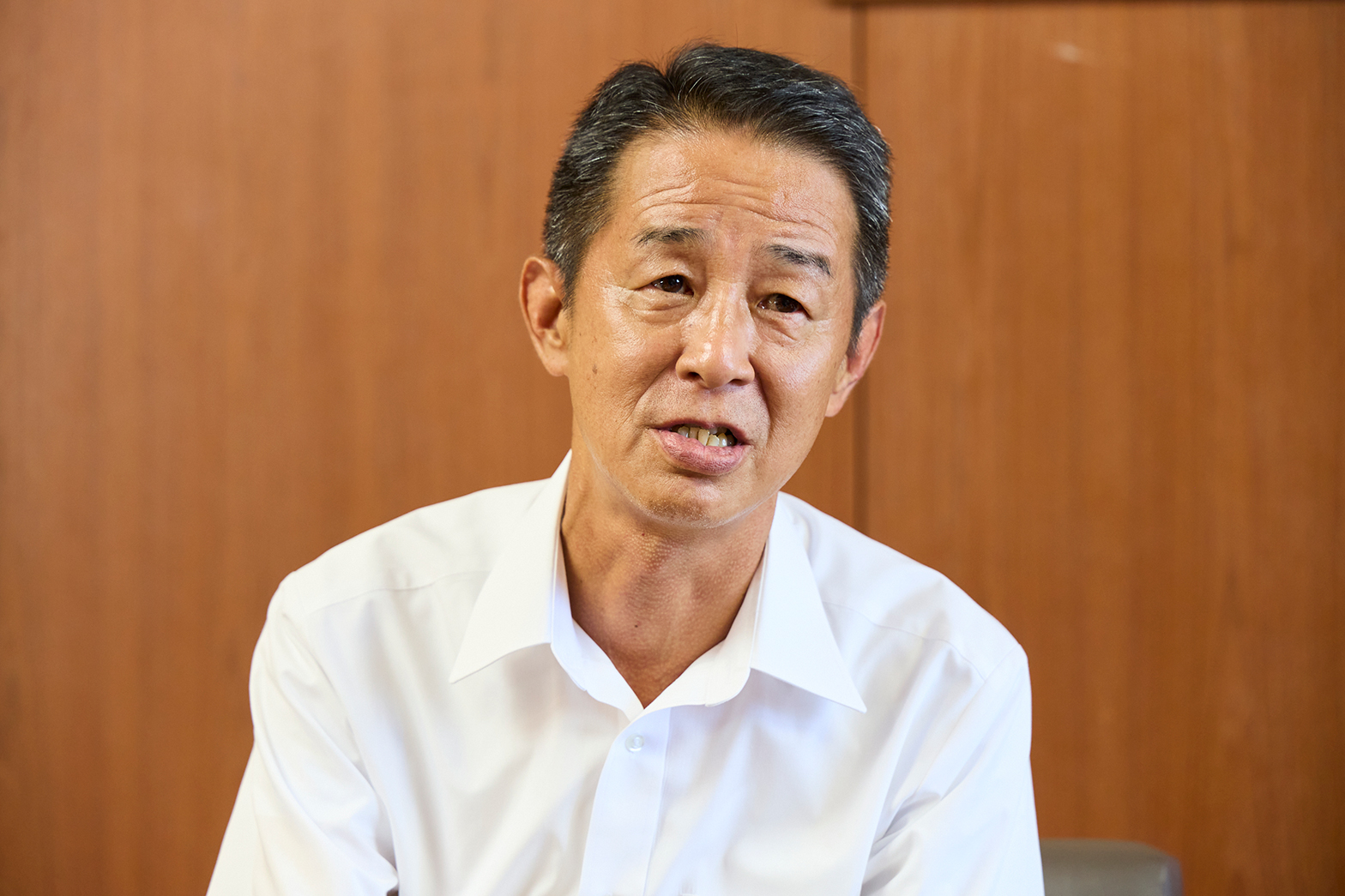
Mr. Hara, speaking from his position of supporting the city government, strongly asserts that "only the government can provide toilet facilities during disasters."
"To ensure the safety and comfort of citizens during evacuation, toilets and surrounding systems are extremely important. The primary responsibility of the government is to protect the lives and property of its citizens. As part of this, we must create an environment in evacuation shelters that is as comfortable and safe as possible. This is a crucial role that only the government can fulfill."
Mr. Ozawa shared an anecdote about how he keenly felt the importance of the "toilet problem during disasters" while working on disaster relief efforts in the recent past.
"Following the Noto Peninsula earthquake, we dispatched two city officials and two city fire department personnel to send a mobile toilet unit to Suzu City in Ishikawa Prefecture. The children there were overjoyed to see the clean, Western-style toilet unit. When we moved the toilet unit to another evacuation center, the children sang a 'farewell song' for us. We were deeply moved by how much a clean toilet is appreciated amidst the hardships of disaster life."
Here, let's take a look at the mechanism and strengths of the disaster-use manhole toilet "Disaster Prevention Storage Toilet System" implemented in Niihama City. Junichi Yoshii, who is in charge of sales at Sekisui Chemical Urban Infrastructure and Environmental Products (UIEP) Company 's West Japan Sales Headquarters, explains.
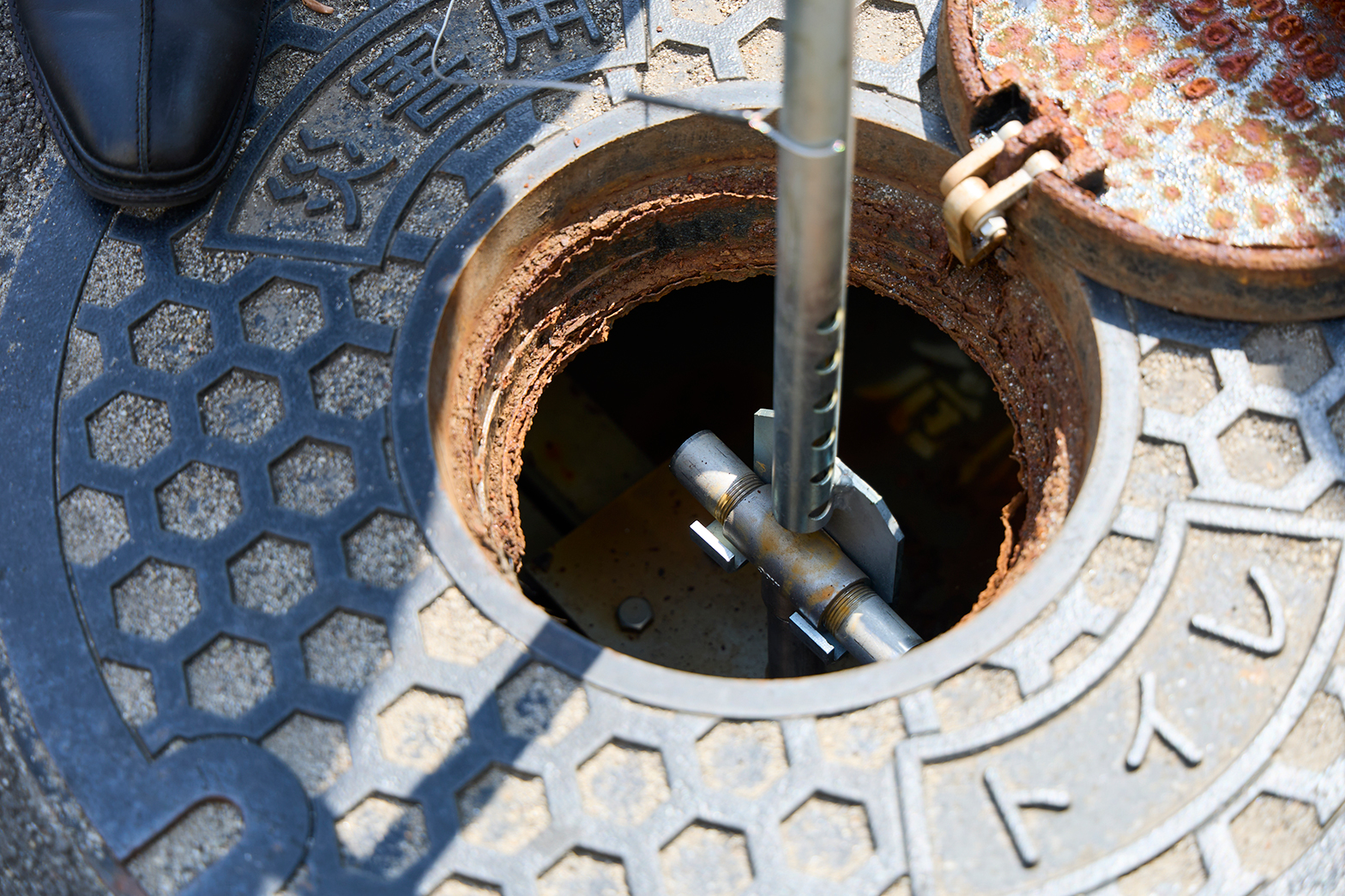
"This system was jointly developed by Kobe City and our company, based on the lessons learned from the Great Hanshin-Awaji Earthquake. It's a system that installs temporary toilets on top of manhole covers, but its main feature is that the toilets will still function even if the water supply is cut off due to a water outage. It can store human waste in a storage pipe for a certain period of time, and the storage valve is opened once or twice a day to release the wastewater into the main sewer line all at once. In addition, the water stored in the storage pipe submerges the waste, suppressing odor generation. Even if the main sewer line is damaged, it can be dealt with by emptying it with a vacuum truck. Our disaster prevention storage toilet system can install up to 10 temporary toilets and can be used by 1,000 people per day (based on the Ministry of Land, Infrastructure, Transport and Tourism guidelines). Niihama City has decided to install five temporary toilets as a basic configuration."
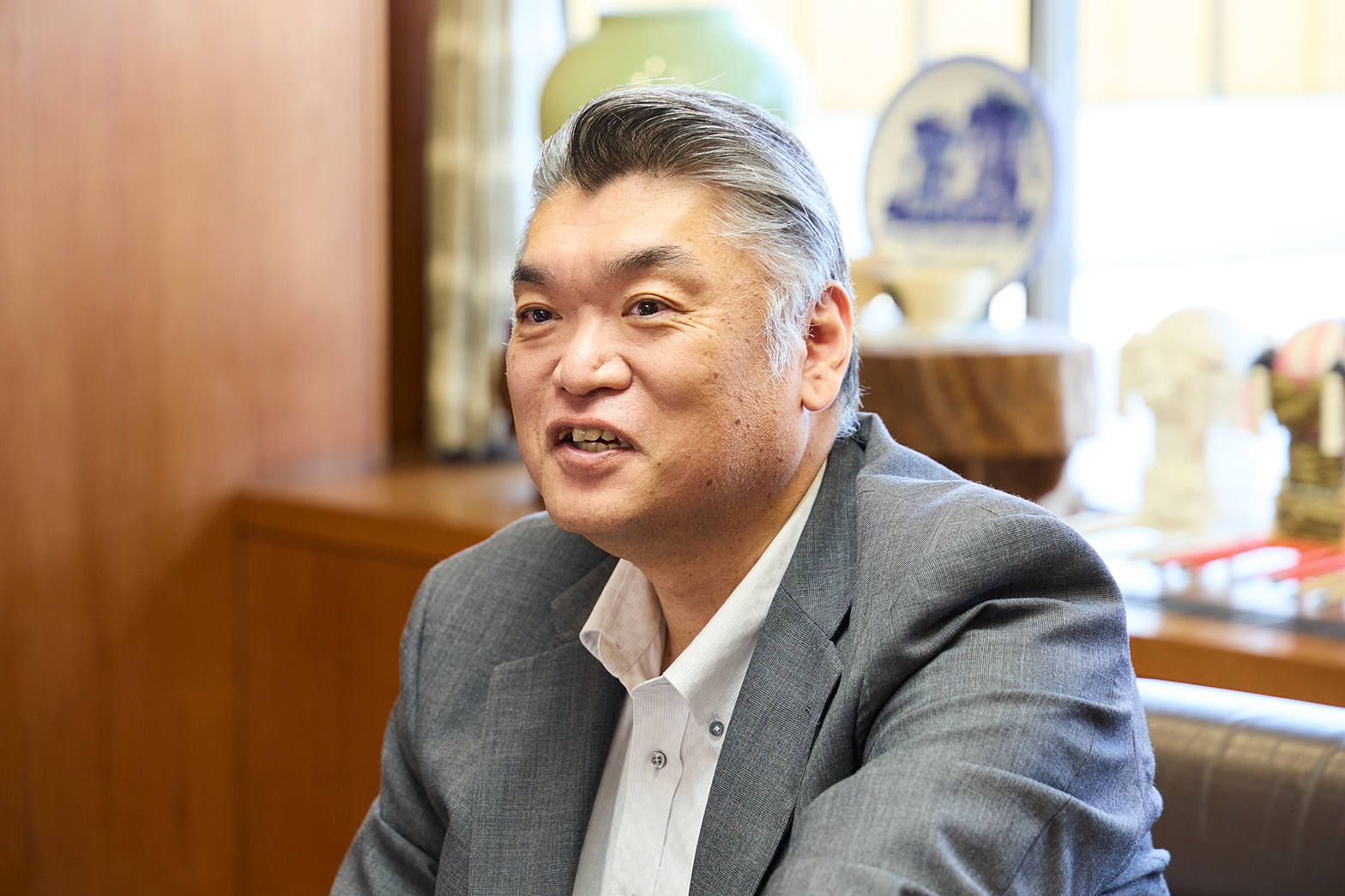
When asked why they chose Sekisui Chemical's disaster-relief storage toilet system from among the many manhole toilets available for disaster relief, Mr. Tamai said, "The deciding factor was its excellent storage function."
"At the exhibition, we inspected many manhole toilets for disaster relief. Some products involved installing a separate storage tank and filling it with water from above, but some sewer pipes in our city have not yet been earthquake-resistant. Therefore, we determined that a system that can temporarily store waste is the best option. We are confident that this is the best choice and are proceeding with its implementation."
To prevent unsanitary conditions and psychological distress, and to solve the toilet problem that plagues evacuation life—the implementation of manhole toilets for disaster relief is steadily progressing.
Public-private collaboration to support "security for the future"—what are the expectations?
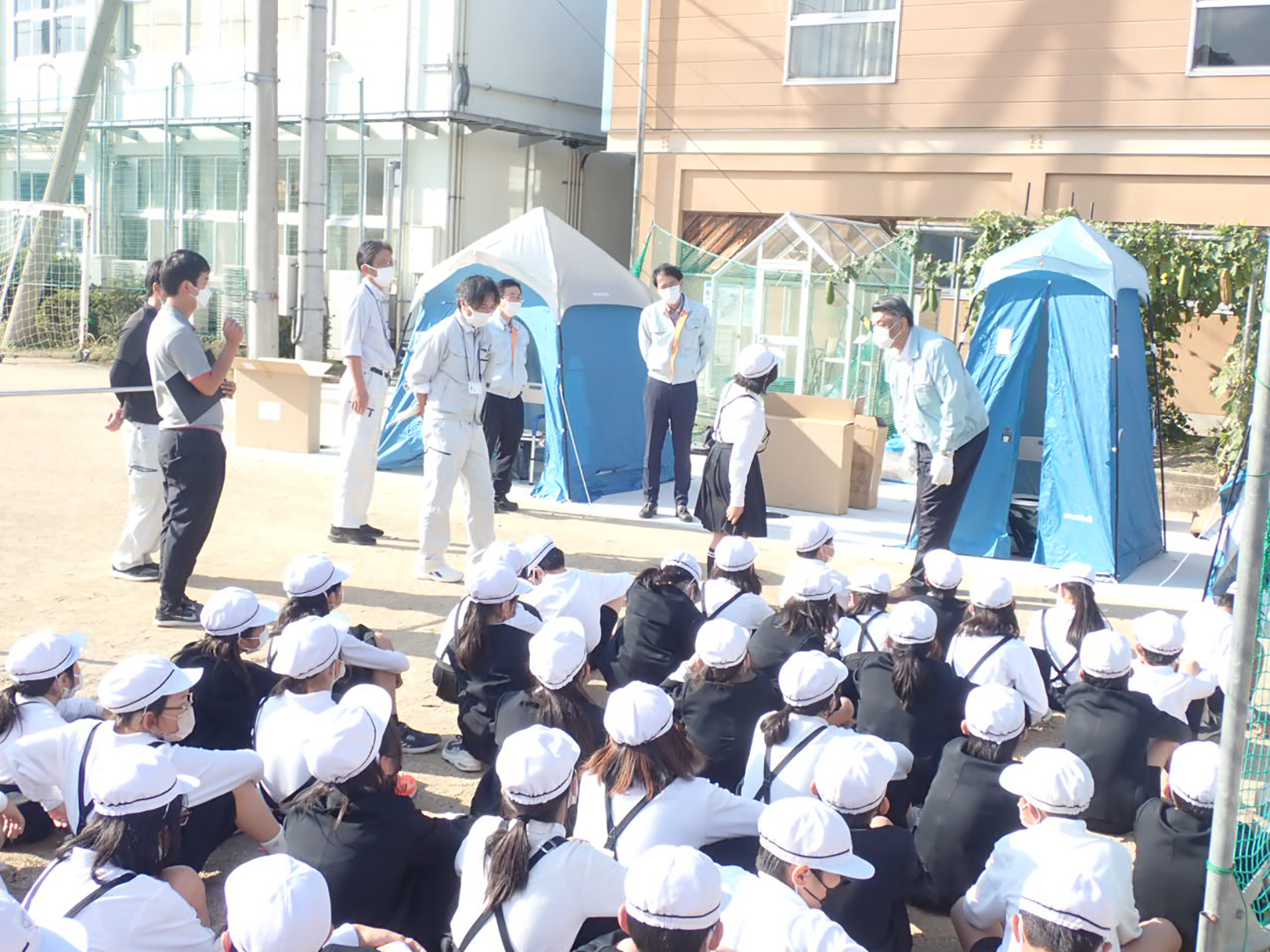
The waterworks and sewage bureau in Niihama City has installed manhole toilets for disaster relief, and has organized an "unveiling ceremony" at each elementary school to give children and local residents the opportunity to experience setting them up and using them. Mr. Tamai reflects on this ongoing initiative.
"The goal of this system isn't simply to install it. We're proceeding with the project while considering how it will function and be used in actual disaster situations. At an explanatory meeting at an elementary school, the children asked a series of insightful questions, which reaffirmed the high level of disaster preparedness awareness among the citizens. The entire process, from the installation of the toilets to the unveiling ceremony, has been incorporated into disaster preparedness drills and is effectively functioning as an educational tool for local residents."
Mr. Hara stated that "disaster prevention plans should always be updated," and he has high hopes for disaster-resistant storage toilet systems as a starting point for such updates.
"We believe it is essential to raise awareness among citizens about the disaster relief manhole toilets that have been installed, so that they can be used when needed. From there, we should regularly review the challenges of life in evacuation centers, especially the methods of stockpiling and managing food and water. In September 2024, Niihama City held an event to commemorate the 70th anniversary of its waterworks business and conveyed the importance of water and sewage systems to its citizens. What was particularly impressive was the enthusiasm of the young staff members working on outreach activities. They will grow into leaders looking ahead to the next 100 years and will continue their disaster prevention efforts."
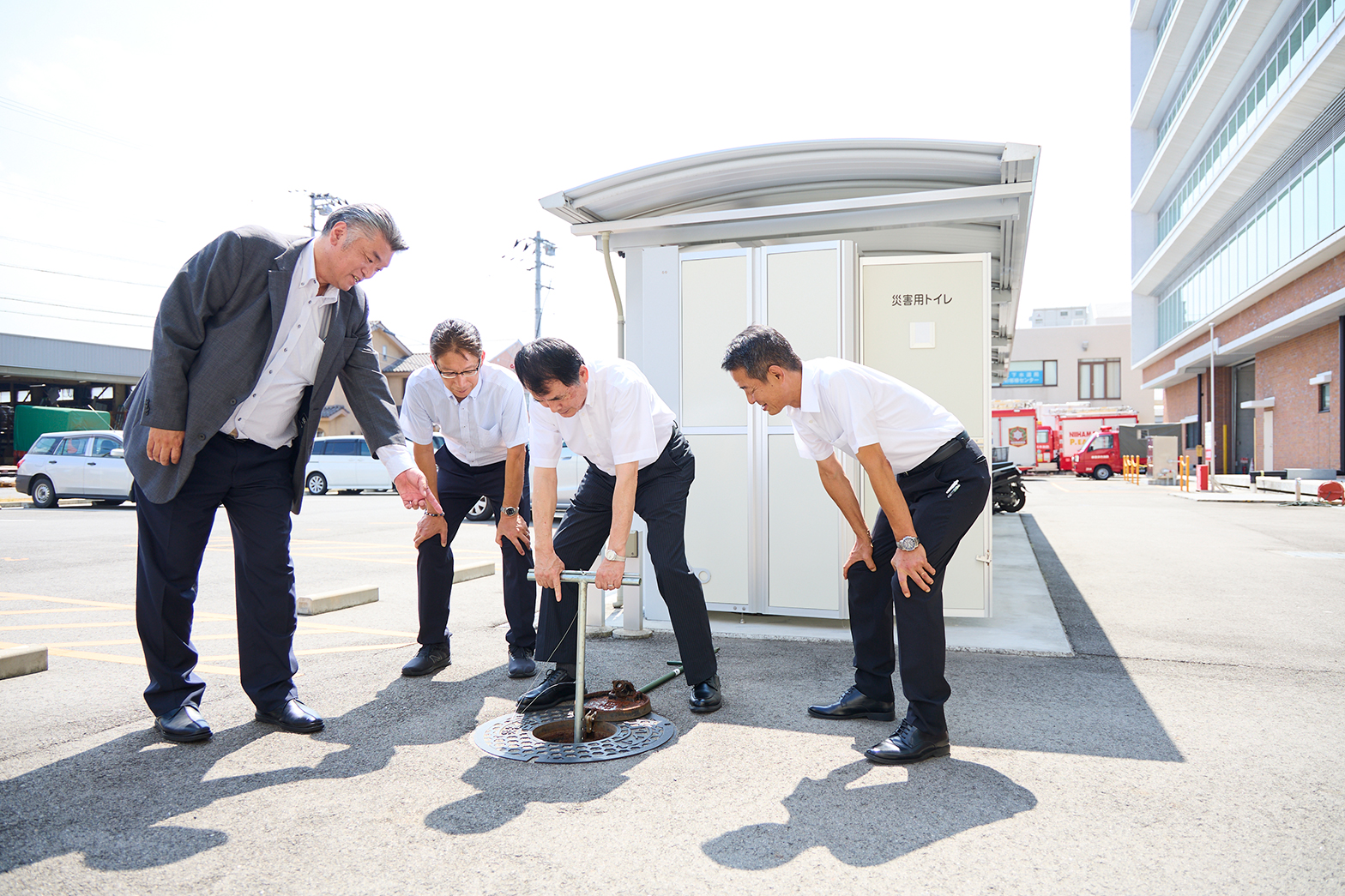
Niihama City is promoting a joint public-private initiative to prepare for disasters expected in the future. Yoshii of Sekisui Chemical also expressed his enthusiasm, saying, "I want to continue making new proposals to contribute to the citizens through disaster prevention and mitigation."
"We are constantly thinking of proposals that will be useful to citizens in all aspects of disaster prevention and mitigation. For example, our company is working on the development of film-type perovskite solar cells. By installing these on the roof of a gymnasium, it may be possible to create a system that can supply the electricity needed for evacuation centers. There are many challenges related to disaster prevention, but it is important to solve them one by one. We sympathize with Niihama City's enthusiasm for disaster prevention and will continue to make proposals in the future."
The development of disaster-relief toilets in Niihama City is more than just a disaster countermeasure. It is an important solution for emergencies and a means of improving the region's disaster preparedness. Implementing concrete measures and products is key to realizing a more resilient and sustainable community. Niihama City and Sekisui Chemical will continue to collaborate to protect "peace of mind for the future."