The true value of EsloHyper: protecting water supplies from earthquakes and supporting social infrastructure.
公開日:
What thoughts and stories were behind its development?
How will that connect to the people and societies living on Earth?
"SEKISUI | Connect with" is a future-creating media platform that connects you with Sekisui Chemical.
The total length of water pipes laid throughout Japan is approximately 740,000 km—equivalent to about 18.5 times the circumference of the Earth. This is an astronomical distance, enough to travel between the Earth and the Moon and back. We use about 220 liters of water per person per day for bathing, toilets, cooking, and laundry*. Our daily lives depend on a safe and secure water supply.
However, these water pipes face the challenge of "aging." More than a century has passed since the modern water supply system began. Water has spread throughout the country, but the lifespan of the water pipes laid during the period of rapid economic growth is approaching its end. The percentage of water pipes that have exceeded their legal lifespan of 40 years is increasing year by year and is expected to increase even further in the future. In contrast, the "renewal rate," which indicates how many pipelines are replaced in a year, remains at only 0.64% (2021), meaning it will take more than 100 years to replace all of the water pipes.
The Noto Peninsula earthquake caused prolonged disruptions to water supply, hindering evacuation and recovery efforts. In Japan, an earthquake-prone country where the imminent occurrence of major earthquakes such as the Nankai Trough mega-earthquake is a concern, making water infrastructure earthquake-resistant is a matter of urgency.
Furthermore, while efforts are being made to make major water pipelines nationwide more earthquake-resistant, the earthquake resistance compliance rate remains low at 42.3% (2022).
To ensure safe and comfortable water use, and to prevent water supply disruptions during disasters, polyethylene water pipes are attracting attention as a solution for replacing water pipes.
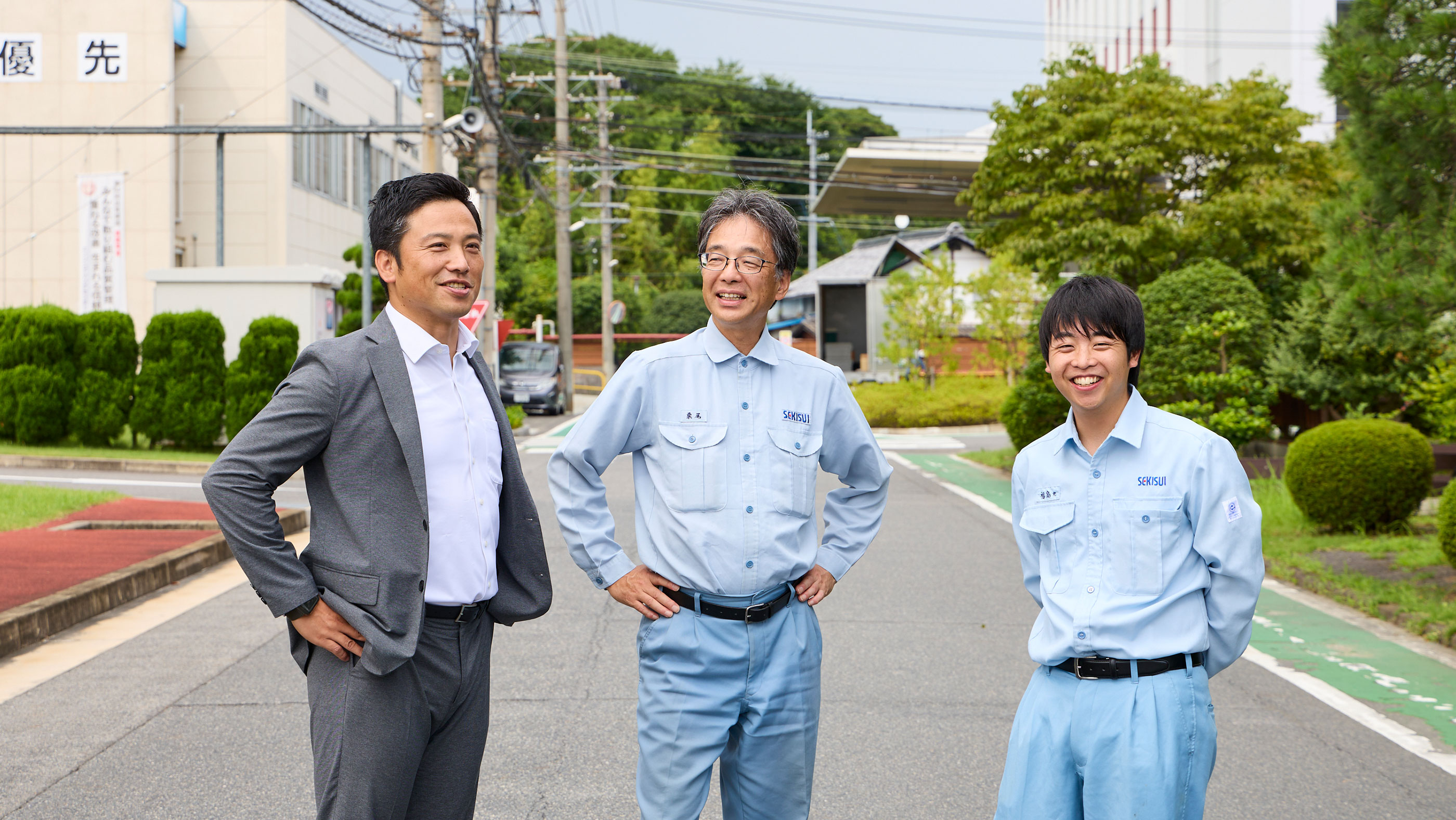
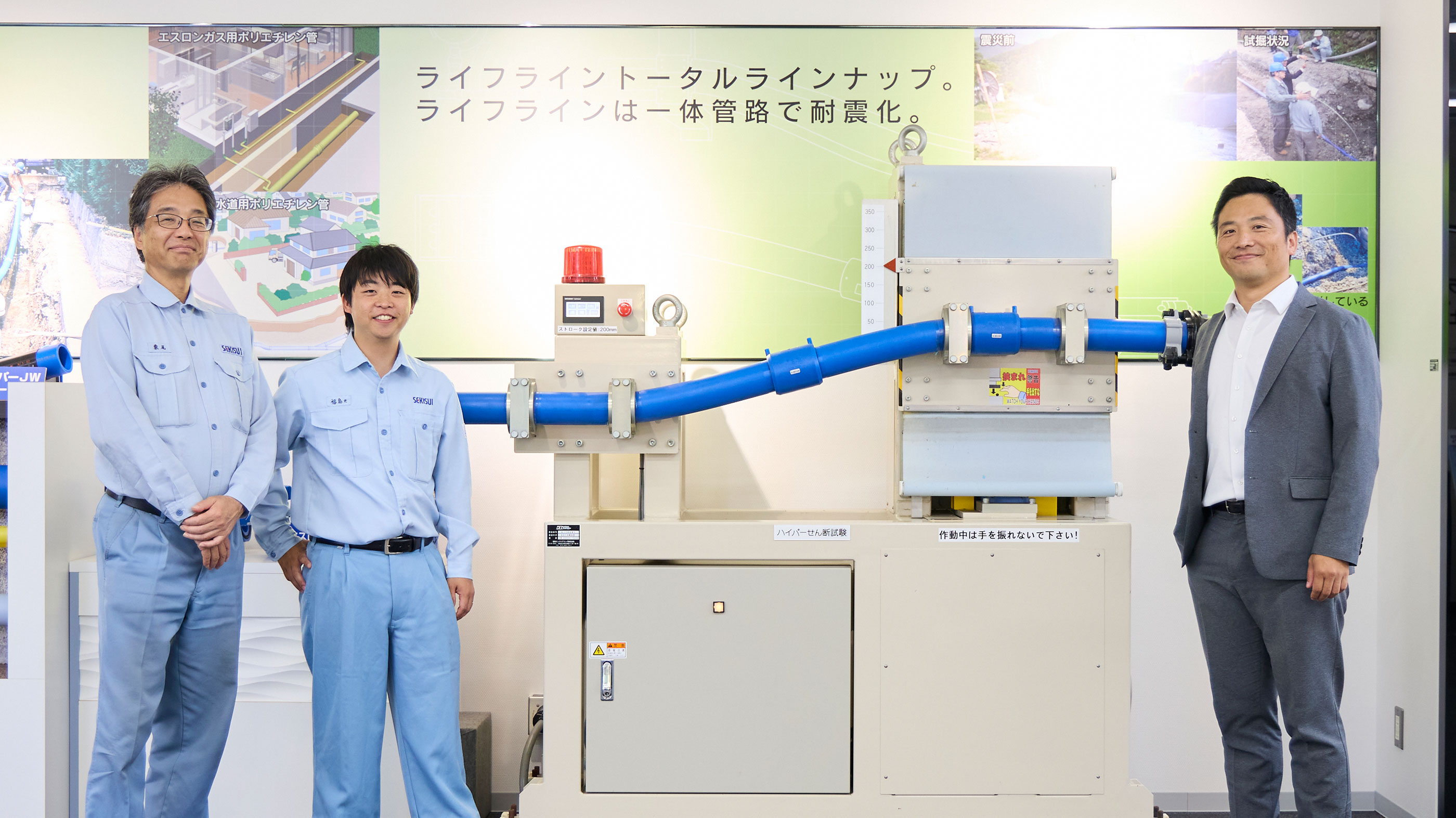
Sekisui Chemical developed "Eslo Hyper," a high-performance, earthquake-resistant polyethylene pipe for water supply, in 1995 and has been steadily promoting its use ever since. We visited their Ritto Plant and spoke with three people involved in the product to learn about the features of Eslo Hyper, its nationwide adoption, and its potential as social infrastructure.
*Tokyo Metropolitan Waterworks Bureau "Want to know more about waterworks"
Walking through the site of the Great Hanshin-Awaji Earthquake solidified his resolve to develop Eslo Hyper.
Sekisui Chemical began mass production of "Eslon Pipe," Japan's first rigid polyvinyl chloride pipe, in 1952, contributing to the spread of water supply in the postwar period. Their focus on polyethylene water pipes stemmed from their continuous monitoring of international technological trends. In the early 1990s, highly durable polyethylene pipes were being used for water supply in the UK. Recognizing this global trend, Sekisui Chemical also began developing polyethylene pipes for water supply in December 1994. Hiroyuki Kurio, who was involved at the time, recalls:
"Polyethylene pipes were already being used for gas and sewage pipes in Japan, and their earthquake resistance was well known. This was further confirmed by the Great Hanshin-Awaji Earthquake in January 1995. Even in this unprecedented disaster, polyethylene gas pipes suffered almost no damage. The development team at the time said, 'Seeing the scene of the Great Hanshin Earthquake made us go into serious mode. We became convinced that polyethylene pipes were the only option for water pipes as well.'"
"Our company has accumulated technology through the development of polyethylene pipes for gas applications, and this technology can be adapted for water supply applications. However, there were concerns about whether polyethylene could withstand the high internal pressure of water supply pipes. High-quality polyethylene resins suitable for water supply applications have been developed overseas. Therefore, we collaborated with a raw material manufacturer to develop a material that has high long-term durability and rigidity, as well as chlorine resistance suitable for Japanese tap water. With this material, we have made practical application feasible."
The evolution of materials and Sekisui Chemical's processing technology came together, allowing development to progress at a rapid pace. In July 1995, the first polyethylene pipes for water distribution were test-installed in Hofu City, Yamaguchi Prefecture, Japan. Just six months after the Great Hanshin-Awaji Earthquake, the first step for Eslo Hyper was taken.
Why polyethylene pipes are attracting attention in the water supply system
The Great East Japan Earthquake, which occurred on March 11, 2011, caused immense damage to water infrastructure. For a long period, people were unable to use the water supply, a fundamental element of daily life. Learning from this experience, the Ministry of Health, Labour and Welfare revised its "Guidelines for Formulating Earthquake-Resistant Water Supply Plans" in 2015, stipulating the replacement of water supply pipes and fittings with highly earthquake-resistant materials. The focus here shifted to water pipes with high earthquake resistance, such as polyethylene pipes.
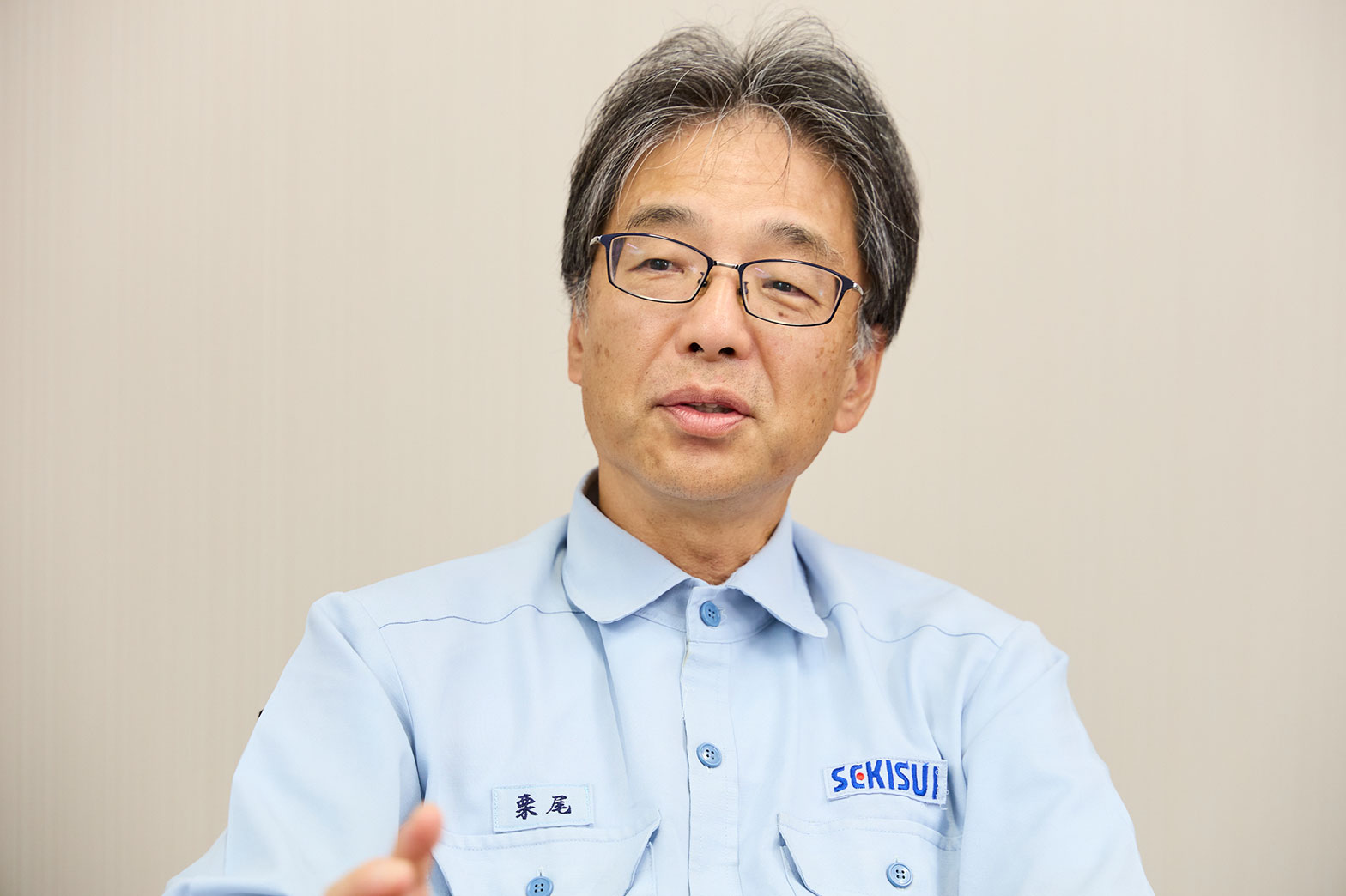
Kurio, who is in charge of Eslo Hyper, explains the background.
"Japan is a country prone to earthquakes, and the disruption of water supply due to damaged water pipes has been a major challenge. Polyethylene pipes are an effective solution to this problem. Their high seismic resistance has been recognized, and the length of their installation has now surpassed that of cast iron pipes."
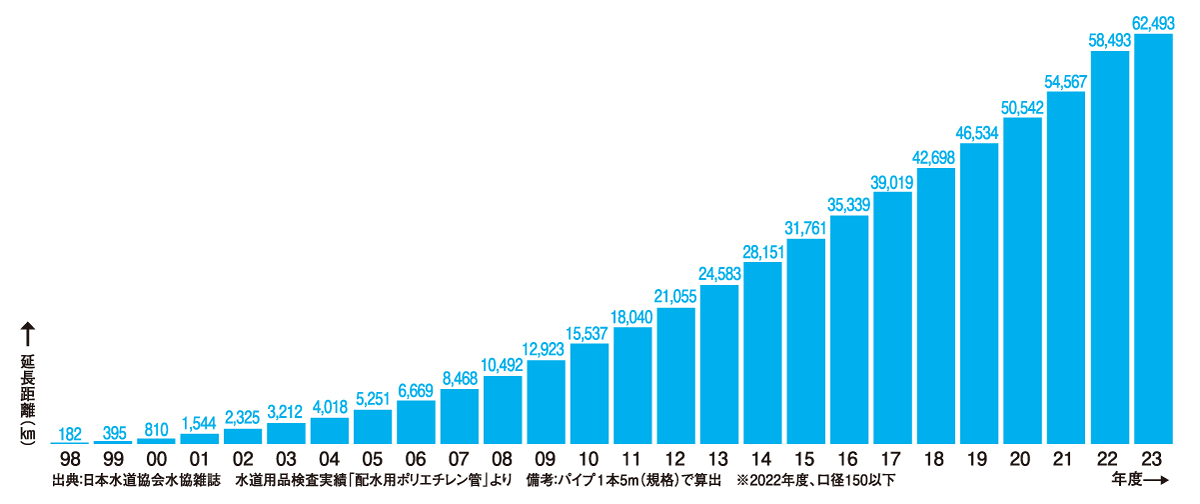
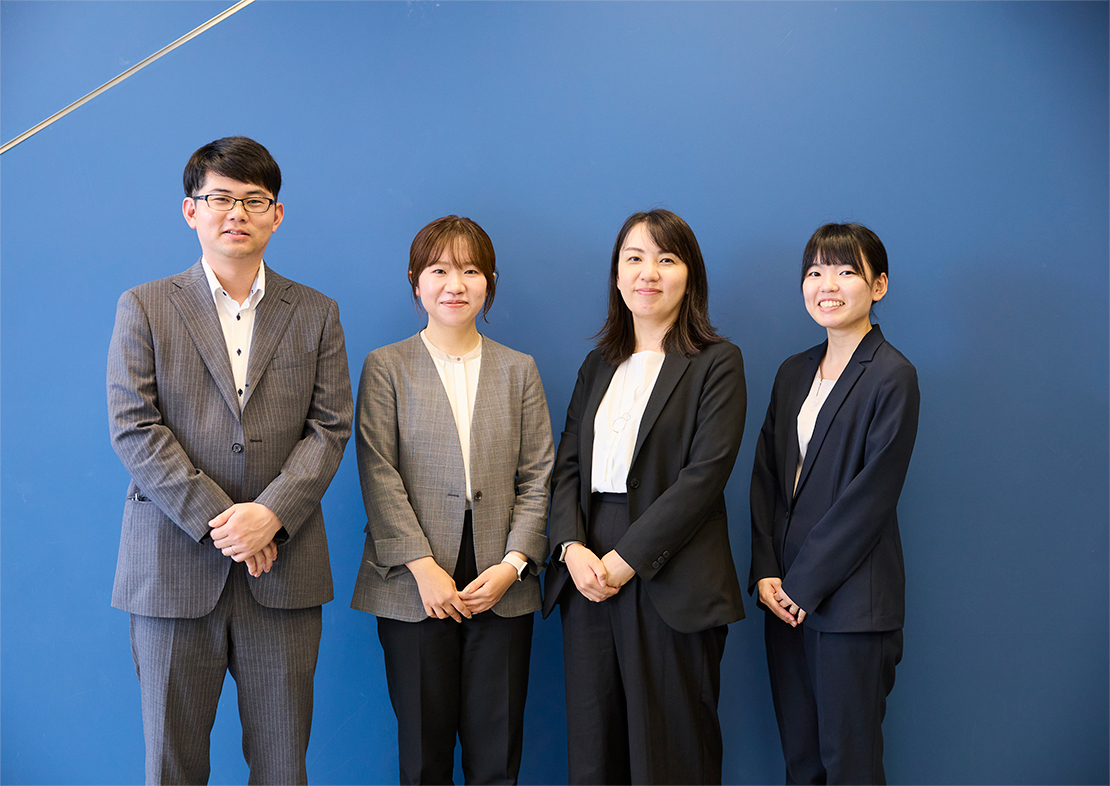
Kohei Moritaka, who also leads the development of polyethylene pipes, will provide additional insights into the trends in the water pipe market.
"With major earthquakes continuing to occur, the importance of earthquake-resistant infrastructure is increasing. On the other hand, improving the earthquake resistance rate of water pipelines requires more budget. As a result, more water utilities are showing interest in adopting cost-effective polyethylene pipes."
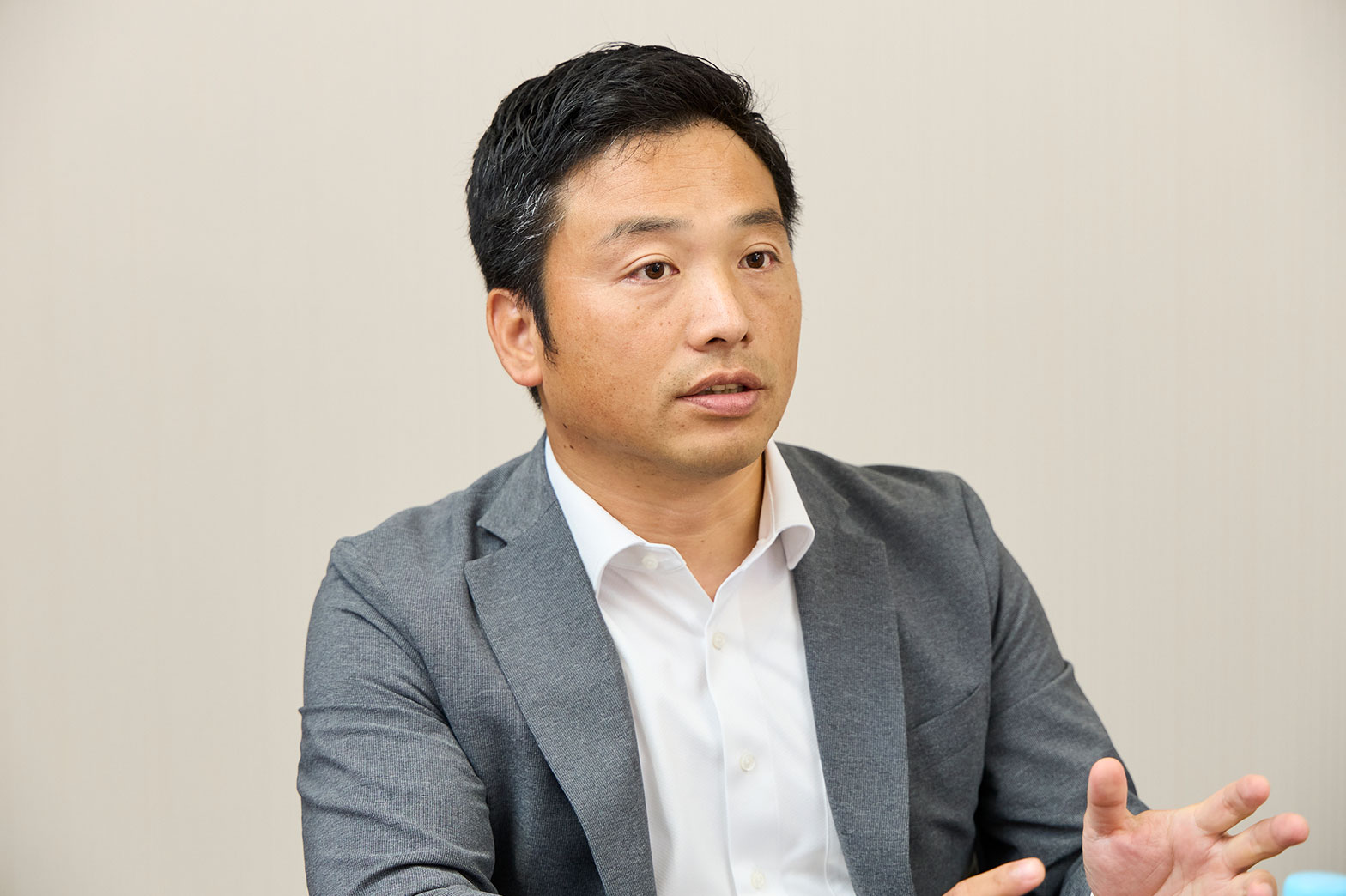
In 1996, Sekisui Chemical officially launched "Eslo Hyper," a high-performance, earthquake-resistant polyethylene pipe for water supply. Its strength lies in its earthquake resistance, which has achieved "zero damage" in numerous earthquakes. In many recent and powerful earthquakes, including the 2004 Niigata Chuetsu Earthquake, the 2007 Noto Peninsula Earthquake, the Niigata Chuetsu Offshore Earthquake, the 2008 Iwate-Miyagi Inland Earthquake, and the 2011 Tohoku Pacific Offshore Earthquake, Eslo Hyper pipes installed as water pipes have been reported to have suffered "no damage (damage rate of 0 locations/km)." Mitsutaka Fukushima explains the "EF joint" that supports its earthquake resistance.
"A major feature of polyethylene pipes is that they can be integrated with the fittings during installation. This is achieved through the EF (electrofusion) joining method, which generates heat by passing electricity through a heating element inside the fitting, melting and joining the pipe and fitting. When water pipes are damaged by earthquakes, it is almost always the fittings that come loose or crack. Eslo Hyper, with its integrated pipe and fittings thanks to EF joining, has high seismic resistance."
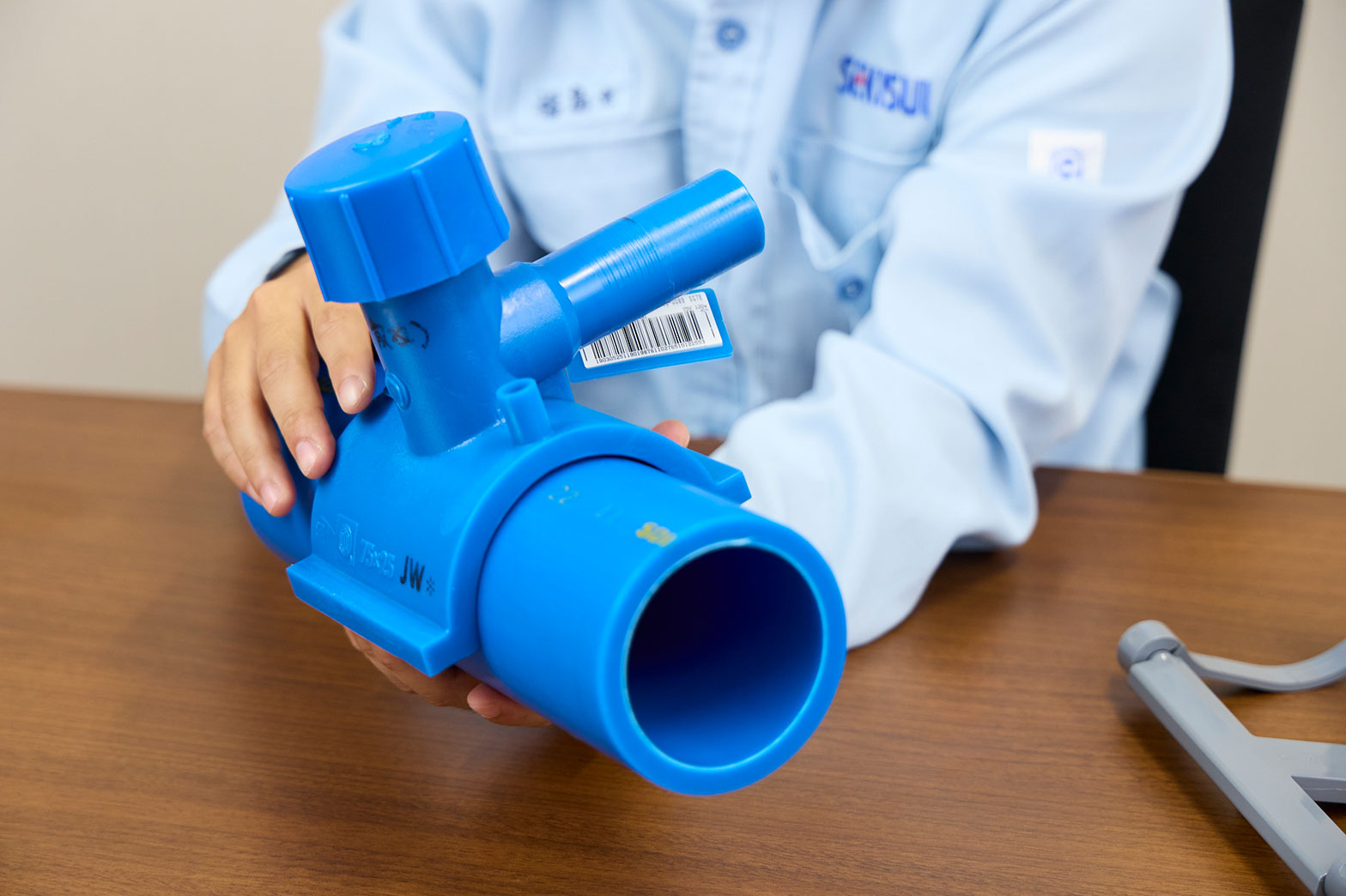
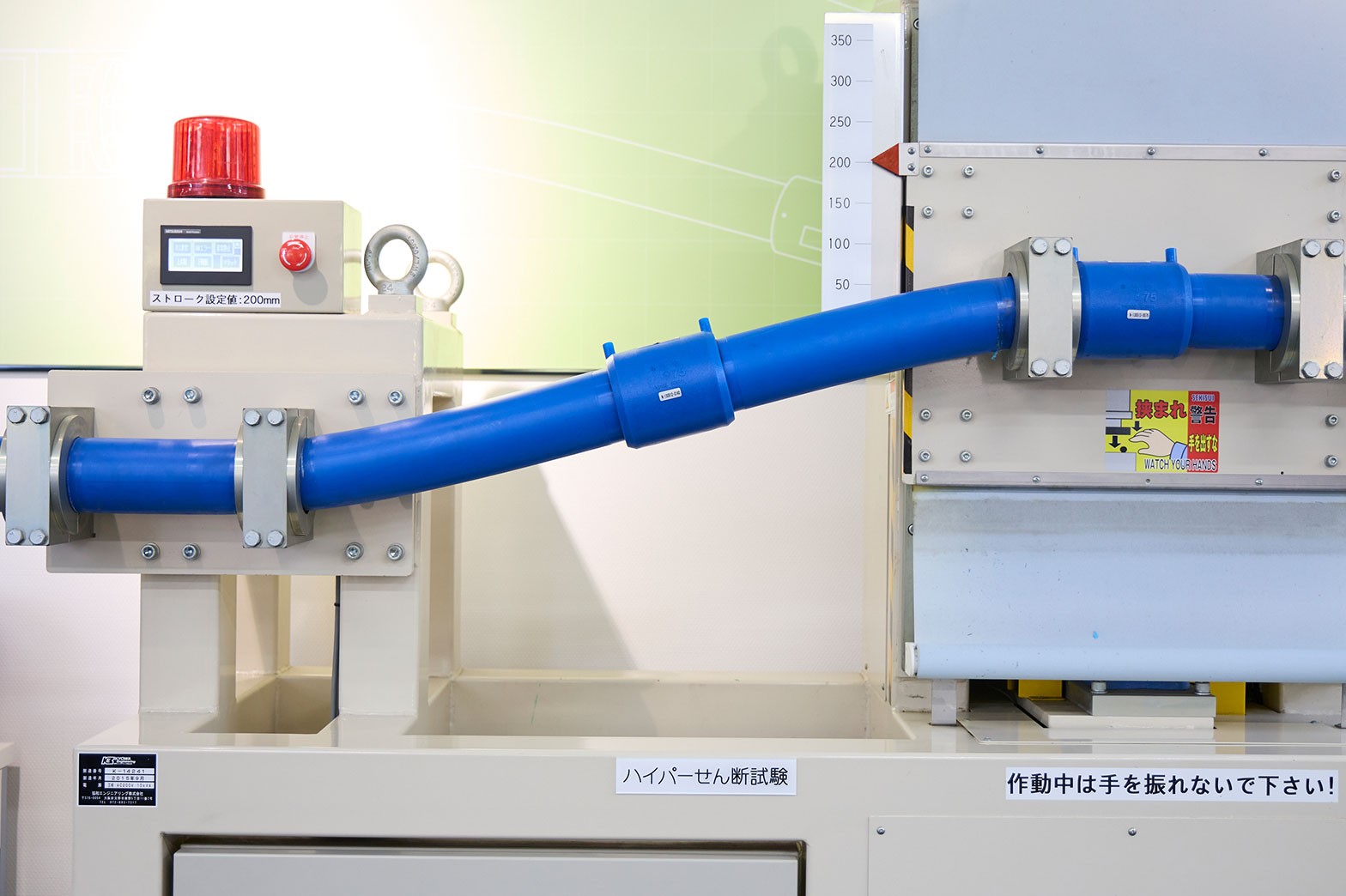
The key to its earthquake resistance lies in the "flexibility" unique to polyethylene pipes. Fukushima adds further:
"Polyethylene pipes are highly flexible, and when an earthquake occurs, the pipes themselves deform flexibly to follow the movement of the ground, making them less prone to damage."
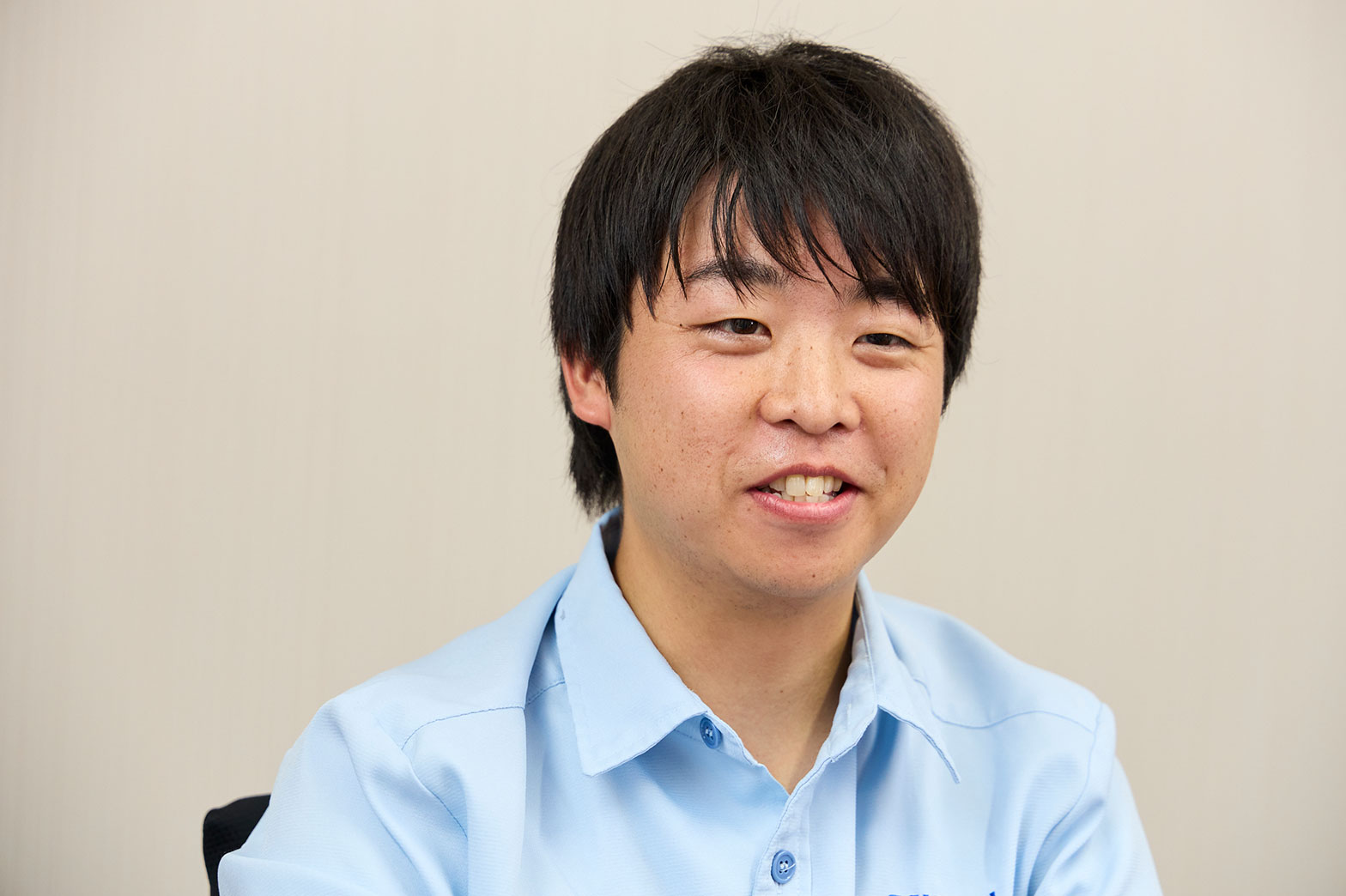
Polyethylene pipes do not rust or corrode, so they can be used for a long time. The replacement standard period for Eslo Hyper is set at 100 years, but this is based on the results of verification by a committee that includes external experts. Kurio explains.
"If resin pipes are subjected to continuous water pressure over a long period, they can break due to creep. We have conducted accelerated tests for over a year, applying internal pressure in 95°C hot water, and have proven their durability against internal pressure based on the ISO standard, an international standard. We have also evaluated their seismic resistance, including resistance to chlorine water and damage to the pipes from Level 2 earthquakes, and have theoretically confirmed a lifespan of over 100 years."
Polyethylene pipes are lighter than cast iron pipes. This leads to advantages in terms of ease of installation and labor savings. Fukushima, who contacts construction companies as a technical sales representative, talks about the reactions at construction sites.
"It's lightweight and can be transported by hand, allowing for installation in confined spaces and on slopes where heavy machinery is difficult to use. Its ease of handling is popular with contractors. Its high flexibility allows for gently curved piping, reducing the need for curved pipes, shortening construction time, and lowering material costs. With the working population declining, securing manpower is a challenge on construction sites. We would like to promote the adoption of Eslo Hyper to solve these challenges on construction sites."
We will contribute to maintaining social infrastructure and support a safe and secure future.
Since its launch, Eslo Hyper has steadily increased its installation distance. Kurio looks back on its approximately 30-year history.
"We work on public works projects. We not only create superior products compared to other companies, but we also focus on technological development, adding new functions to promote the widespread use of polyethylene pipes themselves. We've been working to establish them as the industry standard."
EsloHyper covers not only the water distribution pipes buried beneath public roads, but also the water supply pipes leading to the shut-off valves and meters in each household—in other words, the last mile of the water supply. Moritaka emphasized that this is the result of the comprehensive capabilities that Sekisui Chemical has accumulated.
"Water pipes consist of distribution pipes, which are laid as large pipes under roads, and supply pipes, which branch off from the distribution pipes and deliver water to individual homes. We have developed water pipelines from supply to distribution and have a wide range of water pipe products. Our strength lies in being able to provide one-stop service."
To allow people to experience the superior earthquake resistance, a caravan vehicle equipped with demonstration equipment is touring the country. This is part of a series of outreach information sessions that have been held more than 2,000 times in total for water utilities and construction companies nationwide. Kurio mentions these grassroots awareness-raising activities.
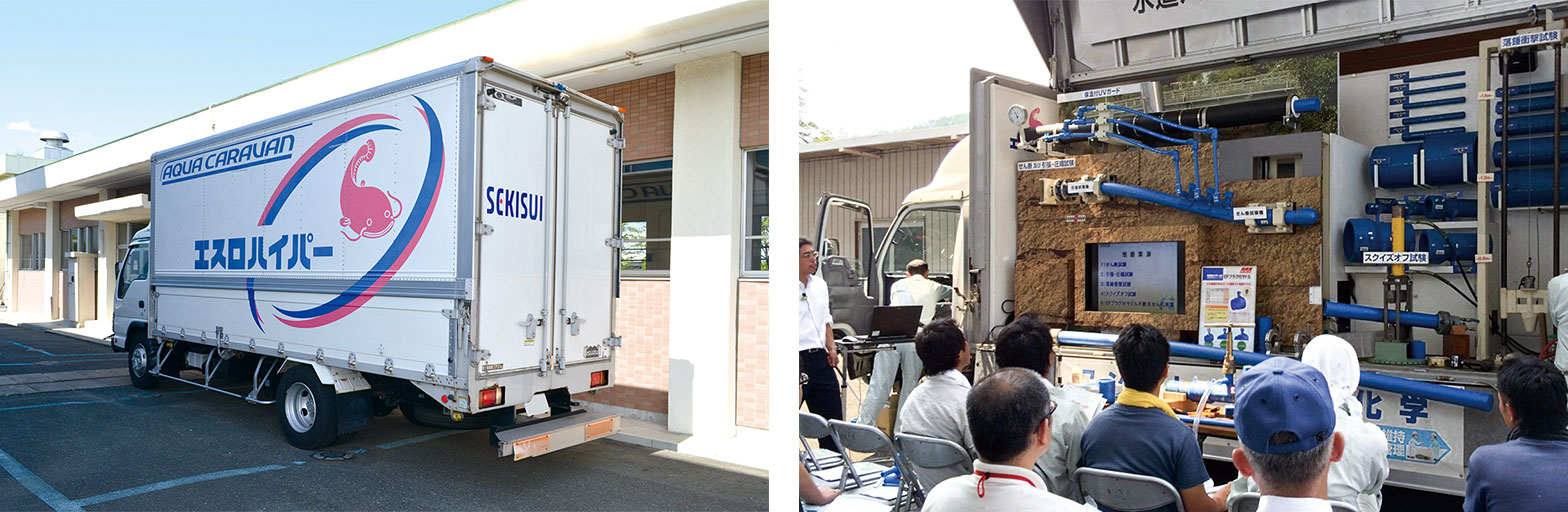
"In experiments simulating earthquakes, many people are amazed to see how the pipes flexibly adapt to the pressure and bending without breaking or cracking. We hope to deliver EsloHyper, a product that embodies our manufacturing culture, to even more water utilities."
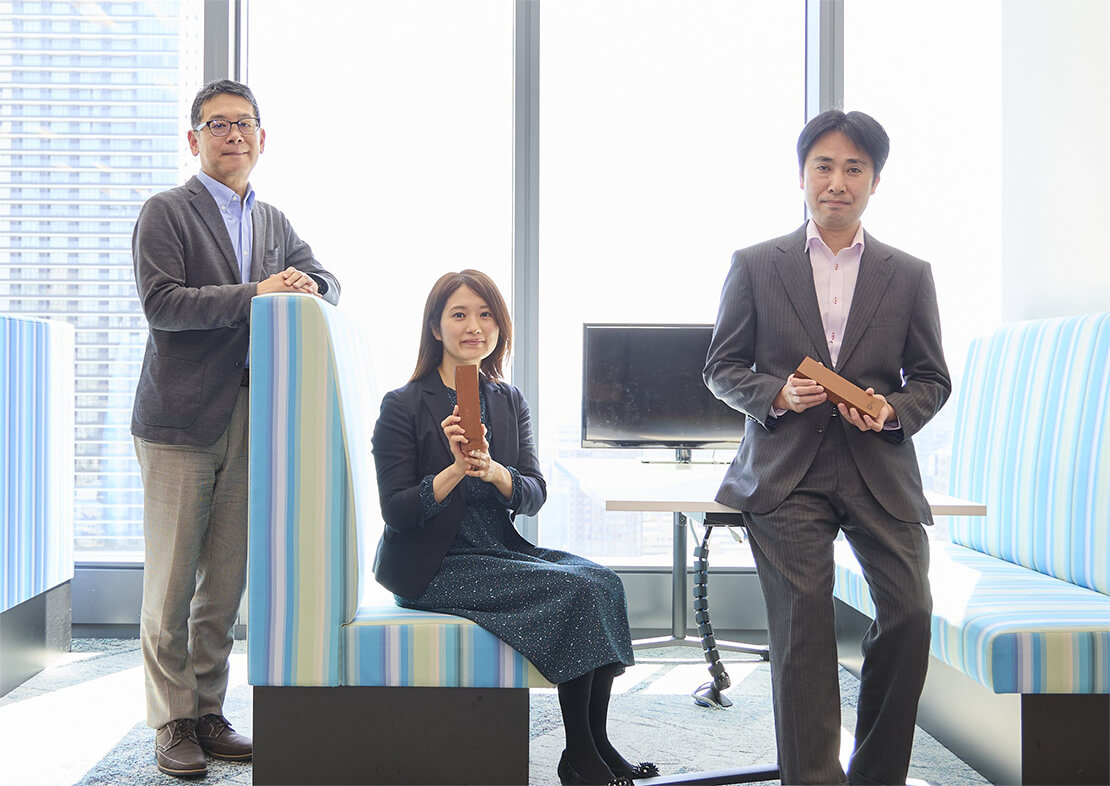
While working on ESRO Hyper, the three reflect on the mission of Urban Infrastructure and Environmental Products (UIEP) Company: "Contributing to the creation and conservation of the world's water environment."
"Hearing stories from Mr. Kurio and others about the early days of development and sales, I often reflect on the struggles they faced in the early stages. We want to further refine the ease of installation and materials to achieve labor savings and cost reductions in construction. We will continue to evolve Eslo Hyper without stopping our progress," Fukushima said, looking towards the future of the water supply industry.
As an engineer, Kurio vows to further refine the product and related technologies.
"By optimizing the construction management process, including identifying pipe locations, and improving the controllers used in fusion splicing, we will provide an even safer and faster construction environment. Delivering peace of mind and safety to both water users and construction sites—that is our philosophy."
While further refining earthquake resistance and ease of construction, products must also evolve to meet the demands of the times. Moritaka's focus is on how to create products that are environmentally conscious.
"Our company places great importance on contributing to solving social issues. EsloHyper contributes to the environment through its long-term durability, low greenhouse gas emissions from raw materials to manufacturing processes, and the recycling of waste materials generated during manufacturing. This contributes to the realization of a sustainable society."
In an era of frequent disasters and a growing need for national resilience, it is the mission of water pipe manufacturers to support not only safety but also people's well-being and underpin comfortable living. Eslo Hyper, which supports a stable supply, delivers "peace of mind that lasts into the future" to society.