
グループの歩み 1980年代
Promoting diversification
Further development of business areas
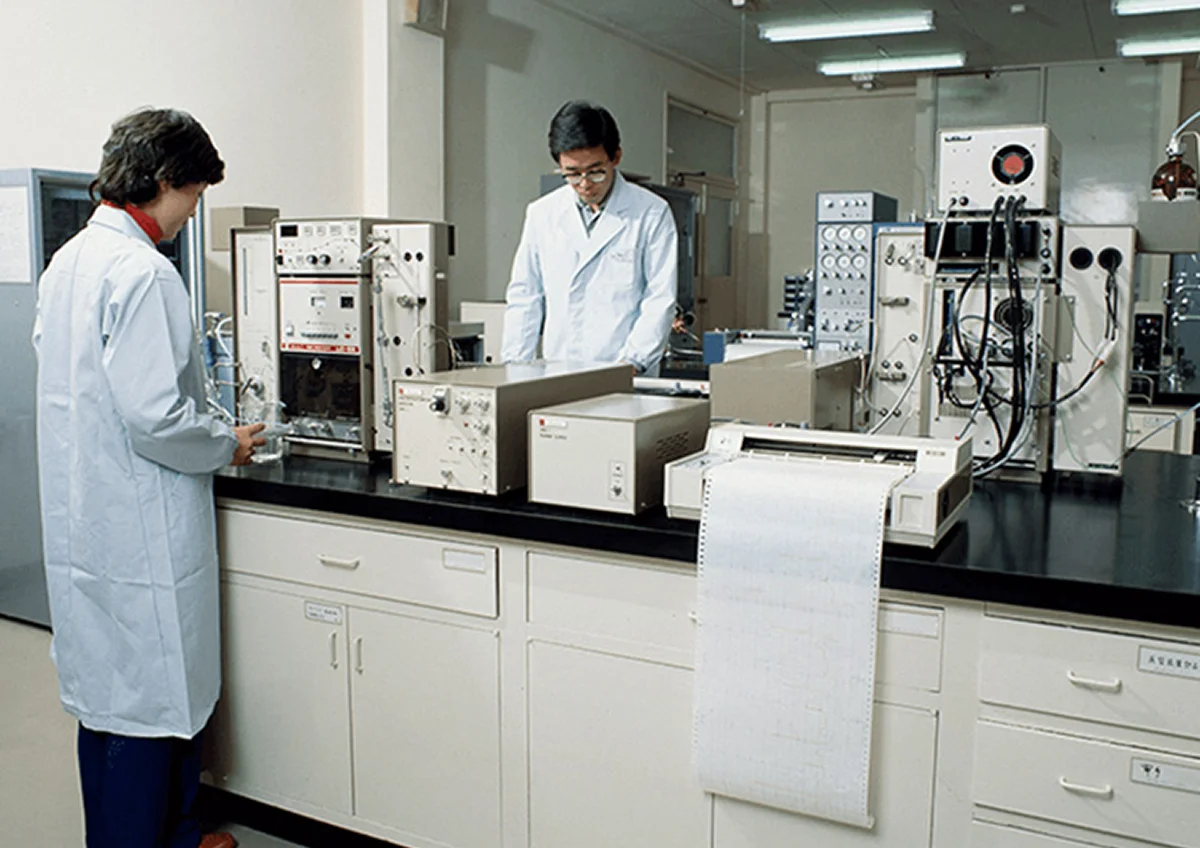
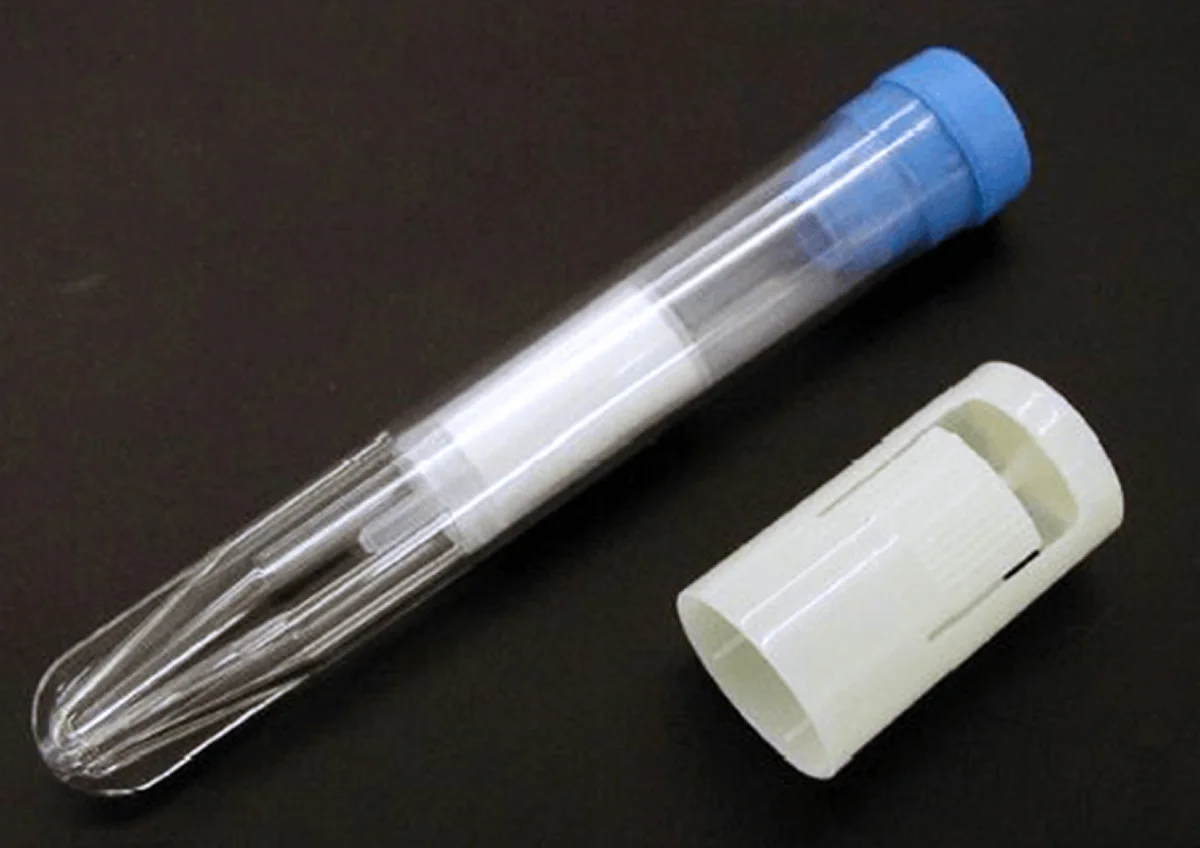
Sekisui Chemical's Medical Business began in 1979 with the launch of a medical project within the Central Institute (subordinate research units: Laboratories). Based on its proprietary polymer technology, it began research in the medical field, and in 1984 it was reorganized into a division, expanding into latex test reagents and vacuum blood collection tubes. Since 2006, M&A has been conducted both domestically and internationally, and in 2008, Sekisui Medical was established as the core company of Sekisui Chemical's Medical Business. Since then, we have been working to further expand our business by aiming to become a company contributing to the global society in the medical field, mainly clinical test reagents.
In the IT (electronics) sector, which has mainly focused on supplying exterior parts for electrical appliances since the period of rapid economic growth, the Applied Electronics Institute (subordinate research units: Laboratories) (R&D and Innovation Center) was established in 1987, and based on its accumulated technology, we embarked on strengthening cutting-edge research and development. With recent advances in IT, we have developed products that leverage core technologies in microparticle technology, adhesive technology, and precision molding technology, focusing mainly on semiconductors and LCD-related fields. Among these, liquid crystal spacers, conductive microparticles, butylal resin, and UV sealants hold the top global market share.
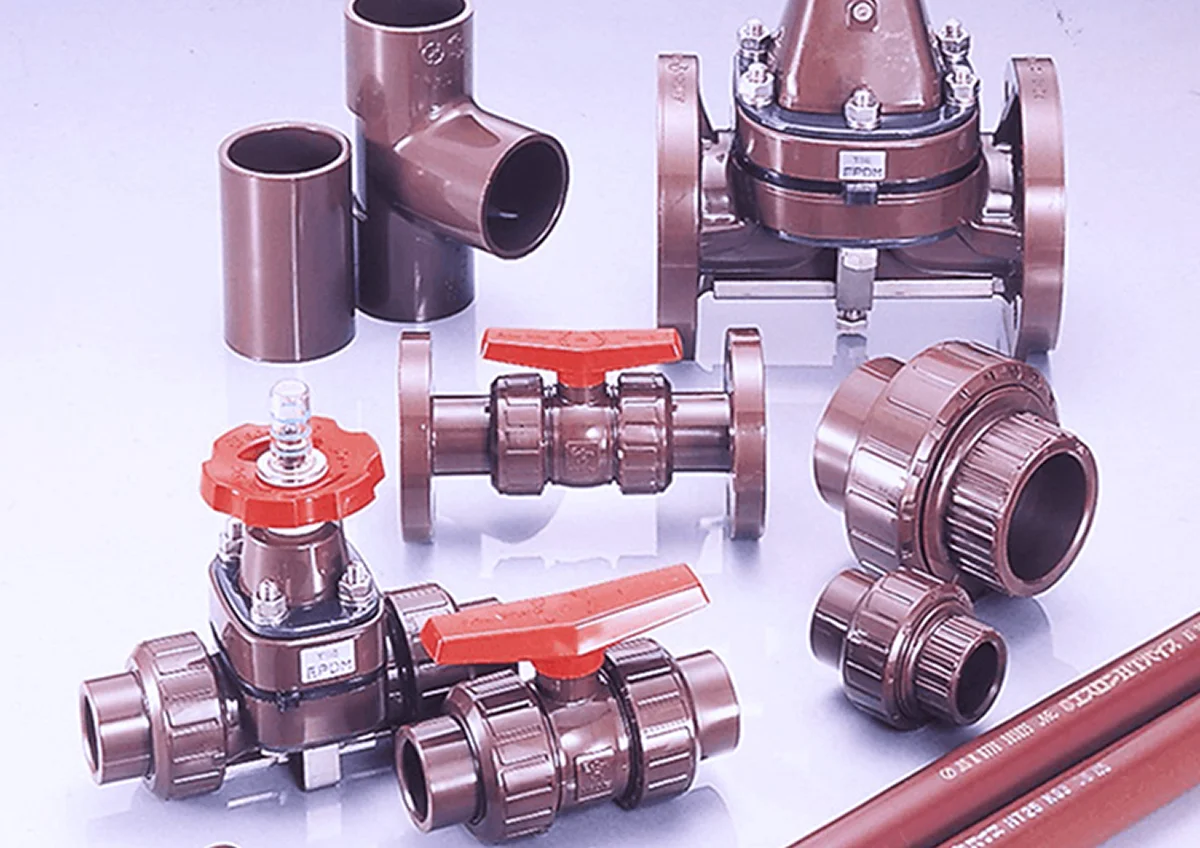
In the early 1980s, with the development of advanced industries such as IT (electronics) and biotechnology, demand for pipes and valves for Plant plants surged. Sekisui Chemical developed products for Plant plants requiring corrosion resistance, heat resistance, and shock resistance to chemical solutions, such as "Estron Valves" and "Estron Clean Pipes." Currently, as a comprehensive manufacturer of pipe materials, it provides total support for piping lines in the Plant and plant sector.
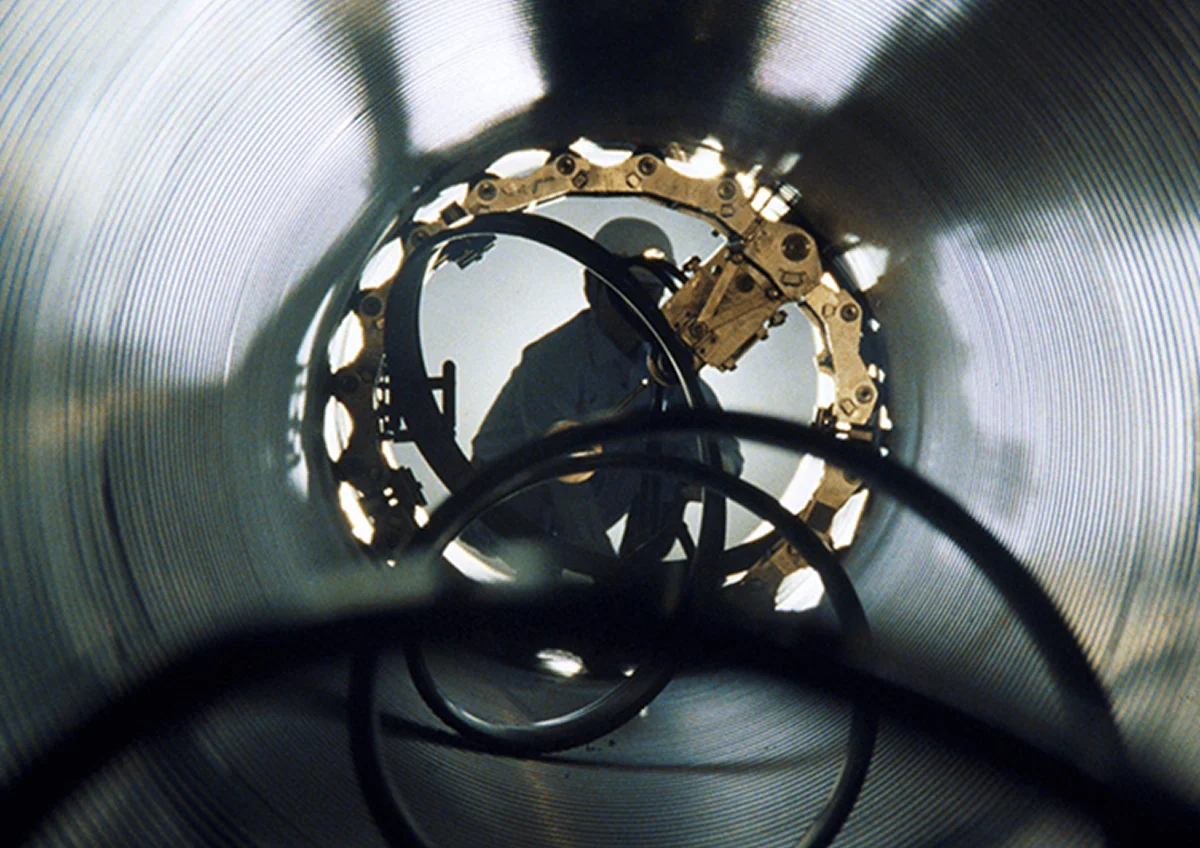
Furthermore, more than 40 years after the war, in Japan, sewer pipes have become severely aging in urban areas, causing many road subsidence accidents. However, construction of sewer pipes embedded under roads has faced not only high costs but also issues such as traffic regulations and waste generation. To solve these problems, Sekisui Chemical developed the Pipeline Renewal method "SPR Method (Pipeline Renewal)" in 1986 in collaboration with Tokyo Metropolitan Sewerage Service Co., Ltd. and Adachi Corporation Co., Ltd. SPR Method (Pipeline Renewal) is a method in which a strip of rigid PVC resin is constructed inside the pipe, and the pipeline is integrated with the existing pipe using backfilling material. Pipe rehabilitation is required not only for sewers but also for water supply and agricultural waterways, and is a common issue not only in Japan but also in cities around the world. Sekisui Chemical has further evolved its "SPR Method (Pipeline Renewal)" technology and know-how in response to the demands of the times, advancing the globalization of its Pipeline Renewal business to the present day.
| October 1981 | The company will adopt a dual headquarters system in Tokyo and Osaka, establishing its Tokyo headquarters in Toranomon, Tokyo. |
|---|---|
| March 1982 | The wood-frame industrialized unit housing "Two-U Home" was launched in Sendai, and expanded nationwide from 1984. |
| April 1982 | Gunma factory opened, manufacturing of polyvinyl chloride pipes and modular housing exterior wall panels begins. |
| December 1983 | SEKISUI AMERICA CORPORATION established in the United States |
| 1985年 | The world's first unbreakable plastic vacuum blood collection tube, "Insepack," is now on sale. |
| 1986年 | We have developed the "SPR method" for pipe rehabilitation by introducing manufacturing technology from Reblock Systems of the Netherlands. |
| July 1987 | The Applied Electronics Research Institute (now: Advanced Technology Research Institute, R&D Center) was established. |
| October 1989 | Nitta Factory established (until 2007) |