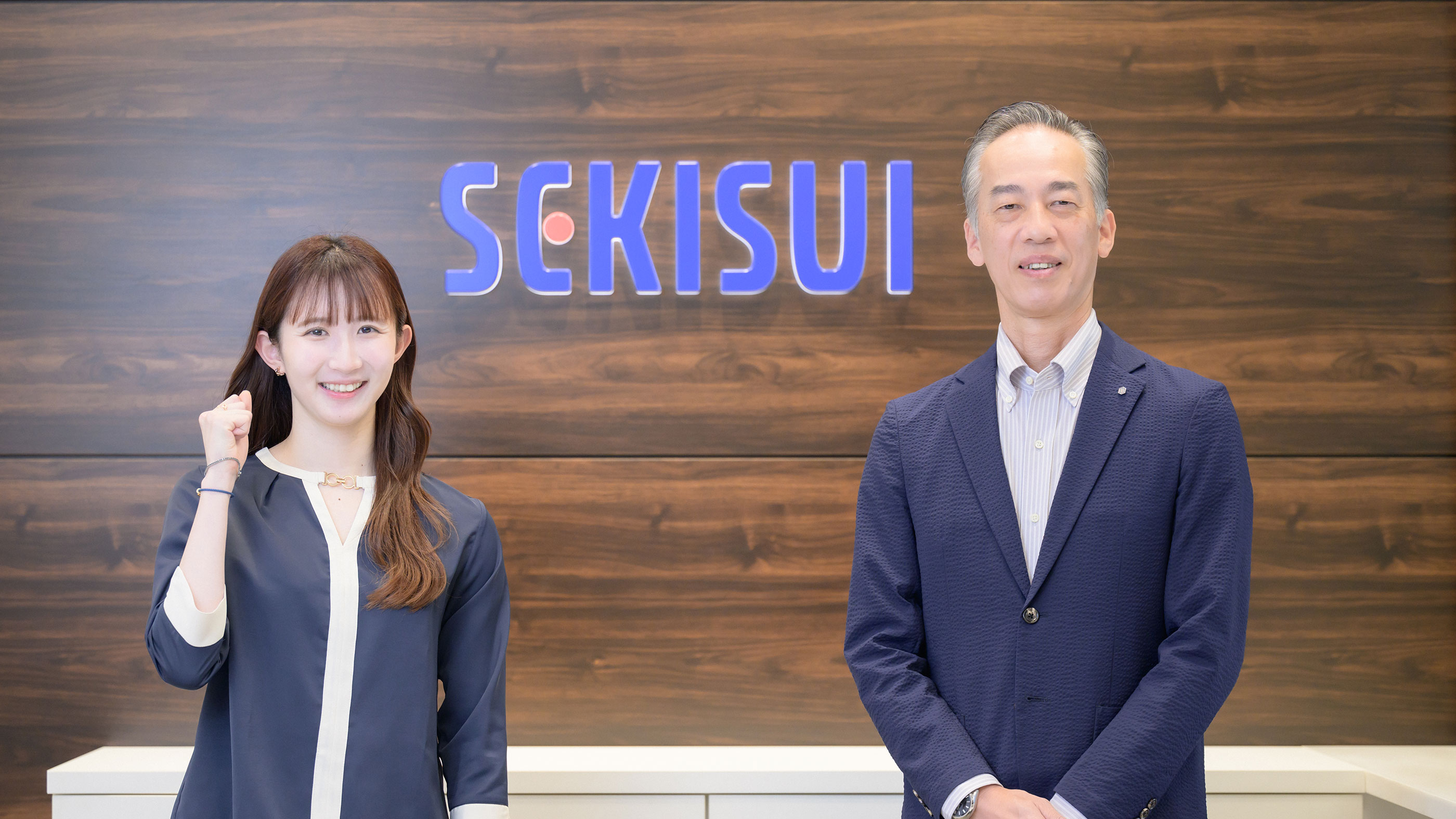
Table tennis player Hina Hayata and Kazuya Murakami of Sekisui Chemical discuss
The power of continuous growth born from challenges
公開日:
What thoughts and stories were behind its development?
How will that connect to the people and societies living on Earth?
"SEKISUI | Connect with" is a future-creating media platform that connects you with Sekisui Chemical.
"Challenges give rise to the power of continuous growth." Table tennis player Hina Hayata, who continues to compete on the world stage, and Sekisui Chemical, which pursues innovations that contribute to society, spoke about the resolve and environment needed to take a step forward without fear of change, drawing on their experiences from different fields.
The challenge that changed me
The determination to rebuild everything from scratch
"If things continue like this, my table tennis career will be over." That's what Hina Hayata felt the moment she was left out of the selection for the world championships. For her, who had aimed to be the best in the world since she was a child and had dedicated herself wholeheartedly to table tennis, that news was an event that shook her career to its core.
"I can't stand on the world stage if I stay the way I am." Having been made acutely aware of this, she decided to rebuild herself from scratch rather than prioritize the safety of maintaining the status quo. This involved not only reviewing her technique, but also rebuilding her body mechanics, racket swing, and overall feel. The decision to reset and rebuild everything she had built up over more than 15 years was no easy feat.
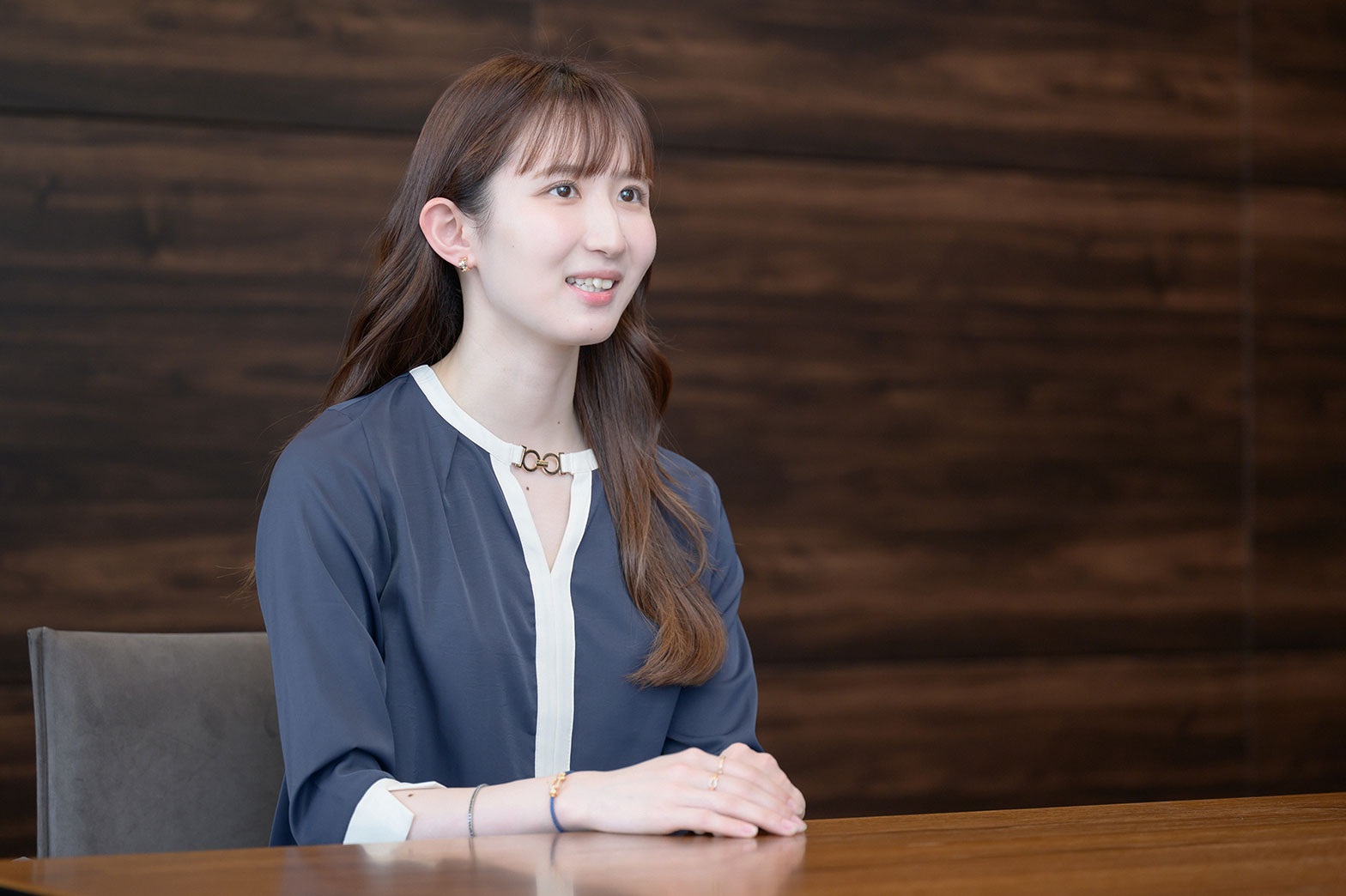
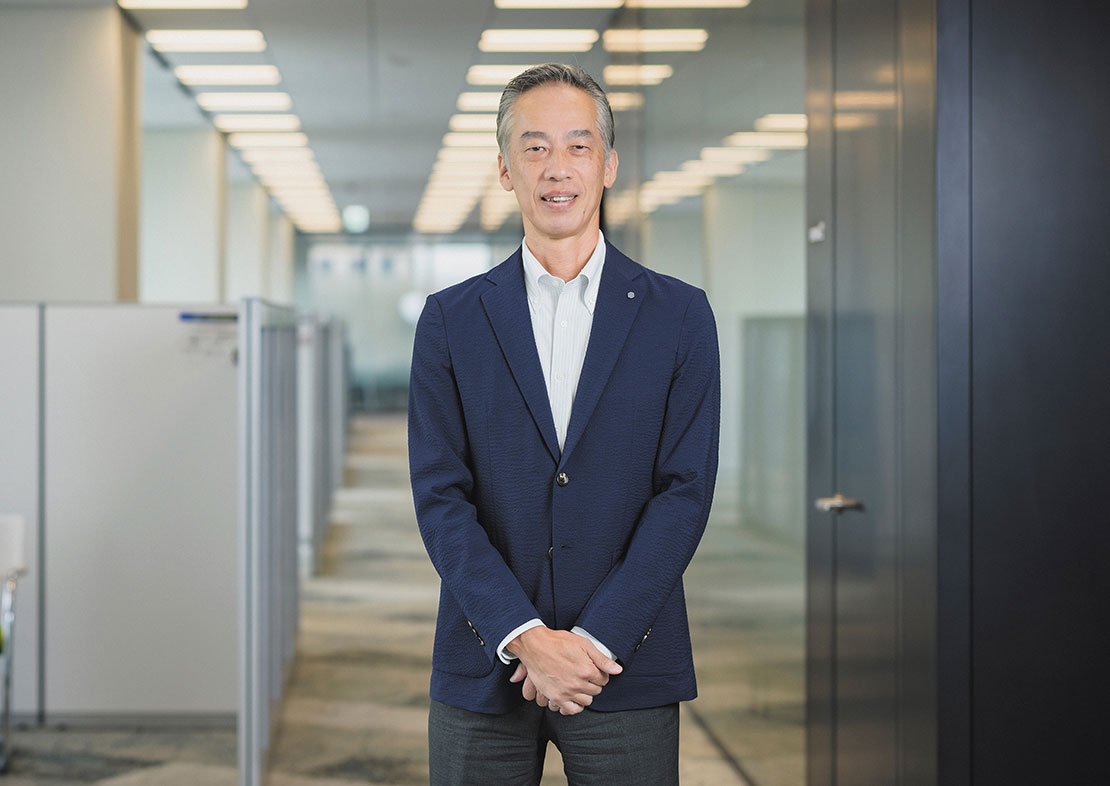
Born in July 2000 in Kitakyushu City, Fukuoka Prefecture. She started playing table tennis at the age of four, influenced by her older sister. She has won the All Japan Table Tennis Championships women's singles title four times, and won a silver medal in the women's team event and a bronze medal in the women's singles event at the World Championships held in Paris.
"It wasn't easy to abandon the skills I'd built up over 15 years. But I thought that not trying would be my biggest regret."
What she has always valued is the criterion of "which choice will I regret less?"
"Of course, I wanted to become the best in the world, but even more than that, I strongly wanted to avoid having any regrets. Many retired athletes look back and say, 'If only I had done things differently back then...' and I didn't want to have any regrets. I decided to take on this big challenge, thinking that even if I couldn't participate in the next world championships, I wouldn't have any regrets."
There was no guarantee of success. But she had a kind of conviction that supported her challenge. That conviction was the staff known as "Team Hina," with whom she had shared both joys and sorrows for over 10 years. In addition to the coaches and physical trainers who had guided her for many years, the presence of staff who served as her training partners, and her mother who accompanied her on away trips and supported her in all aspects of her life, was also important. When it came to the challenge of changing her form, her trust in her coaches and trainers outweighed her anxieties, and she had the belief that "if I trust everyone, everything will be alright."
Technological innovation is a series of challenges.
Sekisui Chemical's beliefs
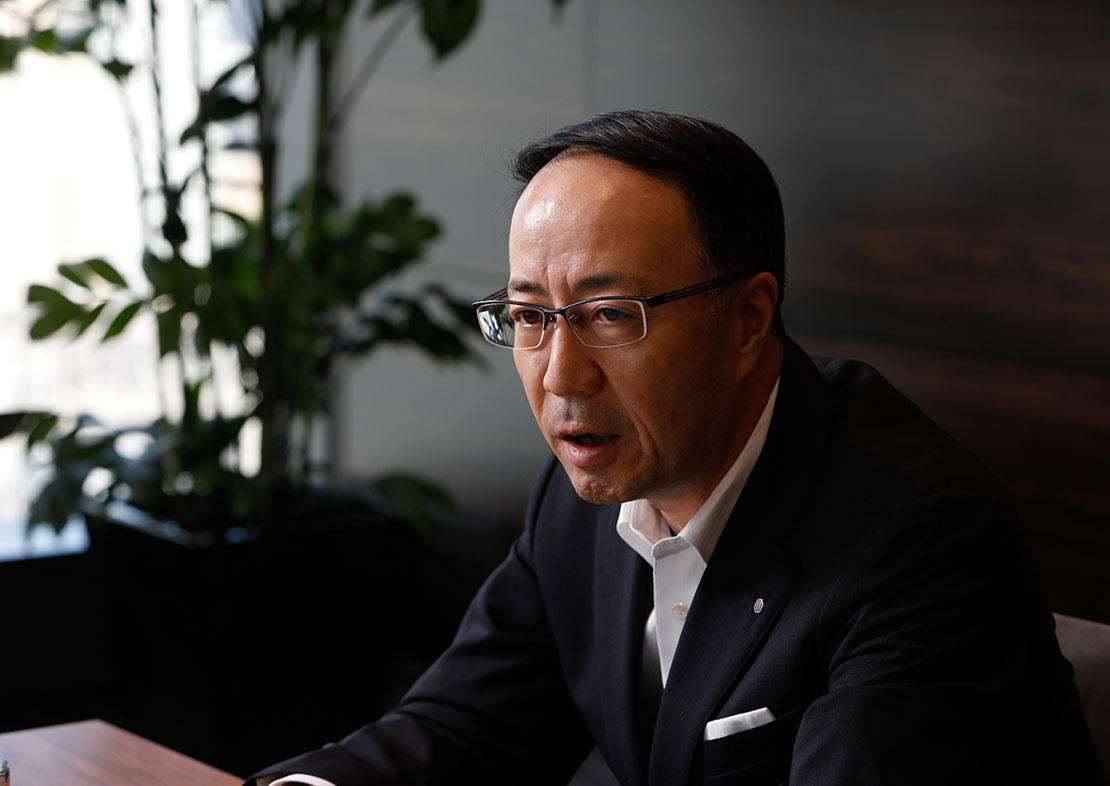
Mr. Murakami, the head of human resources at Sekisui Chemical, nodded in agreement with Hayata's words. He said that the "attitude of not being afraid of change and continuing to take on challenges" aligns with the company's corporate culture itself. Sekisui Chemical has also constantly evolved with "challenge" as its key word.
"As a processing manufacturer, Sekisui Chemical is constantly facing change. Whether it's housing or functional plastics, if we don't adapt to the changes and advancements in the world, our products will quickly become obsolete. Our employees, from engineers to sales staff, must constantly take on new things they've never done before for our products to improve. Just like with Hayata, challenges are unavoidable for our business," (Murakami).
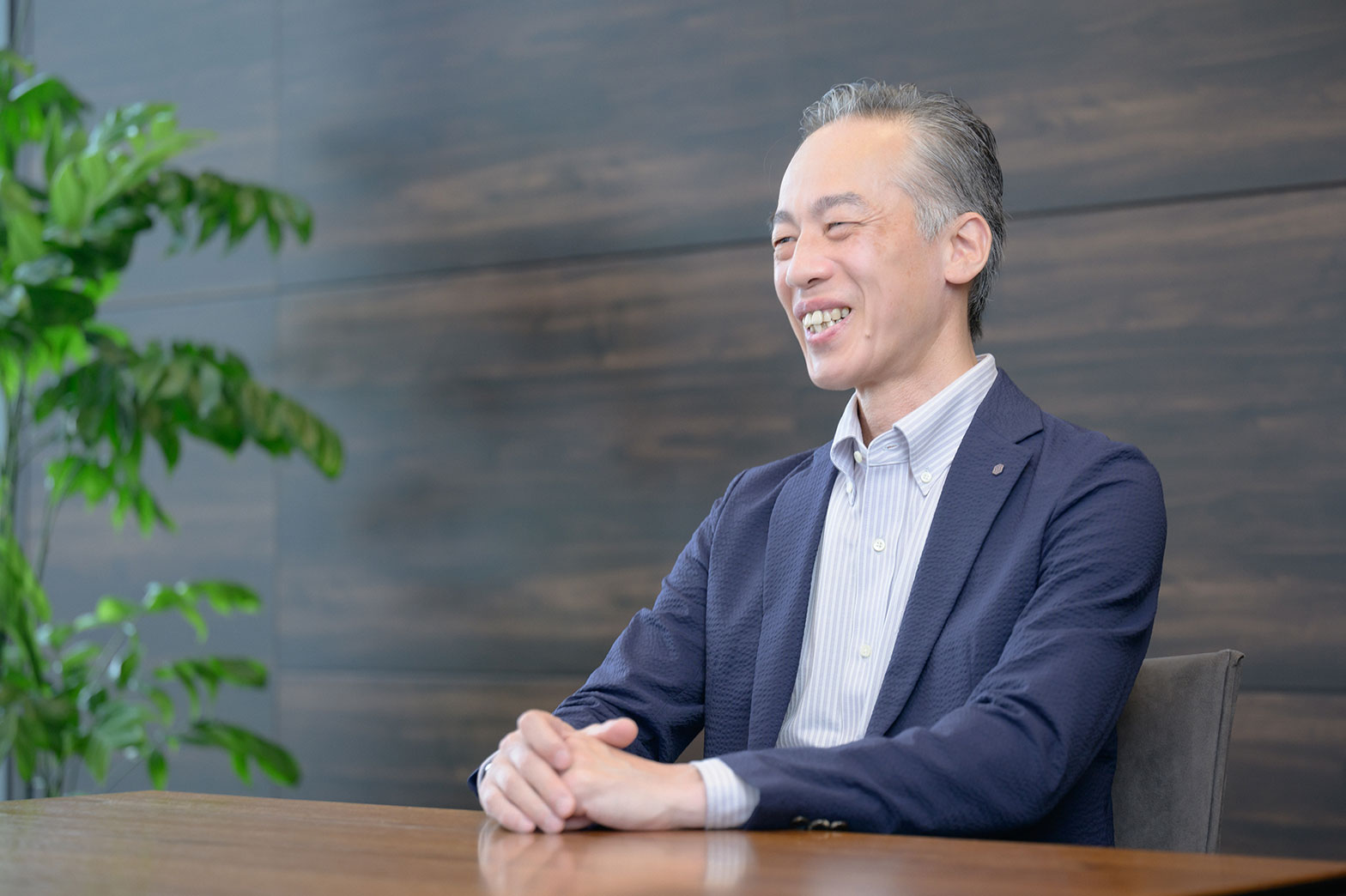
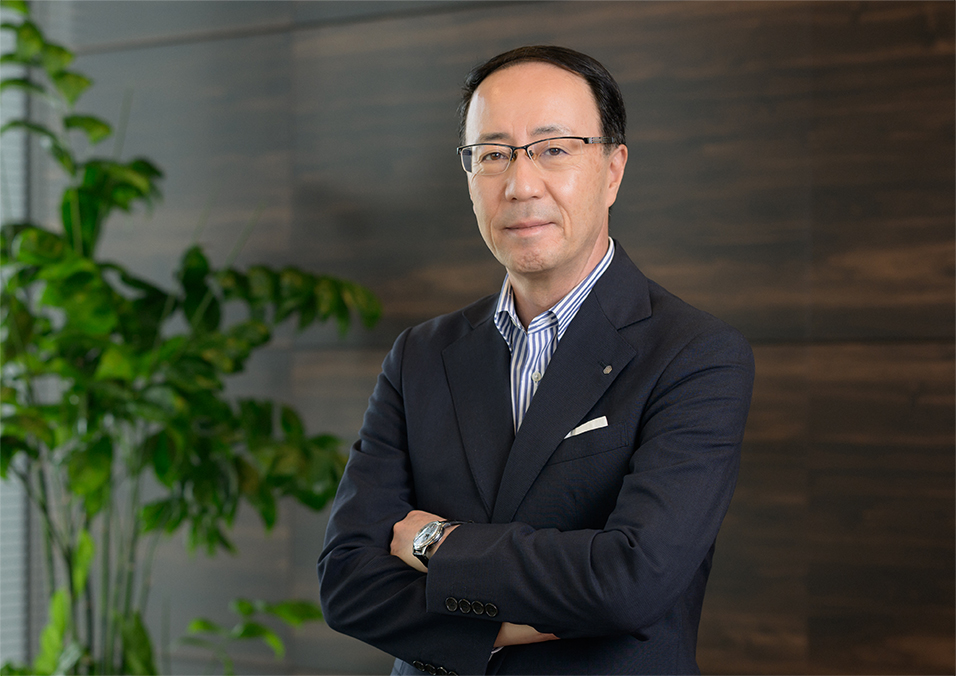
Joined the company in SEKISUI CHEMICAL CO., LTD. 1989. Mainly engaged in HR and management departments, with extensive experience in global initiatives and management. Since 2020, as Head of Human Resources, has promoted HR system reform and diversity management, and has continued to work on HR system reforms since becoming director in 2021.
True to its word, in 2020, Sekisui Chemical adopted "Innovation for the Earth" as its vision statement in its long-term vision targeting 2030, and began to double its contribution to solving social issues with the aim of realizing a sustainable society. By 2025, it plans to commercialize film-type perovskite solar cells that can be applied to walls and other surfaces that were previously difficult to install, contributing to the spread of renewable energy. In addition, the company is working to expand its "sustainability-contributing products" that address environmental and social issues as an important management indicator, and is currently promoting "challenges" throughout the entire company.

This attitude toward challenges is also evident in the development of interlayer films for laminated glass used in automobiles by Sekisui Chemical, which boasts the world's top market share. From the beginning of development, as a latecomer to the market, they refined their high-performance, high-quality product line, added new functionalities such as sound insulation and heat insulation, and rose to the top of the world. Behind this rise was the trial and error and steady efforts of their engineers. There is no such thing as a "lucky punch" behind such technological innovation. Mr. Murakami emphasizes, "It's all the result of a steady accumulation of challenges."
Hayata deeply resonates with that attitude.
"To improve my own performance, I've analyzed everything physically, from the length of the table, my swing speed, the weight of the ball, and even how slippery the table is. I think I've often found that understanding things logically has been more effective than when I was just relying on instinct."
However, he also says that theory alone is not enough.
"Lately, I've been emphasizing the importance of 'trusting my instincts.' You can't become the best in the world with only one or the other. I feel that both logic and intuition are necessary."
Hayata says that both theory and intuition are necessary, and Murakami agrees with her from a business perspective.
"It's the same with organizations; in our work, we're told that both passion and logic are necessary. For example, even if an engineer achieves results, if they can't articulate why it worked, or conversely, why it failed, it won't be reproducible. It's really important to clearly articulate the causes of success and failure and share them within the organization. While logic is important, people won't be motivated by logic alone, so passion is also necessary. I feel that those in leadership positions within an organization need both."
Hayata agrees, saying, "Don't be bound by conventional wisdom. It's important to question what's taken for granted."
"When it comes to techniques and forms, we shouldn't be bound by preconceived notions of how things 'should' be, but instead delve into 'why things are the way they are.' I believe that's where evolution lies."
Beyond winning and losing
The value of the challenge of "thickening the trunk"
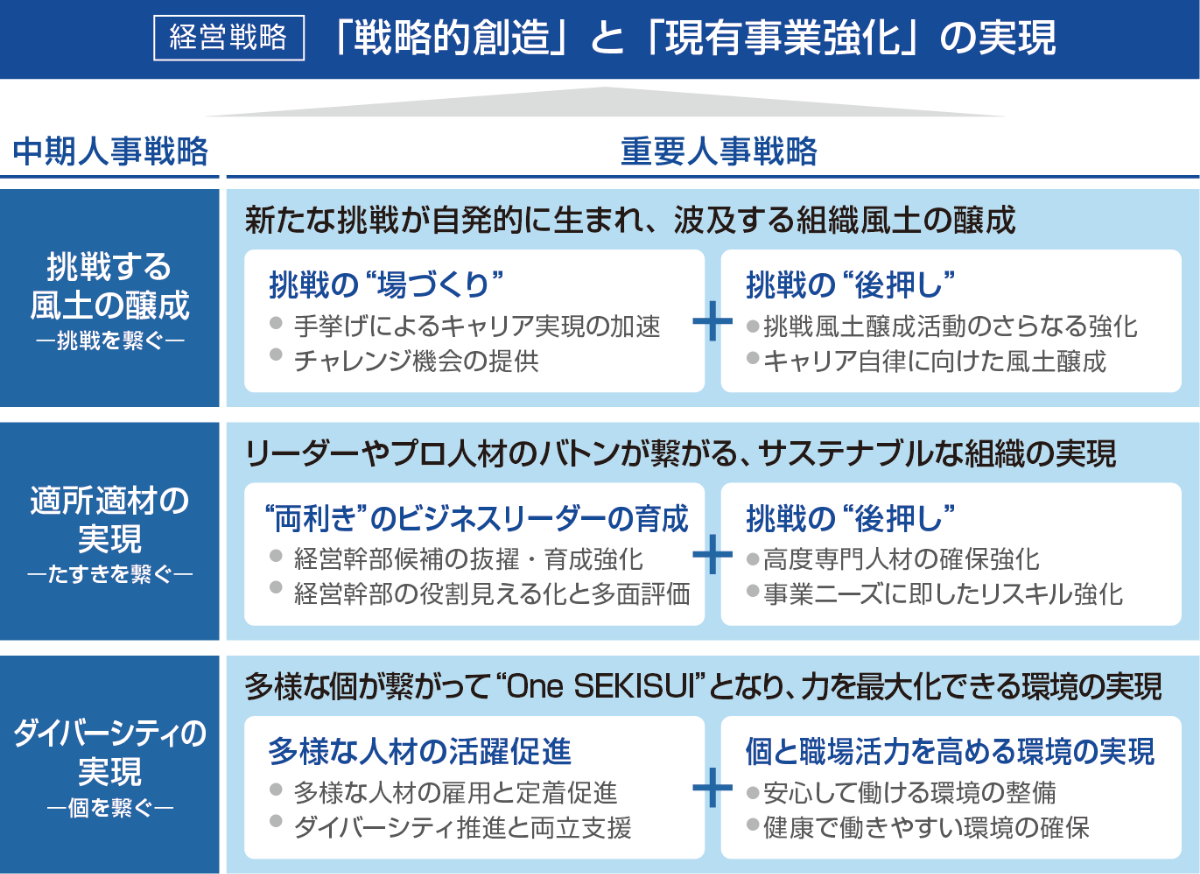
Sekisui Chemical positions challenges as the driving force of its organization. The company has incorporated a system into its personnel management that "rewards challenges themselves," fostering a culture of taking on new things without fear of failure.
"We encourage our employees to 'take a step beyond their past selves' without being bound by past successes. Taking on new challenges requires energy, but that's where progress is born. The president and management team have consistently sent out messages like 'Let's take on challenges' and 'We won't blame you for failing,' which has gradually established a culture where challenges are valued. In our personnel system, we have a section where supervisors evaluate 'what kind of challenges this person has taken on' and award points regardless of the outcome," says Murakami.
This approach of valuing the challenge itself resonates deeply with the values that Hayata has cherished.
"I've cried after winning, but I've rarely cried after losing. I prepare and strategize extensively before a match, but if it doesn't work, it simply means I wasn't good enough. What's important is whether I've made choices that I can be satisfied with. Even if I lose, if I was able to try new techniques or tactics during the match, I feel like I've grown since the last time. If you only chase results, you'll narrow your horizons. That's why I think it's important to sometimes not focus on winning and instead take time to strengthen your core. Even if you prepare thoroughly for a match, things don't always go well. But that's not a failure; it's an opportunity to learn, and you'll have a chance to succeed next time. I think successful people in the world have failed five or even ten times as much, which is what led to their success. In short, I think those who face themselves when they fail are the ones who succeed, and those who run away are the real losers." (Hayata)
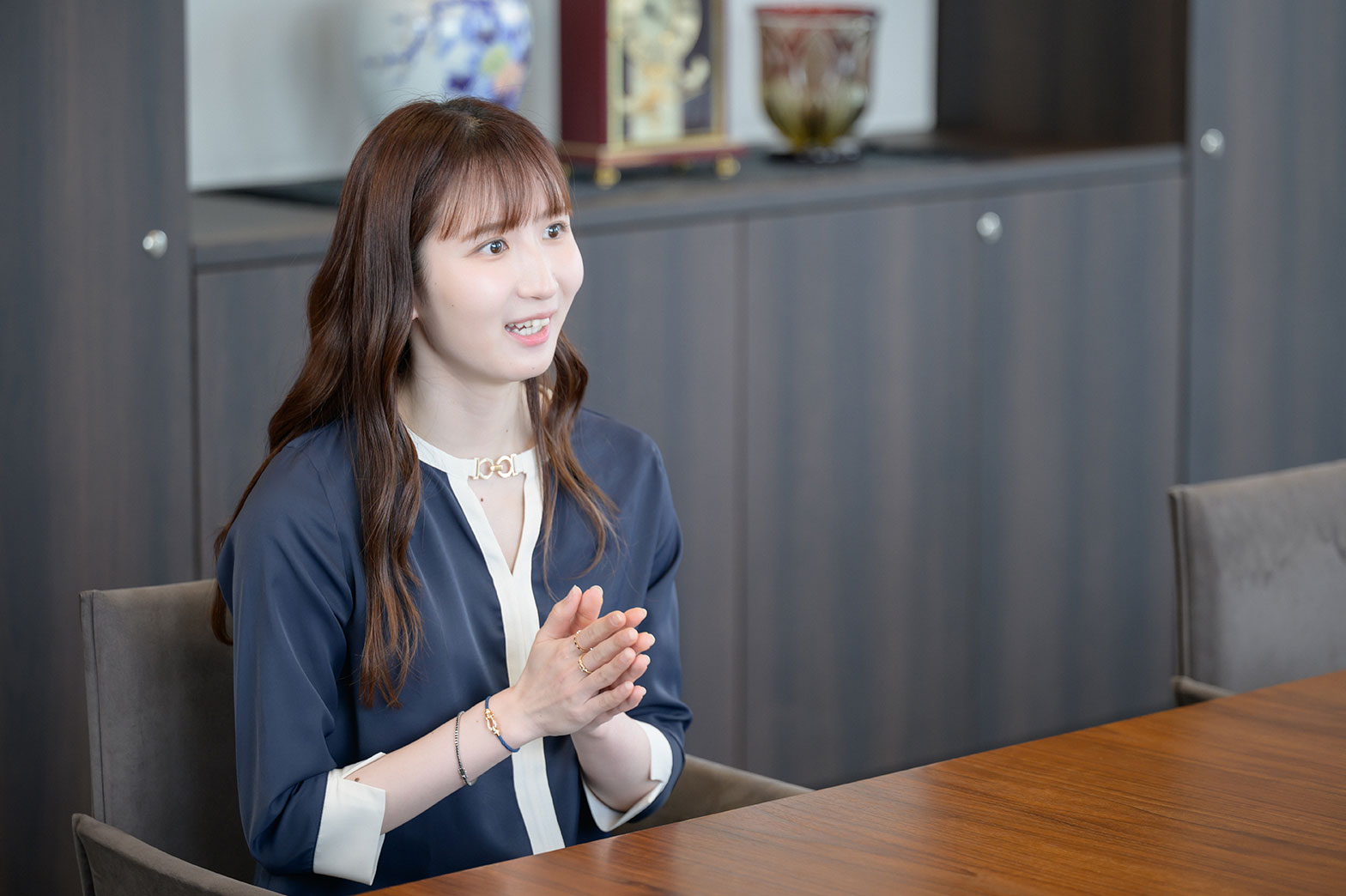
Murakami also states that "the value of a challenge lies not in the outcome, but in the act itself." Their attitudes, despite standing on different stages, are remarkably similar.
"I believe failure is simply not trying at all. If what you tried just didn't go as planned, then that's not a failure, but an experience. If you can learn from it and use that to improve your next attempt, then that's an accumulation of experience and fuel for growth. It's truly wonderful that Hayata is conscious of broadening her horizons, even in a situation where results are demanded," (Murakami).
SEKISUI CHEMICAL Group currently has a Sports Asset team within its Human Resources Department, supporting athlete Hayata, as well as the achievements of the women's track and field team "Sekisui Fairies," American football "SEKISUI Challengers," former para-track athlete Kondo, and professional tennis player Yasutaka Uchiyama.
"Our company has encouraged sports since its founding, and I believe this is connected to our culture of encouraging employees to utilize their individual strengths, hone their skills, and take on challenges. Seeing employees shine in sports, which is different from their usual work, increases their loyalty to the company and their colleagues, and strengthens their sense of unity. When the company supports sports and has teams, employee morale also improves. I believe that the sense of unity gained from cheering on Sekisui Chemical colleagues who are working hard in sports and sharing emotions about the results can also be a catalyst for fostering company loyalty," (Mr. Murakami).
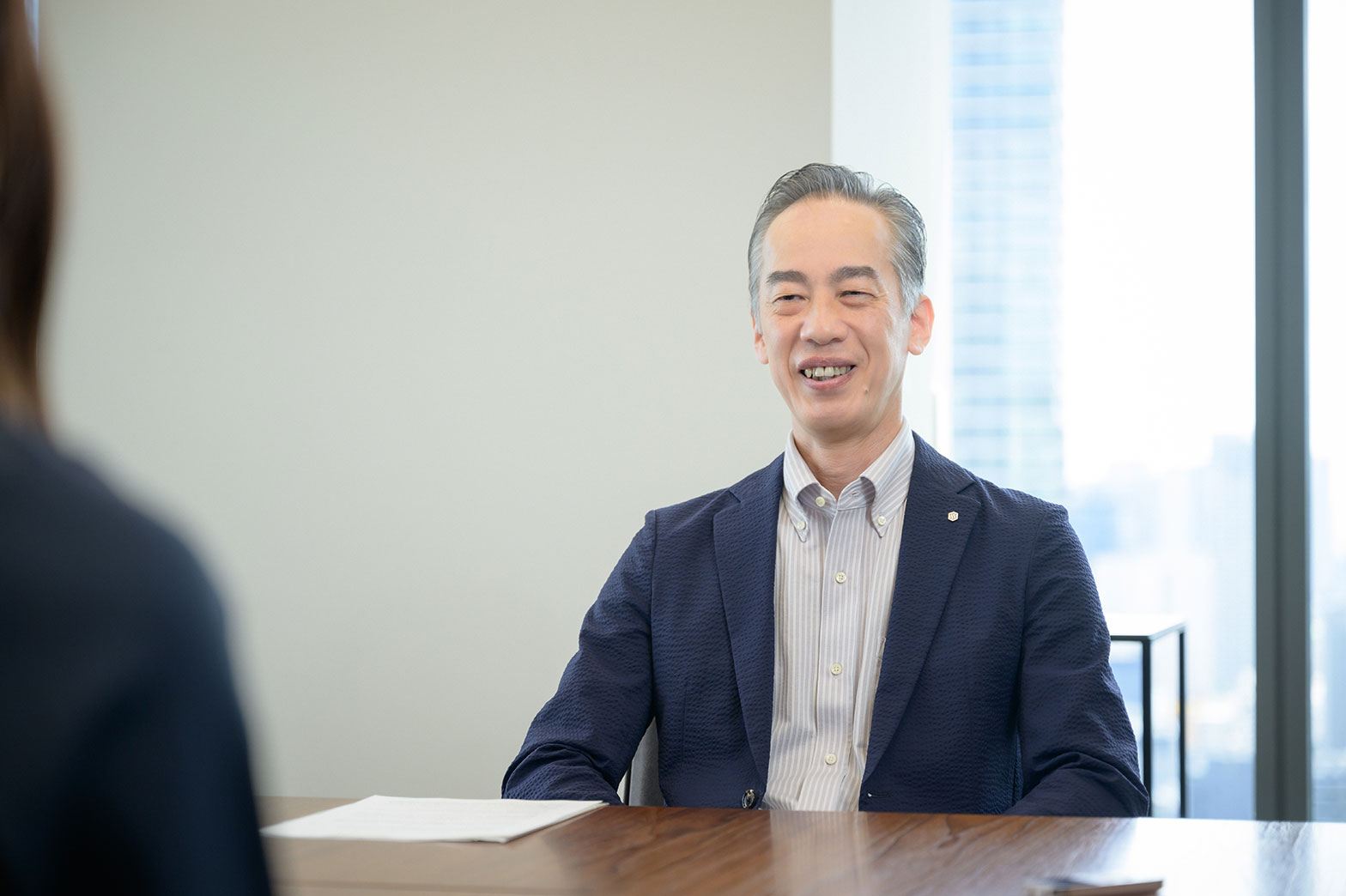
"As an athlete, I always hope that our efforts can be the catalyst for changing someone's heart. Because we are in the spotlight, we are constantly expected to produce results and there is pressure, but if my efforts can inspire those who support me to work hard as well, then I feel motivated to do my best no matter the outcome. I truly feel that having people within the company who support me gives me great strength at the very end as an athlete," (Hayata).
Challenges don't always lead to immediate success. However, the attitude towards them and the accumulation of those experiences eventually lead to the evolution of individuals and organizations. It is a culture that embraces challenges that allows people to overcome change and push beyond their limits, one step at a time.
Looking towards the future
What lies beyond the "challenge"
"What our group aims for is 'Innovation for the Earth.' It is important to continue taking on challenges that we can for a better future. This leads to the personal growth of our employees, and SEKISUI CHEMICAL Group as a result of our work, we aim to remain a company recognized by stakeholders—that is, society and the important families of our employees." Mr. Murakami explains.
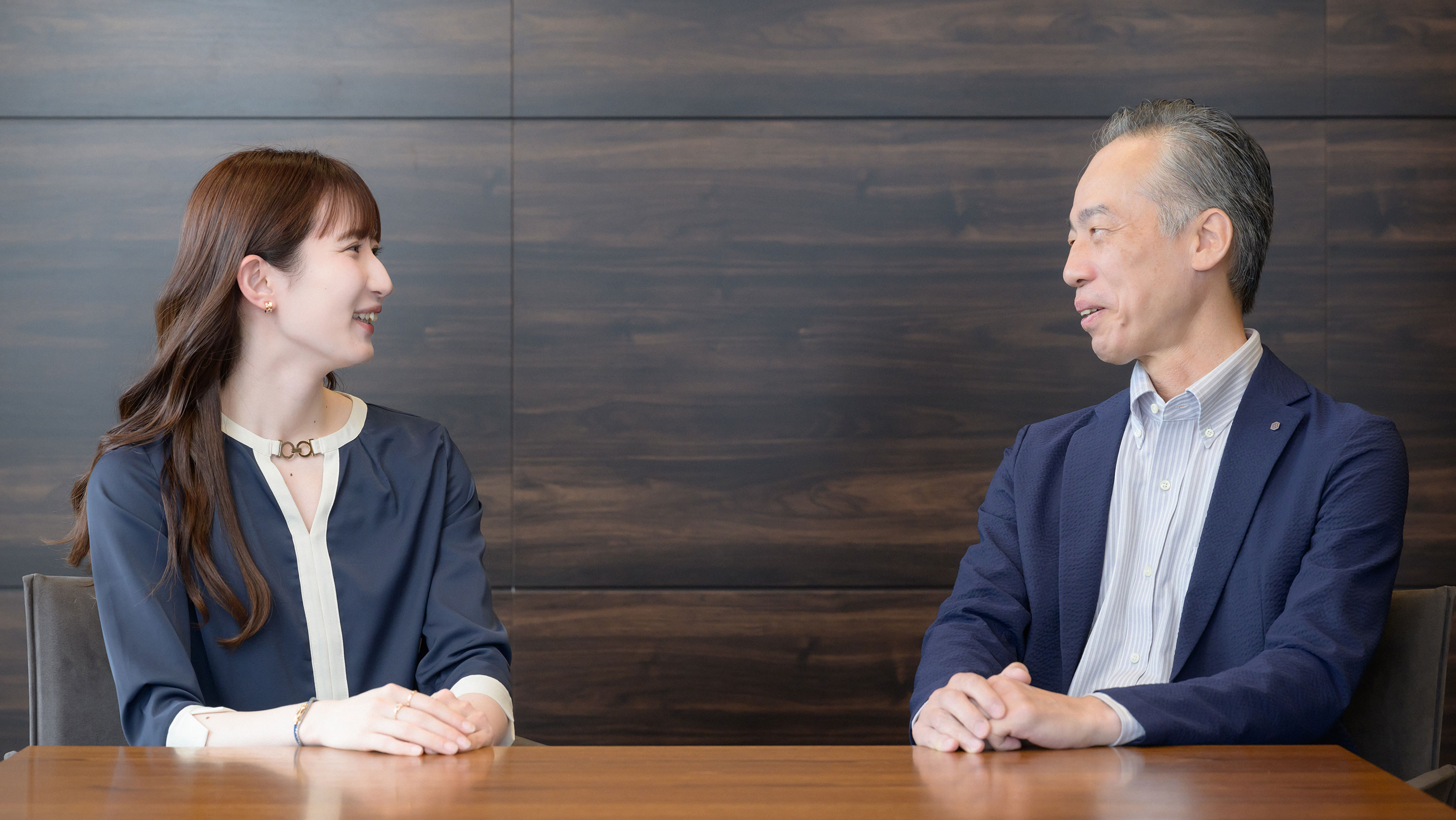
Hayata also continues her pursuit of excellence. Despite facing setbacks such as failing to qualify for the World Championships in Tokyo and injuring her left hand at the World Championships in Paris, she never gave up.
"I injured my left hand in Paris, but I never gave up on the challenge. For a table tennis player, the feel of your hands is really important, so I lost a lot of it, but I didn't lose everything. I want to be reborn as a different person through this injury and work hard towards the tournament in Los Angeles. I can't go back to the person I was in the past, but I can change the person I will be in the future. I think it's important to focus on what I have rather than what I don't have, and develop it into a different weapon. I'm actually looking forward to seeing what kind of person I'll be reborn from here. There's a possibility that things won't go well, but I think that's more fun and rewarding. The more I struggle, the greater the joy when I succeed will be. I want to work hard so that today's me will surpass yesterday's me."
The challenges faced by athletes pushing beyond their individual limits, and the image of Sekisui Chemical striving for technological innovation while bearing the expectations of society—what both of their words had in common was the belief that "the power to grow comes from a continuous attitude of challenging oneself." Facing one's own weaknesses and having the resolve to take another step forward—this attitude, common to both sports and business, will surely give a powerful push forward for each of our individual challenges.