Transforming nature's wisdom into technology—concretion supports a sustainable society
"Research Grant Program for Manufacturing Inspired by Nature" Part 2
公開日:
What thoughts and stories were behind its development?
How will that connect to the people and societies living on Earth?
"SEKISUI | Connect with" is a future-creating media platform that connects you with Sekisui Chemical.
The "Manufacturing Research Grant Program Inspired by Nature," introduced in the first part of this article, has supported ambitious research that balances technological innovation with social implementation. Biomimicry, an approach that imitates the structures, functions, and processes of organisms found in nature and applies them to the development of technologies and products, is attracting attention in the field of sustainable technology development.
However, Sekisui Chemical's program goes beyond mere imitation, aiming to scientifically elucidate natural mechanisms and lead to the creation of new materials and technologies. Among these, "concretion," researched by Professor Eiichi Yoshida of Nagoya University, is one technology with the potential to bring innovation to the sustainable building and infrastructure fields.
Concretions are extremely hard rock structures created by nature. While it was traditionally believed that they formed over tens of thousands of years, Professor Yoshida is working to elucidate their mechanism and develop technologies to enable their formation in a shorter period. This research, which began with this program, is moving from fundamental scientific exploration to industrial applications.
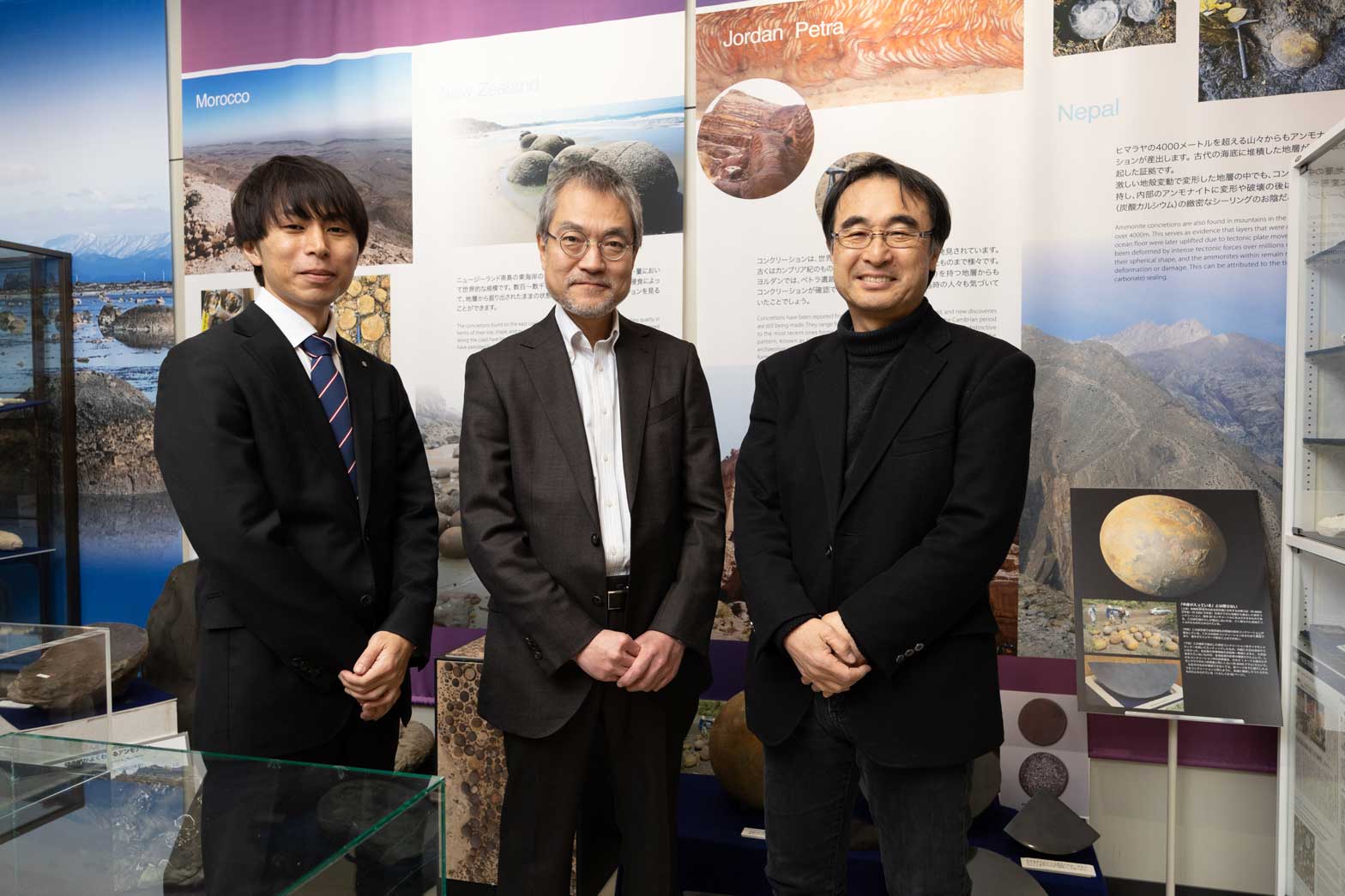
Professor Yoshida, along with Setsuo Nakajima and Daisuke Oishi of Sekisui Integrated Research, who are in charge of running the program, will discuss the technical significance of concretions and their potential for social implementation.
We will explore long-lasting materials by applying natural processes.
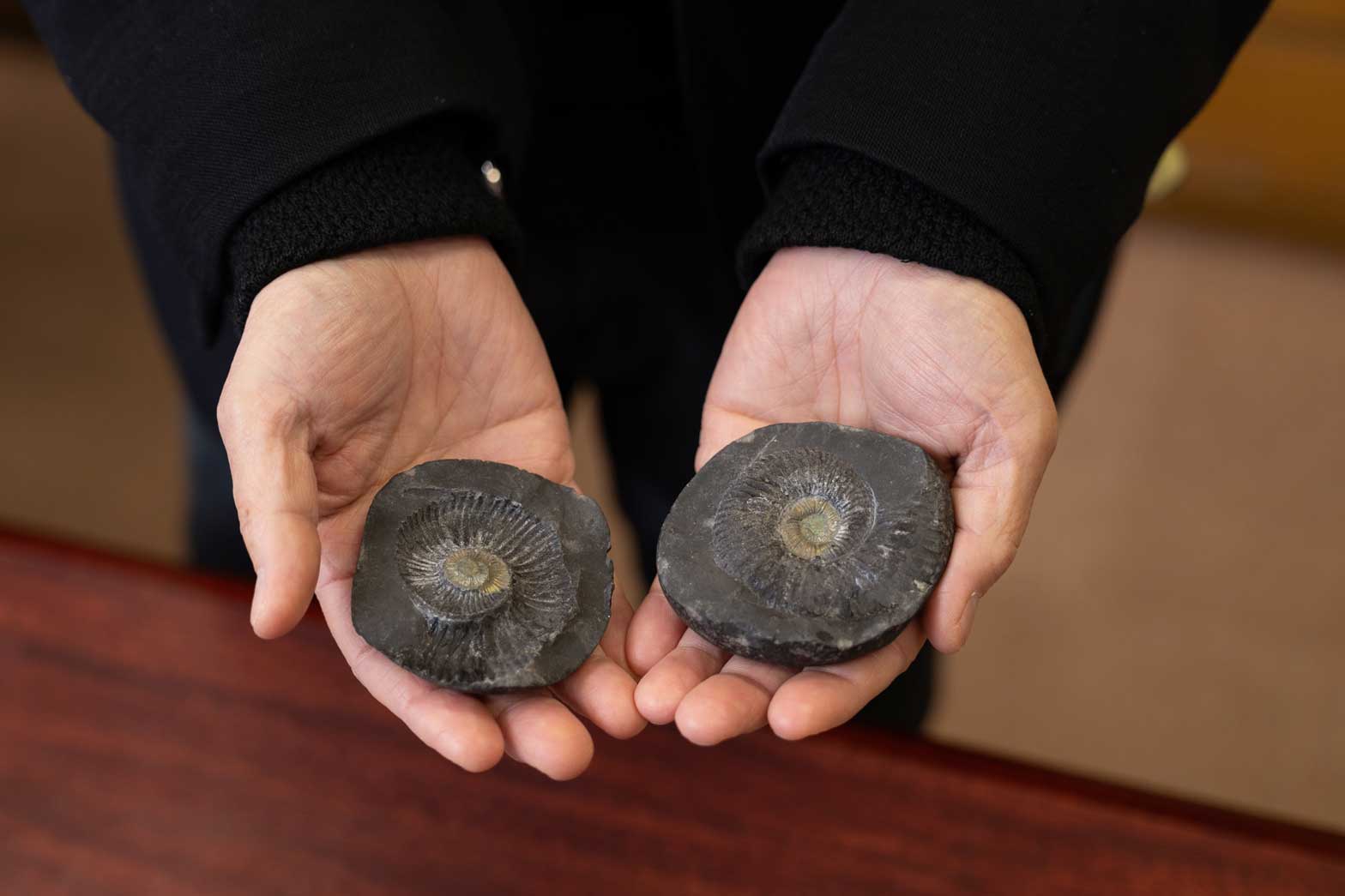
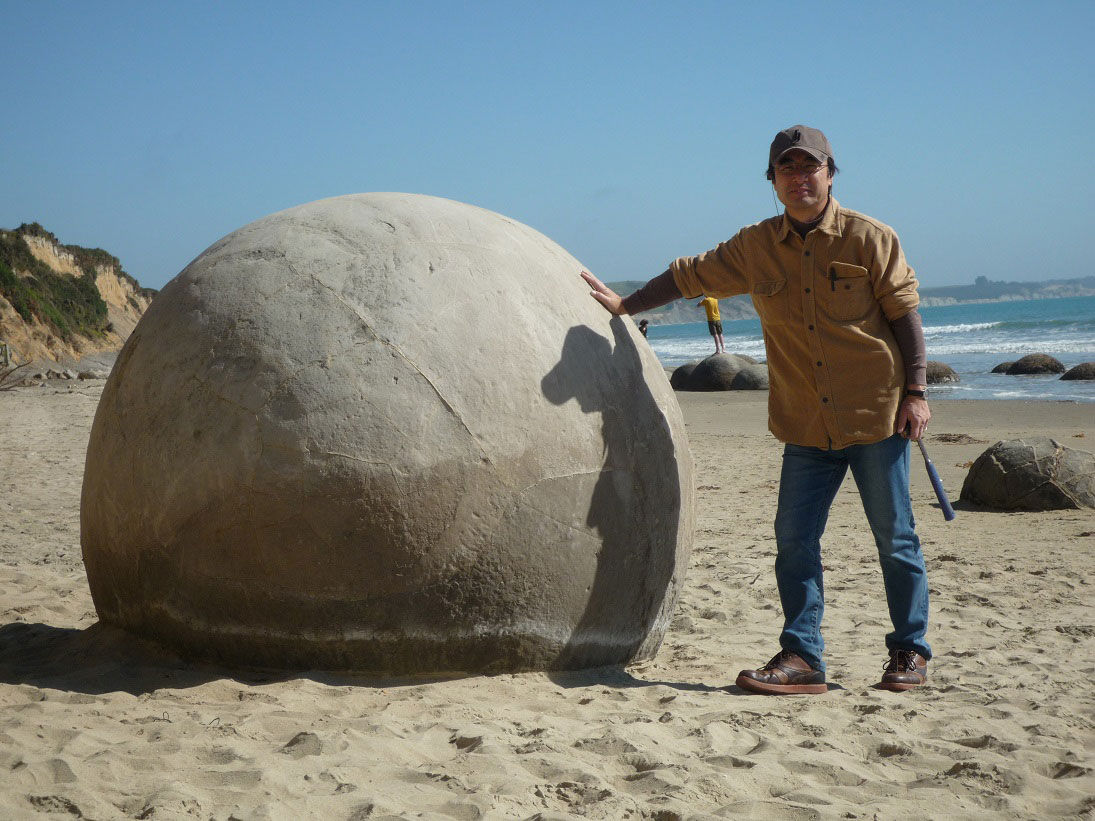
The Nagoya University Museum houses dinosaur and ammonite fossils. It also boasts a wealth of geological specimens, including numerous rock and mineral specimens. In one corner, Professor Eiichi Yoshida, the museum director, picks up a spherical mass. At first glance, it looks like a fossil, but Professor Yoshida explains, "This is called a concretion."
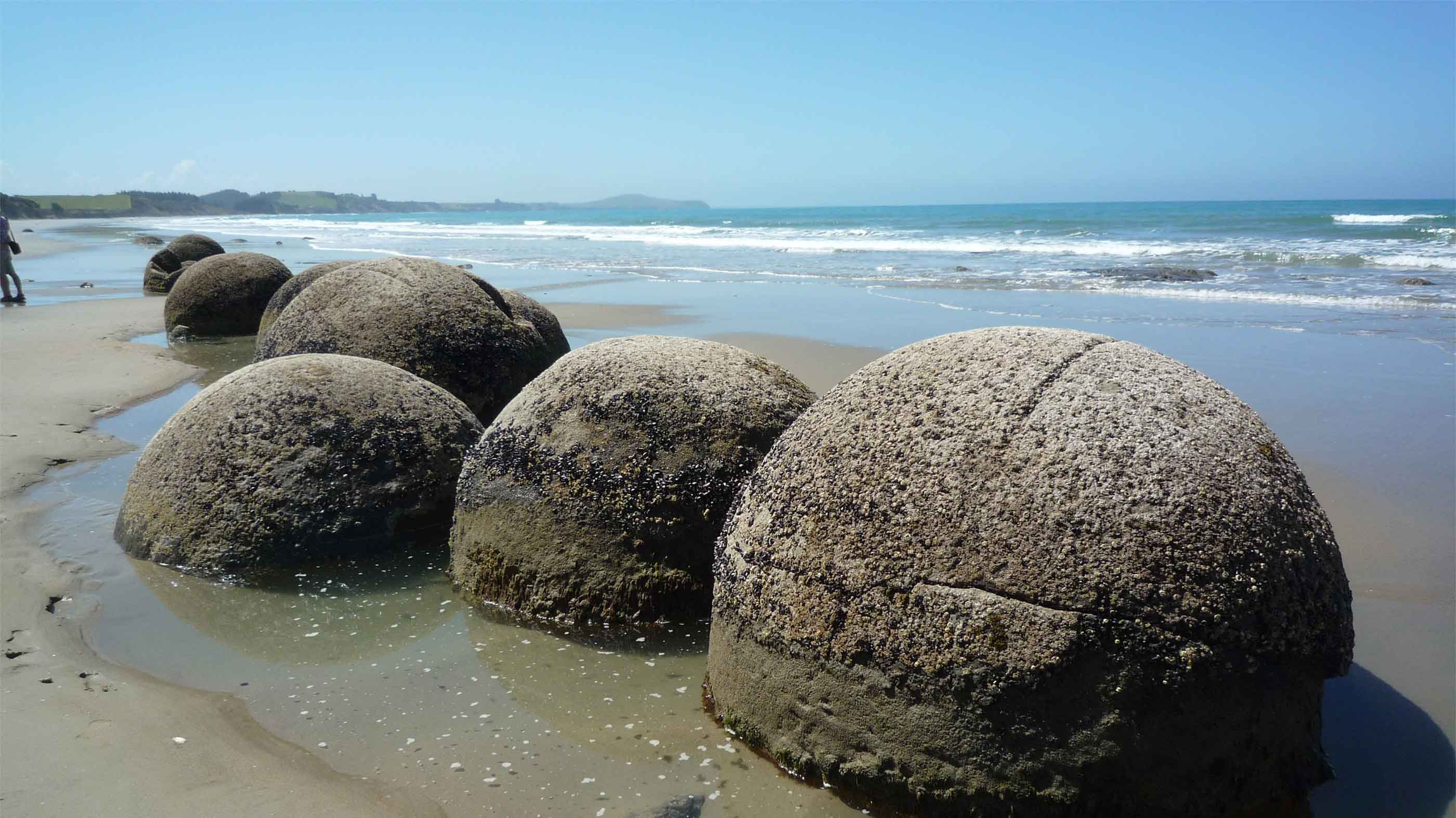
"Concretions are structures formed from the accumulation of calcium carbonate, becoming as hard as rock, and are found within geological layers. In many cases, they form encasing fossils, making them extremely hard and resistant to deterioration over long periods. In a sense, they are like natural concrete."
Sometimes, organisms such as crabs remain intact inside the concrete. This suggests that the concrete hardened before being completely consumed by scavengers (organisms that eat carcasses) after death. Research has shown that concretes a few centimeters in diameter can form in a few weeks, those tens of centimeters in a few months, and even those meter in size in a few years. Professor Yoshida reflects on the origins of the research, saying, "We thought that if we could apply this mechanism, it would lead to the development of unprecedented sealing and building materials."
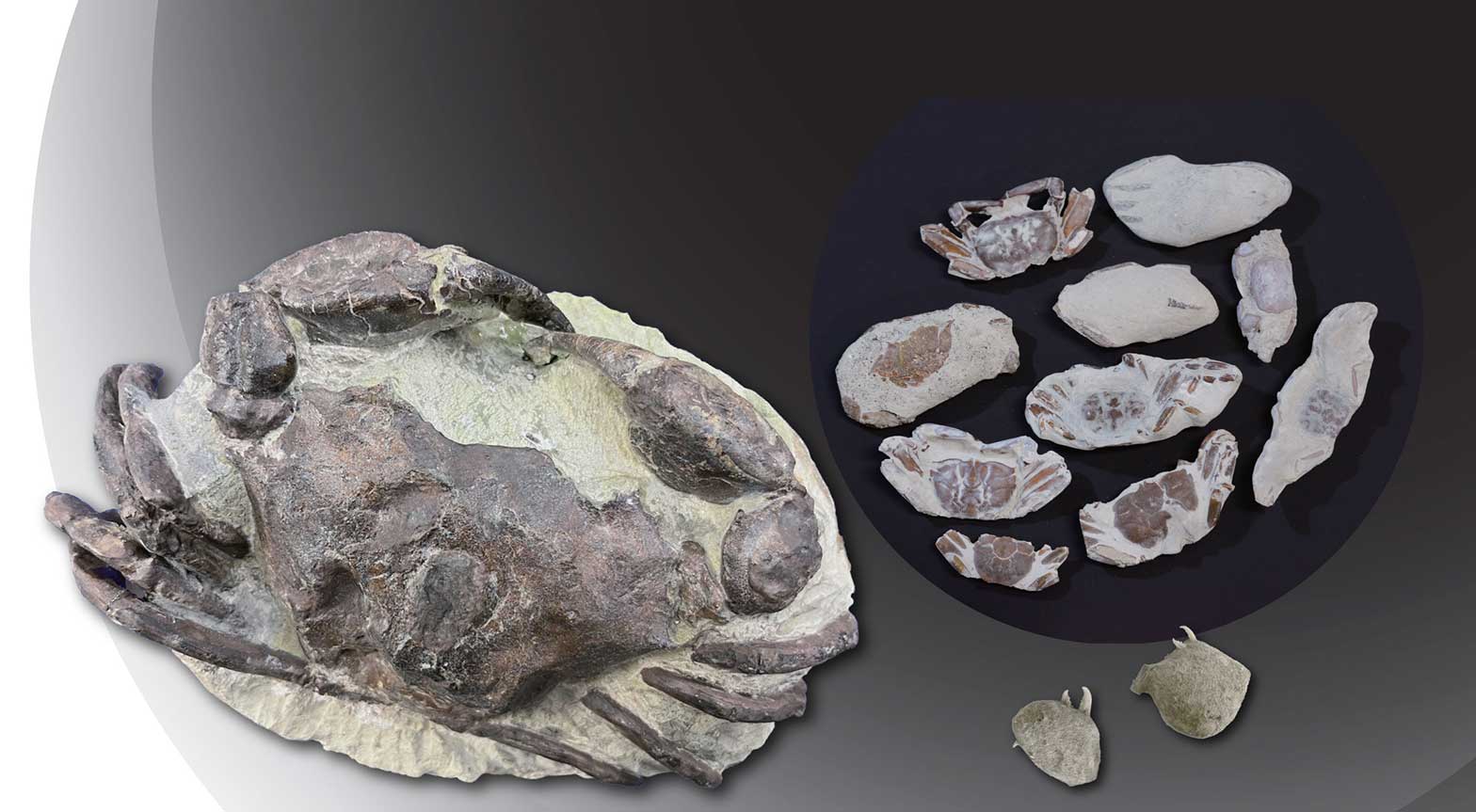
(Right) A group of crab concretions, approximately 7,000 years old, discovered during dredging work at Nagoya Port.
The research originated from Professor Yoshida's career at the Japan Nuclear Cycle Development Institute (now the Japan Atomic Energy Agency), where he studied geological disposal of radioactive waste. Professor Yoshida said that the Chernobyl accident made him acutely aware of the need for more stable containment technologies.
"Underground isolation of radioactive waste requires long-term safety. Similarly, underground carbon capture and storage (CCS) to address climate change necessitates containment over multiple generations. However, current sealing materials, including cement-based materials, do not easily guarantee this. Therefore, we focused on concrete, which exists stably in nature for long periods, and began exploring its potential as a sealing material."
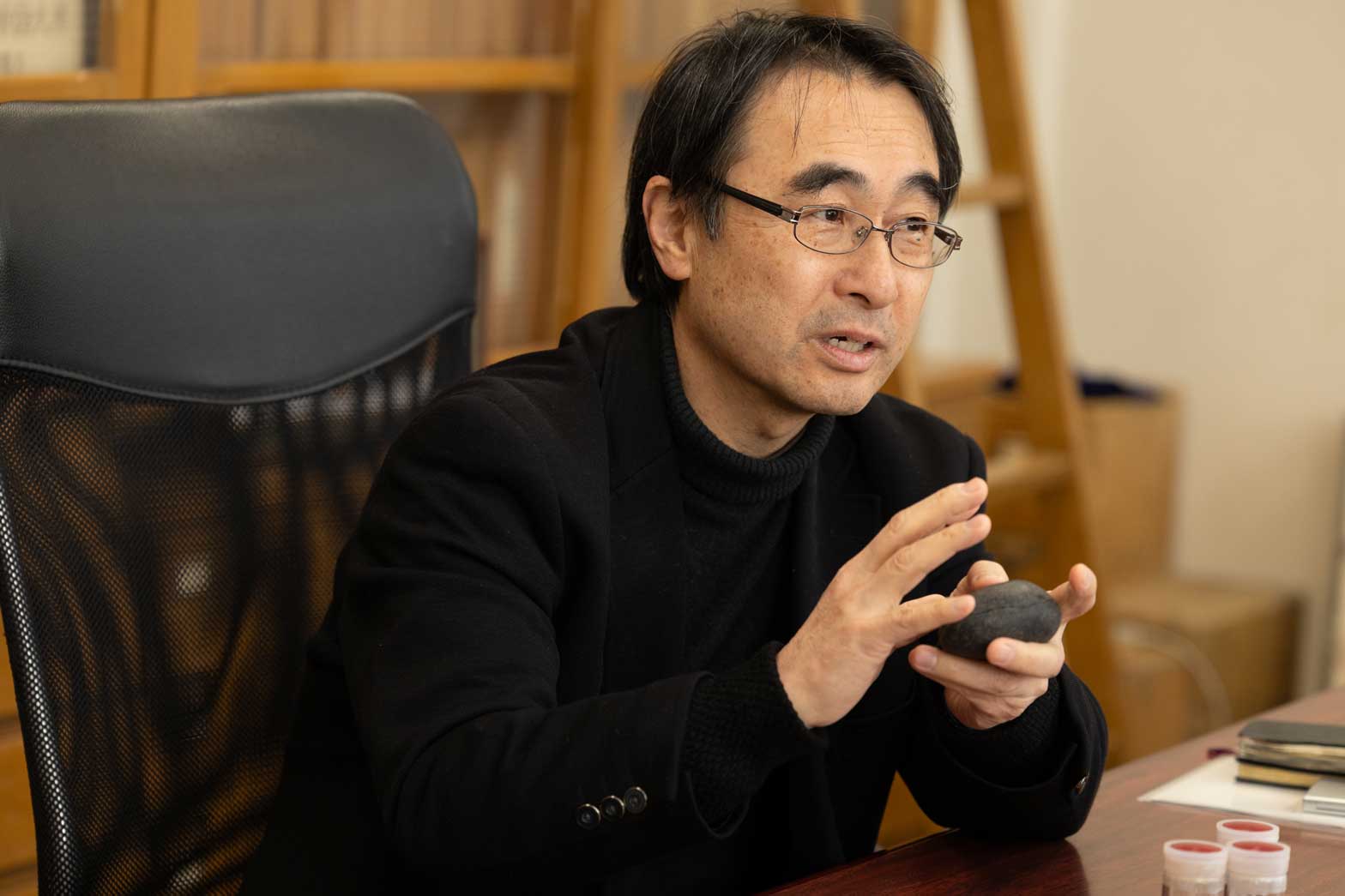
Concrete is characterized by its resistance to weathering. Concrete reacts with water and deteriorates over time. "As you can see from road gutters and other structures, concrete can crack after just a few decades. Although concrete has been widely used since the Industrial Revolution, its long-term stability for hundreds or even thousands of years is not guaranteed," Professor Yoshida points out.
A research team at Nagoya University has elucidated the formation mechanism of concretions and is developing a technology to artificially generate them in a short period of time. This has the potential to lead to the creation of highly durable building materials that can replace concrete and cement.
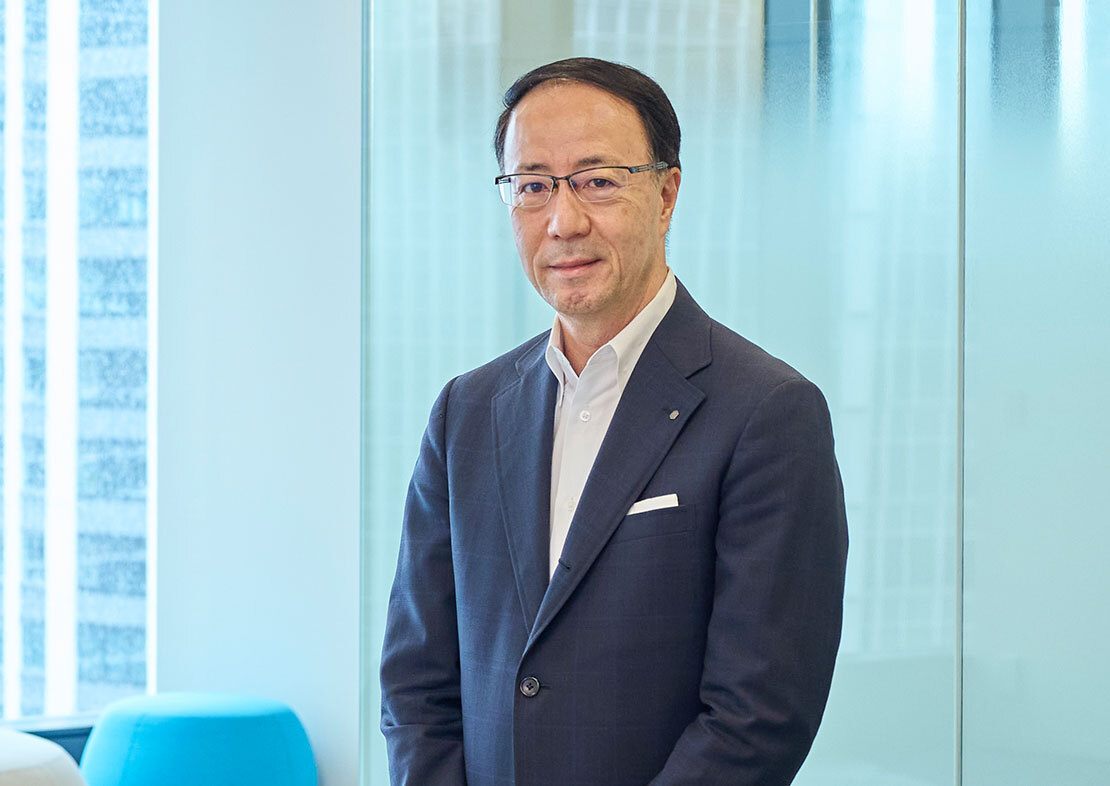
Regarding the prospects for future social implementation, Setsuo Nakajima of Sekisui Integrated Research, who serves as the secretariat for this program and has supported co-creation with Sekisui Chemical while working alongside Professor Yoshida, says the following:
"If we can develop technologies that apply mechanisms cultivated over long periods of time in the natural world in a short period of time, we can expect applications not only in the fields of architecture and infrastructure, but also in a wide range of other areas. Developing materials that utilize the wisdom of nature will contribute to building a sustainable society. This research is paving the way for that first step."
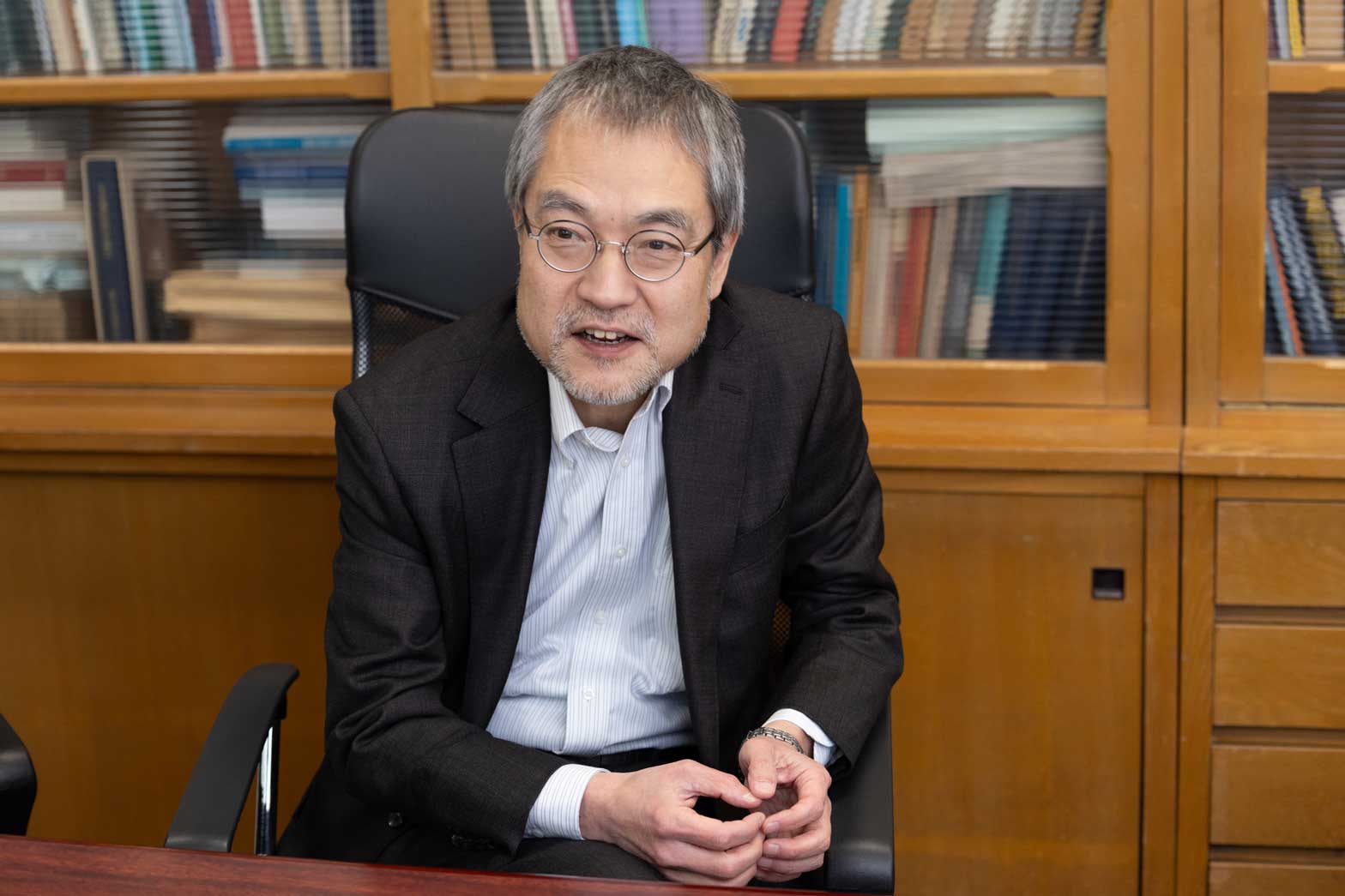
Exploring the possibilities of concretions—a resilient material created by nature.
Concretion technology has been anticipated as a long-term containment technology. Initially, its use was considered for applications such as the isolation of radioactive waste and the underground storage of carbon dioxide. However, its durability and self-healing capabilities have led to an expansion of its applications to areas such as infrastructure maintenance, lifespan extension, and environmental impact reduction. By leveraging these characteristics, it has the potential to contribute to solving problems in the fields of architecture and civil engineering.
To verify these characteristics, a field test was conducted in a tunnel 350 meters underground. During the experiment, 11 direct-hit earthquakes occurred, including one with a magnitude of 5.4, shaking the underground bedrock. This was a once-in-a-lifetime opportunity to confirm the concreting effect caused by earthquakes. Normally, earthquake shaking creates new cracks in the bedrock, damaging the sealing. However, it was confirmed that the concretion continued to reform even after the earthquake, maintaining its sealing function.
"This demonstration experiment confirmed that concretions can reform themselves and maintain their sealing function even after being damaged by external factors such as earthquakes. This is an important result that shows that long-term containment is possible even in underground bedrock in earthquake-prone areas like Japan," Professor Yoshida said, expressing his satisfaction. These results were also published in the online edition of the British scientific journal Nature.
To prepare for practical application, the research team developed two types of concreting agents: a liquid type and a powder type. They have found that each can be applied to different uses.
"The first product we developed was a liquid type. We incorporated a concreting process based on Sekisui Chemical's epoxy resin, giving it not only adhesive functionality but also a self-reinforcing mechanism," says Professor Yoshida. Furthermore, the powder form allows it to be mixed with cement, and new applications are expected, such as repairing cracks in concrete and improving the penetration of grout materials.
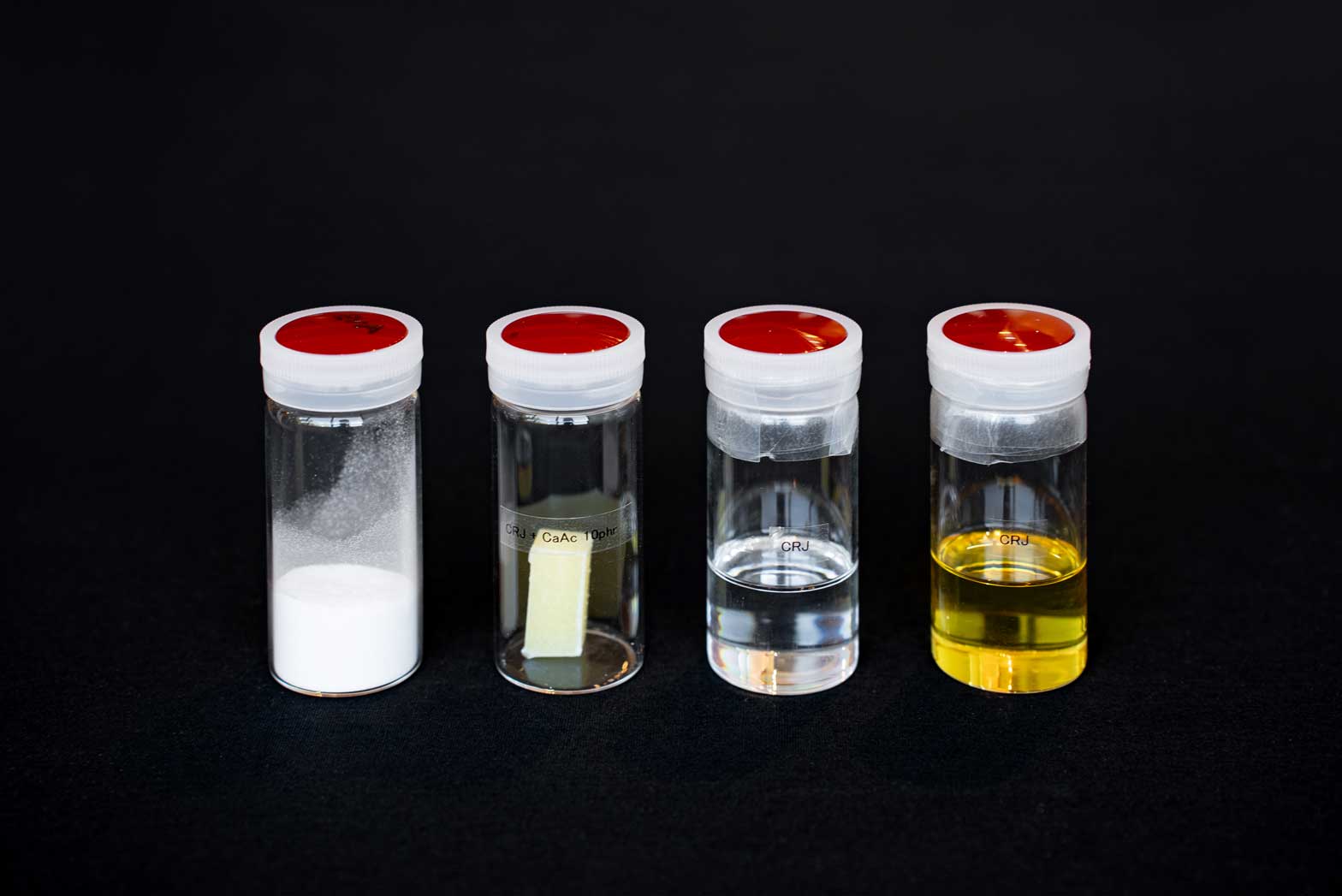
Looking ahead, the development of custom-made concreting agents is also being considered. "By utilizing the unique properties of both liquid and powder formulations and building a system that allows for the selection of the optimal formulation for each application, we expect to see wider applications in various fields," says Professor Yoshida.
Efforts toward social implementation are also accelerating. Professor Yoshida has established a research group and is collaborating with more than 30 organizations, including general contractors, national research institutions, and universities. Inquiries from companies both domestically and internationally are increasing, and the technology is becoming more adaptable to the market.
Regarding the industry-academia collaboration initiative being pursued with Sekisui Chemical, Oishi, who has been working alongside Nakajima, said, "I feel that we have entered the stage where we are tackling this as a business," expressing his confidence in the project.
"The research on concretions was initially in a phase of accumulating experimental data for the first three years, but in the last two years, we have gathered sufficient empirical results, and it has begun to be pursued as an official research theme within the company. Moving from basic research to social implementation is of great significance for the 'Research Grant Program for Manufacturing Inspired by Nature'."
Professor Yoshida is sharing his accumulated technical knowledge with Sekisui Chemical and collaborating with them to promote standardization and dissemination throughout the industry. The next chapter will examine the role of this program and its future prospects.
From research to social implementation: The "Research Grant Program for Manufacturing Inspired by Nature" supports this challenge.
This program has served as a bridge between basic research and practical application, promoting innovative technological development through collaboration between industry and academia. Professor Yoshida reflects on the role this program has played in the advancement of research.
"Through technical support from companies and collaboration with other fields, we have opened up avenues to move beyond mere academic research and connect it to practical application in society. Projects on a scale that researchers alone could not achieve have begun, and now applications are progressing in infrastructure maintenance and repair technologies both domestically and internationally."
The potential of concretion technology is expanding into an even wider range of fields. It is expected to be introduced in areas requiring long-term stability, such as the repair of tunnels and bridges, carbon sequestration as a climate change countermeasure, and the restoration of cultural properties. To address these social challenges, practical application of the technology, including quality assurance, establishment of construction methods, and standardization, is being advanced through collaboration with Sekisui Chemical.
"This program not only provides research support, but also actually sends researchers out into society. It was a valuable experience for the researchers as well," says Professor Yoshida. Nakajima of Sekisui Integrated Research also emphasizes its significance.
"Expanding the possibilities of technology and connecting them to transformations in industry and society—this is the true value of corporate support for research. Concretion technology can be considered a cutting-edge case study in this regard."
In the society of the future, sustainable technological innovation will become increasingly important. The key to this lies in thinking beyond existing frameworks and promoting consistent development that looks from research to practical application. This program has supported researchers' basic research and connected it to future-oriented technological development.
Concretion technology leverages the wisdom that nature has cultivated over long periods of time, contributing to the realization of a sustainable society. The challenge lies not in creating "unbreakable" technology, but in a future where technology "evolves while being repaired." By working together—researchers, companies, and society—to nurture and implement new technologies, sustainable innovation will become a reality.
Sekisui Chemical's "Manufacturing Research Grant Program Inspired by Nature" will continue to nurture new technologies and implement them in society, accelerating the creation of a sustainable future.